Nov 30, 2012
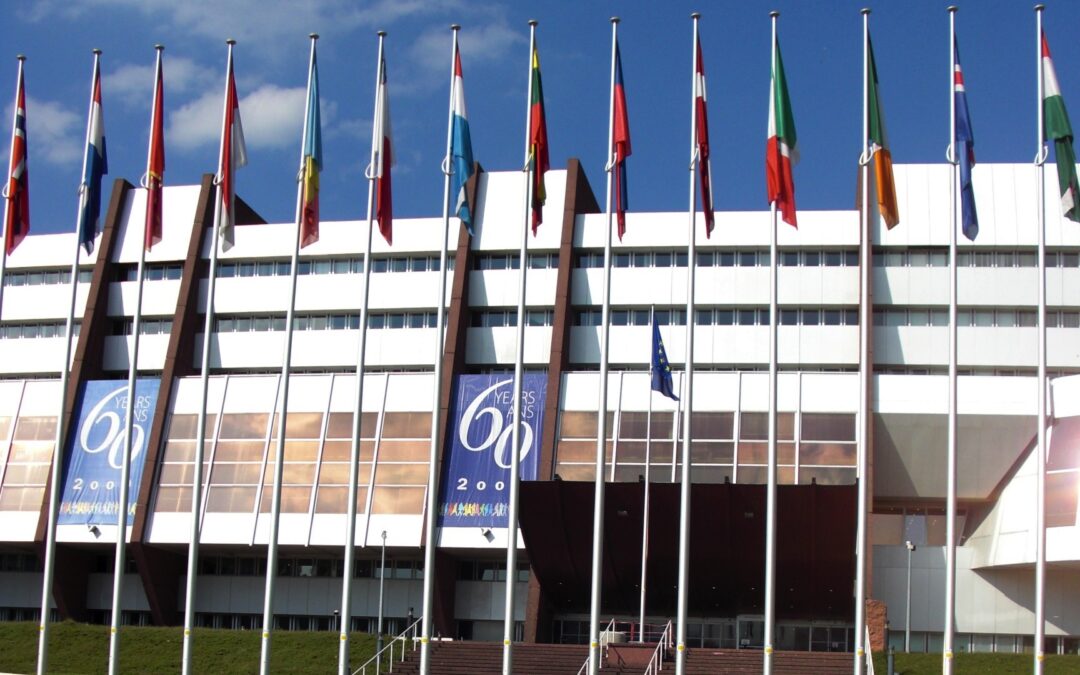
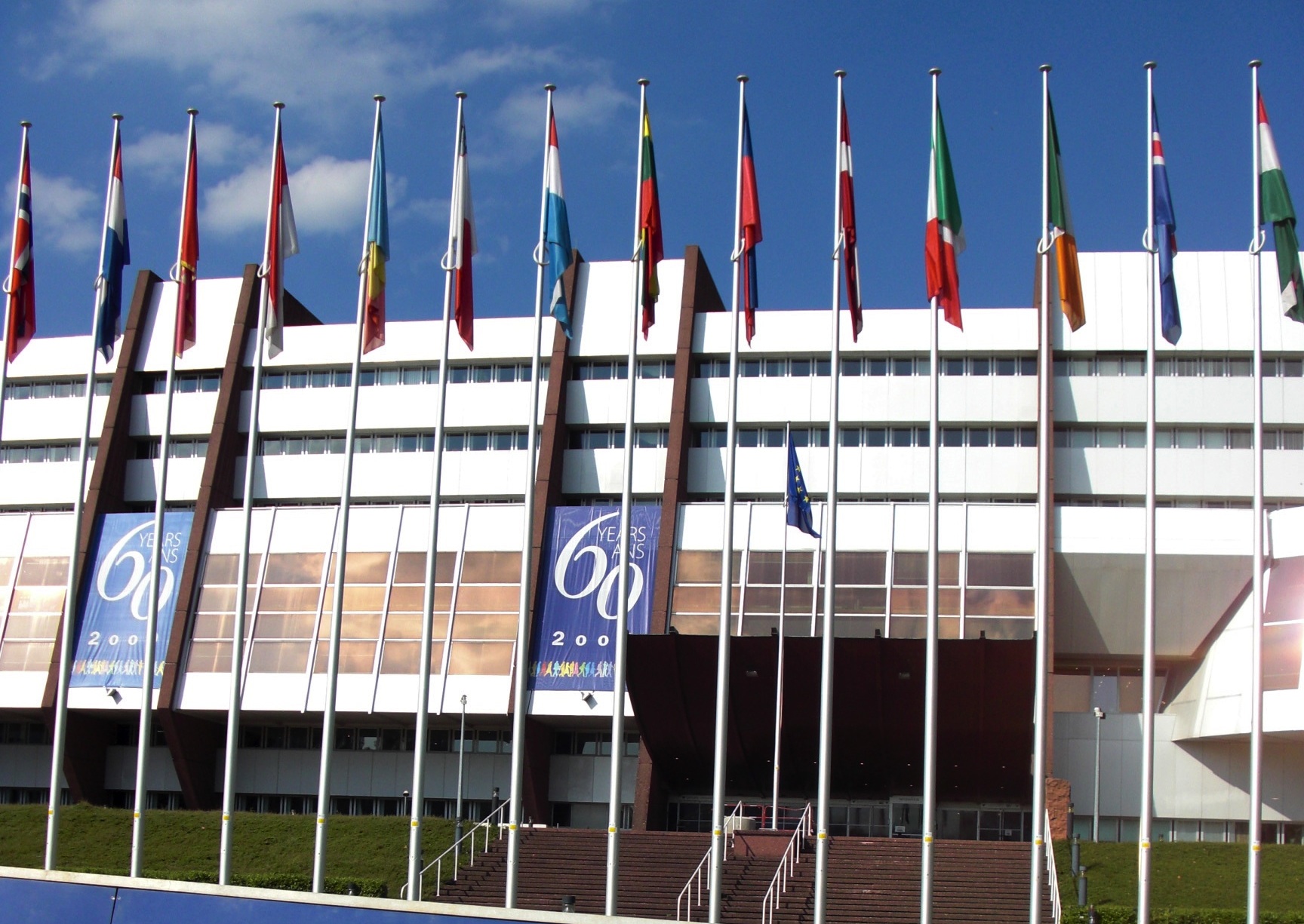 The ICJ welcomed a feasibility study adopted by the Council of Europe Steering Committee on Human Rights on 28 November, which sets out possible options for standard-setting or other work on corporations and human rights.
The ICJ noted that access to justice for victims of corporate abuse of human rights is the aspect of corporations and human rights which is most urgently in need of attention. The jurisprudence of the European Court of Human Rights and the standards developed by the Council of Europe can provide a good basis for further refinement and development of standards, guidance and recommendations for Council of Europe Member States in this field. The ICJ therefore urged the Steering Committee on Human Rights to support the development of Council of Europe standards on access to justice for victims of corporate human rights abuse.
ICJsubmission-CouncilofEurope-Business&HumanRights-advocacy-2012 (download the submission)
Photo credit: © notfrancois (the author has no involvement in nor does support this submission)
Nov 27, 2012 | News
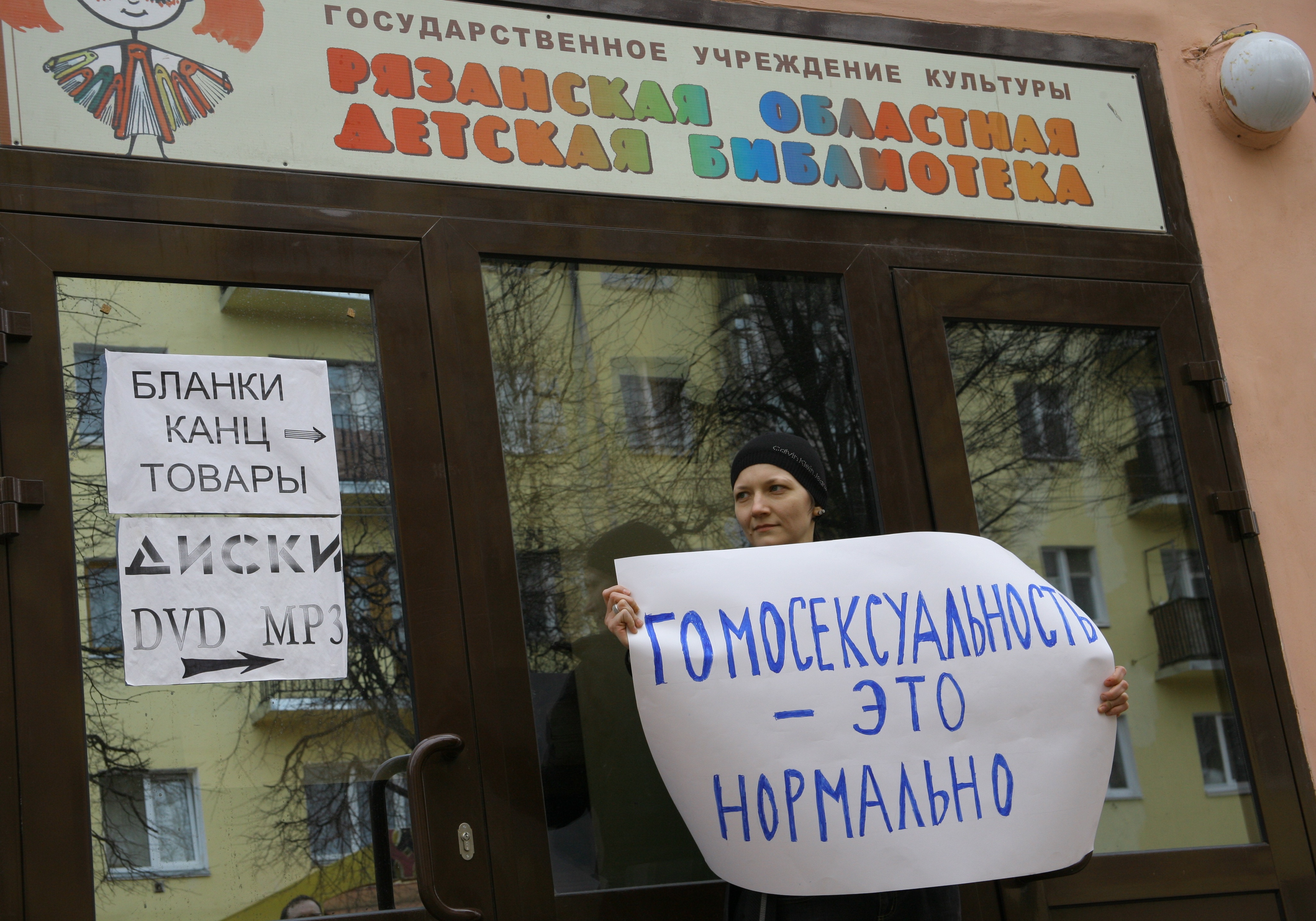 The ICJ and ILGA-Europe welcome the historic decision by the UN Human Rights Committee in Irina Fedotova v. Russian Federation, which was released on 19 November.
“We are very pleased with the Committee’s Views in this case and in particular with the recognition that expressing opinions and information about same-sex sexual orientation cannot be limited in the name of public morality,” said Alli Jernow, ICJ Senior Legal Advisor.
In March 2009, Fedotova had displayed posters declaring “Homosexuality is normal” and “I am proud of my homosexuality” near a secondary school building in Ryazan.
The Ryazan Law on Administrative Offences prohibited “public actions aimed at propaganda of homosexuality among minors.” She was arrested, convicted, and ordered to pay a fine of 1,500 roubles.
Fedotova lost her appeal to the district court and the Constitutional Court ruled that the prohibition of information that was “capable of harming health, morals and spiritual development, as well as forming perverted conceptions about equal social value of traditional and non-traditional family relations” could not be considered a violation of the right to freedom of expression.
But the Human Rights Committee held that Russia had violated Fedotova’s rights to freedom of expression and to be free from discrimination.
These rights are guaranteed by articles 19 and 26 of the International Covenant on Civil and Political Rights.
“The decision is especially important because it effectively reverses the position taken by the Committee in the 1982 case of Hertzberg v. Finland, which upheld a ban similar to the one in the Fedotova case,” Jernow added.
The Human Rights Committee ordered the Russian Federation to reimburse the fine paid by Fedotova as well as her legal costs and to ensure that the relevant provisions of domestic law are made compatible with articles 19 and 26 of the Covenant.
Since the Ryazan law was adopted, a number of other regions in Russia have adopted legislation banning “homosexual propaganda.” Activists across the country, including in St. Petersburg, have been arrested and convicted under such laws.
In its decision, the Human Rights Committee emphasized that limitations for the purpose of public morals, which are derived “from many social, philosophical and religious traditions,” could not be based exclusively on a single tradition.
Furthermore, any such limitations “must be understood in light of universality of human rights and the principle of non-discrimination.” The Committee recalled that the “prohibition against discrimination under article 26 comprises also discrimination based on sexual orientation.”
The Committee stated that Russia “has not shown that a restriction on the right to freedom of expression in relation to ‘propaganda of homosexuality’ – as opposed to propaganda of heterosexuality or sexuality generally – among minors is based on reasonable and objective criteria.”
Fedotova’s actions were not aimed at involving minors in any particular sexual activity. Rather, “she was giving expression to her sexual identity and seeking understanding for it.”
“We hope this landmark decision will send a strong signal to Russia to reconsider such discriminatory steps and to abandon any legislative proposals criminalising ‘homosexual propaganda’,” said Evelyne Paradis, Executive Director of ILGA-Europe.
The ICJ had submitted a legal opinion, which the Committee excerpted in detail, arguing that the law was discriminatory and that limitations on rights could not discriminate. Earlier this year, the ICJ and ILGA-Europe published a briefing paper titled “Homosexual Propaganda Bans: Analysis and Recommendations.”
Contact:
Alli Jernow, ICJ Senior Legal Advisor, t + 41 22 979 3823
Juris Lavrikovs, ILGA-Europe, t + 32 2 609 54 16 and + 32 496 708 375
Nov 20, 2012
In advance of the 76th meeting of the Steering Committee on Human Rights, the ICJ and nine other NGOs presented comments on the two proposed protocols to the European Convention on Human Rights.
Amnesty International, the AIRE Centre, the European Human Rights Advocacy Centre (EHRAC), the Helsinki Foundation for Human Rights (HFHR), Human Rights Watch, Interights, the International Commission of Jurists (ICJ), JUSTICE, Open Society Justice Initiative and REDRESS commented on Draft Protocols 15 and 16 to the ECHR, which amend the procedure and criteria for applying to the Court, and allow for advisory opinions.
EuropeanCourt-JointSubmission2-Advocacy-2012 (download the submission)
Nov 7, 2012
 The ICJ, Amnesty International and the AIRE Centre submitted written and oral comments to the draft EU accession agreement to the European Convention on Human Rights.
The ICJ, Amnesty International and the AIRE Centre have submitted written and oral observations, in occasion of a civil society consultation meeting of the 47+1 Group in charge of the negotiations on the accession of the European Union to the European Convention on Human Rights. The observations focussed on issues of jurisdiction, responsibility, intervention, on the possible prior involvement of the Court of Justice of the European Union, on the mechanism of co-respondence in cases involving the EU, and on the system of participation of the EU in the Committee of Ministers of the Council of Europe
CoE-EUaccessionECHR-NGOsubmissions-2012 (download the joint submission)
Photo credit: © Yanni Koutsomitis (the author of the picture has no involvement in nor does support this submission)
Nov 5, 2012 | Advocacy, Cases, Legal submissions
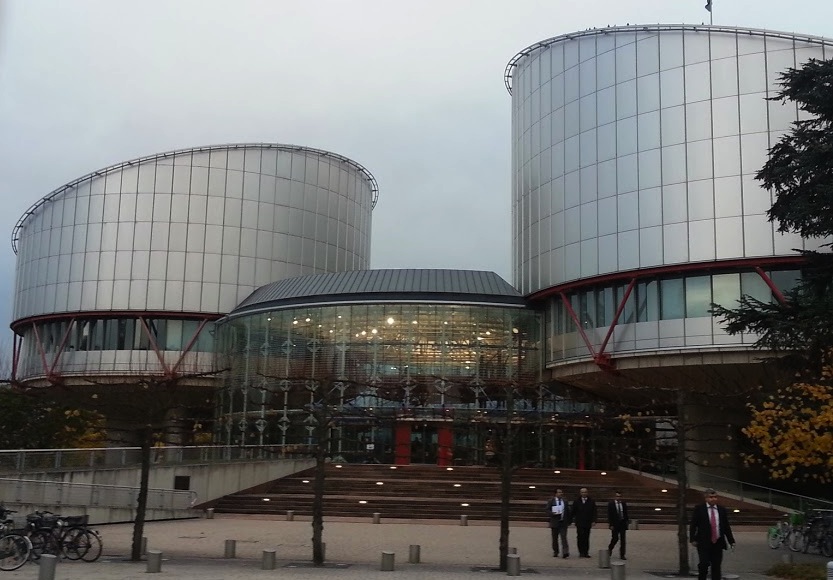 The ICJ and Amnesty International presented a third party intervention in the case Al Nashiri v Poland before the European Court of Human Rights.
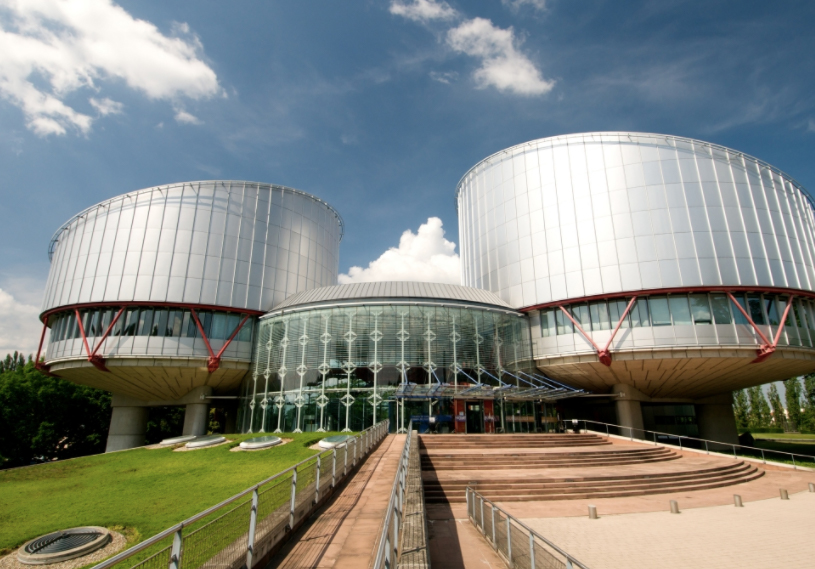
In the third party intervention, the ICJ and AI outlined developments on the principle of non-refoulement, on the human rights obligations in breach in the practice of “renditions” and “secret detention”, on enforced disappearances, on the international law of state responsibility both for human rights violations occuring on the territory of a High Contracting Party committed by another State and following return of a person to a third State, and the right to a remedy and to reparation.
ECtHR-ICJAI-AmicusBrief-AlNashiri_v_ Poland-2012 (download the third party intervention)