Sep 2, 2020 | Advocacy, Non-legal submissions
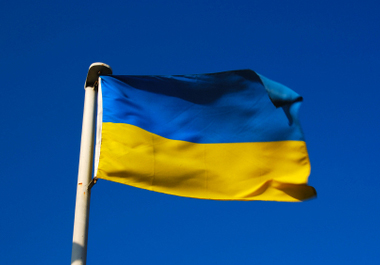
The ICJ has made submissions to the Human Rights Committee, today, on Ukraine’s implementation of, and compliance with, the provisions of the International Covenant on Civil and Political Rights.
The ICJ broughtto the Committee’s attention some issues of concern pertaining to Ukraine’s compliance with and implementation of the ICCPR.
This submission highlights a number of concerns relating to the security and independence of lawyers in Ukraine, and their consequences for the protection of certain Covenant rights. In particular, this submission addresses:
- the institutional independence of the legal profession;
- security of lawyers and their right to life;
- restrictions on access to clients and the rights of the defence; and
- security of lawyers and access to justice in uncontrolled territories in Ukraine.
These concerns highlight Ukraine’s lack of compliance with its obligations under the Covenant, including in respect of the right to life under article 6 and the right to a fair trial under article 14, in particular, as well as under other Covenant rights, such as Ukraine’s obligations under articles 2, 7, 9, 10, and 17 of the ICCPR.
Ukraine-ICJ-Submission-CCPR-Advocacy-Non-Legal-Submissions-2020-ENG
Aug 31, 2020 | Advocacy, News
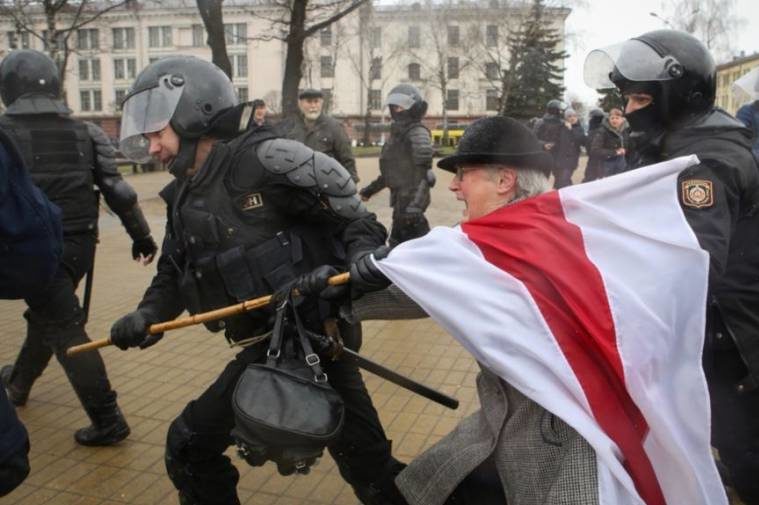
Today, the ICJ called on Belarus to comply with its international human rights law obligations in its response to the protests taking place in the aftermath of the presidential elections and in the treatment of those detained.
This includes immediately releasing persons arbitrarily detained, providing prompt access to lawyers for those still detained, accounting for the fate and whereabouts of missing protestors and promptly and effectively investigating torture and other ill-treatment.
The widespread arbitrary arrests of peaceful protesters, and credible allegations of torture and ill-treatment and enforced disappearances of detainees, are particularly alarming in light of obstacles faced by detainees in accessing lawyers, the ICJ said.
The ICJ recalls that under international human rights law, all persons have the right to peaceful assembly, and any restriction of this right must be provided in law be strictly necessary and proportionate to a specified legitimate purpose. The mass arrest of protesters does not appear to meet these requirements.
Belarus has obligations, including under treaties to which it is party, to respect the right to liberty and refrain from arbitrary arrests or other unwarranted interferences with the freedom of assembly, or freedom of expression, of protesters, protected under international law.
Law enforcement authorities must respect the right to life and the prohibition on torture or other ill-treatment at all times. Allegations of arbitrary killing, enforced disappearances and torture and other ill-treatment must be promptly, thoroughly and independently investigated, and those responsible brought to justice.
Effective remedies must be provided to victims of such serious human rights violations.
The ICJ is concerned about reports of the widespread denial of access to a lawyer and further obstacles that lawyers face while carrying out their professional duties in the current context in Belarus.
Reportedly, lawyers are not provided with access to the case file or further information necessary for the provision of effective legal assistance to their clients. This is of particular concern in light of multiple reports of torture or other ill-treatment of those detained following the election.
The ICJ stresses that the right of access to qualified legal representation is crucial for the protection of the human rights of those arrested in connection with the current political upheaval in Belarus.
The right of access to a lawyer is recognized as an essential element of the right to a fair trial and the right to liberty, protected under the International Covenant on Civil and Political Rights, to which Belarus is a party.
The UN Basic Principles on the Role of Lawyers provide that governments should ensure that lawyers are able to perform all of their professional functions without intimidation, hindrance, harassment or improper interference and should be able to consult with their clients freely and have access to appropriate information, files and documents in their possession or control in sufficient time to provide effective legal assistance to their clients.
It is essential that lawyers and other human rights defenders can carry out protection of human rights of their clients especially in times of emergency.
The ICJ also calls on the Belarus Republic Bar Association to bolster its efforts in protecting its members who provide legal representation in cases related to the ongoing protests.
Background:
The Republic of Belarus ratified the International Covenant on Civil and Political Rights in 1973
Following the presidential elections of 9 August 2020 in Belarus, widespread protests across Belarus took place following the discredited result, which were recognized as neither free nor by the European Union and other observers. Following the initial dispersal of these protests by the authorities, more than 6000 people were arrested and detained, many arbitrarily. There is credible evidence that many of those arrested or detained have been subjected to torture or other ill-treatment and that decisions regarding their arrest and detention have been made by courts temporarily established in detention centres.
While estimates of numbers differ, the whereabouts of at least tens of those who took part in the protest have not been established to date. One of the missing persons, Nikita Krivtsov, was recently found dead in a forest near Minsk.
The reports that defence lawyers were denied access to those arrested include high-profile cases, such as the case of the former presidential candidate Victor Babaryka whose lawyer was not allowed to see his client in the detention centre for more than a week.
According to the Belarusian Republican Bar Association, lawyers face problems with meeting their clients held in the detention centres and access to the case files and further information necessary to carry out their professional duties.
Aug 28, 2020 | Agendas, Events
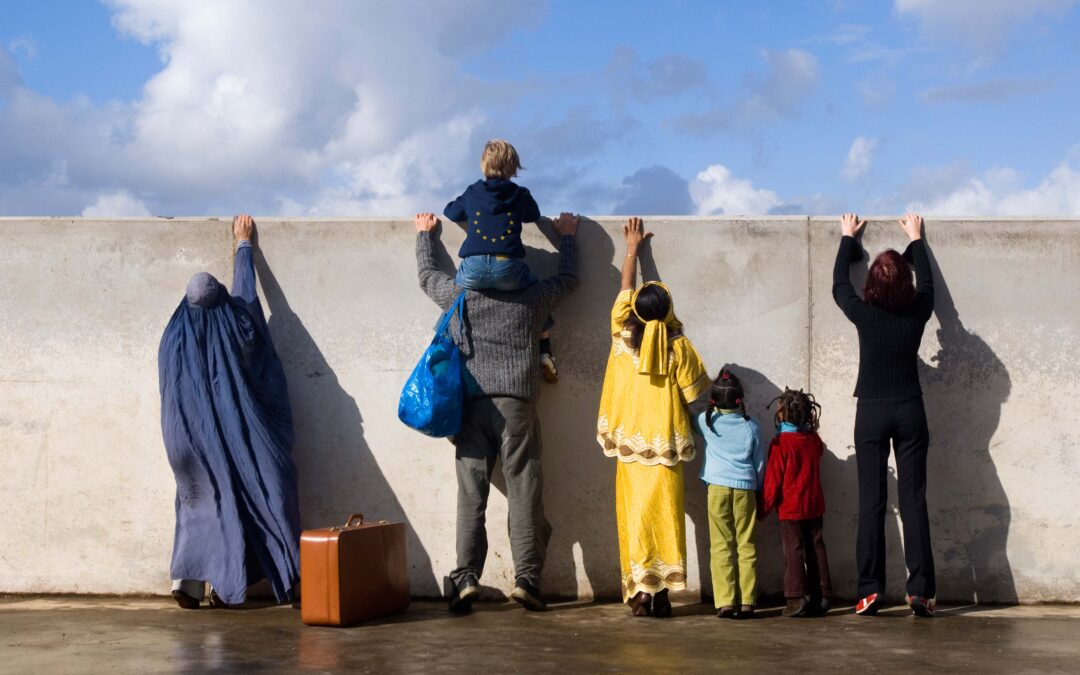
Today, the ICJ and LPRC began a series of online seminars on international human rights mechanisms for the protection of migrants, refugees and asylum seekers for 44 Kazakh defense lawyers and human rights defenders of NGOs.
The seminars took plance via online communication on 28 and 29 of August and 12 of September. The event was of particular importance given the impact of COVID-19 on migration processes in Kazakhstan and Central Asia region.
The seminar lectures were delivered by prominent international experts in the field of migration from the International Commission of Jurists, representatives of the UNHCR Complaints Division, the European Council for Refugees and Exiles (ECRE) and the Greek National Human Rights Commission.
The participants discussed international principles and fundamental documents on expulsion, detention and protection, briefly overviewed the economic, social and cultural rights of migrants, and considered the hierarchy of legal acts in Kazakhstan, the relationship between international law and national legislation. The training program consisted of theoretical and practical components to strengthen the gained knowledge and develop practical skills for the protection of migrants at the international level. A training module was prepared for the participants with an overview of access to international human rights mechanisms.
This seminar complements previously conducted trainings for 105 defense lawyers and human rights defenders of non-profit organizations on strategic judicial protection of migrants and ensuring the exchange of best practices and strategies between Kazakhstani and European lawyers.
The seminar was organized by the Legal Policy Research Center (LPRC) in cooperation with the International Commission of Jurists (ICJ) and the International Commission of Jurists – European Institutions (ICJ-EI), with financial support from the European Union under the project “Strengthening Legal Protection of Migrants’ Rights in Kazakhstan”. The project aims to improve the access of migrants to national and international instruments for the protection of human rights in Kazakhstan, as well as to stimulate professional training and cooperation between specialized lawyers from Kazakhstan and their European counterparts.
Aug 14, 2020 | Новости
Сегодня МКЮ опубликовала, в переводе на русский язык, сборник дел, рассмотренных Комитетом ООН по правам человека (КПЧ) в связи с жалобами на пытки и иные виды жестокого обращения.
В сборнике представлены соображения КПЧ по всем индивидуальным сообщениям по статьям 7 и 10 МПГПП, рассмотренным по существу в отношении Республики Таджикистан с 1999 по 2019 год.
Сборник представляет собой справочное пособие для адвокатов, судей, представителей гражданского общества и других заинтересованных сторон, работающих над защитой от пыток и жестокого обращения в Таджикистане. Представленные дела показывают, как Комитет ООН по правам человека применяет принципы своей практики в отношении пыток и других видов жестокого обращения в конкретном правовом и фактическом контексте Таджикистана. Авторитетное толкование МПГПП со стороны Комитета может помочь при рассмотрении этих вопросов в национальных судах, а также в ходе законодательной реформы и при разработке государственной политики по вопросам борьбы с пытками.
Кроме того, благодаря подборке и анализу фактических обстоятельств индивидуальных обращений из Таджикистана, сборник также служит выявлению основных системных проблем, которые представляют сложность для таджикских правоохранительных органов и национальной системы правосудия. Сборник открывается введением, в котором освещаются основные проблемы, выявленные Комитетом почти за 20 лет рассмотрения дел из Таджикистана. В решениях Комитета можно проследить несколько закономерностей относительно фактического функционирования системы уголовного правосудия Таджикистана. Взятые в совокупности, данные решения представляют собой важный источник фактологических данных, при помощи которых можно установить, где система правосудия на практике не в состоянии защитить права человека, гарантированные МПГПП, а часто – и законодательством и процедурами Таджикистана.
Хотя свобода от пыток и других жестоких, бесчеловечных или унижающих достоинство видов обращения и наказания по статье 7 является основной темой публикации, она логически включает ссылки и на другие статьи МПГПП, включая статью 2(3) (право на эффективное средство правовой защиты от нарушения прав, закрепленных в Пакте), статью 6 (право на жизнь), статью 10 (условия содержания под стражей), статью 9 (право на свободу) и статью 14 (право на справедливое судебное разбирательство). Эти права анализируются только в том случае, если заявители ссылаются на них по делам, связанным с жалобами на нарушение прав, предусмотренных статьями 7 или 10 МПГПП.
Настоящий сборник дел публикуется в рамках Глобальной инициативы МКЮ по восстановлению прав и подотчетности, с тем чтобы сделать доступными дела Комитета по правам человека, связанные с пытками и другими видами жестокого обращения, широкому кругу работников системы правосудия и взаимодействующих с ней лиц. Он будет полезен как независимым практикам, таким как адвокаты, правозащитники и организации гражданского общества, так и судебным органам, а также Министерству юстиции, Министерству здравоохранения и Министерству внутренних дел, к компетенции которых могут относиться некоторые из рассматриваемых вопросов. Публикация может представлять не меньший интерес для МПО, работающих в Таджикистане или заинтересованных в такой работе.
Aug 10, 2020 | News
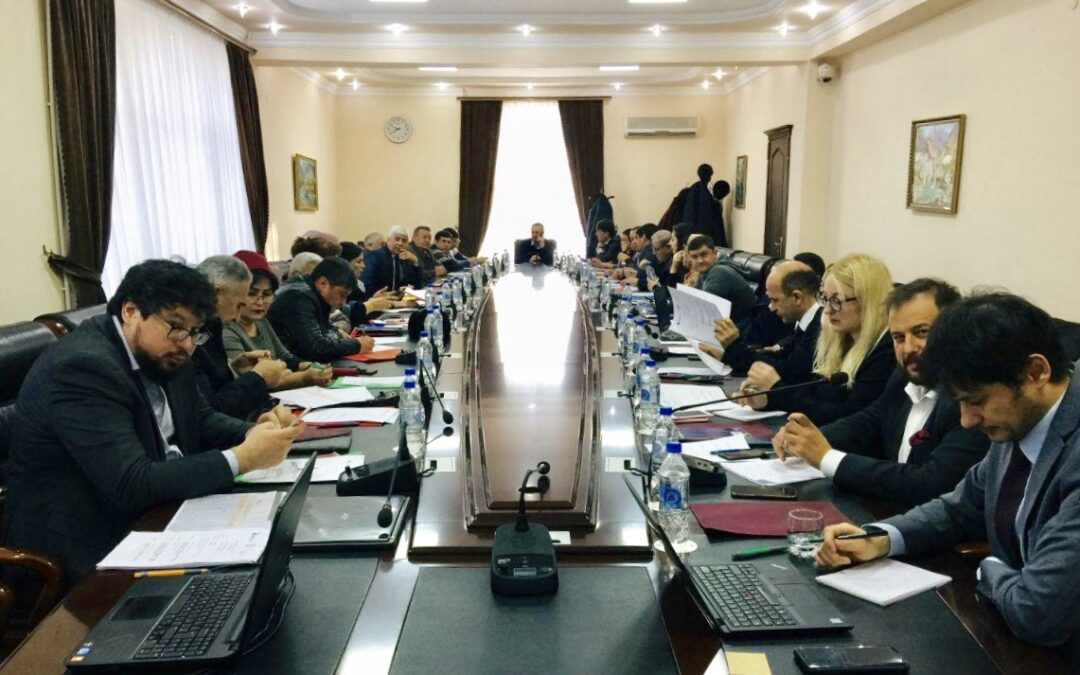
Today, the ICJ published the recommendations from a workshop on strengthening the work of the specialized bodies of the Bar Association on the protection of the rights of lawyers in Tajikistan, held in December 2019.
The event was held on 16 and 17 December 2019 in the city of Gulistan in the North of Tajikistan for members of the Commission for the Protection of the Rights of Lawyers (CPRL) of the Union of Lawyers of the Republic of Tajikistan.The ICJ organized this seminar in cooperation with the Union of Lawyers of Tajikistan and the Legal Policy Research Centre, Kazakhstan.
The President of the Tajikistan Union of Lawyers, heads of regional departments of the Union of Lawyers, who are members of the Commission on the protection of the rights of lawyers, and other lawyers took part in the two-day discussion.
Based on the outcome of this discussion, the participants elaborated the recommendations to strengthen the work of the Commission. Those recommendations are provided below.
The recommendations have been formulated on the basis of the views expressed by members of the Tajikistan Union of Lawyers addressing the situation in Tajikistan, and are not intended necessarily to reflect the legal or policy positions or other views of the ICJ or to be applicable to other contexts.
This set of recommendations deals with key challenges faced by the CPRL in upholding the independence, security and effective work of lawyers in Tajikistan. However, the list of these issues is not exhaustive nor comprehensive and should be further reviewed in light of ongoing developments in the legal profession and the justice system as a whole.
The recommendations should be read in light of the international law obligations of Tajikistan to protect the right of access to a lawyer, to a fair trial and to effective remedies for violations of human rights, including under the International Covenant on Civil and Political Rights, and international standards on the role of lawyers, including the UN Basic Principles on the Role of Lawyers.
Recommendations in English (PDF)
Recommendations in Russian (PDF)