May 12, 2020 | Advocacy, Non-legal submissions
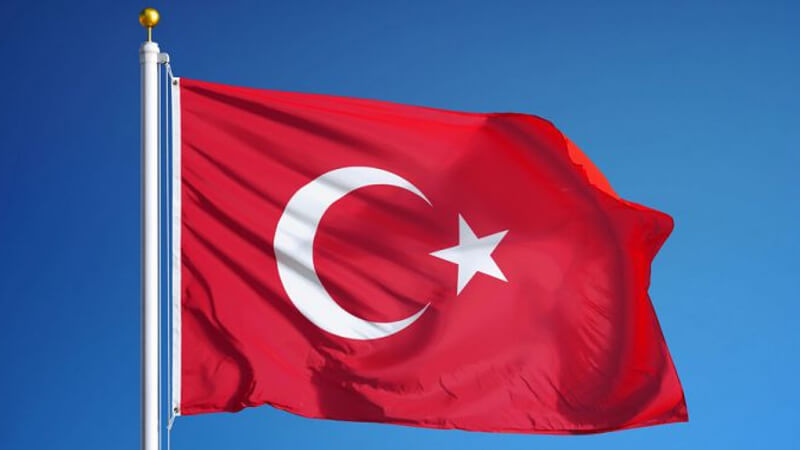
The ICJ has written to the Commissioner for Human Rights and the Rapporteurs on Turkey of the Parliamentary Assembly to alert them to the continued detention of Selahattin Demirtaş and Osman Kavala despite rulings by the European Court of Human Rights.
The International Commission of Jurists recalled that in both the Demirtaş and Kavala cases the European Court of Human Rights, in finding a violation of article 18 ECHR, determined that the detention of the applicants had been ordered in pursuance of an ulterior purpose than those allowed by article 5.1 ECHR.
That purpose was silencing of human rights and other activists, stifling pluralism and limiting freedom of political debate and utilizing pre-trial detention as a method of arbitrary punishment.
The Turkish government is however not releasing the applicants on the ground that the Chamber judgments have not yet become final.
Meanwhile, the authorities have initiated new investigations against both Demirtas and Kavala, and issued new detention orders on similar though not identical charges as those reviewed in the Court’s judgments, with the apparent intent not to implement the ECtHR judgments.
The ICJ considers that these developments may be seen as integral to the ulterior purpose identified by the Court in its Kavala and Demirtaş decisions. Under these conditions, both Kavala and Demirtaş may expect their arbitrary detention to be continued for an unlimited period of time through arrest orders based on fabricated investigations.
The ICJ further reiterated the importance of enabling access to alternatives to detention for all pre-trial detainees who may be at risk because of COVID-19 if they do not pose a current threat to public safety, regardless of the nature of the offences with which they have been charged. It stressed that, since Mr. Demirtaş and Kavala, along with many politicians and human rights defenders accused of security related offences in Turkey, do not pose a threat to public safety, they should be released as soon as possible.
ICJ-Letter-DemirtasKavala-PACERapporteurs-2020-eng (download the letter to the PACE Rapporteurs)
ICJ-Letter-KavalaDemirtas-CommissionerHR-2020-eng (download the letter to the Commissioner for Human Rights)

May 11, 2020
The ICJ called today on the Ukrainian authorities to take urgent measures to ensure that lawyers in Ukraine are able to work in an atmosphere free of threat, harassment or any other improper interference.
An ICJ mission report published today, Between the Rock and the Anvil: Lawyers under Attack in Ukraine, documents an alarming level of violence against Ukrainian lawyers relating to their work, and makes recommendations to the Ukrainian authorities to better uphold the security and independence of lawyers, and ensure that they are able to protect human rights.
“While the ICJ notes repeated attempts to the reform the justice system, it is highly alarming that lawyers continue to be subjected to attacks, including murder and physical abuse,” said Temur Shakirov, ICJ Senior Legal Adviser for the Europe and Central Asia Programme.
“Lawyers must be able to work in an atmosphere free of fear of reprisal for their work in defence of their clients, as required by international human rights law and international standards on the role of lawyers,” he added.
The ICJ report finds that the security of lawyers and their ability to protect the rights of their clients are under constant threat in Ukraine.
In particular, lawyers who work on politically sensitive cases or in the conflict zone face risks of attacks and harassment.
Lawyers who are subject to such attacks do not have access to effective legal remedies against the interference with their work. Even in case of killings of lawyers, the perpetrators have not been brought to justice.
The report also analyses the institutional organization and self-governance of the legal profession, the disciplinary procedure, the persecution of lawyers through legal mechanisms and the problems lawyers face in protecting human rights.
The report notes some positive developments in Ukraine, including the independence of the Ukrainian National Bar Association, as an important achievement.
“Despite recent reforms Ukraine has not yet become free from the pattern of having ‘good laws and poor practice’, which often renders the justice system dysfunctional, and undermines reforms,” Shakirov said.
“As it is possible that Ukraine may experience another whirlwind of reforms, the risk of the legislative initiatives which may aim or result in undermining the security and independence of the legal profession remains,” he added.
The report makes comprehensive recommendations for addressing the problems of attacks and harassment of lawyers and taking measures as a matter of urgency. Among the measures, the ICJ recommends measures to ensure that:
- The independence and role of lawyers is respected by all State institutions: the executive, legislative and the judiciary, by all other public authorities including law enforcement authorities, and by all participants in legal proceedings;
- Sufficient staff with adequate professional training and capacity to be able to ensure safety and security in courts is provided;
- Relevant law enforcement agencies investigate promptly and effectively all killings and attacks on lawyers with the aim of identifying those responsible and bringing them to justice in proceedings which fully respect international fair trial standards.
Background:
The report is based on research and analysis of Ukrainian law in light of international law and standards as well as the findings and conclusions of an ICJ mission (2019) to Ukraine to assess the situation of security and independence of lawyers. During the mission, the ICJ met with a range of relevant actors-individual lawyers and legal experts, non-governmental and State representatives, human rights defenders and journalists who cover legal issues.
Download:
Ukraine-Between the rock and the anvil-Publications-Reports-Mission report-2020-ENG (Report in English, PDF)
Ukraine-Lawyers under attack report-News-press releases-2020-UKR (News story in Ukrainian, PDF)
Ukraine-Between the rock and the anvil-Publications-Reports-Mission report-2020-UKR (Report in Ukrainian, PDF)
Ukraine-Between the rock and the anvil-Publications-Reports-Mission report-2020-RUS (Report in Russian, PDF)
May 1, 2020 | Адвокаси
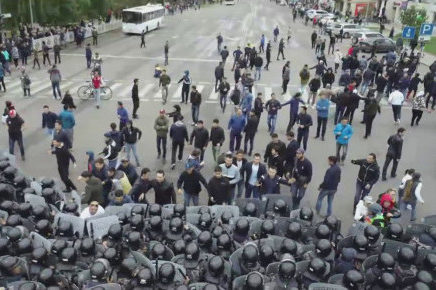
Сегодня Международная комиссия юристов (МКЮ) совместно с Институтом по правам человека Международной ассоциации юристов (IBAHRI) и Центром по гражданским и политическим правам (Центр CCPR) опубликовали юридическое заключение комиссара МКЮ, профессора Сары Кливленд по вопросу о соответствии проекта закона Казахстана о порядке организации и проведения мирных собраний международным обязательствам Казахстана в области прав человека.
«Чрезмерные ограничения в отношении свободы мирных собраний в Казахстане на протяжении вот уже многих лет становятся предметом серьезной озабоченности Комитета по правам человека ООН, Венецианской комиссии Совета Европы и других органов по правам человека, – отметила Сара Кливленд. – Сейчас у Казахстана есть хорошая возможность привести свое законодательство в соответствие с его международно-правовыми обязательствами в области прав человека, однако рассматриваемый законопроект не способствует достижению этой цели».
Автор Мнения приходит к выводу о том, что предложенный законопроект предусматривает целый ряд ограничений в отношении свободы собраний, которые фундаментально не соответствуют обязательствам Казахстана в области прав человека, в том числе: (1) чрезмерные требования к уведомлению и согласованию; (2) чрезмерные полномочия для запрета собрания; (3) запрет спонтанных собраний; (4) ограничение проведения собраний «специализированными местами»; (5) преференциальный режим для собраний, организуемых правительством; (6) запрет иностранцам, беженцам и лицам без гражданства организовывать или участвовать в собраниях, (7) чрезмерные обязанности организаторов и участников; и (8) чрезмерные санкции в отношении организаторов и участников. Время и процедура принятия закона, который самым фундаментальным образом затрагивает соответствие внутреннего законодательства основным обязательствам в области прав человека, сами по себе вызывают серьезную озабоченность относительно соблюдения прав человека, принимая во внимание ограниченные возможности организаций гражданского общества и общественности в целом участвовать в активных публичных обсуждениях этого законопроекта в условиях карантина.
В свете этой серьезной озабоченности относительно соблюдения прав человека IBAHRI, МКЮ и Центр CCPR призывают Сенат и(или) Президента Республики Казахстан приостановить рассмотрение законопроекта и запросить рекомендации Панели экспертов БДИПЧ ОБСЕ по свободе собраний и ассоциаций, Управления Верховного комиссара ООН по правам человека и(или) Венецианской комиссии по вопросу о том, как настоящий закон о свободе мирных собраний может быть пересмотрен в соответствии с международными обязательствами Казахстана в области прав человека.
Kazakhstan-Assembly Law Opinion-Advocacy-2020-RUS
May 1, 2020 | Advocacy
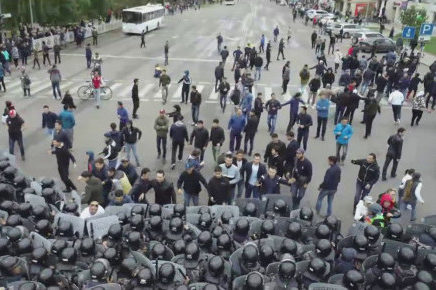
The ICJ, the International Bar Association’s Human Rights Institute (IBAHRI), and the Centre for Civil and Political Rights (CCPR Centre) today published a legal opinion by ICJ Commissioner Professor Sarah Cleveland, on compliance of Kazakhstan’s Draft Law on the Procedure for Organising and Holding Peaceful Assemblies, with the Republic of Kazakhstan’s international human rights obligations.
“Excessive restrictions on freedom of peaceful assembly in Kazakhstan have been of significant concern to the UN Human Rights Committee, the Venice Commission of the Council of Europe, and other human rights bodies for many years,” said Sarah Cleveland.
“Kazakhstan now has an important opportunity to bring its law into compliance with its international human rights obligations, but the draft law currently being considered does not achieve this.”
The Opinion finds that the proposed legislation includes of number of restrictions on freedom of assembly that are fundamentally contrary to Kazakhstan’s human rights obligations, including (1) excessive notification and approval requirements; (2) excessive authority to ban an assembly; (3) a prohibition on spontaneous assemblies; (4) restriction of assemblies to specific locations; (5) preferential treatment for assemblies organized by the government; (6) a prohibition against foreigners, refugees, stateless persons from organizing or participating in assemblies, (7) excessive obligations on organizers and participants; and (8) excessive sanctions for organizers and participants. The timing and process for adopting a law that so fundamentally impacts domestic compliance with core human rights obligations itself raises serious human rights concerns, given the limited ability of civil society organizations and the general public to participate in a robust public debate regarding the law during the quarantine.
In light of these serious human rights concerns, the IBAHRI, the ICJ and the CCPR Centre urge the Senate and/or the President of the Republic of Kazakhstan to halt consideration of the Draft Law, and to seek guidance from the OSCE/ODIHR Panel of Experts on Freedom of Assembly and Association, the Office of UN High Commissioner on Human Rights, and/or the Venice Commission regarding how the current law on freedom of peaceful assembly might be revised consistent with Kazakhstan’s international human rights obligations.
Kazakhstan-Assembly Law Opinion-Advocacy-2020-ENG (full text in PDF)

Apr 22, 2020 | Адвокаси, Неюридические заявления
По итогам консультации с участниками Регионального форума адвокатов, который прошел в Душанбе, Международная комиссия юристов (МКЮ) опубликовала рекомендации о независимости юридической профессии и роли адвокатов в системах правосудия государств Центральной Азии.
Данные рекомендации обращают внимание государственных и негосударственных субъектов в странах Центральной Азии на экстренную необходимость обеспечить – как на уровне закона, так и на практике – независимость профессиональных адвокатских объединений и индивидуальных адвокатов.
«Адвокаты играют решающую роль с точки зрения укрепления верховенства закона и защиты прав человека в судебных системах во всем мире, в том числе в странах Центральной Азии, – отметил Тимур Шакиров, старший правовой советник МКЮ. – Мы надеемся, что данные рекомендации, сделанные по итогам консультаций и основанные на международном праве и стандартах, касающихся роли юристов, будут способствовать усилению независимости адвокатов и адвокатских ассоциаций в Центральной Азии».
Помимо самих сообществ адвокатов, данные рекомендации предназначены профессиональным объединениям адвокатов, парламентам и правительствам, в особенности министерствам юстиции, которые в некоторых странах Центральной Азии все еще пользуются формальным и неформальным влиянием на национальные коллегии адвокатов, в том числе контролируют доступ к профессии и дисциплинарное производство в отношении адвокатов. «МКЮ призывает указанные институты безотлагательно принять эффективные правовые и практические меры с тем, чтобы обеспечить способность адвокатов выполнять свои профессиональные обязанности в атмосфере, свободной от любых форм ненадлежащего влияния, будь то институционального или личного, во всех странах Центральной Азии», – добавил Шакиров.
Справочная информация:
9 ноября 2018 г. МКЮ провела Региональный форум «Независимость юридической профессии и роль адвокатов в судебных системах государств Центральной Азии» в Душанбе (Таджикистан) [https://www.icj.org/tajikistan-regional-conference-on-the-role-and-protection-of-lawyers/]. Данный форум стал первым региональным мероприятием, проведенным Союзом адвокатов Таджикистана – профессиональной ассоциацией адвокатов, которая была создана в 2014 г. В форуме приняли участие представители национальных адвокатских ассоциаций Республики Казахстан, Кыргызской Республики, Республики Таджикистан и Республики Узбекистан. В организации данного мероприятия также принимал участие Центр исследования правовой политики – аналитический центр из Алматы, Казахстан, который работает над вопросами реформы юридической профессии в регионе.
Участники Форума обратили внимание на непрерывные и возобновляющиеся попытки подорвать независимость профессиональных ассоциаций адвокатов в странах Центральной Азии, в том числе случаи целенаправленного лишения статуса и преследования отдельных адвокатов за выполнение ими профессиональных обязанностей в отношении доверителей. Участники также обсудили формирующуюся практику создания специализированных органов по защите прав адвокатов под эгидой профессиональных адвокатских ассоциаций, призванных противодействовать отрицательным тенденциям в странах Центральной Азии, которые посягают на интересы юридической профессии.
полный текст в формате PDF: Central Asia-Recommendations-Advocacy-2020-RUS