Sep 30, 2019 | Agendas, Events, Uncategorized
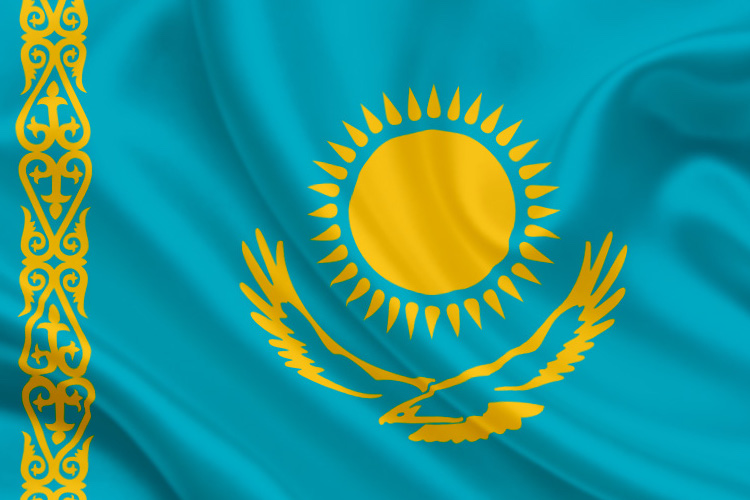
Today, in the framework of the EU funded project “Enhancing legal protection of migrants rights in Kazakhstan”, the Legal and Policy Resource Center (LPRC) and the ICJ began a series of three trainings linked to this issue for lawyers and civil society organizations.
Three two-day trainings on “International and national Law on the protection of migrants in legal practice” will take place from 30 September to 5 October in Nur-Sultan, Shymkent and Almaty.
The trainings will address international and national law and standards relevant to the protection of the rights of migrants, including in situations of expulsion and detention, as well as with regard to the respect, protection and fulfilment of their economic, social and cultural rights.
During the trainings, 100 attorneys and lawyers of non-governmental organizations from 10 regions of Kazakhstan will be trained.
Kazakhstan-Training-Agenda-MigrationIHRL-NurSultan-2019-engrus (download the agenda of the Nur Sultan training in Russian and English)
Kazakhstan-Training-Agenda-MigrationIHRL-Shymkent-2019-engrus (download the agenda of the Shymkent training in Russian and English)
Kazakhstan-Training-Agenda-MigrationIHRL-Almaty-2019-engrus (download the agenda of the Almaty training in Russian and English)
Sep 29, 2019 | News
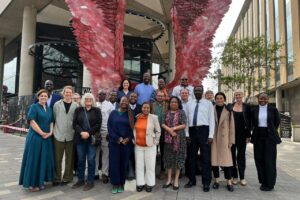
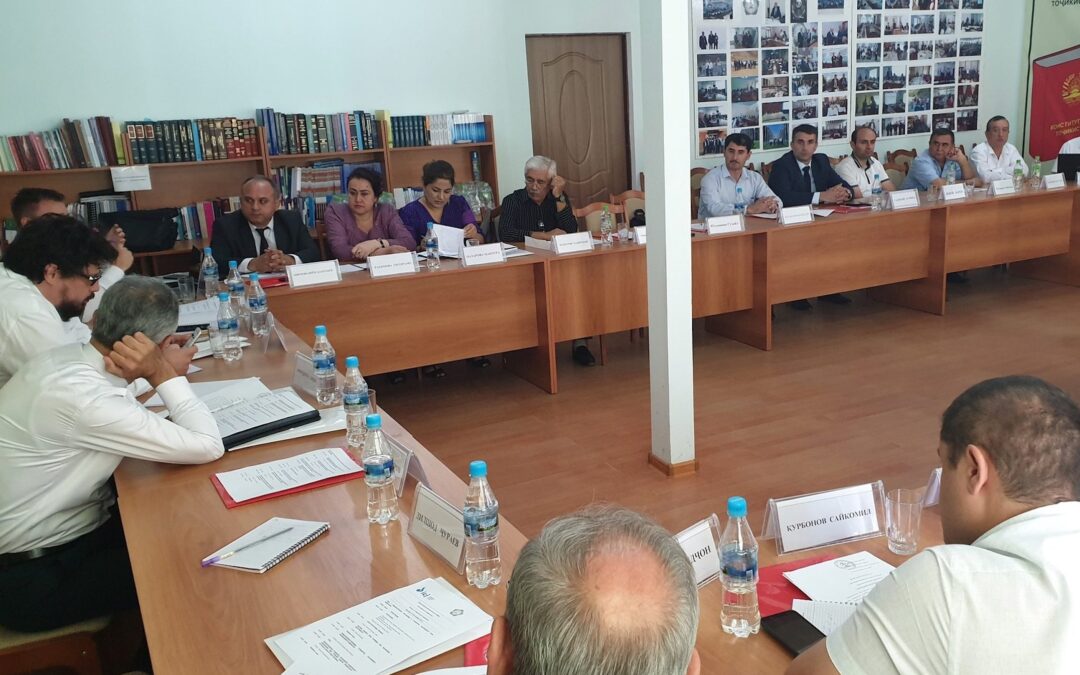
On September 27-28, the International Commission of Jurists (ICJ), in cooperation with the Union of Lawyers of the Republic of Tajikistan, held a training on protecting the rights of lawyers and guarantees of the legal profession as well as the role of the Bar Association in protecting its members.
Around thirty lawyers from all regions of the Tajikistan took part in the training. Over two days lawyers discussed effective use of international mechanisms and international law and standards related to the protection of the rights of lawyers.
Particular attention was paid to the organization, functioning and role of the Commission for the Protection of the Professional Rights of Lawyers of the Union of Lawyers of the Republic of Tajikistan.
The event was attended by members of the Commission who had an opportunity to discuss the role and the effective work of this specialized body on protection of lawyers.
The Committee on the protection of the rights of lawyers of the Ukrainian National Bar Association delegated its members to the event to share their best practices and recommendations to overcome the challenges which arise in the work of these bodies.

Sep 27, 2019 | News
On 27 September, the Nederlands Juristen Comité voor de Mensenrechten (NJCM) and the ICJ held a a closed-door roundtable discussion in the Hague on investigative procedures and procedural rights in counter terrorism: implementing the EU Directive 2017/541 on combating terrorism. The discussion took place in the framework of the EU funded project “Judges Uniting to Stop Terrorism with International, Constitutional and European law (JUSTICE) project”.
Judges, prosecutors and lawyers from 11 EU countries shared their practices and experiences in the application of the investigative procedures and procedural rights related to the prosecution of the criminal offences enshrined in the EU Directive 2017/541 on combating terrorism within the different legal systems of the European Union (EU).
The discussion focused on investigative powers, evidence gathering, pre-trial detention, cross border cooperation and the European Arrest Warrant. These practices were assessed in light of international human rights law principles in order to identify best practices that could be promoted throughout the EU.
This is the second out of four roundtables organized within this project between April and November 2019 by the ICJ and partners.
See the agenda here.
Sep 26, 2019 | Events, News
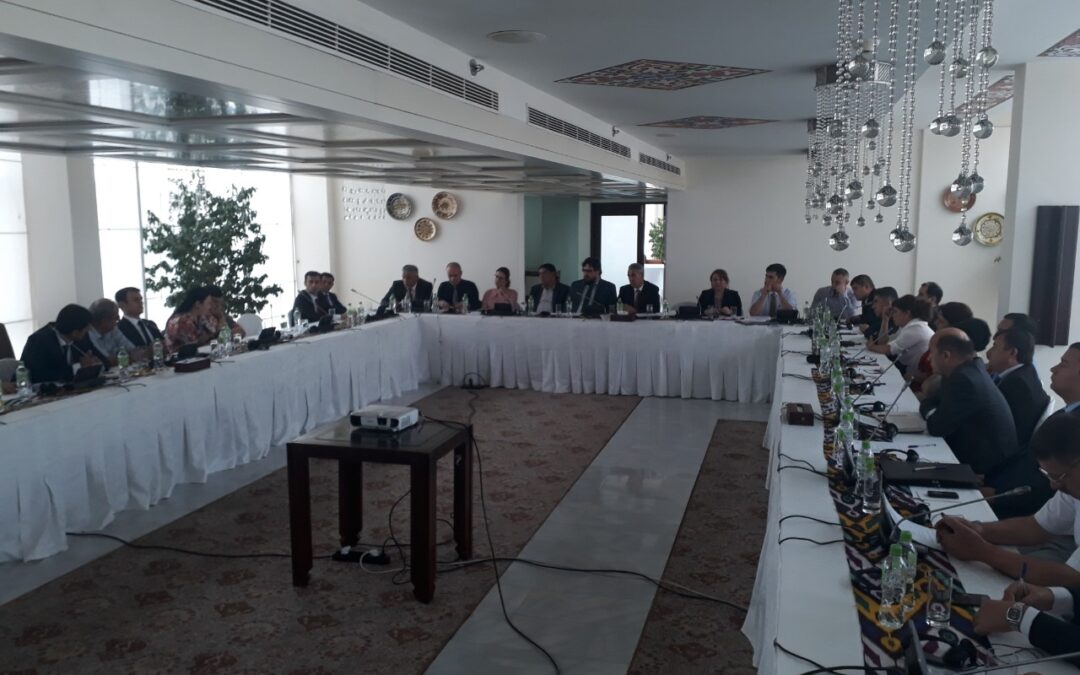
Today, the International Commission of Jurists (ICJ) in cooperation with the Civil Society Coalition Against Torture and Impunity in Tajikistan and the Union of Lawyers of the Republic of Tajikistan hold the final event within the framework of its Global redress and accountability initiative.
This event presents an opportunity to discuss measures to prevent impunity and ensure accountability for the use of torture and cruel, inhuman and degrading treatment (CIDT) in Tajikistan.
The findings of the research on the key challenges for effective investigation of torture and CIDT, carried out by the Coalition Against Torture under the initiative, will be presented at the event. The ICJ will launch its compilation of the cases decided by the UN Human Rights Committee concerning allegations of torture in Tajikistan.
Background information:
The ICJ’s Global redress and accountability initiative focused on seven countries (Cambodia, Mozambique, Myanmar, Nepal, Tajikistan, Tunisia and Venezuela) and it aimed to combat impunity and promote redress for gross human rights violations.
It concentrates on the transformative role of the law, justice mechanisms and justice actors, seeking to achieve greater adherence of national legal and institutional frameworks with international law and standards so as to allow for effective redress and accountability; more independent justice mechanisms capable of dealing with challenges of impunity and access to redress; and judges, lawyers, human rights defenders, victims and their representatives that are better equipped to demand and deliver truth, justice and reparation.
Agenda here.
Sep 24, 2019 | Events, News
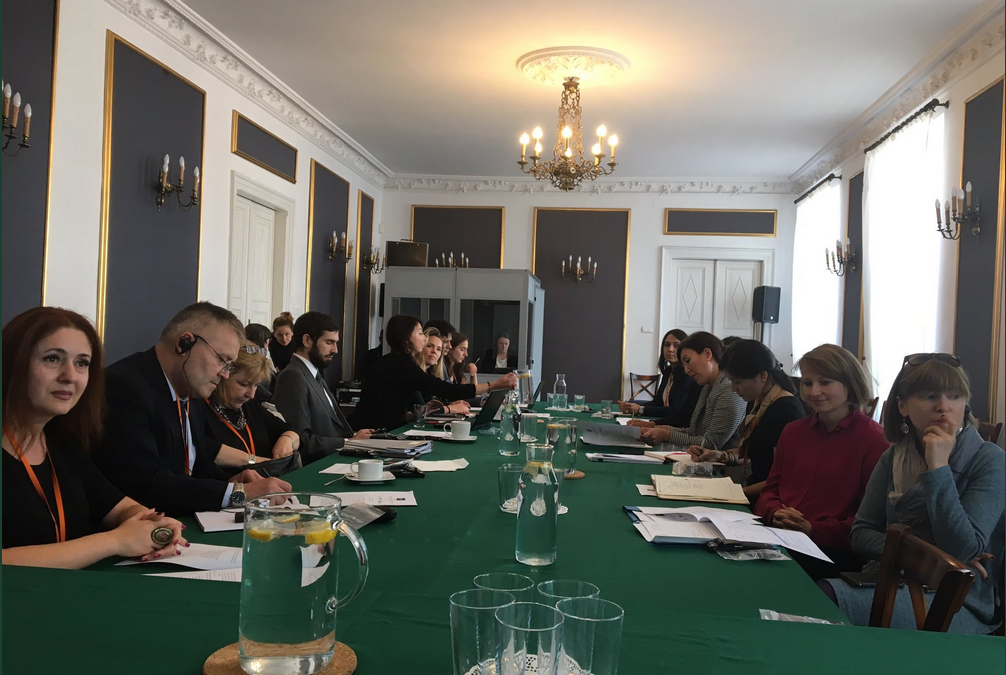
The ICJ in cooperation with a number of other leading international NGOs has organised a discussion on key challenges and opportunities for the legal profession in a number of CIS countries. The discussion aimed to share the experience of bar associations in achieving greater independence from the governmental authorities and any other undue influences.
The participants have shared their legislation and practices, specific challenges and lessons learned in taking steps to achieve institutional sustainability and independence to date, and opportunities for the legal profession, domestically and in coordination with other associations and international NGOs, to raise awareness and build legal and practical framework to enable a stronger institutional capacity and independent functioning. In addition, the ICJ, ABA, IBA, Lawyers for Lawyers, representatives of bar associations and legal experts have discussed what steps should be taken to support these efforts.