Nov 20, 2018
The ICJ said today that the Nepal Army’s petition before the Supreme Court seeking to overturn convictions of soldiers for the 2004 killing of 14-year-old Maina Sunuwar was riddled with legal flaws. Its success would be a blow to the fight against impunity in Nepal.
On the 12th Anniversary of the signing of the Comprehensive Peace Agreement (CPA), the ICJ released an analysis of the Nepal Army’s legal arguments in the petition to upend the convictions issued by the Kavrepalanchowk District Court for the killing Maina Sunuwar while in Army custody.
“The Nepal Army has sought to overturn the convictions of Maina’s killers by putting forth specious legal arguments that do not hold up under Nepali or international law, or in light of the past decisions of the Supreme Court,” said Frederick Rawski, ICJ Asia Pacific Director.
In the legal briefing, the ICJ sets out (i) Nepal’s obligations under international law and the Nepal Supreme Court’s jurisprudence to investigate and prosecute perpetrators of human rights violations; (ii) the impropriety of jurisdiction by a military court-martial in cases of serious human rights violations; and (iii) refutes the argument that the convictions violated principles of ‘double jeopardy’.
The briefing sets out international law and jurisprudence establishing the Government’s duty to prosecute serious human rights violations as distinct and separate from its obligation to establish the truth, including as part of a transitional justice process.
The briefing comes at a moment when the future of justice for conflict era crimes and human rights violations in Nepal is uncertain.
In July, a draft bill amending the existing legislative framework governing the transitional justice process was criticized by civil society, victim groups and human rights organizations – including in a joint analysis by the ICJ, Amnesty International and Trial International.
While a government panel elicited comments at consultations with victims and civil society, the government never produced a revised draft or conducted follow-up.
“How can the people of Nepal, and particularly conflict victims, have faith in government proposals to press forward on transitional justice when the Nepal Army continues to fight even minimal accountability with disingenuous legal arguments, such as in the case of Maina Sunuwar?” said Rawski.
“The foundation for any process moving forward must be the best interests of victims, a commitment to accountability, and respect for international human rights obligations. This has been affirmed many times over by the Supreme Court,” he added.
Contact
Frederick Rawski, ICJ Asia Pacific Director, t: +66 64 478 1121 ; e: frederick.rawski@icj.org
Background
Maina Sunuwar was subjected to enforced disappearance, torture and unlawful killing after a covert military operation, which included the involvement of then captain Niranjan Basnet on 17 February 2004.
The military refused to acknowledge Maina’s detention for many months.
After overcoming a number of procedural and political hurdles stretching over years, on 16 April 2017, the Kavre District Court sentenced three retired army officers to life imprisonment for Maina Sunuwar’s murder.
In September 2017, the Nepal Army filed a writ petition in the Supreme Court challenging the decision of the Kavre Court on several grounds, including that military courts had proper jurisdiction over the original case, that the District Court convictions violated the principle of ‘double jeopardy’ because the defendants had already been tried by a court-martial, and that the court system no longer had jurisdiction over conflict-related cases following the establishment of transitional justice institutions.
Nepal-Petition to overturn convictions for Maina Sunuwar killing-Advocacy-Analysis brief-2018-ENG (Full Analysis brief, in PDF)
Nov 16, 2018 | Новости, Статьи
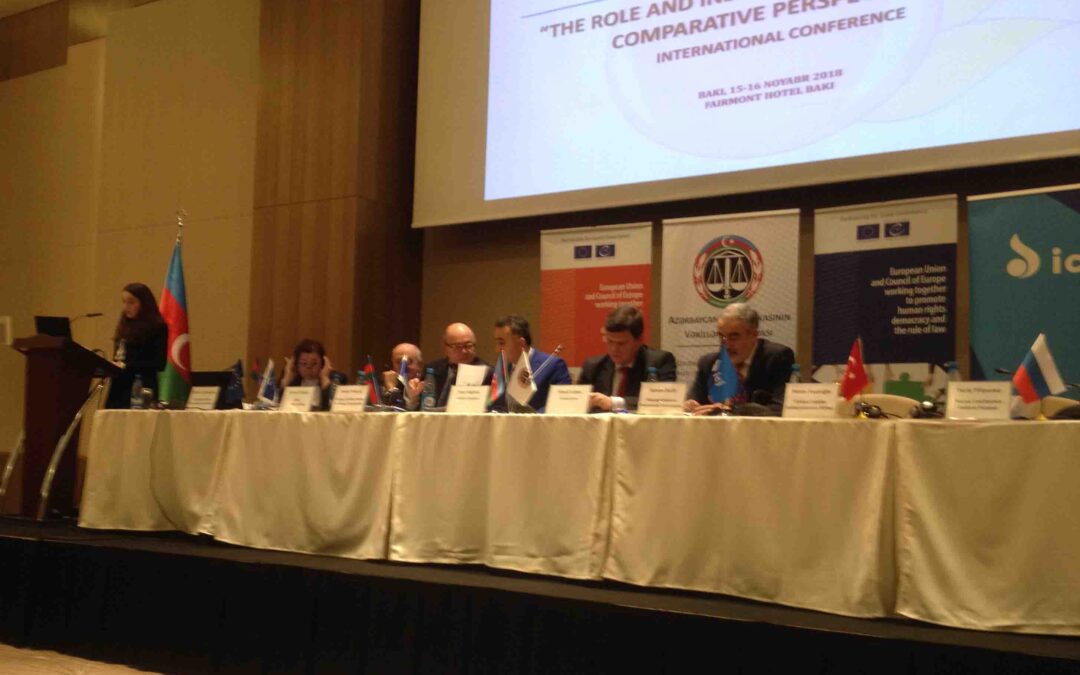
15 и 16 ноября МКЮ совместно с Советом Европы (СЕ) и Коллегией адвокатов Азербайджана (КА) проводит в Баку международную конференцию, посвященную «роли и независимости адвокатов: сравнительные подходы».
Данная конференция является первым мероприятием, посвященным роли и независимости адвокатуры, которая организуется в стране. В рамках конференции международные эксперты и представители адвокатских ассоциаций целого ряда стран, в том числе Совета Европы и Центральной Азии, а также представители международных организаций, обсудят сравнительные подходы к управлению адвокатурой и ее роли.
В рамках выступлений будут освещены различные взгляды на те требования и условия, которым должны соответствовать адвокаты при выполнении своей профессиональной обязанности по защите прав человека в отношении доверителей.
В частности, участники Конференции рассмотрят вопрос об организации и управлении адвокатурой, адвокатской этике и аттестации адвокатов.
Контакты:
Тимур Шакиров, старший правовой советник, Программа по Европе и Центральной Азии
temur.shakirov(a)icj.org
Azerbaijan-Conference Independence Lawyers-News-Agenda-2018-RUS
Azerbaijan-Conference Independence lawyers-News-Agenda-2018-AZE
Прямая трансляция: https://www.youtube.com/watch?v=POVlaKXjUrg&feature=youtu.be
Nov 16, 2018 | News
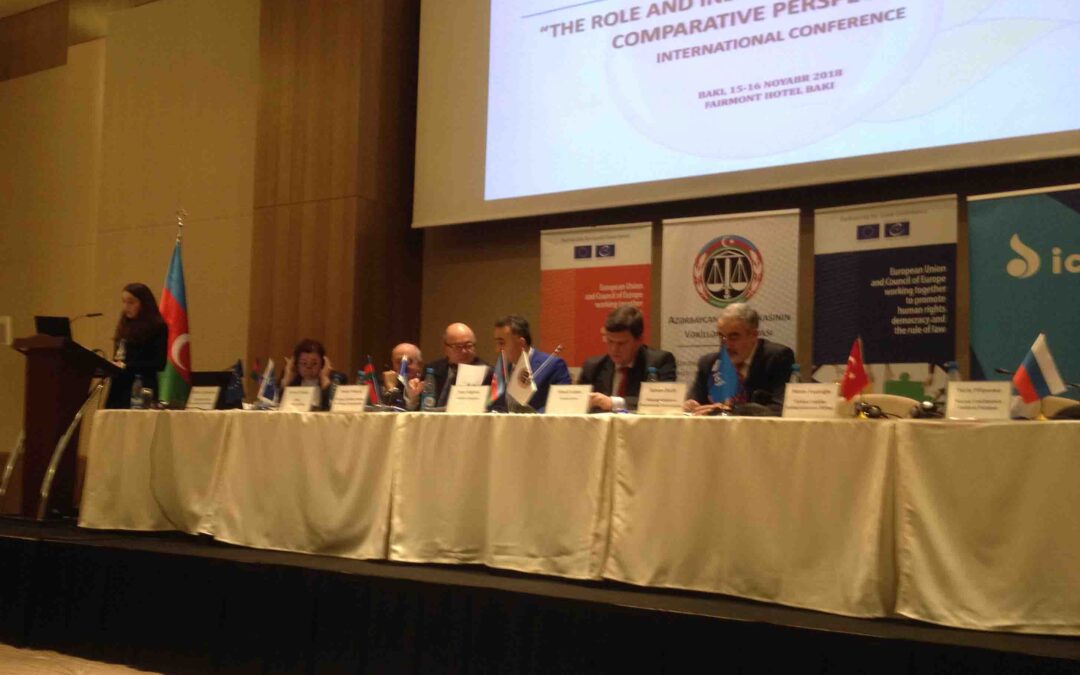
On 15 and 16 November, the ICJ, jointly with the Council of Europe (CoE) and the Azerbaijan Bar Association (ABA), is holding an international conference in Baku on “the Role and Independence of Lawyers: comparative perspectives”.
The conference, which is the first such event on the role and independence of the legal profession organized in the country, aims to bring together perspectives on the governance and role of the legal profession from international experts and representatives of bar associations from a wide range of countries, including the Council of Europe countries, Central Asian as well as representatives of international organizations.
The interventions provide a comparative view on the conditions and requirements that lawyers should comply with while carrying out their professional duty of protection of human rights of their clients.
Participants of the Conference will address in particular the organization and governance of the legal profession, lawyers’ ethics and qualification of lawyers.
Contact:
Temur Shakirov, Senior Legal Adviser, Europe and Central Asia Programme, temur.shakirov@icj.org
Live cast: https://youtu.be/POVlaKXjUrg
Azerbaijan-Conference Independence Lawyers-News-Agenda-2018-ENG (Agenda of the Conference, in PDF)
Nov 14, 2018 | Advocacy, Cases, Legal submissions
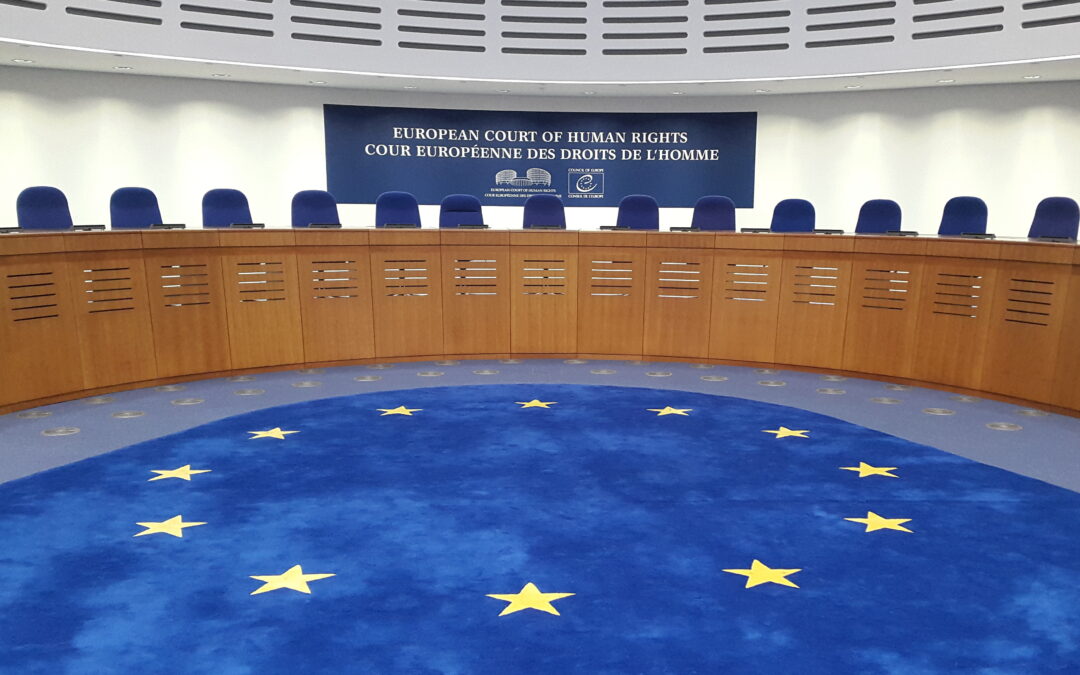
The ICJ intervened today before the European Court of Human Rights in the cases of a judge and a scholar that were arrested in the wake of the state of emergency in Turkey.
Mr Hakan Baş is a judge who was dismissed and arrested under emergency legislation following the attempted coup of 15 July 2016.
Mr Seyit Ali Ablak is a teacher and was arrested in 2017 also during the state of emergency declared following the attempted coup.
They claim, among others, the violation of their right to a judicial review of detention under articles 5.3 and 5.4 of the European Convention on Human Rights (ECHR).
In this intervention, the ICJ addressed the following issues:
- the international legal and normative framework on the independence of the judiciary and the role of judges, in particular in implementation of obligations under articles 5.3 and 5.4 ECHR;
- the current situation of the independence, governance and administration of the judiciary in Turkey, with particular regard to the Council of Judges and Prosecutors and the role of the peace judges, and their conformity with State obligations under articles 5.3 and 5.4 ECHR. The situation will be assessed with reference to the findings of an ICJ mission undertaken in May 2018 and contained in the mission report Justice Suspended.
Turkey-icj-Bas-Advocacy-legal submission-2018-ENG (download the intervention in Baş v. Turkey)
Turkey-icj-Ablak-Advocacy-legal submission-2018-ENG (download the intervention in Ablak v. Turkey)
Nov 9, 2018 | News
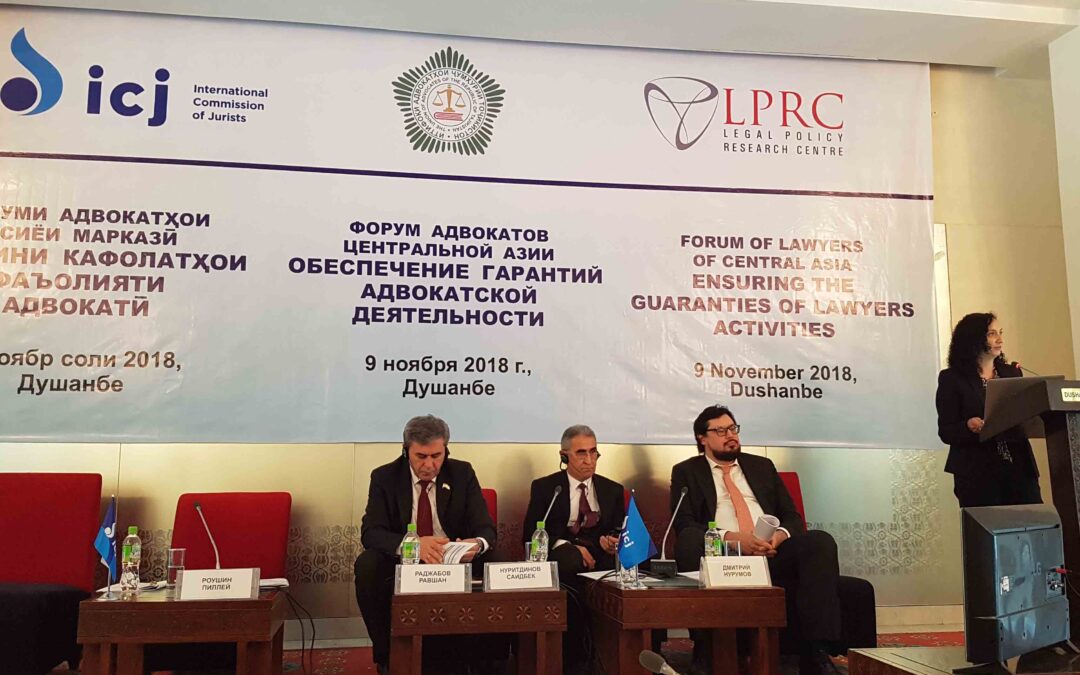
Today the ICJ, in co-operation with the Legal Policy Research Centre and the Union of Lawyers of Tajikistan, is holding a regional conference on the independence and role of lawyers, in Dushanbe.
Lawyers from Tajikistan as well as other countries of Central Asia, the Commonwealth of Independent States and Europe will discuss the legal safeguards that should apply to lawyers to ensure that they can defend the human rights of their clients and the role of bar associations in protecting the security and independence of lawyers.
They will consider the role of committees to protect the rights of lawyers, which have been established within the bar associations of several countries in the region, and how these specialized bodies can work most effectively.
A set of recommendations on the protection of lawyers in the region will be produced following the conference.
Contact:
Temur Shakirov, Senior Legal Advisor, Europe and Central Asia Programme, temur.shakirov(a)icj.org
Tajikistan-Lawyers Conference-News-Agenda-2018-ENG (Agenda, in PDF)