Feb 27, 2015 | Eventos, Noticias
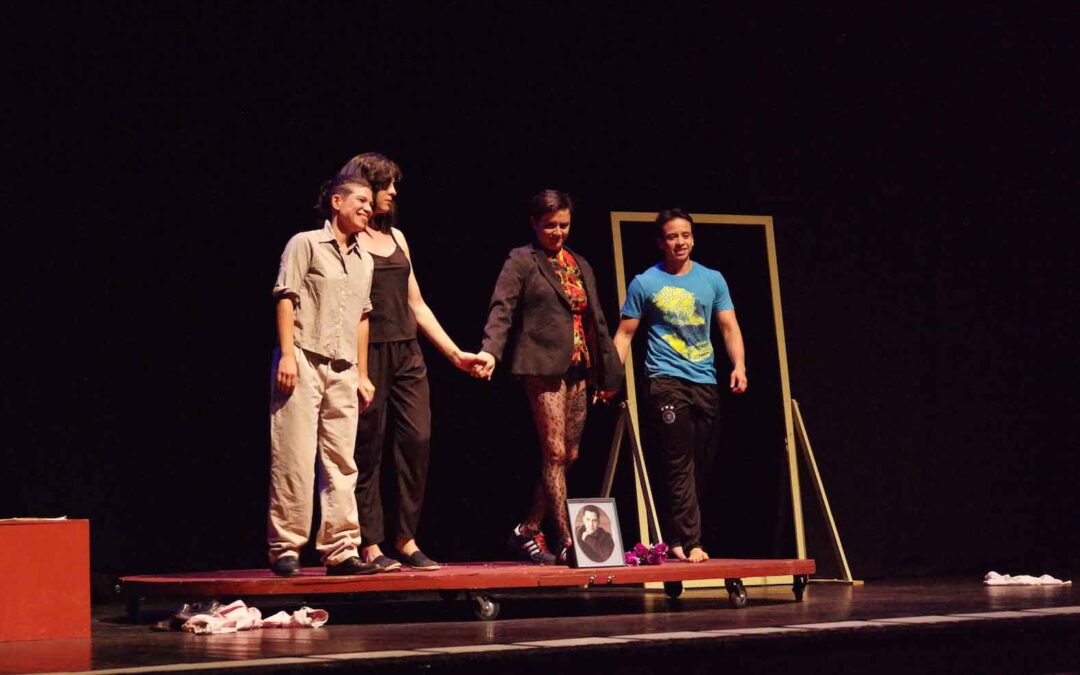
Presentación de la obra de teatro DESIDENCIAS y debate. Este es el primer evento de esta indóle que la CIJ lleva a cabo a favor de la promoción de los derechos humanos de las personas LGBTI en Guatemala.
La CIJ en asocio con la Oficina del Alto Comsionado de las Naciones Unidas para los Derechos Humanos en Guatemala (OACNUDH), el Programa Conjunto de las Naciones Unidas sobre el VIH/SIDA (ONSIDA), la Procuraduría para la Defensa de los Derechos Humanos (PDH) y con la colaboración de OASIS, llevó a cabo la presentación de la Obra DESIDENCIAS de la Colectiva Siluetas y la entrega de la Guía para profesionales del CIJ sobre orientación sexual, identidad de género y Derecho Internacional de los Derechos Humanos.
A la actividad asistieron más de 250 personas de diferentes organizaciones de la sociedad civil, operadores de justicia, estudiantes universitarios y público en general.
La Colectiva Siluetas inció a mediadios del año 2001 y actualmente la intergran tres guatemaltecas: Camilia Urrutia, Tatiana Palomo y Lu Robles y, la salvadoreña, Laia Cañénguez. La puesta en escena de la Obra DESIDENCIAS estuvo a cargo de Camila Urrutia, Laia Ribera, Lola Vásquez y Gabriel Álvarez, actrices lesbianas, transgénero y transexuales.
La obra expone muchos tabús dentro de la sociedad guatemalteca sobre la identidad sexual y la orientación de género.
La CIJ impulsará nuevas acciones para la promoción de la no discriminación y del derecho a la igualdad así como de otros estándares internacionales a favor de las personas LGBTI en Guatemala.
Feb 27, 2015 | Events, News
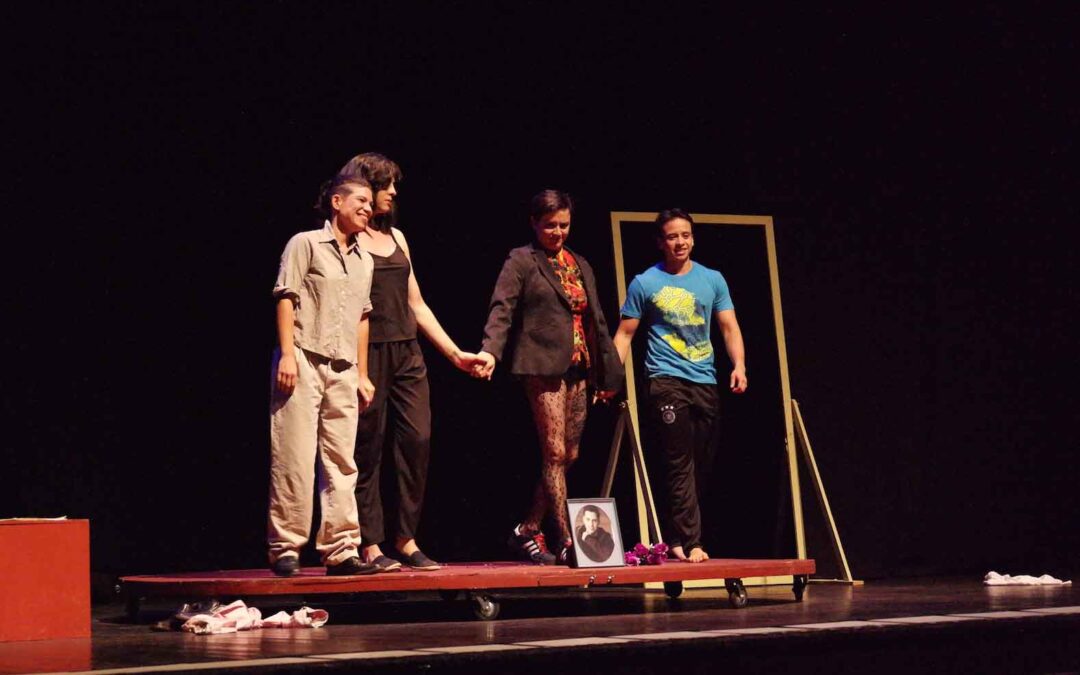
Presentación de la obra de teatro DESIDENCIAS y debate. Este es el primer evento de esta indóle que la CIJ lleva a cabo a favor de la promoción de los derechos humanos de las personas LGBTI en Guatemala.
La CIJ en asocio con la Oficina del Alto Comsionado de las Naciones Unidas para los Derechos Humanos en Guatemala (OACNUDH), el Programa Conjunto de las Naciones Unidas sobre el VIH/SIDA (ONSIDA), la Procuraduría para la Defensa de los Derechos Humanos (PDH) y con la colaboración de OASIS, llevó a cabo la presentación de la Obra DESIDENCIAS de la Colectiva Siluetas y la entrega de la Guía para profesionales del CIJ sobre orientación sexual, identidad de género y Derecho Internacional de los Derechos Humanos.
A la actividad asistieron más de 250 personas de diferentes organizaciones de la sociedad civil, operadores de justicia, estudiantes universitarios y público en general.
La Colectiva Siluetas inció a mediadios del año 2001 y actualmente la intergran tres guatemaltecas: Camilia Urrutia, Tatiana Palomo y Lu Robles y, la salvadoreña, Laia Cañénguez. La puesta en escena de la Obra DESIDENCIAS estuvo a cargo de Camila Urrutia, Laia Ribera, Lola Vásquez y Gabriel Álvarez, actrices lesbianas, transgénero y transexuales.
La obra expone muchos tabús dentro de la sociedad guatemalteca sobre la identidad sexual y la orientación de género.
La CIJ impulsará nuevas acciones para la promoción de la no discriminación y del derecho a la igualdad así como de otros estándares internacionales a favor de las personas LGBTI en Guatemala.

Jan 19, 2015 | News
The investigation into the reported death of Argentinian prosecutor Alberto Nisman must be thorough, prompt and impartial, the ICJ said today.

Jan 19, 2015
Es crucial que el próximo Gobierno del Dr Tabaré Vázquez en Uruguay haga todo lo posible para revertir la parálisis en las investigaciones de derechos humanos y dé un impulso renovado a la búsqueda de los desaparecidos, dijo hoy la CIJ, al anunciar la publicación de su nuevo informe.
Jan 8, 2015 | News
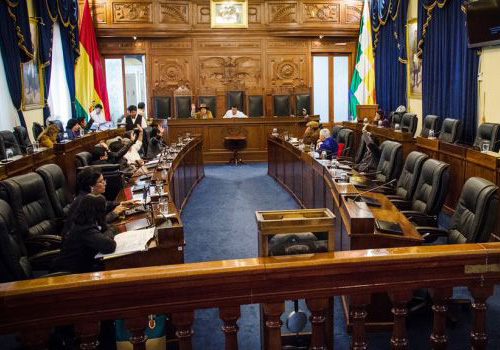
Reacting to the Bolivian Senate’s “judgment” removing Constitutional Court judge Soraida Rosario Chanez Chire from office, the ICJ condemned the proceedings as fundamentally flawed and in violation of international standards for the independence of judges.