Mar 4, 2013 | News
The ICJ expressed its concern over the criminal trial of 94 individuals, including judges, lawyers, academics, human rights defenders and civil society activists, in the State Security Chamber of the UAE Federal Supreme Court.
Following a wave of arbitrary arrests and detention, which began in March 2012, the case was referred to the Supreme Court on 27 January 2013.
“The ICJ is gravely concerned over the fairness of the upcoming proceedings, including the lack of any right of appeal, the lack of restrictions on the use of evidence obtained through torture or ill-treatment and severe restrictions imposed on the rights of the defence, in contravention of international human rights law, including the Arab Charter on Human Rights, to which the UAE is a party,” said Said Benarbia, ICJ Senior Legal Adviser of the Middle East and North Africa Programme. “Furthermore, allegations of torture and ill-treatment by detainees, including incommunicado detention, prolonged solitary confinement, sleep deprivation and verbal and physical abuse, must be promptly, impartially and thoroughly investigated.”
The ICJ further notes that there have been violations of international fair standards.
These include the failure of State authorities to formally charge defendants, severe restrictions on access to legal counsel, including during questioning and the failure to disclose case files to the defence until a few days before trial.
Until two weeks before the trial, there was a single lawyer acting for all detainees and other lawyers who tried to assist have faced harassment, including detention and deportation, the ICJ says.
The trial is part of a broader crackdown by the UAE authorities in response to a petition signed by 100 academics, legal professionals, and civil society activists, in March 2011, for political reforms and increased public participation in government.
“The ICJ condemns the use of criminal proceedings to suppress peaceful calls for increased democracy as an unlawful restriction on the right to freedom of expression,” Benarbia added. “Extending the clampdown on critics to include numerous members of the legal profession severely compromises the Rule of Law in the UAE.”
Contact:
Said Benarbia, ICJ Senior Legal Adviser of the Middle East and North Africa Programme, tel: 41 22 979 38 17, e-mail: said.benarbia(at)icj.org
Feb 1, 2013 | Communiqués de presse, Nouvelles, Publications, Rapports
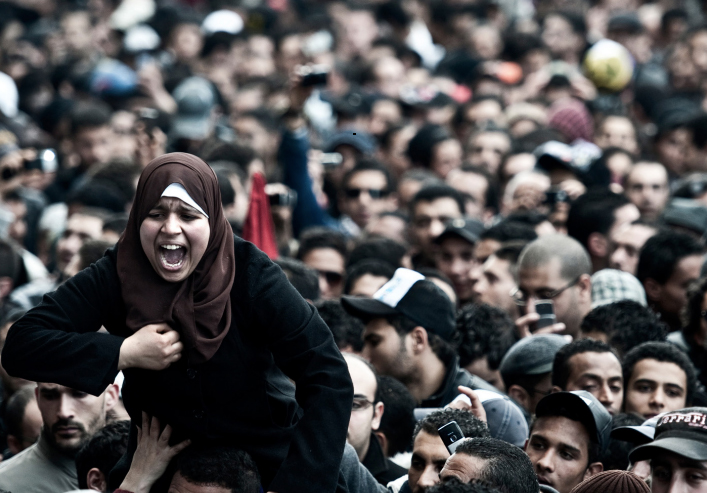
Dans un nouveau rapport, la CIJ appelle les autorités, en particulier l’Assemblée nationale constituante, à élaborer et adopter une constitution qui tienne compte de l’emsemble des points de vue du peuple tunisien et adhère aux droits et normes internationales.
Publié aujourd’hui, le rapport intitulé Renforcer l’Etat de droit et garantir les droits de l’Homme dans la Constitution – Un rapport sur le processus de réforme constitutionnelle en Tunisie.
Il analyse le processus de réforme constitutionnelle en Tunisie et propose des recommandations pour des réformes juridiques et institutionnelles visant à assurer une Constitution qui reflète le droit et les normes internationales.
Contact
Said Benarbia, Conseiller juridique à la CIJ pour le programme sur le Moyen Orient et l’Afrique du nord, m: 216 21 765 152, e-mail: said.benarbia(a)icj.org
Tunisie-Rapport Constitution-publications-2013-FRA (Rapport complet en PDF)
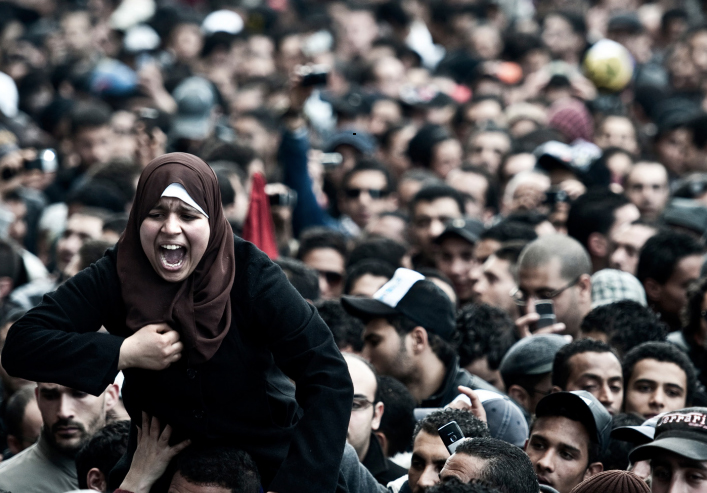
Credit photo: © Copyright Remi OCHLIK/IP3
Feb 1, 2013
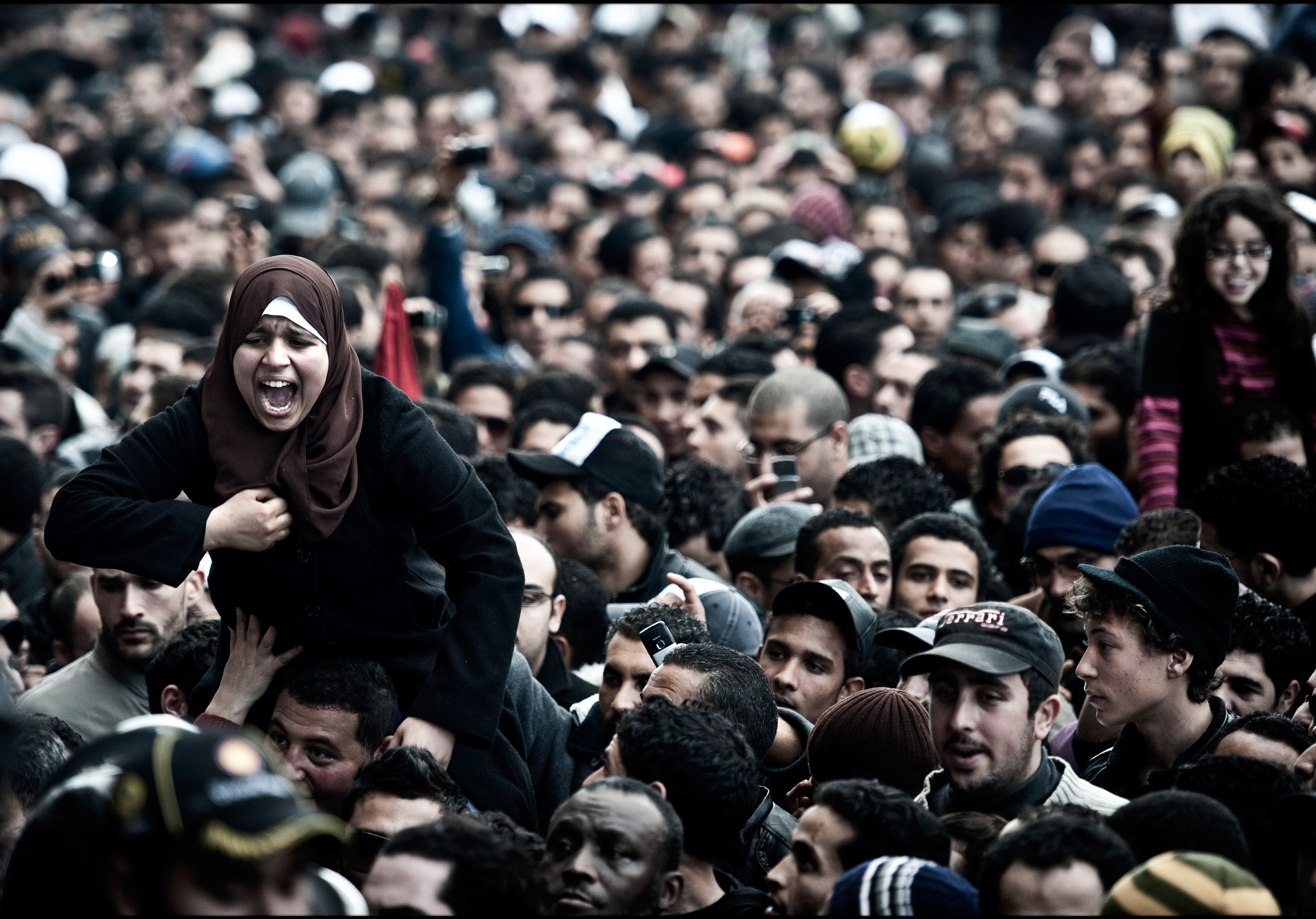 In a new report, the ICJ calls on the authorities, especially the National Constituent Assembly, to elaborate and adopt a constitution that takes account of the full range of views of the Tunisian people and adheres to international law and standards.
Released today, the report, Enhancing the Rule of Law and guaranteeing human rights in the Constitution, comes as the ICJ concludes a high-level mission to Tunisia. It analyzes the constitutional reform process in Tunisia and sets out recommendations for legal and institutional reforms aimed to ensure a Constitution that reflects international law and standards.
Through its report, the ICJ calls for the Constitution to be amended to: fully guarantee the separation of powers; ensure the accountability of the security services and armed forces and their subordination to a civilian authority; bring the judicial system in line with international standards of independence, impartiality and accountability; end the use of military courts to try civilians and cases involving human rights violations; incorporate a comprehensive Bill of Rights; recognize the right to life as an absolute right, and abolish the death penalty; and provide effective mechanisms for the protection of human rights and ensuring the right to a remedy.
“The constitution-making process has been clear, certain and transparent, representing a clean break from the practices and policies of President Ben Ali’s regime,” said Said Benarbia, ICJ Senior Legal Adviser of the Middle East and North Africa Programme. “However, while the draft Constitution broadens the separation of powers and human rights provisions of the 1959 Constitution, it should be comprehensively amended to reflect international law and standards and to meet the democratic aspirations of the Tunisian people expressed during the uprising.”
The ICJ mission (27 January – 2 February 2013), led by ICJ Commissioners Justice José Antonio Martín Pallín and Dr. Gustavo Gallón, met with the President of the NCA, Mustafa Ben Jaafar, the Minister of Human Rights and Transitional Justice, Samir Dilou, the Minister in charge of relations with the NCA, Abderrazak Kilani, the respective Presidents of the NCA Committee on Rights and Freedoms, Farida Labidi, and the Committee on Ordinary, Administrative, Financial and Constitutional Justice, Fadhel Moussa, as well as high-ranking officials from the Ministry of Justice. The delegation also met with the President of the Bar Association, Monsieur Chawki Tabib, members of the judiciary and the legal community and civil society.
Contact:
Said Benarbia, ICJ Senior Legal Adviser of the Middle East and North Africa Programme, m: 216 21 765 152, e-mail: said.benarbia(at)icj.org
Tunisia-Constitution report-publications-2013 (full report, in pdf)
Tunisie-Rapport Constitution-press release-2013-FRA (full text, in pdf)
Tunisie-Rapport Constitution-publications-2013-FRA (full report, in pdf)
Photo credit: © Copyright Remi OCHLIK/IP3

Dec 14, 2012
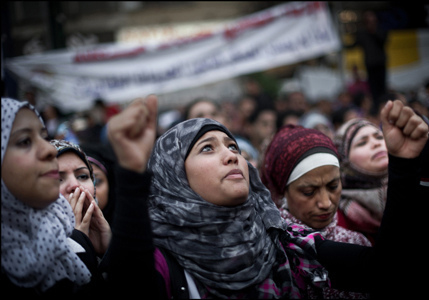 The ICJ today expresses its grave concern regarding the draft Constitution and the constitutional referendum to be held on 15 December 2012 and 22 December 2012.
The ICJ calls upon the Egyptian authorities to ensure the right of Egyptians to fully participate in the constitution-making process in pursuit of their democratic aspirations.
In a new legal briefing paper, the ICJ analyses key provisions of Egypt’s draft Constitution in light of international human rights and rule of law standards.
“The draft Constitution falls short of international standards, including those concerning the accountability of the armed forces, guaranteeing the independence of the judiciary, and recognizing universally accepted human rights,” said Said Benarbia, ICJ Senior Legal Adviser of the Middle East and North Africa Program. “Further, in the context of deep political instability, providing only two weeks for the public to consider the draft Constitution undermines the right of all Egyptians to make an informed decision about the basic framework of governance and law for their society.”
While the draft Constitution extends the language of Egypt’s 1971 Constitution on human rights, the definition and scope of several human rights are still inconsistent with Egypt’s obligations under international law, the ICJ says.
The draft continues to subject these rights to the limits of laws, without any reference to the content and scope of these limits and whether or not they are necessary in a democratic society.
Such limitations also undermine the constitutional guarantees for the independence of the High Judicial Council, the Constitutional Court and the office of the Public Prosecutor, the ICJ states.
In addition, the draft Constitution perpetuates the use of military courts to try civilians.
“In light of these shortcomings and the failure of the process to meet international standards of inclusive participation, the draft Constitution should be withdrawn, and sufficient time should be given for the drafting of a new constitution that fully represents the views of all Egyptians,” Benarbia added.
Contact:
Saïd Benarbia, Middle East & North Africa Senior Legal Adviser, ICJ, t +41 22 979 3817; e-mail: said.benarbia(at)icj.org
Egypt-Constitution reform process-Analysis brief-2012 (full text in pdf)
See also Egypt: a flawed constitutional reform process
Photo by Pan African News Wire

Nov 23, 2012 | News
 The ICJ expressed its grave concerns regarding the new Constitutional Declaration issued by President Mohamed Morsi on 22 November.
The President’s unilateral imposition of a constitutional framework on the Egyptian people, under which Constitutional Declarations, decisions, laws and acts taken by the President are shielded from any judicial review, undermines basic rule of law principles.
“Rather than establishing the rule of law and meeting the democratic aspirations of the Egyptian people, President Morsi perpetuates the practices of the old regime by denying the rights of Egyptians to fully participate in the conduct of public affairs and to challenge executive decisions and actions”, said Said Benarbia, ICJ Senior Legal Advisor for the MENA Programme. “The Egyptian authorities must change course to ensure that the new Constitution is in line with international rule of law and human rights principles, and that the drafting and adoption process is transparent and inclusive.”
Under the Declaration, the President has arrogated to himself sweeping powers “to protect the goals of the revolution, including by tearing down the structure of the former regime, excluding its symbols in the state, society and the judiciary, and purging the Sate institutions”. All decisions taken by the President, since he took office and until a new Constitution is adopted and a People’s Assembly is elected, are characterized as “final and binding and cannot be appealed by any way or to any entity. Nor shall they be suspended or cancelled and all lawsuits related to them and brought before any judicial body against these decisions are annulled”.
The ICJ also expresses its concern about the impact of the new Constitutional Declaration and the decision of President Morsi to dismiss the Prosecutor General on the independence of the judiciary.
Under international standards, all disciplinary, suspension or removal proceedings against members of the judiciary must be determined in accordance with well-established procedures that guarantee the right to a fair and transparent hearing and to an independent review.
Only an independent body can ensure the fairness of these proceedings, the ICJ stresses.
In a report published last week, the ICJ described how the Egyptian authorities have failed to ensure the drafting of a new Constitution in compliance with international principles of inclusive participation and transparency. The report concludes that the draft Constitution conflicts with Egypt’s obligations under international human rights law.
Contact:
Saïd Benarbia, Middle East & North Africa Senior Legal Adviser, ICJ, t +41 22 979 3817; e-mail: said.benarbia(at)icj.org
Alice Goodenough, Middle East & North Africa Legal Adviser, ICJ, t +41 22 979 3811; e-mail: alice.goodenough(at)icj.org