Feb 8, 2021 | News
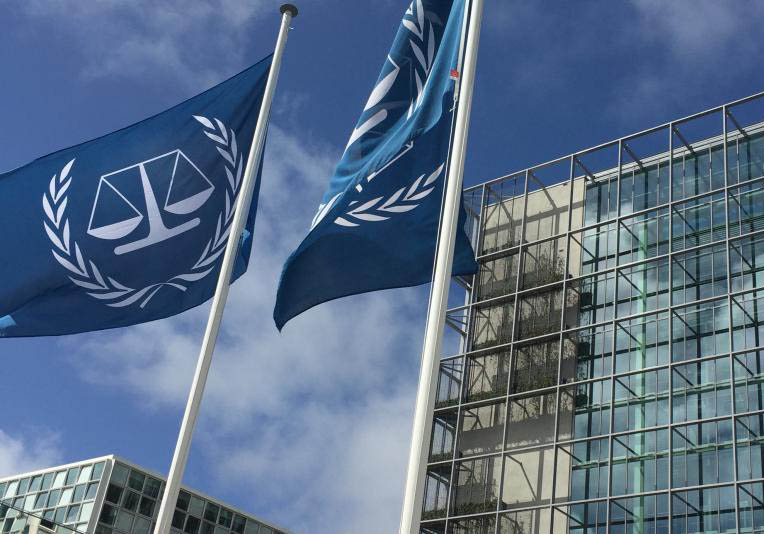
The ICJ welcomes the International Criminal Court’s (ICC) decision establishing that the Court can assert its jurisdiction over serious crimes alleged to have occurred in the State of Palestine since 13 June 2014.
On 5 February 2021, the ICC Pre-Trial Chamber I held by majority that: (i) Palestine has correctly acceded to the Rome Statute and has thus become a State party to it; and (ii) the ICC’s territorial jurisdiction extends to “the territories occupied by Israel since 1967, namely Gaza and the West Bank, including East Jerusalem.”
“The ruling is a first step towards breaking the cycle of impunity for crimes under international law committed by all parties to the conflict in Palestine,” said Said Benarbia, the ICJ’s MENA Programme Director. “The Prosecutor should immediately open an investigation with a view to establishing the facts about such crimes, and identifying and prosecuting those most responsible.”
The decision was prompted by a request of the ICC Office of the Prosecutor seeking confirmation of the Court’s territorial jurisdiction.
The Prosecutor had previously concluded that there is a reasonable basis to believe that “war crimes have been or are being committed in the West Bank, including East Jerusalem, and the Gaza Strip.”
On 16 March 2020, the ICJ submitted amicus curiae observations in support of the Court’s jurisdiction, arguing that:
- Palestine has successfully acceded, and is a State Party, to the Rome Statute. The Court should accordingly exercise its jurisdiction over Palestine as it does in respect of any other State Party;
- The Palestinian Territory over which the Court should exercise jurisdiction comprises the West Bank, including East Jerusalem, and Gaza; and
- Palestine is a State under international law, satisfying recognized international law criteria for statehood, displaying State activity and engaging in diplomatic relations with other sovereign States. The decades-long belligerent occupation of Palestine by itself has no decisive legal effect on the validity of its claim to sovereignty and statehood.
The Pre-Trial Chamber decision confirmed the first two of these observations, without considering the status of Palestine’s statehood under general international law.
Contact
Said Benarbia, Director, ICJ Middle East and North Africa Programme; t: +41 22 979 3817 e: said.benarbia(a)icj.org
Vito Todeschini, Legal Adviser, ICJ Middle East and North Africa Programme; t: +216 53 334 679 e: vito.todeschini(a)icj.org
Jan 18, 2021 | Communiqués de presse, Nouvelles
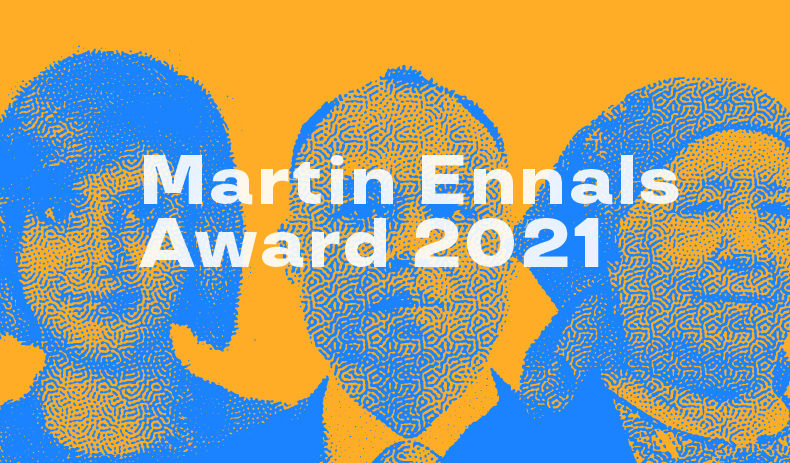
Soltan Achilova, Loujain AlHathloul et Yu Wensheng, trois éminent-e-s défenseur-euse-s des droits humains qui mènent leur combat pour les libertés dans des États autoritaires sont les finalistes du Prix Martin Ennals pour les défenseur-euse-s des droits humains 2021. La CIJ est membre du jury.
Au Turkménistan, l’un des pays les plus isolés au monde, Soltan Achilova documente les violations des droits humains par le biais du photojournalisme.
Loujain AlHathloul est une éminente défenseuse de l’égalité des sexes et des droits des femmes détenue en Arabie saoudite.
L’avocat Yu Wensheng a défendu les droits de plusieurs de ses compatriotes et de militants des droits humains avant sa condamnation et son emprisonnement en Chine.
Les finalistes se distinguent par leur courage et leur engagement infaillible pour les causes qu’ils défendent malgré les nombreuses tentatives de leurs gouvernements respectifs de les réduire au silence.
« Chaque année, des milliers de défenseur-euse-s des droits humains sont persécuté-e-s, harcelé-e-s, emprisonné-e-s, voire tué-e-s. C’est un honneur pour la Fondation Martin Ennals que de célébrer les finalistes de notre Prix 2021, qui ont tant fait pour les autres ; les épreuves qu’ils ont traversées sont emblématiques de la précarité à laquelle se retrouve confronté le mouvement des droits humains aujourd’hui », note Isabel de Sola, directrice de la Fondation Martin Ennals.
« Les États autoritaires tendent à croire qu’il suffit d’emprisonner ou de censurer les défenseur-euse- s des droits humains pour que le monde les oublie. Pendant la pandémie de COVID-19, on aurait pu s’attendre à ce que les mesures de confinement parviennent à davantage empêcher les gens de s’exprimer. Les finalistes de cette année sont la preuve vivante que rien n’est plus éloigné de la vérité », ajoute Hans Thoolen, président du Jury.
Les finalistes 2021
Au Turkménistan, l’un des pays les plus isolés du monde, la liberté d’expression est inexistante et les journalistes indépendants travaillent au péril de leur vie. Soltan Achilova, une photojournaliste âgée de 71 ans, documente les violations des droits humains et les problèmes sociaux qui touchent les Turkmènes dans leur vie quotidienne. C’est l’une des rares journalistes du pays à oser signer des articles indépendants malgré le contexte répressif dans lequel elle travaille et les épreuves qu’elle a traversées.
En Arabie saoudite, les femmes sont encore confrontées à plusieurs formes de discrimination de genre : le Royaume figure parmi les dix derniers du classement établi par le Rapport 2020 sur la parité entre les hommes et les femmes dans le monde, publié par le Forum économique. Loujain AlHathloul, 31 ans, a été l’une des principales figures du mouvement « Women to drive » et milite pour l’abolition du système de tutelle masculine. Elle a été emprisonnée en 2018 pour des motifs liés à la sécurité nationale avec plusieurs autres militantes. Torturée, privée de soins médicaux et placée en cellule d’isolement, Loujain a été condamnée à cinq ans et huit mois de prison le 28 décembre 2020.
En Chine, plus de 300 militants des droits humains et avocats ont disparu ou ont été arrêtés en2015 lors de la vague de « répression 709 ». Yu Wensheng, 54 ans, a abandonné sa carrière florissante d’avocat d’affaires pour défendre l’un de ces avocats détenus, avant d’être lui-même arrêté. Yu Wensheng est aujourd’hui détenu depuis près de trois ans ; on lui a écrasé la main droite en prison et son état de santé se détériore de jour en jour.
Cérémonie de remise du Prix en ligne le 11 février 2021
Le Prix Martin Ennals 2021 sera remis à l’un-e des trois finalistes le 11 février 2021 lors d’une cérémonie en ligne co-organisée par la Ville de Genève (Suisse) qui soutient le prix depuis de nombreuses années.
Contact
Olivier van Bogaert, directeur media & communications, représentant la CIJ dans le jury du MEA, t: +41 22 979 38 08 ; e: olivier.vanbogaert(a)icj.org
Chloé Bitton, responsable de la communication, Martin Ennals Foundation, t +41 22 809 49 25 e: cbitton(a)martinennalsaward.org
MEA Finalists Bios-2020-FRE (Bios des finalistes, PDF)
Dec 21, 2020 | News
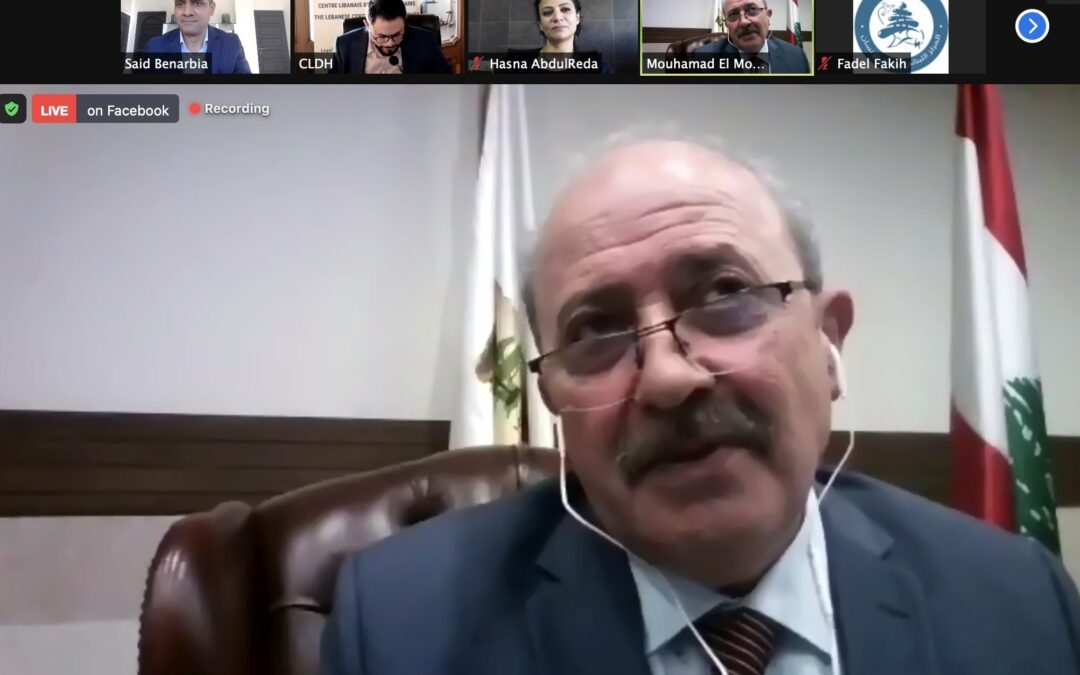
Today, the Lebanese Center for Human Rights (CLDH) and the ICJ held a joint webinar on migrants and refugees in Lebanon. The organizations addressed the situation of migrant workers and refugees including their legal and social status and the violations to which they are exposed.
The ICJ and CLDH called on the Lebanese authorities to adopt and enforce just, fair and effective legal and policy frameworks to address the entry and stay of refugees and migrants in Lebanon, and ensure the protection of their human rights in full compliance with Lebanon’s obligations under international law, particularly their non-refoulement obligations.
The ICJ launched its recent report Unrecognized and Unprotected: The Treatment of Refugees and Migrants in Lebanon, which undertakes an assessment of the Lebanese legal framework governing the treatment of migrants and refugees in the country, including their entry and stay.
The report concludes that the legal and policy gaps, together with the executive’s excessive and unchecked powers in shaping and implementing migration-related policies, have led to serious violations to refugees’ and migrants’ human rights in Lebanon.
The ICJ presented the findings and key recommendations of its report, which included urging the Lebanese government to ensure that no individual is transferred to a country where he or she faces a real risk of persecution or other forms of serious harm, such as torture or other cruel, inhuman or degrading treatment or punishment.
Procedural obstacles preventing migrant workers and refugees from accessing justice, such as lacking residency papers, were examined by CLDH.
The webinar, facilitated by CLDH’s Executive Director Fadel Fakih, commenced with opening remarks from Said Benarbia, Director of the ICJ’s Middle East and North Africa Programme, and Wadih Al-Asmar, President of CLDH. Attendees included civil society, lawyers, and members of the Lebanese Bar association.
Underscoring that Lebanon is obligated to protect the rights of refugees and asylum seekers despite not being a State party to the 1951 Refugee Convention, as these rights are guaranteed by other international conventions ratified by Lebanon including the International Covenant on Civil and Political Rights (ICCPR) and the UN Convention against Torture and other Cruel, Inhuman and Degrading Treatment or Punishment (UNCAT), Al-Asmar called on the Lebanese State to abandon its repressive security approach towards refugee populations, and to abolish the exploitative Kafala sponsorship system.
Benarbia addressed how normative gaps, together with restrictive provisions of the 1962 Law of Entry and Exit, including those criminalizing “irregular entry,” undermine the right of refugees to an individual examination of their asylum claim, their right to liberty and security of person, and their right to an effective legal remedy for human rights violations.
He pointed out that laws and policies impacting on migrants and refugees should be adopted and implemented by legally constituted civilian authorities, subject to legislative oversight and judicial review.
CLDH members Hasna Abdul Reda and Rabih Keyrouz focused on the obstacles that continue to impede migrant workers and refugees from accessing justice in Lebanon. CLDH Programme Manager, Josiane Noun, presented CLDH’s Legal Aid Programme and support services that the organization has made available to migrant workers and refugees.
Kouakou Adjo Delphine, representing the Alliance of Migrant Domestic Workers in Lebanon, discussed the challenges domestic migrants face in accessing justice for human rights violations.
The conference concluded with an open discussion between panelists and participants where possible solutions to enhance the protection afforded to migrant workers and refugees in Lebanon were discussed.
Dec 14, 2020
The ICJ today joined the Association des Magistrats Tunisiens (AMT), Avocats Sans Frontières (ASF), and the World Organisation Against Torture (OMCT) in publishing a paper entitled No Reconciliation Without Justice: Current Situation and Prospects of the Specialized Criminal Chambers in Tunisia.
The paper analyses the challenges that the Specialized Criminal Chambers are facing since the opening of trials in May 2018 and formulates recommendations to Tunisian authorities to address these obstacles.
The paper was endorsed by members of the Transitional Justice Coalition.
It is available in Arabic and French:
Tunisia-SCC assess-Advocacy-Analysis brief-2020-ARA
Tunisia-SCC assess-Advocacy-Analysis brief-2020-FRA
Dec 9, 2020
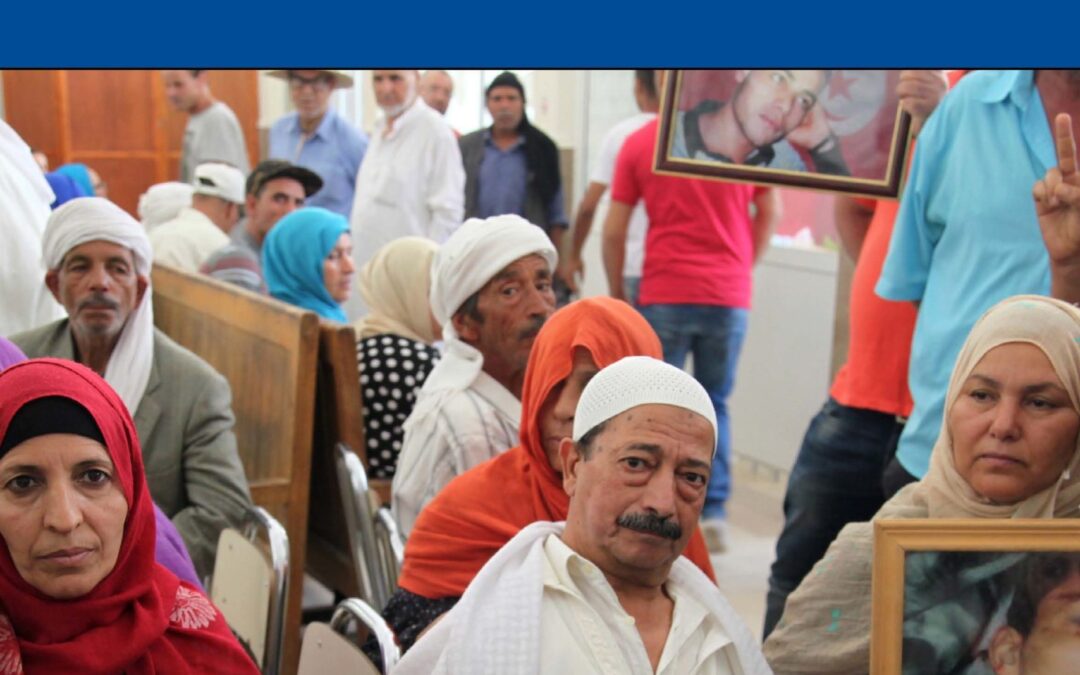
The ICJ today released two practical guides aimed to assist practitioners to advance accountability and justice through the Specialized Criminal Chambers (SCC) in Tunisia.
Practical Guide 2 addresses the investigation and prosecution of gross human rights violations under Tunisian and international law, while Practical Guide 3 covers the principles and best practices on evidence in the administration of justice. Practical Guide 1, which was released in December 2019, considered the role of international law and standards in proceedings before the SCC.
Trials before the SCC started in May 2018. Since the opening of the first hearing, it has been evident that gaps in the rules and procedures governing the investigation, prosecution and evidence in the SCC cases have served to endanger efforts to hold perpetrators to account and bring justice to victims for past violations of human rights.
“The credibility of SCC trials largely depends on their capacity to ensure effective and fair investigations and prosecutions based on strong, compelling and untainted evidence,” said Said Benarbia, the ICJ’s MENA Programme Director.
“These practical guides should serve to assist those working in the Tunisian justice sector to make the most of this opportunity to end impunity and enable victims to obtain redress, all while ensuring the highest possible fair trial standards.”
Practical Guide 2 sets out the international law and standards governing the obligation to investigate and prosecute gross human rights violations, the accused’s right to a fair trial, and the rights of victims and their families to participate in proceedings and to an effective remedy.
Practical Guide 3 describes the principles and best practices under international law that apply to the collection, admissibility and evaluation of evidence in the investigation and prosecution of gross human rights violations.
Both guides aim to provide options for applying Tunisia’s law and procedures on investigation, prosecution, and evidence in SCC cases in compliance with international law and standards.
“Tunisians have waited so long to see justice for the many human rights abuses that were committed in the past,” said Kate Vigneswaran, the ICJ’s MENA Programme Senior Legal Adviser.
“The SCC holds out the promise that this wait might end, but only if the trials are grounded on solid proceedings that put accountability, human rights and fairness at the forefront.”
Contact
Said Benarbia, Director, ICJ Middle East and North Africa Programme, t: +41-22-979-3817; e: said.benarbia(a)icj.org
Kate Vigneswaran, Senior Legal Adviser, ICJ Middle East and North Africa Programme, t: +31-62-489-4664; e: kate.vigneswaran(a)icj.org
Background information
The SCC were established in 2014 to adjudicate cases involving alleged “gross human rights violations” between 1955 and 2013 referred by the Truth and Dignity Commission (Instance Verité et Dignité, IVD).
At the end of its mandate in December 2018, the IVD’s referred to the SCC 200 cases of arbitrary deprivations of life, arbitrary deprivations of liberty, torture and other ill-treatment, enforced disappearance, rape and sexual assault and crimes against humanity committed by the past regime.
Practical Guides 2 and 3 are preceded by Practical Guide 1 on The Adjudication of Crimes Under Tunisian and International Law, which examines the principles of legality and non-retroactivity under international law and their application in the domestic system, and conducts an analysis of the definition of crimes under Tunisian law vis-à-vis international law for arbitrary deprivations of life, arbitrary deprivations of liberty, torture and other ill-treatment, enforced disappearance, rape and sexual assault and crimes against humanity. The three Guides will also be followed by Practical Guide 4 on modes of liability under Tunisian and international law.
In a briefing paper published in October 2020, the ICJ also called on the Tunisian authorities to undertake substantial legal and policy reforms with a view to strengthening accountability and removing the obstacles that impede the SCC work.
Download
Tunisia-SSC guide series no2-Publications-Reports-Thematic reports-2020-ENG (Guide 2 in English, PDF)
Tunisia-SSC guide series no3-Publications-Reports-Thematic reports-2020-ENG (Guide 3 in English, PDF)
Tunisia-Launch Guides-News-2020-ARA (story in Arabic, PDF)
Tunisia-SSC guide series no2-Publications-Reports-Thematic reports-2020-ARA (Guide 2 in Arabic, PDF)
Tunisia-SSC guide series no3-Publications-Reports-Thematic reports-2020-ARA (Guide 3 in Arabic, PDF)