Jan 20, 2015
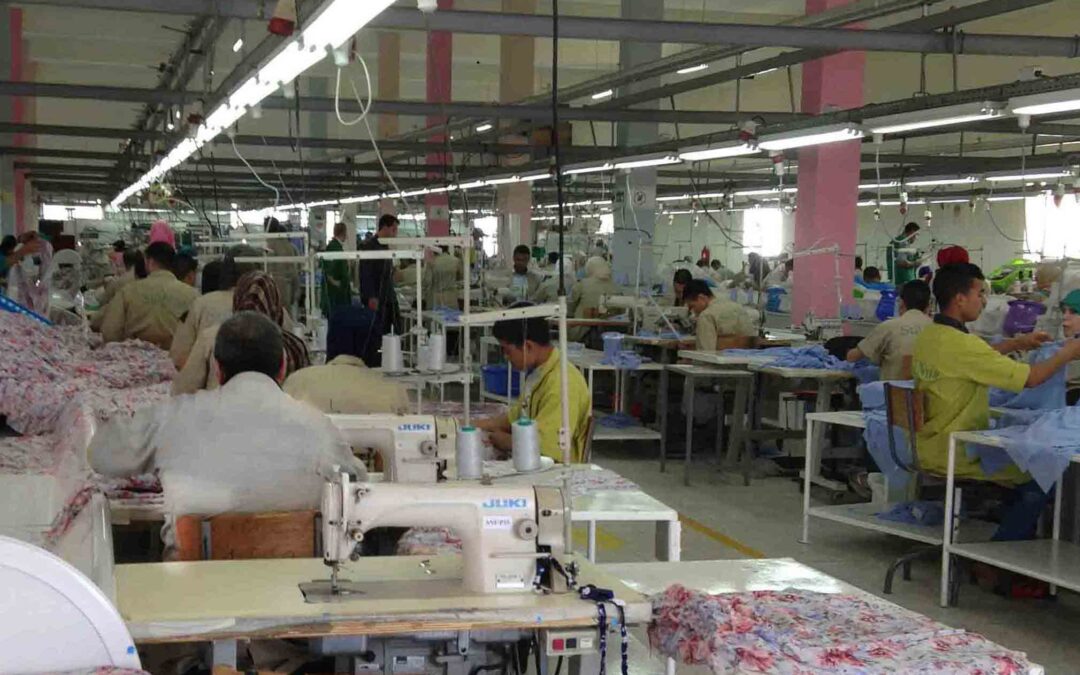
Ahead of the upcoming review of the 4th periodic report of Morocco on its implementation of the International Covenant on Economic, Social and Cultural Rights, the ICJ has submitted an information to the UN Committee in charge of monitoring the Covenant.
The ICJ submission to the UN Committee on Economic, Social and Cultural Rights draws the Committee’s attention to major concerns over the protection of rights in the country, including the right to just and favourable conditions, the right to an adequate standard of living or the right to health.
The ICJ submission aims at contributing to the development of a list of issues that the Committee will address to the State of Morocco to obtain further information on specific aspects dealt with in the State report.
The Committee will examine Morocco’s fourth periodic report and the State’s response to its list of issues before issuing recommendations at the 56th session in September 2015.
Morocco-ICJ submission to CESCR-Advocacy-legal submission-2015-FRE (full text in PDF)
Read also:
Report: impact of special economic regimes on social rights in Morocco
Morocco: ICJ concludes mission on access to justice for social rights
Morocco: access to justice for economic, social and cultural rights
Dec 19, 2014 | News
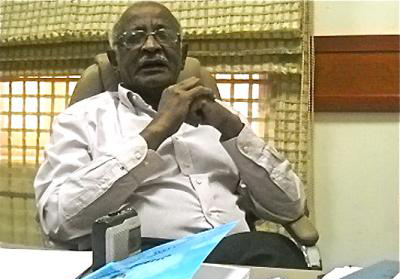
Prominent human rights lawyer Dr Amin Mekki Medani, and lawyer and political opposition leader Farouk Abu Issa, remain in detention at an unknown location. The two men were arbitrarily arrested by the Sudanese authorities in early December.
Oct 30, 2014 | News
The ICJ calls for the convictions of Abdulrahman Al-Subaihi, Bandar Al-Nogithan and Abdulrahman Al-Rumaih, three prominent Saudi lawyers, to be quashed and for the Saudi authorities to end their sustained crackdown on lawyers and human rights defenders.
Oct 22, 2014
The ICJ today joined a call with six other international NGOs for members and observers of the UN Human Rights Council (HRC) to pay special attention to the deteriorating human rights situation in Egypt ahead of and following the Universal Periodic Review (UPR) of Egypt.
The HRC Working Group on the UPR will, on 5 November 2014, be undertaking a review of the human rights situation in Egypt. This comes at a critical time for human rights, freedoms and independent Egyptian civil society, including rights defenders and democracy activists. Noting that the Government of Egypt has reaffirmed a deadline for 10 November 2014 for all civil society organisations to register with the Government under the highly repressive Law on Associations, the ICJ and others called on members and observers of the HRC to, at a minimum, address several key issues, including:
- Threats against human rights defenders and civil society organisations and activists;
- The need for new legislation to guarantee freedom of assembly through a transparent and simple notification process;
- The need for judicial investigations into the ordering and carrying out of unlawful killings in the course of suppressing mainly peaceful protests;
- Respect for and non-interference with the independence of the judiciary;
- The need for immediate and unconditional release of persons detained solely for peacefully exercising their rights to freedom of expression, assembly and association; and
- The need to immediate end the use of torture and other ill-treatment.
Egypt-UPR-OpenLetter-2014-EN (download open letter in PDF)
Oct 15, 2014
The ICJ has joined other non-governmental organisations to urge the HRC and its members to support a Special Session on Libya.
The aim is to establish a Commission of Inquiry or a similar mechanism to investigate individual criminal responsibility for serious abuses and violations of international human rights and violations of humanitarian law by all sides in this country.
Since May 2014, violent clashes between rival armed groups have intensified and developed into armed conflicts across Libya.
Parties to these conflicts have been responsible of grave and widespread violations of international human rights and humanitarian law.
These include direct and indiscriminate attacks on civilians and civilian objects, unlawful killings, abductions, forced displacement of civilians, torture and other ill-treatment and arbitrary detentions.
Libya-HRC Special session on accountability and HR violations-Advocacy-Open letters-2014-ENG (full text in PDF)