Dec 12, 2018 | Events, News
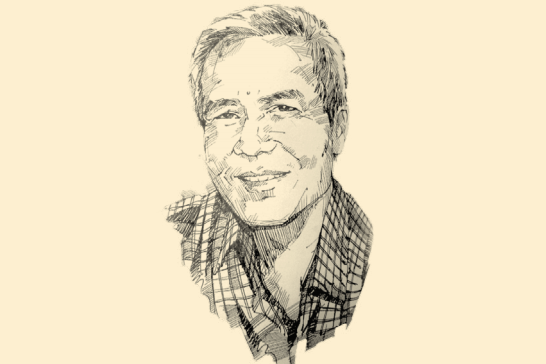
On 12 December 2018, the ICJ co-organized a panel discussion at Bangkok Art and Culture Center (BACC) in Thailand marking the 6th anniversary of the evident enforced disappearance of prominent Lao civil society leader Sombath Somphone.
The panel discussion was co-organized with the International Federation for Human Rights (FIDH), ASEAN Parliamentarians for Human Rights (APHR) and Forum Asia.
On 15 December 2012, Closed Circuit Television (CCTV) footage taken by police cameras near a police checkpoint in Vientiane, Lao PDR, appeared to show that Sombath Somphone was abducted at the checkpoint by, or with the consent or acquiescence of, agents of the State. He has not been seen since.
Six years after his abduction, Laotian authorities have repeatedly failed to provide meaningful information as to his fate or whereabouts, or conduct an independent, impartial and effective investigation towards determining his fate. The last police report on his case was issued on 8 June 2013.
In light of the 6th anniversary, the panel discussion considered what further steps could be taken to continue advocacy on his case and spoke about regional implications and responses.
The panelists were:
- Ng Shui-Meng, Wife of Sombath Somphone;
- Edmund Bon, Lawyer, Malaysia’s Representative to the ASEAN Intergovernmental Commission on Human Rights;
- Premrudee Daoroung, Project SEVANA’s South-East Asia Coordinator;
- Charles Santiago, Malaysian Member of Parliament.
The panel was moderated by the Andrea Giorgetta from the International Federation for Human Rights (FIDH).
Nov 26, 2018 | News
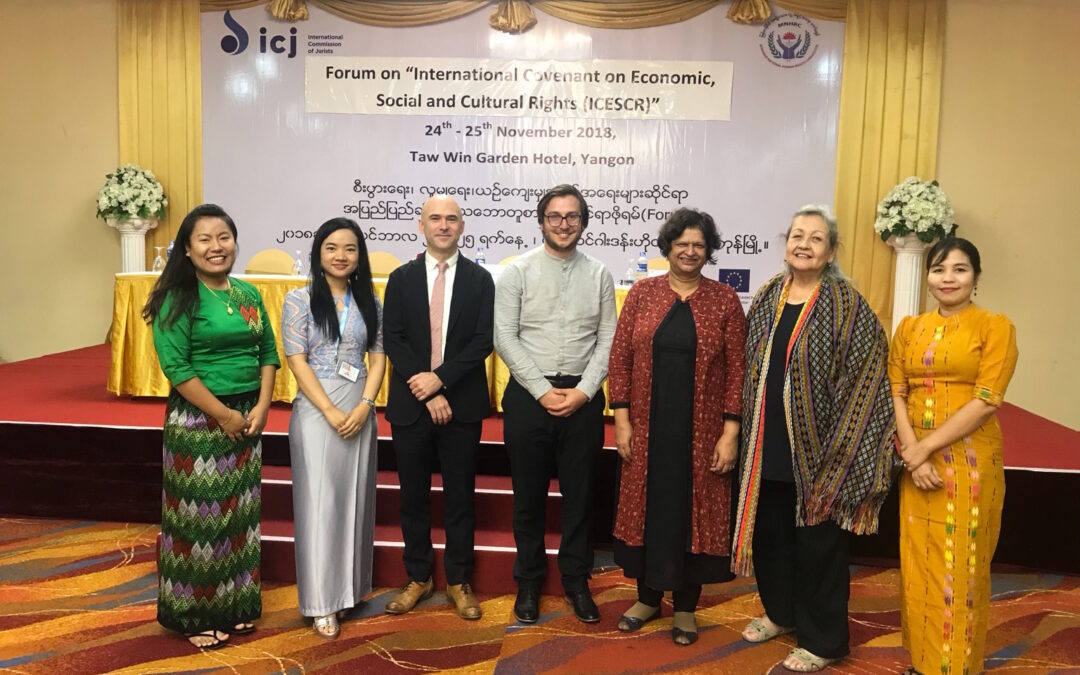
The ICJ convened a Forum of international legal experts and Myanmar civil society actors in Yangon from the 24 to 25 November 2018 on Myanmar’s obligations under the International Covenant on Economic, Social and Cultural Rights (ICESCR).
Representing each of Myanmar’s 14 States and Regions, more than 130 civil society members attended the event, which was co-hosted with the Myanmar National Human Rights Commission in collaboration with Dan Church Aid, Norwegian Church Aid, Equality Myanmar and the Local Resource Center.
The ICJ’s Asia Pacific Regional Director, Frederick Rawski, introduced the Forum objectives which were to raise awareness of the rights, obligations and reporting processes associated with Myanmar’s ratification of the ICESCR on 6 October 2017.
As a State Party to the ICESCR, Myanmar is obliged to respect, protect and fulfill a variety of human rights including the rights to: decent work, an adequate standard of living, adequate housing, food, water and sanitation, social security, health, and education.
The Chairperson of the UN Committee on Economic, Social and Cultural Rights, Virginia Brás Gomes, discussed the vital role civil society plays in documenting and providing information about human rights challenges, and advocating for law to be enforced and interpreted in compliance with the State’s international law obligations.
Virginia B. Dandan of the Philippines, a former Chairperson of the Committee, described the rights protected under ICESCR and highlighted the universality of human rights and the indivisibility of economic, social and cultural rights from other human rights including protection from discrimination.
Visiting Myanmar from the ICJ’s Southern Africa Office, legal adviser Timothy Fish Hodgson, ICJ Legal Adviser in the ICJ Africa Programme, discussed from a comparative perspective the justiciability of ESC rights in South Africa, and the roles lawyers and other civil society actors have played in progressing rights protections.
Legal advisers from the ICJ’s Myanmar Team moderated a series of panel discussions where civil society representatives discussed challenges and opportunities related to the realization of ESC rights in Myanmar.
Separate to this initiative, the visiting international experts also travelled to Nay Pyi Taw to engage with government. Myanmar’s first State report to the ESCR Committee is due in late 2019, also opening opportunities for civil society engagement.
This event was part of the ICJ’s ongoing effort to convene civil society actors to discuss the promotion and protection of human rights through legal mechanisms.
Nov 25, 2018 | News
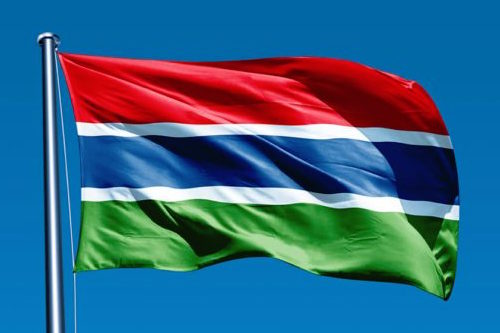
The International Commission of Jurists (ICJ) welcomes the formal declaration of the Gambia to allow individuals and certain non-governmental organizations with observer status access to complain of human rights violations against the Gambian State at the African Court on Human and Peoples Rights.
Gambia became the ninth African State to make the declaration to allow individual access the African Court on Human and Peoples Rights. The ICJ called on other States to follow suit rapidly.
“The Gambian government should be applauded, but more African States need to step up to reinforce their international human rights obligations by allowing victims of violations direct access to the Court and to empower the African Human Rights Court to do the work for which it was set up.” said Arnold Tsunga, Director of the ICJ African Regional Progamme. “It is only through extensive depositing of article 34(6) by the majority of African states that the court can be truly an African Court”.
In addition to granting access to individuals, the Declaration made under article 34(6) of the Protocol to the African Charter on Human and Peoples’ Rights triggers the courts jurisdictional competency under article 5(3) to allow for a limited number of NGOS access.
“The promise of human rights protection under the African human rights system can only be realized when political leaders match rhetoric with such action as allowing individuals to seek an effective remedy by direct access to regional human rights mechanisms like the African Court,” added Arnold Tsunga.
The ICJ emphasized that despite the significant human and material resources invested in the Court since its establishment in 2006, the African Court has been unavailable to great majority of Africans, since very few States had so far entered the declaration recognizing its competency.
Other States that have previously made declarations include Benin, Burkina Faso, Côte d´Ivoire, Ghana, Malawi, Mali, Tanzania and Tunisia.
Although, complaints of human rights violation can only be brought directly before the Court against the nine States that have made the declaration, victims of human rights violation of almost all African States can already bring claims against other states through the non-judicial communication procedure available at the African Commission on Human and Peoples´ Rights.
The ICJ stressed while access to the Commission’s procedures is important, it was not an adequate substitute for the kind of binding legal remedy that can be only ordered by a Court. The ICJ noted poor rate of compliance with decisions of the African Commission.
Contacts:
Arnold Tsunga, Director of the Africa Regional Programme, International Commission of Jurists C: +263 77 728 3248, E: arnold.tsunga(a)icj.org
Solomon Ebobrah, Senior Legal Advisor, Africa Regional Programme, International Commission of Jurists.C: +234 803492 7549, E: solomon.ebobrah(a)icj.org
Nov 16, 2018 | News
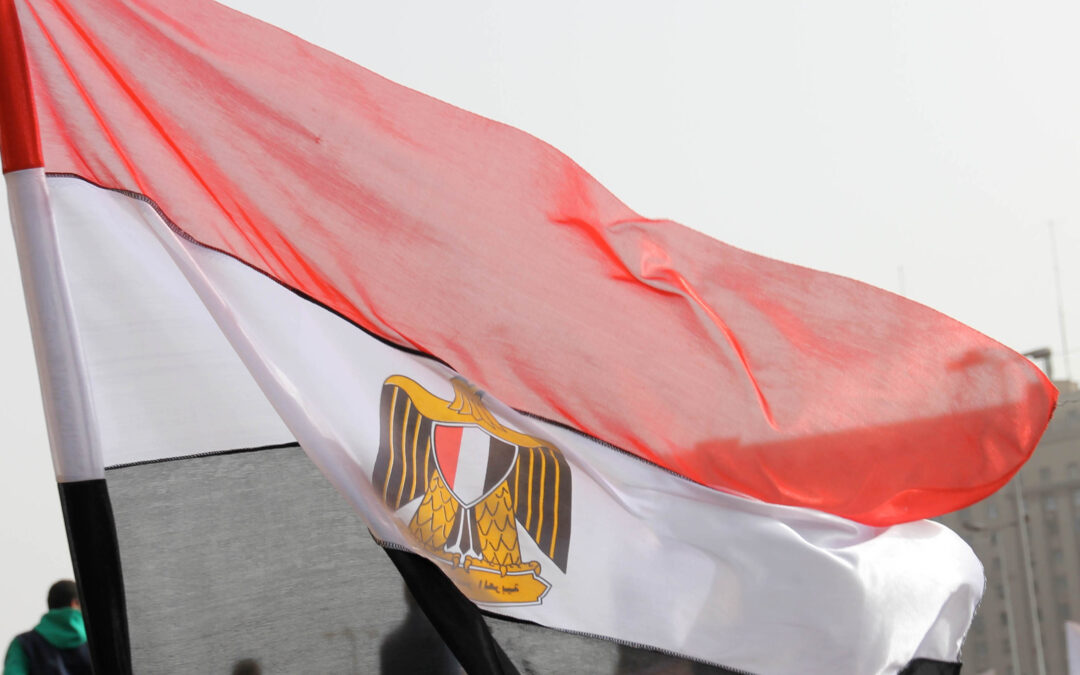
The South Cairo Criminal Court’s conviction and sentencing on 11 November 2018 of Assistant Detective Mohamed Sayed Abdel Halim and Police Officer Mohamed Ahmed Salem to three years and six months’ imprisonment respectively for conduct involving the torture and killing of 22-year-old Mohamed Abdel-Hakim Mahmoud does not amount to justice for the crimes against him, the ICJ said today.
The ICJ called on prosecutors to consider options for appeal or new charges that could hold the perpetrators properly to account for serious crimes, with sanctions appropriate to the gravity of their conduct and in line with international law.
The two officers apparently unlawfully arrested Mohamed Abdel-Hakim Mahmoud, otherwise known as “Afroto,” on 5 January 2018 and subjected him to severe beatings and other torture, as a result of which he died.
The Court convicted Abdel Halim of “beating that led to death,” a crime that carries a sentence of three to seven years’ imprisonment under Article 236 of the Egyptian Penal Code, and Salem of “light beating.”
“The low sentences imposed by the Court are completely disproportionate to the conduct of the perpetrators, who beat Afroto, threw him into a cell and then beat him again when he complained he was unable to breath. The perpetrators should have been held accountable for their true criminal conduct, which included torture and murder in police custody,” said Kate Vigneswaran, Senior Legal Adviser of the ICJ MENA Programme.
“The Egyptian authorities’ consistent efforts to immunize public officials from real accountability denies the victims and their families their right to redress and reinforces the Egyptian people’s increasing lack of trust in the Egyptian government and judicial system,” she added.
The definition of torture under Article 126 of the Egyptian Penal Code only establishes liability for torture for the purpose of obtaining a “confession” against a suspect, falling far short of the standard required by the Egyptian Constitution and the Convention Against Torture (CAT), which contemplate torture being undertaken for any number of purposes. The Penal Code also imposes penalties—hard labour and the death penalty—inconsistent with human rights, including for torture and murder.
“Egypt should amend the Penal Code to prohibit all forms of torture and abolish the death penalty and hard labour,” said Kate Vigneswaran.
“The authorities are obligated under international law to ensure effective justice for crimes committed by public officials by charging them with crimes and imposing sentences reflecting their criminal conduct. Legislative reform is needed to both ensure accountability for victims and uphold the rights of perpetrators,” she added.
Contact:
Kate Vigneswaran, Senior Legal Adviser, ICJ Middle East and North Africa Programme, m: +31 624894664, e: kate.vigneswaran@icj.org
Egypt-Afroto Verdict-News-2018-ENG (full story with additional information, in PDF)
Nov 15, 2018 | News
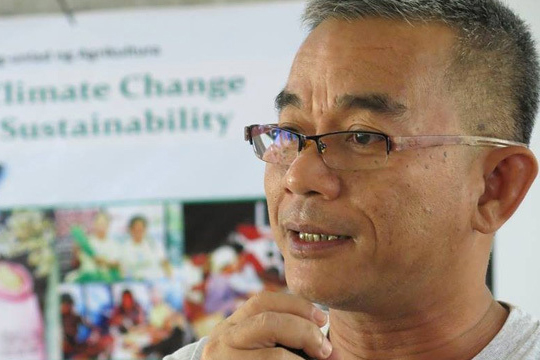
The ICJ and the Alternative Law Groups (ALG) today called on the Government of the Philippines to take immediate and effective action to addressing the apparently unlawful killing of Benjamin ‘Ben’ Ramos, a prominent lawyer and a founder of the National Union of People’s Lawyers (NUPL).
Benjamin Ramos was shot by two unidentified men in the public plaza of Barangay 5, Kabankalan City on 6 November 2018.
The ICJ and ALG call on the Government of the Philippines to conduct a thorough, prompt, impartial, and independent investigation into the killing of Benjamin Ramos.
Benjamin Ramos, in his work with the NUPL, had previously provided legal assistance to the families of the victims of the ‘Sagay 9 massacre’, which involved the killing of nine sugarcane farmers from the National Federation of Sugar Workers by unidentified armed men on 20 October 2018 in Negros Occidental, a province in the central part of the Philippines.
Given the sensitive nature of the work of Benjamin Ramos, which involved confronting powerful interests, it is important that any investigation consider the suspected links between that work and his killing.
“It is essential for the proper and effective functioning of the administration of justice that lawyers are kept safe as they fulfill their duties to protect the rights of their clients and promote the cause of justice,” said Emerlynne Gil, ICJ’s Senior International Legal Adviser.
As affirmed by the UN Basic Principles on the Role of Lawyers, governments must ensure that lawyers are able to perform all their professional functions without “intimidation, hindrance, harassment or improper interference.” In addition,“[w]here the security of lawyers is threatened as a result of discharging their functions, they shall be adequately safeguarded by the authorities”.
The organizations note that there have been at least thirty-four (34) lawyers killed since 2016, under the administration of President Rodrigo Duterte.
“The rising number of killings of lawyers is very concerning and alarming; it is an attack not only on individual lawyers but on the justice system as whole. The Philippine government must take immediate and proactive measures to ensure the safety of lawyers as they conduct their professional duties,” said Maria Generosa Mislang, National Coordinator of ALG.
Contact:
Emerlynne Gil, ICJ Senior International Legal Adviser, t: +662 619 8477 (ext. 206) ; e: emerlynne.gil(a)icj.org