Jul 30, 2018 | News
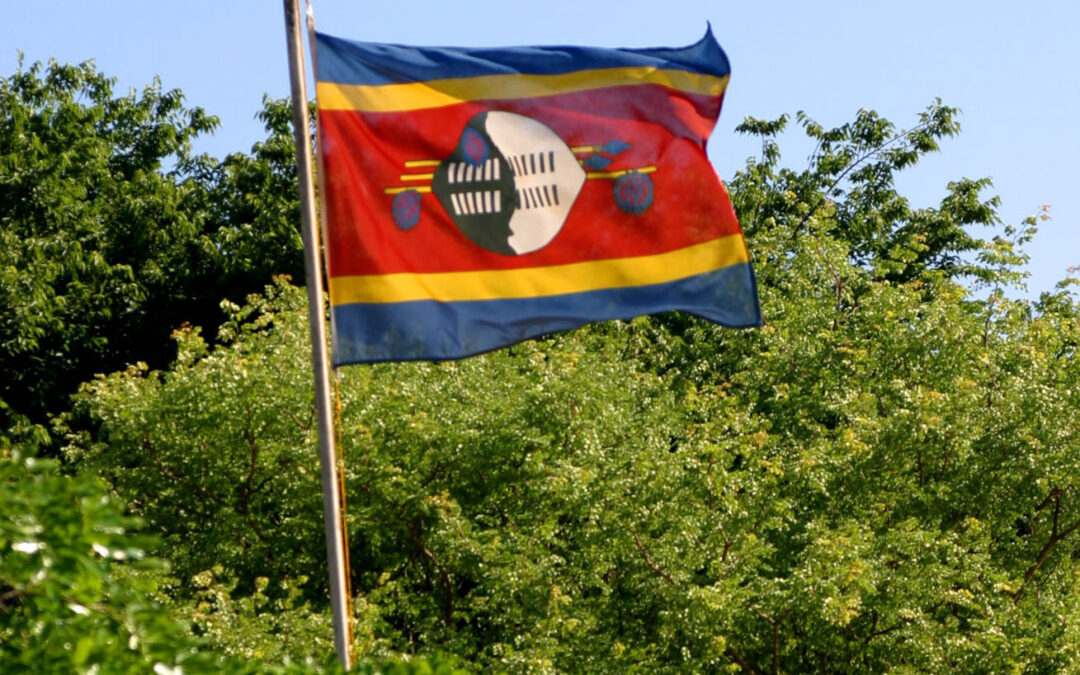
On 25 July 2018, the ICJ facilitated an integrated meeting of governmental stakeholders in the justice chain involved in different aspects of combatting sexual and gender-based violence (SGBV) in the Kingdom of Eswatini (Swaziland), the first meeting of its kind.
The meeting was convened by ICJ Commissioner and Principal Judge of the High Court of Eswatini, Justice Q. M. Mabuza. It followed a meeting held in February 2018 on combating SGBV in Eswatini and an ICJ report on key challenges to achieving justice for gross human rights violations in Eswatini, the latter of which recommended that justice sector stakeholders involved in the investigation, prosecution and sanctioning of, and provision of redress to victims for, acts of SGBV should convene six-monthly meetings so as to develop a common and integrated approach to the effective combating of SGBV.
The integrated meeting involved senior officials from the Office of the Deputy Prime Minister, the Office of the Attorney General, the Office of the Director of Public Prosecutions, the police, correctional services, and the judiciary.
The meeting discussed the fight against SGBV in the context of the Guidelines on Combating Sexual Violence and its Consequences in Africa, and other international standards. It considered the national legal and policy framework on SGBV; practices and challenges in the investigation and prosecution of SGBV; the sanctioning of SGBV offences; and the rehabilitation of sexual and domestic violence offenders by correctional services. Perspectives of the Office of the Deputy Prime Minister, the police and the judiciary were emphasized during discussions.
Stakeholders discussed issues with a view to identifying gaps and challenges in national law, policy and practice when measured against regional and global standards and best practices, as well as with a view to considering potential solutions to those gaps and challenges. The meeting agreed on next steps, including on concrete action that aligns with and/or augments the National Strategy to End Violence. Stakeholders agreed that they should all be involved in the early stages of cases involving SGBV.
Stakeholders also agreed that the recently enacted Sexual Offences and Domestic Violence Act will only be effectively implemented if justice sector stakeholders are well coordinated. Stakeholders agreed that integrated meetings should be held regularly, at intervals of no less than six months including, if possible, before the end of 2018.
Jul 19, 2018 | News
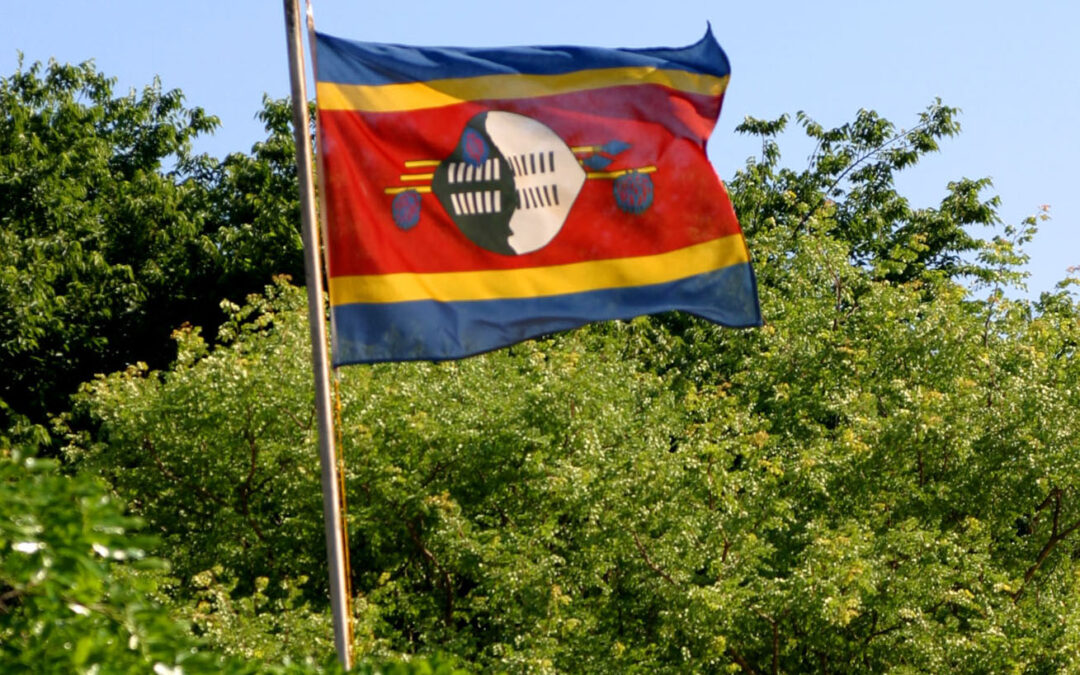
His Majesty King Mswati III of the Kingdom of Eswatini (formerly known as the Kingdom of Swaziland) yesterday gave his royal assent to the Sexual Offences and Domestic Violence Act, a milestone in the fight against sexual and gender-based violence (SGBV) in the country.
In its May 2018 report on key challenges to achieving justice for human rights violations in Swaziland, the ICJ identified the widespread occurrence of SGBV, with discriminatory practices based on customary laws and traditional beliefs undermining equality between men and women and the access by victims of such violence to effective remedies and reparation, as well as the holding to account of perpetrators of such violence.
Eswatini’sNational Strategy to End Violence in Swaziland 2017-2022, produced by the Office of the Deputy Prime Minister in collaboration with the UN Population Fund, itself pointed to an alarming rate of increasing violence in all its forms, noting that its most common form was gender-based violence, disproportionately affecting women and girls.
The new law follows a protracted legislative process, first initiated in 2009; then resumed in 2015. It has also been accompanied by increasing attention and concern by international human rights mechanisms, including the UN Human Rights Committee and the Committee on Elimination of Discrimination against Women.
Building on ICJ initiatives to bring together international, regional and local SGBV experts in 2015, and on sustainable development goals on access to justice and gender equality in 2017, the ICJ with local partners convened a workshop on combatting SGBV in Swaziland in February 2018. In consultations during and around this most recent workshop, interlocutors signaled fears that the Senate of Swaziland was equivocating on passage of the 2015 Bill. Responding to local partners’ requests, the ICJ made a submission to the Senate in March 2018, bringing to its attention to the global and regional obligations of the Kingdom to enact the legislation, as well as the Government’s own commitments to do so. The Senate soon after voted to adopt the legislation.
The new law for the first time criminalizes marital rape and other domestic violence offences; makes provision for Specialised Domestic Violence Courts; creates mechanisms and avenues for reporting of offences; and requires medical examination and treatment of victims. These are issues that had not been previously provided for.
Enactment of the law is significant, incorporating into domestic law a very large part of Eswatini’s international human rights obligations, including those arising from the Africa region, to criminalize and sanction the perpetrators of SGBV. It also discharges commitments made by His Majesty’s Government during the 2016 Universal Periodic Review.
Just as important will be the effective implementation of the new law to combat SGBV by bringing perpetrators to account and providing victims with access to justice.
With a view to enhancing the prospects of an effective and comprehensive approach to that end, the ICJ’s Commissioner, and Principal Judge of the High Court, Justice Qinsile Mabuza, will next week be coordinating a meeting of governmental justice sector stakeholders involved in combatting SGBV in the country. This first coordinated meeting of governmental actors will focus on issues of investigation, prosecution and sanctioning of sexual and gender-based violence crimes, including the role of social and medical services.
The ICJ is also commissioning a report on the access of victims of SGBV to effective remedies and reparation. Focused on case studies, the report will include attention to lack of justice through acquittals that have been prompted by inadequate laws or procedures and/or through lack of prompt or sufficient forensic or medical evidence. This report will feed into discussions at a second meeting of governmental justice sector stakeholders, intended for 2019.
Jul 15, 2018 | News
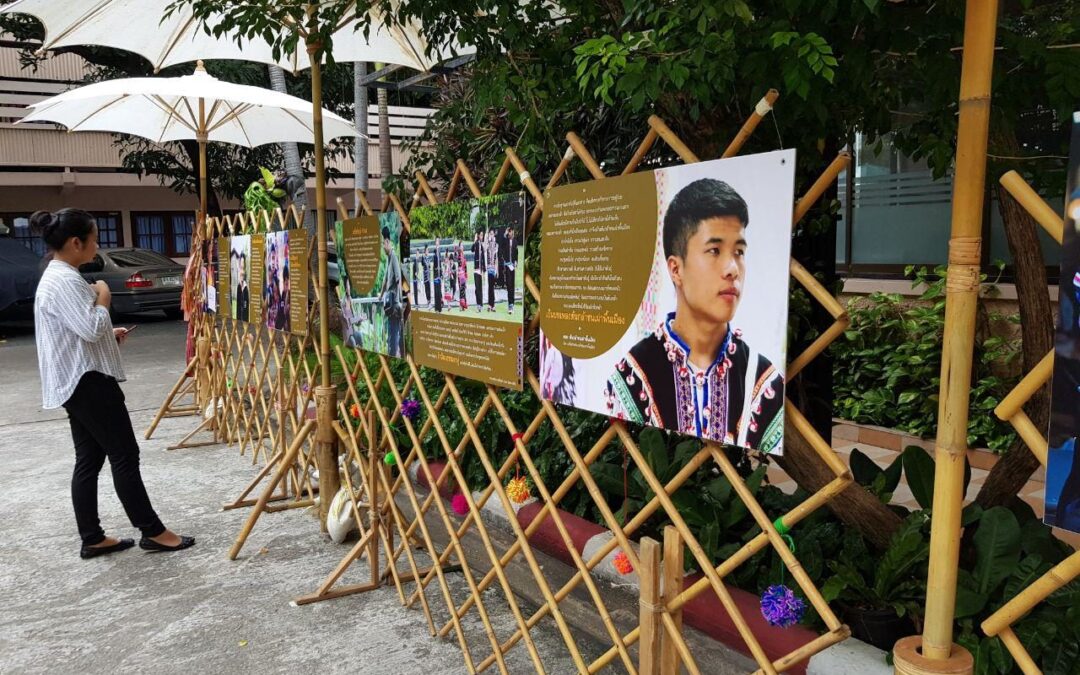
On 14 July 2018, the ICJ co-organized a discussion on extrajudicial killings in Thailand, focusing on the cases of Chaiyaphum Pasae and Abe Saemu.
The discussion was held at the Student Christian Centre in Bangkok.
Chaiyaphum Pasae, a Lahu youth activist, was killed by a military officer in the Chiang Dao district of Thailand’s northern Chiang Mai province in March 2017. The killing took place during an attempt to arrest him as an alleged drug suspect. Officials claimed Chaiyaphum Pasae had resisted arrest and was subsequently shot in “an act of self-defence”.
Abe Saemu, from the Lisu hill tribe, was killed by a military officer in February 2017 in the Chiang Dao district of Chiang Mai province in an attempt to arrest him on allegations of drug coffences. Officials claimed Abe Saemu had resisted arrest and was killed in “self-defence”.
During the discussion, ICJ’s National Legal Adviser Sanhawan Srisod addressed the audience to set out the international law and standards that apply to investigating potentially unlawful deaths, including the rights of victims and family members, referring to the standards set out in the revised Minnesota Protocol on the Investigation of Potentially Unlawful Death (2016), which was launched in Thailand on 25 May 2017.
Participants in the event included members of the families of Chaiyaphum Pasae and Abe Saemu, the lawyers in both of their cases, interested members of the public, media representatives, students and academics.
The discussion opened with an art exhibition and Lahu dance show by the Save Lahu group. Human Rights Commissioner Angkhana Neelapaijit then made a presentation on challenges in seeking accountability for extrajudicial killings in Thailand.
A panel discussion on the latest updates in the cases of Chaiyaphum Pasae and Abe Saemu followed, moderated by Pranom Somwong from Protection International.
The panel included relatives of Chaiyaphum Pasae and Abe Saemu; Ratsada Manuratsada, a lawyer representing the families in both cases and Krissada Ngamsiljamras, a representative from the National Human Rights Commission of Thailand.
A second panel considered challenges on the administration of criminal justice in the context of unlawful deaths.
Moderated by Pratubjit Neelapaijit of UN Office of the High Commissioner for Human Rights, the panel included Malee Sittikreangkrai (Chiang Mai University); Sumitchai Hattasan (Human Rights Lawyers’ Association); Namtae Meeboonsalang (Provincial Chief Public Prosecutor, Office of the Attorney-General); Kritin Meewutsom (Forensic doctor, Ranong Hospital); and Sanhawan Srisod (ICJ).
The event was conducted in collaboration with Cross Cultural Foundation (CrCF); Protection International (PI); UN OHCHR; Human Rights Lawyers’ Association (HRLA); Thai Volunteer Services (TVS); Dinsorsee Creative Group; Center for Ethnic Studies and Development, Chiang Mai University (CESD); Legal Research and Development Center, Chiang Mai University (LRDC) and Network of Indigenous Peoples in Thailand (NIPT).
Contact
Kingsley Abbott, Senior Legal Adviser, ICJ Asia Pacific Regional Office, kingsley.abbott(a)icj.org

Jun 28, 2018 | News
On 24-25 June, ICJ Commissioners from the Latin America region came together in Bogotá, Colombia, to consider and enhance ICJ strategies to combat past and resurging trends in extrajudicial executions and enforced disappearances in the region.
The meeting was the first of its kind to bring together ICJ Commissioners on a regional basis: Carlos Ayala (Venezuela); Miguel Carbonell (Mexico); Gustavo Gallón (Colombia); Roberto Garretón (Chile); Juan Mendez (Argentina); Victor Rodriguez Rescia (Costa Rica); Alejandro Salinas Rivera (Chile); Mónica Pinto (Argentina); Belisário dos Santos Júnior (Brazil); and Wilder Tayler (Uruguay).
The meeting was followed by a preparatory mission (involving two Commissioners and the ICJ’s legal representative in Colombia) on the transitional justice mechanisms envisaged under the Havana Agreement, with a particular emphasis on the jurisdiction and operation of the ‘Special Jurisdiction for Peace’. A full high-level mission will follow in September, at which time the ICJ intends to identify minimum benchmarks for the effective operation and sustainable impact of those mechanisms.
In all regions of the world, recourse to enforced disappearances and extrajudicial killings continues; victims and their families (the overwhelming majority of whom are women, children and indigenous peoples from rural areas dominated by poverty and social and political exclusion, as well as trade unionists and human rights defenders) struggle to obtain prompt and effective remedies and reparation; and perpetrators enjoy impunity through inadequate or improper laws, ineffective institutional frameworks, selective recourse to accountability mechanisms and/or political interference in the functioning of those mechanisms.
The meeting confirmed that these challenges are particularly evident in Latin America, where there has been a resurgence in recourse to enforced disappearances and extrajudicial killings in countries throughout the region and where violations of the past have in very many cases been inadequately addressed. By way of example:
- In Brazil, official statistics from 2016 attest to the occurrence of 62,000 violent deaths and potentially up to 22,000 enforced disappearances each year.
- 45 years after the coup d’état in Chile, about 800 people have been convicted and sentenced to imprisonment, but those figures belie the extensive occurrence and levels of responsibility for gross violations of human rights that occurred.
- In Colombia, more than 70,000 cases of enforced disappearance were documented by the Attorney General for the period 1970-2015 and there is general consensus that the number of missing persons likely exceeds 100,000. The wide and persistent extent of extrajudicial killings has been noted by UN and Inter-American experts and bodies as well as the Office of the Prosecutor of the International Criminal Court.
- In Guatemala, only 34 convictions for conduct involving conflict-era violations have been secured, despite the fact that the internal armed conflict of 1960-1996 involved massive and systematic human rights violations. Impunity has undermined redress and accountability and severely weakened the prevention of violations, with the National Civil Police having recorded more than 25,000 people ‘disappeared’ in 2003-2014, more than half of which were women.
- Peru’s internal armed conflict of 1980-2000 resulted in more than 69,000 people killed and ‘disappeared’, but less than 100 convictions have been secured under the judicial subsystem established in 2004 that specializes in accountability for gross human rights violations.
- In Venezuela, civil society reports at least 12,000 real or perceived political opponents having been arbitrarily detained between January 2014 and April 2018; and almost 6,000 alleged extrajudicial killings between 2012 and 2016.
In all the countries from which the Commissioners originate, several common factors were identified:
- The intrinsic risks to continuation of and lack of redress and accountability for gross human rights violations posed by executive action that undermines the rule of law;
- Also inherent to the rule of law, the critical need for independent and impartial judicial mechanisms and individual judges and lawyers to allow for transitional justice, in particular for victims and their families to access effective remedies and reparation and for the holding to account of perpetrators;
- A high level of correspondence between impunity for gross human rights violations and the corruption of public officials;
- The increased, and in some cases extensive, recourse to arbitrary and detention, which in many cases precede and allow for the occurrence of extrajudicial executions and enforced disappearances;
- A similar inter-relationship between enforced disappearances and the occurrence of torture and other forms of ill-treatment;
- The detrimental impact to ensuring accountability for violations of the past when omitting non-State and paramilitary actors from transitional justice processes; and
- The increase in highly conservative (political and popular) sentiments and movements within the region and the corresponding need to tailor responses depending on the democratic versus autocratic nature of government and its institutions.
Noting that the ICJ has long sought to combat extrajudicial executions and enforced disappearances, including through the development of UN and regional instruments and standards and through its action in Latin America and the globe, the ICJ’s Commissioners urged the ICJ to continue and expand its engagement. Noting also the increasing call by local civil society actors for support and intervention by the ICJ, the meeting considered the organization’s role in seeking redress and accountability for, and prevention of, gross violations of human rights.
Commissioners reinforced, and commented on the effective parameters of, the ICJ’s strategic and victim-centred approach to address and prevent gross human rights violations, including extrajudicial executions and enforced disappearances. Having regard to the ICJ’s mandate and worldwide network of judges and lawyers, Commissioners emphasized the unique role that the organization has by grounding its work on the transformative role of the law, justice institutions and justice actors.
The particular means by which this role can be achieved by the ICJ were discussed against the background of recent and planned activities in the region and beyond. Commissioners overwhelmingly supported these plans and the Secretariat is now poised to continue implementation of its strategies in its current programmes of work and in the development of future projects.
May 25, 2018 | News
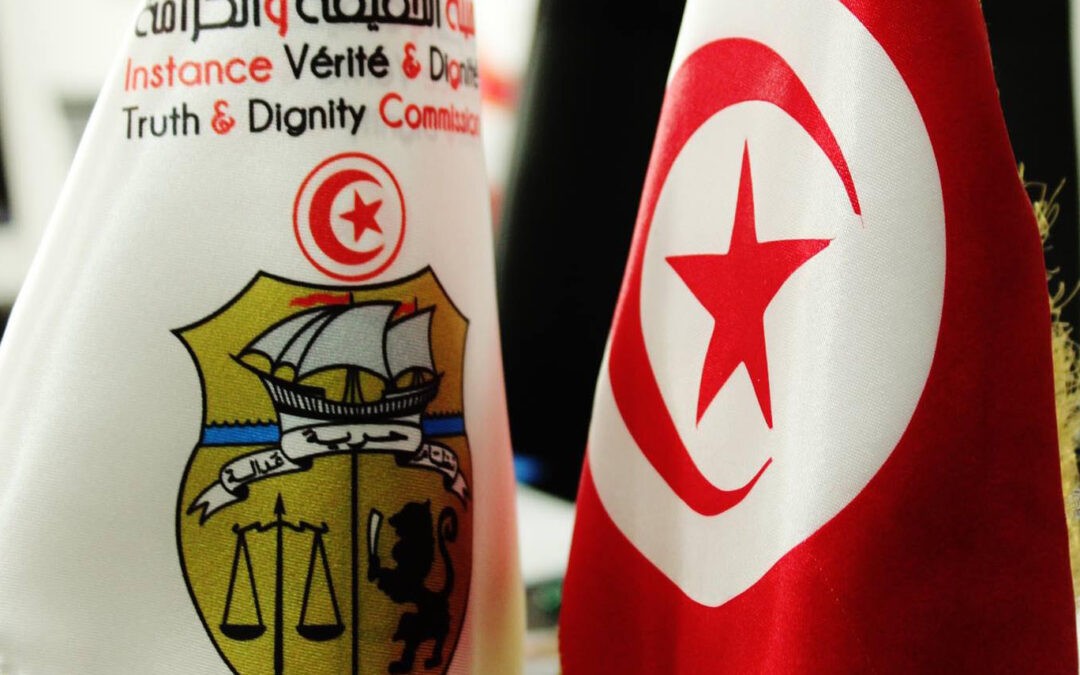
The ICJ today called on the Tunisian Parliament to reverse its decision of 26 March 2018 and allow the Truth and Dignity Commission (IVD) to carry out its mandate for at least another year.
The IVD should be in the position to finalize its investigations of past serious human rights violations in the country and, when appropriate, refer cases to the Specialized Criminal Chambers (SCC), the ICJ added.
Since its decision, the Parliament has not considered or adopted any measures to address the legal and practical consequences, including how incomplete investigations by the IVD will be handled, how other investigations will be transferred to the SCC and by whom, how evidence will be preserved and protected, how the documents and the material gathered by the IVD will properly be archived, and what would happen if the IVD were unable to complete the drafting of the final report.
The initial four-year term of the IVD ends on 31 May 2018.
“It’s absolutely irresponsible for the Tunisian Parliament to thwart the whole transitional justice process and curtail the work of the IVD without providing any path forward,” said Said Benarbia, ICJ MENA Director.
“As one of the three branches of government, the Parliament must abide by Tunisia’s obligations under international law to establish the truth about past human rights violations, bring the perpetrators to account, and provide victims with effective remedies and reparation,” he added.
The March decision runs counter to all these obligations.
It denies the rights of victims, and broader society, to know the truth, including about the circumstances and reasons that led to decades of serious human rights violations in the country.
The IVD has not been able to finalize its investigations or produce its final report.
It also shields those responsible from criminal accountability. Only eight cases have so far been referred by the IVD to the SCC.
The fate of cases that have been investigated but are not referred before 31 May 2018 remains unclear. The IVD reportedly received some 62’712 complaints.
“The Parliament is abdicating its responsibility to respect and protect victims’ rights,” Benarbia said.
“Instead of playing cynical political games that can only foster impunity, the Parliament should reverse its decision and remove all the obstacles that might impede the IVD’s work in ensuring accountability for past abuses, ” he added.
Contact
Said Benarbia, Director of the ICJ Middle East and North Africa Programme, t: +41798783546, e: said.benarbia(a)icj.org
Background
Under the 2013 law on transitional justice, the IVD initially had a four-year term, with the possibility of renewal for a single additional year, on the basis of a reasoned decision by the IVD.
The 2013 law provided that the IVD’s decision on renewal should be submitted to the Parliament.
The law is however silent as to whether the submission of the IVD decision was simply a matter of notification, or required approval of Parliament to be effective.
In any event, 68 members of the Parliament voted on 26 March against extending the term of the IVD for another year.
Under its bylaws, for decisions of Parliament to be valid they must be adopted by at least 72 of its members.
The apparent lack of quorum for the Parliament’s 26 March decision has only introduced more uncertainty and confusion, further complicating the position for the IVD and others, including most notably the victims themselves.
On 24 May 2018, the IVD and the Minister in charge of relations with constitutional bodies, civil society and human rights issued a joint statement reiterating Tunisia’s commitments to the transitional justice process as provided by the Constitution.
In the statement, the IVD was requested to transfer all cases concerning serious human rights violations to the SCC, to establish criteria on the basis of which reparation for victims will be provided, to establish compensation criteria for the Victims Fund, and to send the final report to the President of the Republic, the President of the Parliament and the President of the Government.
Tunisia-IVD Parliament-News-2018-ARA (full story in Arabic, PDF)