The ICJ today requested the UN Special Rapporteur on the situation of human rights defenders to call on Zimbabwe, Angola, the Democratic Republic of Congo and Swaziland to take effective measures to prevent and end attacks on and persecution of human rights defenders.
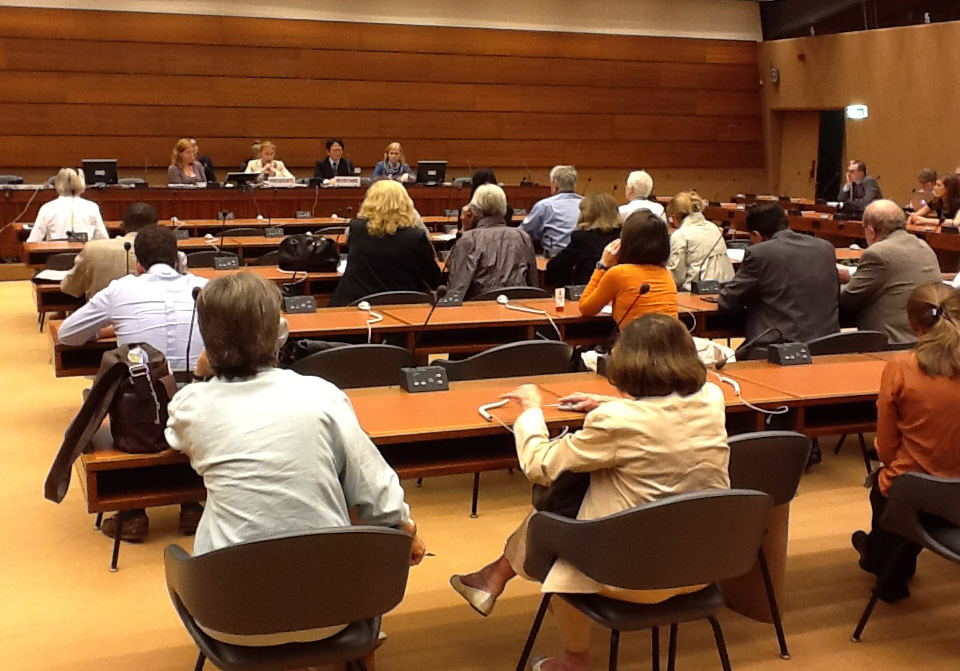
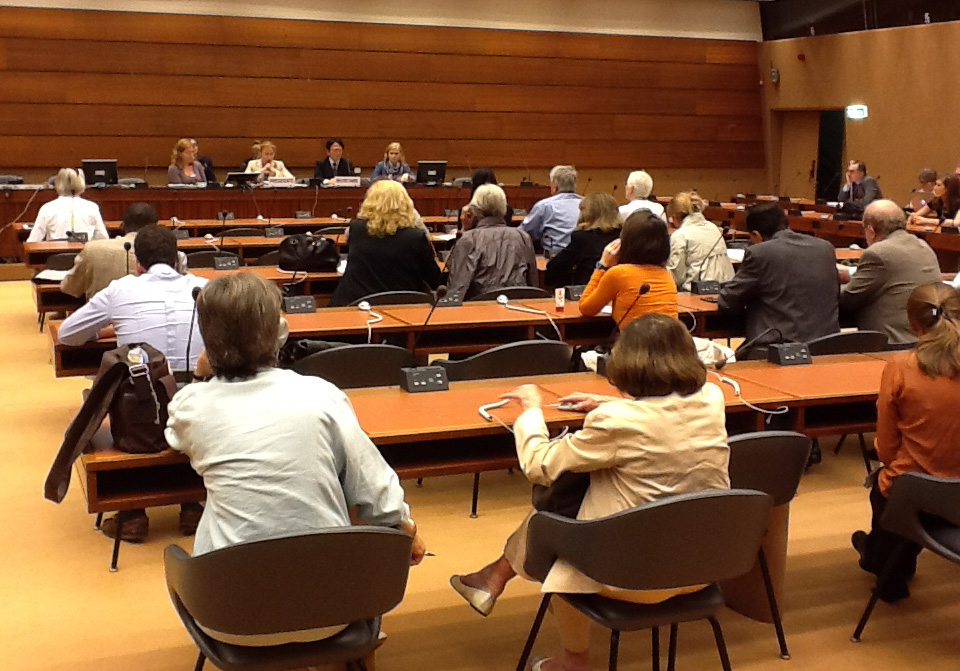
The ICJ delivered its oral statement today during an interactive dialogue with the Special Rapporteur as part of the Human Rights Council’s 22nd regular session (25 February to 22 March 2013).
The ICJ also noted the need for these States to:
Ensure adherence to international standards on detention and fair trial in cases where human rights defenders have been arrested;
Conduct prompt and impartial investigations and, where human rights abuses are criminal in character, prosecute all persons responsible; and
Ensure that affected human rights defenders have access to effective remedies and reparation for such abuses.
Also addressed to the Special Rapporteur on the situation of human rights defenders was a written statement submitted earlier this month concerning legislative restrictions on ‘homosexual propaganda’ that threaten LGBT human rights defenders.
During a half-day of general discussion held today by the Human Rights Committee, the ICJ supported the establishment by the Committee of a General Comment on the right to security and liberty of the person under article 9 of the International Covenant on Civil and Political Rights (ICCPR).
As an update to its General Comment No 8 of 1982, the Human Rights Committee (the Committee) has commenced a process to develop a new General Comment on article 9 of the ICCPR. Responding to a list of issues prepared by the Committee for potential expansion within the General Comment, the ICJ supported the initiative and called for clarification of certain issues in this work.
The ICJ’s submission and statement also called on the Committee to give express consideration to the following thematic issues within the General Comment:
The meaning of ‘arbitrary’ deprivation of liberty;
Application of article 9 in international and non-international armed conflicts, including in the context of administrative detention;
Control orders and other mechanisms involving restrictions of movement and the extent to which such mechanisms might interfere with liberty rights;
Detention of asylum-seekers and irregular migrants; and
The role and accountability of legal entities.
The Committee is scheduled to consider and adopt a first draft of the General Comment during its session in March 2013. The ICJ intends to make substantive submissions on this first draft.
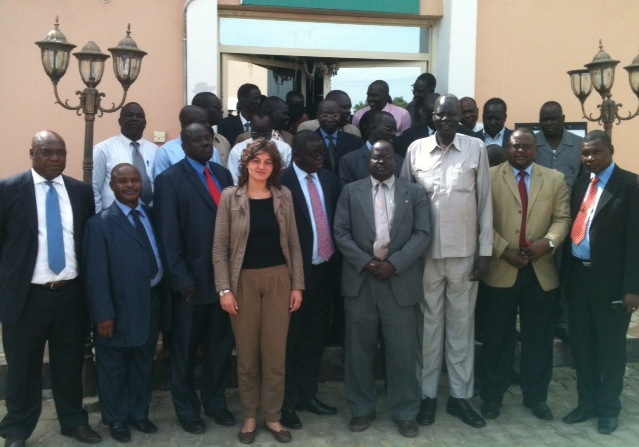
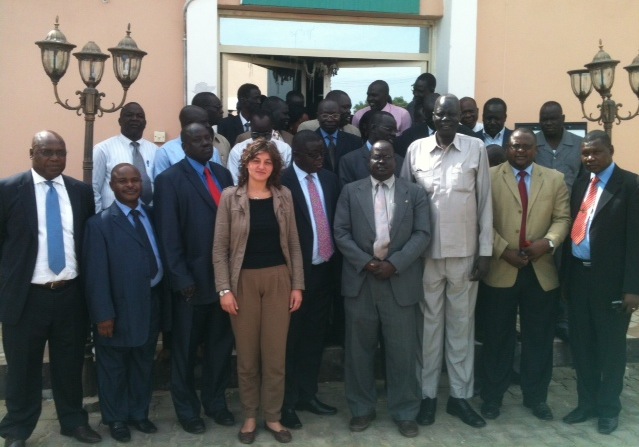
The ICJ is holding a workshop on access to justice and the right to fair trial from 22 to 24 October in Juba, South Sudan.
The workshop, organized in collaboration with the South Sudan Law Society, is aimed at judges, prosecutors, lawyers, and legal staff of the Ministry of Justice. It covers inter alia general fair trial standards, the role of the prosecutor and an independent legal profession, and specific standards applicable to arrest, pre-trial detention and trial proceedings. An ICJ delegation consisting of Judge Charles Mkandawire (ICJ Commissioner and Registrar of the SADC Tribunal), President Judge Anaclet Chipeta (High Court of Malawi), former Judge Thomas Masuku (High Court of Swaziland), Arnold Tsunga (ICJ Africa Regional Programme Director) and Ilaria Vena (CIJL Associate Legal Adviser) lead the training and debate sessions, together with representatives of the South Sudan Law Society.
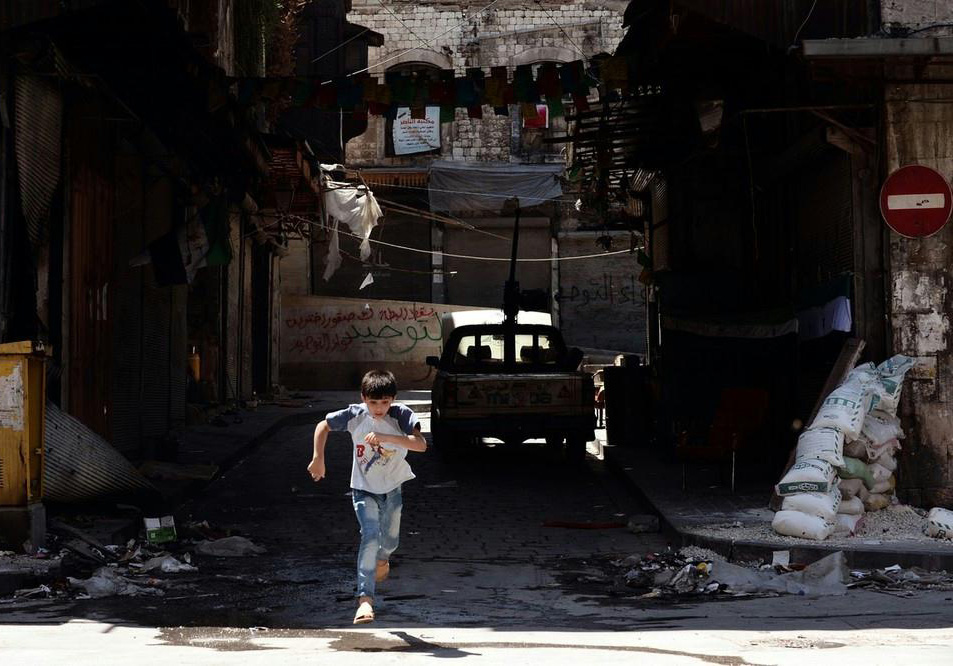
The ICJ called on the UN Human Rights Council to request the Security Council to immediately refer the situation in Syria to the International Criminal Court. Watch the webcast of ICJ’s statement.
As a matter of urgency, the Security Council should take other effective measures to protect civilians and address the humanitarian crisis in Syrian cities and villages, the ICJ urged. The ICJ delivered its oral statement on 17 September 2012 in the course of the general debate on situations requiring the Council’s attention, during the course of the 21st regular session of the Human Rights Council.
During the 21st session of the UN Human Rights Council (10-28 September 2012), the ICJ and the Geneva Academy of International Humanitarian Law and Human Rights will convene a high-level discussion on ensuring human dignity during detention.
The parallel event will be held in the Palais des Nations in meeting room XXI on Tuesday 25 September 2012 from 14h to 16h.
The event will discuss the need and options for an international instrument clarifying and enhancing the human right legal framework applicable to persons in detention. Panelists include Professor Manfred Nowak, former Special Rapporteur on torture and former member of the Working Group on enforced disappearances; Judge Theodor Meron, Judge on the Appeals Chambers of the ICTY and ICTR; Professor Shaheen Sardar Ali, Vice-Chair of the Working Group on arbitrary detention; and Ian Seiderman, Law and Policy Director of the ICJ. The event will be moderated by Hina Jilani, member of the Panel on Human Dignity and Advocate of the Supreme Court of Pakistan.
The event is open to all persons with access to the Palais des Nations.
🍪 We use cookies on our website to improve your experience. By clicking "Accept all", you consent to the use of all the cookies. If you'd like to control which cookies we use, please visit "Cookie settings". To find out more, read our privacy policy and cookie policy.
Functional
Always active
The technical storage or access is strictly necessary for the legitimate purpose of enabling the use of a specific service explicitly requested by the subscriber or user, or for the sole purpose of carrying out the transmission of a communication over an electronic communications network.
Preferences
The technical storage or access is necessary for the legitimate purpose of storing preferences that are not requested by the subscriber or user.
Statistics
The technical storage or access that is used exclusively for statistical purposes.The technical storage or access that is used exclusively for anonymous statistical purposes. Without a subpoena, voluntary compliance on the part of your Internet Service Provider, or additional records from a third party, information stored or retrieved for this purpose alone cannot usually be used to identify you.
Marketing
The technical storage or access is required to create user profiles to send advertising, or to track the user on a website or across several websites for similar marketing purposes.