Mar 28, 2019 | Advocacy, Non-legal submissions
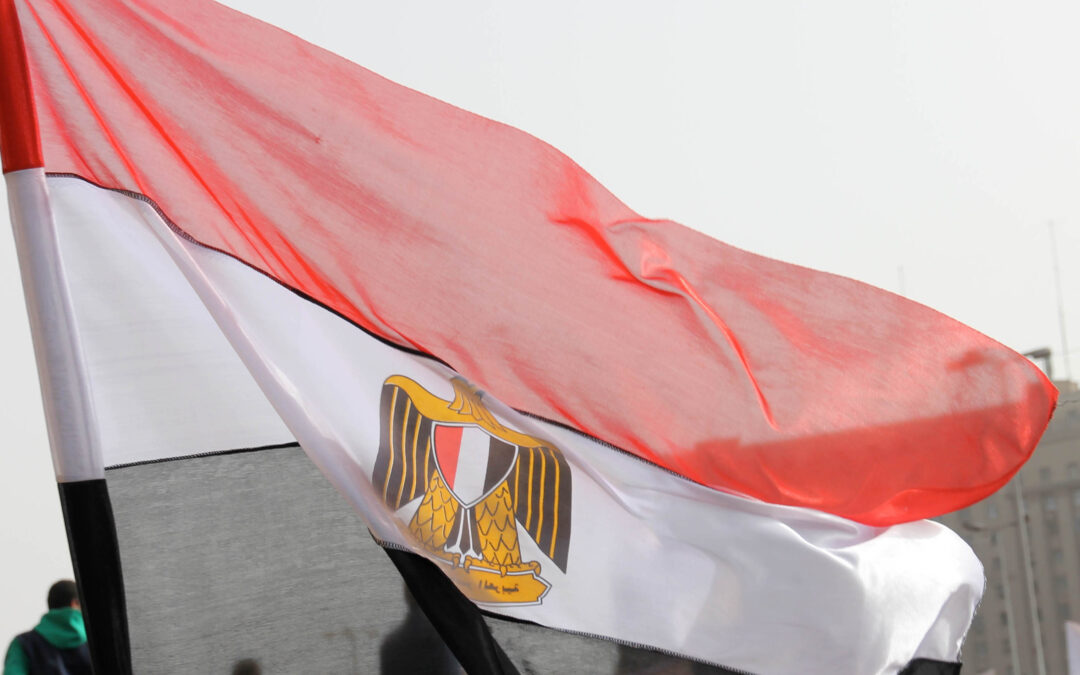
Today, the ICJ and Adalah for Rights and Freedoms (Adalah) filed a submission to the Human Rights Council’s Working Group on the Universal Periodic Review in advance of its review of Egypt’s human rights record in November 2019.
In their submission, the ICJ and Adalah drew the the attention of the Working Group on the UPR to the following concerns:
- arbitrary arrests and detentions and systematic use of pre-trial detention;
- the systematic use of torture, ill-treatment and enforced disappearance;
- the imposition of death penalty following unfair trials; and
- the politicization of the judiciary and the use of courts as a tool of repression.
The ICJ and Adalah called on the Working Group and the Council to urge the Egyptian authorities to :
- End the practice of holding detainees incommunicado;
- End all other forms of arbitrary detention;
- Comprehensively reform the pre-trial detention framework, including by ensuring that resort to it is exceptional, and that such detention may be ordered only when it is determined on the basis of evidence that it is necessary, proportionate and reasonable in the circumstances of the individual case;
- Ensure that pre-trial detention is not mandatory for all individuals charged with a particular category of felony or misdemeanor, or based on the potential sentences for the offences alleged;
- Ratify the International Convention for the Protection of All Persons from Enforced Disappearance (CED);
- Enact a crime of enforced disappearance in the Egyptian Criminal Code consistent with article 2 of the CED;
- Amend article 126 of the Criminal Code with a view to enacting a crime of torture consistent with article 1 of the CAT;
- Accept independent monitoring of detention facilities by allowing independent observers immediate access to detainees and prisoners, and to that end, accede to the Optional Protocol to the CAT;
- Implement all the recommendations of the CAT following its article 20 inquiry;
- Amend Egyptian law and abolish the use of the death penalty;
- Pending abolition, implement an immediate moratorium on all executions and on the imposition of capital punishment, including in cases of involving intentional killings;
- Pending abolition, ensure that proceedings in death penalty cases conform to the highest standards of judicial independence, competence and impartiality, and strictly comply with all fair trial rights;
- Pending abolition, ensure that the right to appeal in death penalty cases include review of both the factual and the legal aspects of the case by a higher ordinary, independent and impartial tribunal;
- Pending abolition, provide for the right of individuals convicted in death penalty cases to seek a pardon, commutation of sentence or clemency.
- Ensure that all convictions in death penalty cases that followed unfair trails are quashed;
- End Executive interference in judicial affairs;
- Limit the jurisdiction of military courts to trials of military personnel only for breaches of military discipline; and
- Abolish Emergency State Security Courts.
Egypt-Adalah_ICJ UPR-Advocacy-Non Legal Submissions-2019-ENG (full text of submission, in PDF)

Feb 5, 2019 | News
The ICJ expressed its grave concern today at the arrest, detention and criminal charges brought against Maurice Kamto, leader of the opposition party Cameroon Renaissance Movement (CRM), and other CRM activists.
The ICJ called for the immediate release of Maurice Kamto, who is also former Commissioner of the ICJ.
The arrest of Maurice Kamto, on 28 January, came following the violent breakup by the security forces of opposition demonstrations on 26 January.
Maurice Kamto is said to face charges of sedition, insurrection and inciting violence.
There are reports that he and other arrested persons have begun a hunger strike.
The ICJ is concerned that Maurice Kamto and other opposition leaders may be prosecuted for the exercise of rights protected under international law, including the rights to freedom of expression, association, assembly and political participation
The ICJ called on the Cameroon authorities to fully safeguard the human rights of Maurice Kamto and the other detainees, including the rights to liberty, fair trial, and freedom from ill-treatment, guaranteed under Cameroonian and international law.
Contact:
Arnold Tsunga, ICJ Africa Director; t: +27716405926, or +254 746 608 859 ; e: arnold.tsunga(a)icj.org
Solomon Ebobrah, Senior Legal Adviser, ICJ Africa Regional Programme, t: +234 8034927549 ; e: solomon.ebobrah(a)icj.org
Dec 14, 2018 | News
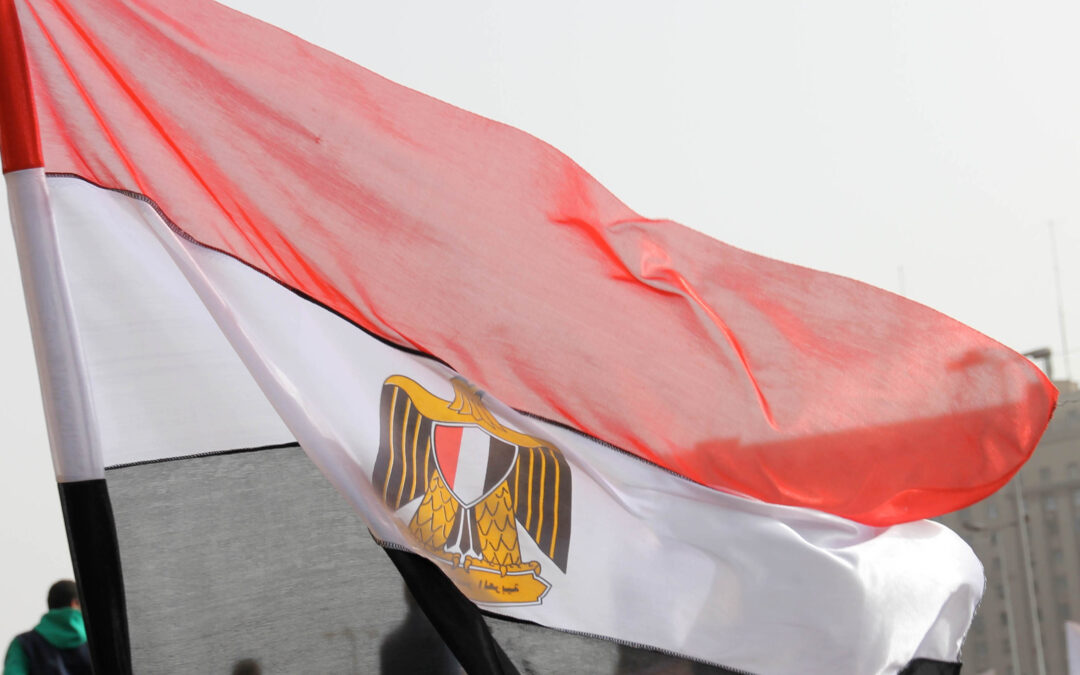
The Egyptian authorities should immediately and unconditionally release human rights lawyer Mohamed Ramadan and drop the charges against him or otherwise charge him with a recognizable crime consistent with international law, said the ICJ today.
Mohamed Ramadan was arrested, by plainclothes security officers on 10 December 2018, after attending proceedings concerning the renewal of a detention order against one of his clients. The client, Ayman Mahmoud, himself had been evidently detained for political reasons, and charged with joining and promoting an “illegal group” and “spreading false news on Facebook and Twitter to harm State interests.”
Following his arrest, Mohamed Ramadan was detained overnight in the National Security Agency Office. Ramadan’s family and lawyers did not know of his whereabouts until he was brought before the Alexandria Prosecutor on 11 December 2018.
According to information available to the ICJ, the Prosecutor charged Ramadan with joining a terrorist group, promoting its ideology including through social media and possession of publications supporting the group’s purpose (Case No. 16576/2018 Montaza), and ordered that he be detained for 15 days.
The charges appear to be to intended to prevent Ramadan’s exercise of freedom of expression and work as a lawyer. One of the lawyers who attended Ramadan’s interrogation on 11 December 2018 informed the ICJ that Ramadan had been informed by the Prosecutor to stop representing political detainees.
“The Egyptian authorities have engaged in a pattern of arresting, detaining and charging lawyers, human rights defenders and others perceived as opponents on unsubstantiated or illegitimate charges and in violation of their rights, typically under the pretext of fighting its ‘war on terrorism’,” said Saïd Benarbia, ICJ MENA Director. “The authorities should stop using laws that are purportedly designed to counter terrorism to silence persons exercising their human rights and lawyers carrying out their proper professional functions.”
According to lawyers who attended Mohamed Ramadan’s interrogation on 11 December, the Prosecutor alleged Ramadan possessed flyers opposing Egyptian President Sisi and multiple yellow vests. A credible news source reported that, prior to his arrest, Ramadan had posted a photograph on Facebook in which he wore a yellow vest to mock the government’s restriction on the sale of them.
According to media reports, earlier this month Egyptian authorities restricted the sale of yellow vests until the end of January 2019, in fear that opponents might be influenced by the French gilet jaunes protests to hold similar protests during the anniversary of the 2011 uprising against Hosni Mubarak next month.
Mohamed Ramadan is one of a number of lawyers who have been targeted in connection with carrying out their professional functions or for being perceived as opposing the Egyptian authorities.
“Imprisoning human rights lawyers, charging them for posting comments online, and deterring them from defending clients hampers the independent role they should play as a lawyer and as a last line of defence against the authorities’ abuses,” said Said Benarbia. “Egypt must protect these lawyers and safeguard their security, not muzzle their voices through abusive criminal proceedings.”
Background
In April 2017, the Alexandria Criminal Court convicted Ramadan in absentia of inciting terrorism, and sentenced him to ten years’ imprisonment followed by five years’ house arrest and a five year ban on using the internet, for posting comments attributed to him on fake Facebook profiles which were critical of the Egyptian President. His retrial is suspended until the Supreme Constitutional Court decides on the constitutionality of the Counter-Terrorism Law.
Any person arrested has the right to inform, or have the authorities notify, someone that they have been arrested and where they are being held. Detainees must be given access to a lawyer, a doctor and their family, from the time they are taken into custody, including police custody.” Restrictions on communicating with a laywer during detention also undermines the rights to liberty and to a fair trial, including under articles 9 and 14 of the International Convention on Civil and Political Rights (ICCPR), to which Egypt is a party.
Articles 19, 22 and 25 of the ICCPR protect the rights to freedom of expression, to freedom of association and to participate in public affairs. The United Nations Declaration on Human Rights Defenders commits States to generally protecting such rights exercised by HRDs and requires states to protect HRDs from violence, threats, retaliation, de facto or de jure adverse discrimination, pressure or any other arbitrary action for the lawful exercise of such rights.
Paragraphs 16 and 18 of the UN Basic Principles on the role of Lawyers require states to ensure lawyers are able to perform of their professional functions without intimidation, hindrance, harassment or improper interference, are not prosecuted or threatened with prosecution for any action taken in accordance with recognized professional duties, standards and ethics, and can exercise freedom of expression.
The ICJ has previously expressed concern over the arbitrary arrests and enforced disappearance of human rights defenders, lawyers, and political activists and persons otherwise providing support to political detainees.
In June 2018, the ICJ also expressed its concerns about Egypt’s repeated renewals of the State of Emergency since April 2017, and the use of the state of emergency to suppress the activities of and persecute students, human rights defenders, political activists, union members and those suspected of opposing the government.
Egypt-MohRamadan-News-web stories-2018-ARA (full story in Arabic, PDF)
Nov 14, 2018 | Advocacy, Cases, Legal submissions
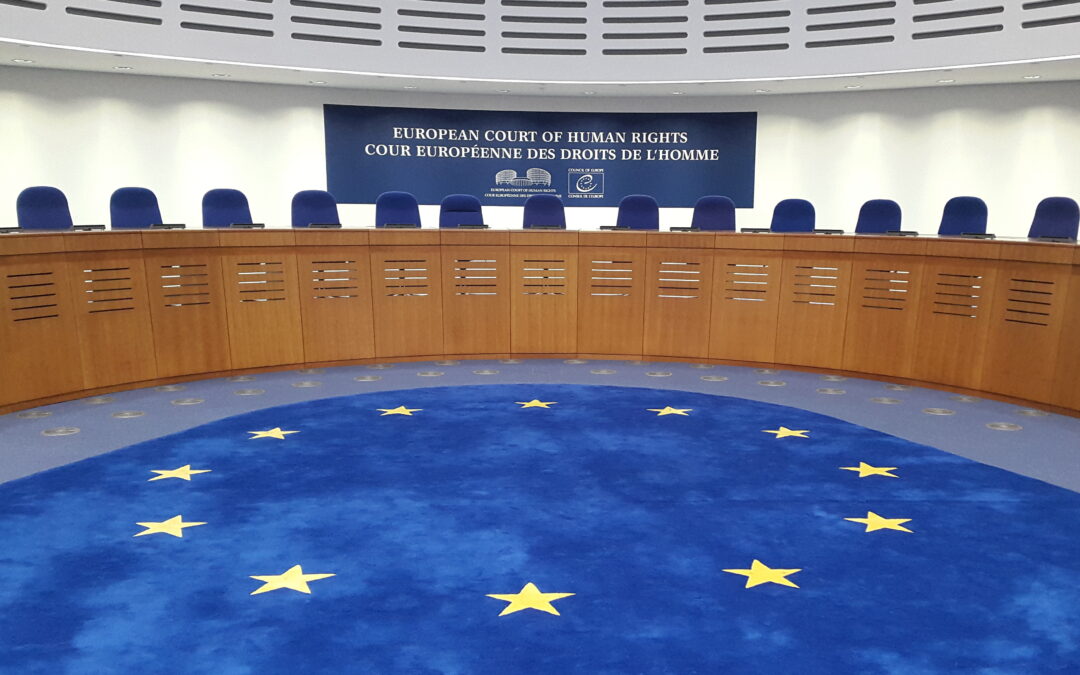
The ICJ intervened today before the European Court of Human Rights in the cases of a judge and a scholar that were arrested in the wake of the state of emergency in Turkey.
Mr Hakan Baş is a judge who was dismissed and arrested under emergency legislation following the attempted coup of 15 July 2016.
Mr Seyit Ali Ablak is a teacher and was arrested in 2017 also during the state of emergency declared following the attempted coup.
They claim, among others, the violation of their right to a judicial review of detention under articles 5.3 and 5.4 of the European Convention on Human Rights (ECHR).
In this intervention, the ICJ addressed the following issues:
- the international legal and normative framework on the independence of the judiciary and the role of judges, in particular in implementation of obligations under articles 5.3 and 5.4 ECHR;
- the current situation of the independence, governance and administration of the judiciary in Turkey, with particular regard to the Council of Judges and Prosecutors and the role of the peace judges, and their conformity with State obligations under articles 5.3 and 5.4 ECHR. The situation will be assessed with reference to the findings of an ICJ mission undertaken in May 2018 and contained in the mission report Justice Suspended.
Turkey-icj-Bas-Advocacy-legal submission-2018-ENG (download the intervention in Baş v. Turkey)
Turkey-icj-Ablak-Advocacy-legal submission-2018-ENG (download the intervention in Ablak v. Turkey)
Nov 2, 2018 | Advocacy, Cases, Legal submissions
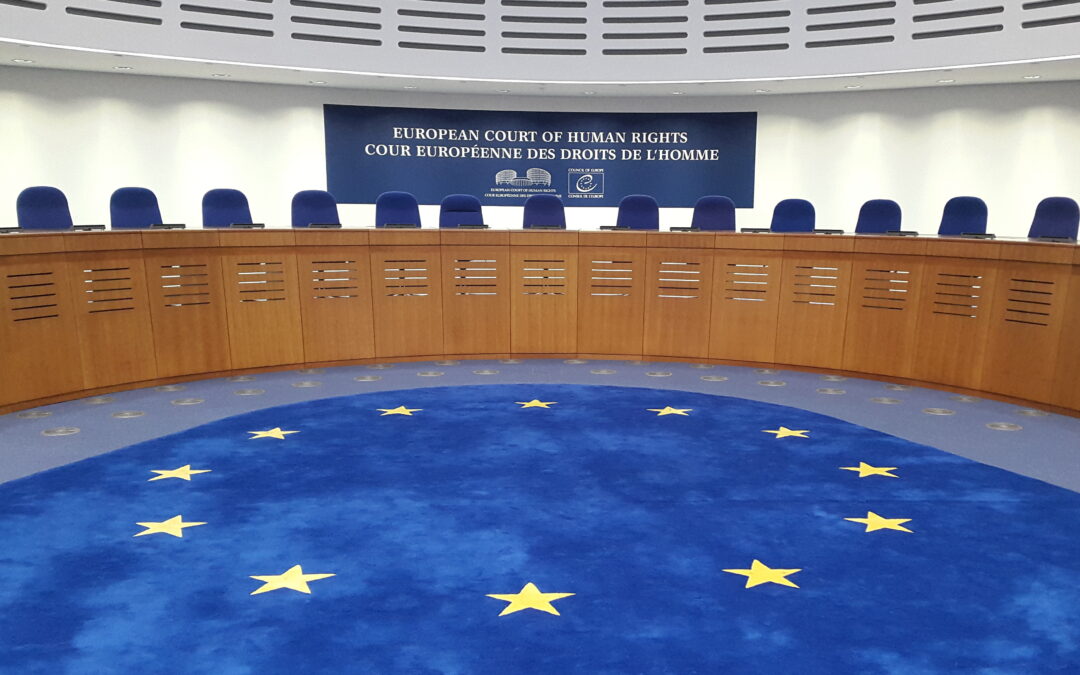
The ICJ intervened today before the European Court of Human Rights in the case of a detained Member of the Turkish Parliament from the HDP party, Ms Burcu Çelik, arrested in 2017 under “terrorism charges”.
In this submission, the ICJ provides the Court with observations concerning the capacity of the Turkish legal system to provide effective remedies for violations under the ECHR with regard to detention, in particular detention of Members of Parliament, in light of its Convention obligations, in particular obligations under Article 5.4.
The ICJ presents its analysis of these aspects of the Turkish legal system based, in part, on information ascertained during a mission to Turkey undertaken in May 2018 and in its report Justice Suspended.
Specifically, the ICJ addresses the question as to whether the remedies of individual application before the Constitutional Court (CC) and under article 141.1 (a) and (d) of the Code of Criminal Procedure (CCP) may be considered as effective in light of the State’s obligations under articles 5.4 and 35.1 ECHR.
Turkey-icj-Celik-Advocacy-legal submission-2018-ENG (download the intervention)