Jan 25, 2017 | News
The decision by the Chuy Regional Court of Kyrgyzstan on 24 January 2017 to uphold the life sentence of human rights defender Azimzhan Askarov constitutes a miscarriage of justice, and has compounded the multiple violations of his human rights, the ICJ said today.
The Court ruling was made in defiance of a decision of the UN Human Rights Committee, which had affirmed these serious violations.
The ICJ calls on the authorities of the Kyrgyz Republic to respect its international human rights obligations in this case.
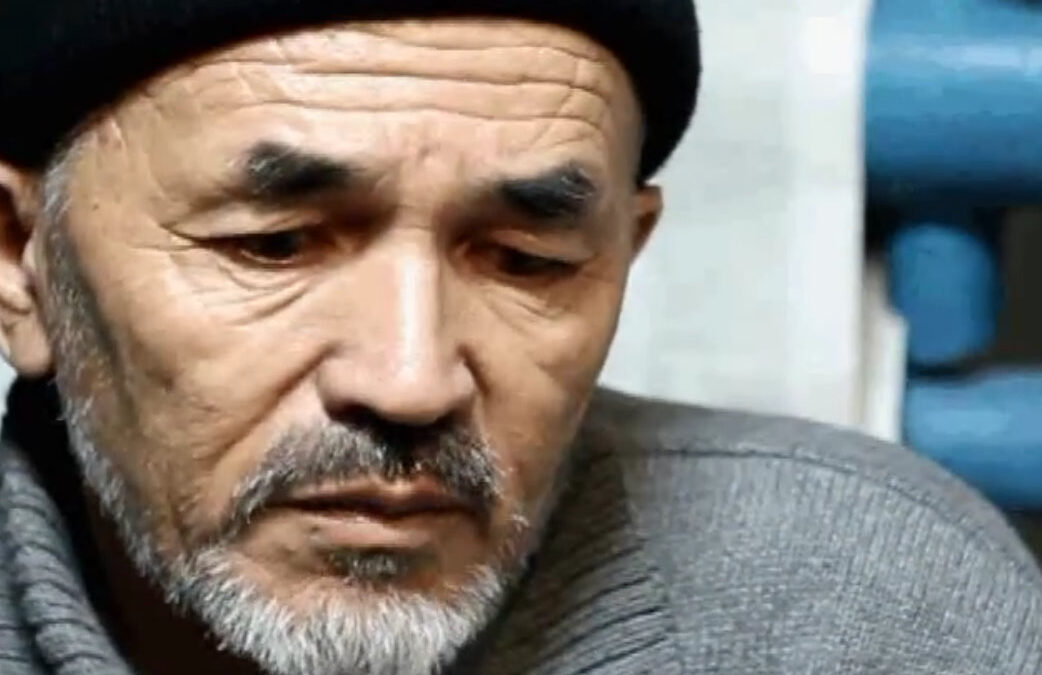
Azimzhan Askarov (photo) should have access to an immediate and effective appeal against the decision of the Chuy Regional Court.
Violations of his rights should be remedied and just compensation provided.
Azimzhan Askarov was convicted of participation in murder, organization of mass disturbances and incitement to ethnic hatred and sentenced to life imprisonment in 2011, following an unfair trial, arbitrary detention and torture.
The re-hearing of the case before the Chuy Regional Court followed the findings of the UN Human Rights Committee that his arrest, detention and trial breached Kyrgyzstan’s legal obligations under the International Covenant on Civil and Political Rights (ICCPR), including the prohibition on torture or other ill-treatment, the prohibition on arbitrary detention, and the right to fair trial.
The ICJ has closely monitored the case. Representatives of the ICJ observed several court hearings, including during the re-examination.
The ICJ regrets that the re-examination of Azimzhan Askarov’s case did not remedy the violations of his human rights found by the Human Rights Committee.
The court failed to undertake a rigorous study of both defence and prosecution cases.
Rather, it appeared to take the prosecution case at face value, thus undermining the presumption of innocence and the principle of equality of arms.
Many motions of the defence remained unaddressed or were rejected without cause.
These included a motion asking that the findings of the UN Human Rights Committee be evaluated by the Court, as they were crucial for the re-opening the case by the Supreme Court.
The Chuy Regional Court not only failed to examine the findings of the Human Rights Committee, but summarily rejected the Committee’s findings that Azimzhan Askarov had been arbitrarily arrested, held in inhumane conditions and subjected to torture.
The Court in its decision doubted the truth of Azimzhan Askarov’s statement that he had been repeatedly tortured, on the basis that three State psychiatrists concluded that he was “deceitful and subservient” and the defence had not produced witnesses or other evidence to rebut this point.
The Court heard several witnesses who stated that they had initially given false statements implicating Azimzhan Askarov because they were intimidated or subjected to ill-treatment.
The Court did not take any action to investigate these allegations.
During the re-examination of his case Azimzhan Askarov was kept in a metal cage and had no immediate opportunity to speak without hindrance with his lawyer.
Askarov, an Uzbek speaker, visibly struggled to speak in Kyrgyz, but no interpretation was provided for him.
Background
Azimzhan Askarov, a prominent human rights defender, was convicted of murder and incitement to ethnic hatred and sentenced to life imprisonment in December 2011.
The central charges concerned allegations of his participation in a murder of Myktybek Sulayamanov, a police officer, during the 2010 ethnic clashes in the South of Kyrgyzstan.
The ICJ observed the appeal hearing in the case before the Supreme Court on 20 December 2011.
Based on the results of the mission as well as the documents of the case, the ICJ published a detailed report on the arrest, detention and trial of Azimzhan Askarov.
In March 2016, the UN Human Rights Committee issued a decision in regard to Askarov’s complaint and found violations of Articles 7 (freedom from torture), Article 9 (prohibition of arbitrary detention); Article 10 (right to humane treatment in detention), Article 14 (right to a fair trial) of the International Covenant on Civil and Political Rights.
The Human Rights Committee, which in March 2016 heard a complaint brought by Askarov, called for his conviction to be quashed and if necessary a new trial to be held in line with the principles of fair trial, presumption of innocence and other procedural safeguards.
On 12 July 2016, the Supreme Court ordered a further reconsideration of the case on appeal, which resulted in upholding Askarov’s verdict and sentence.
Following the decision of 24 January, the defence said they would appeal this decision of the Chuy Court in the Supreme Court of the Kyrgyz Republic. Kyrgyzstan is a party to the ICCPR and as such is bound by this treaty to guarantee the rights it enshrines and to provide effective remedies when these rights are violated.
The decision of the Committee is an authoritative interpretation of the ICCPR which may serve as evidence in court and whose findings should not be ignored.
Kyrgyzstan-Askarov-failure to remedy-News-Web story-2017-RUS (full text in Russian, PDF)
Dec 20, 2016 | Multimedia items, News, Video clips
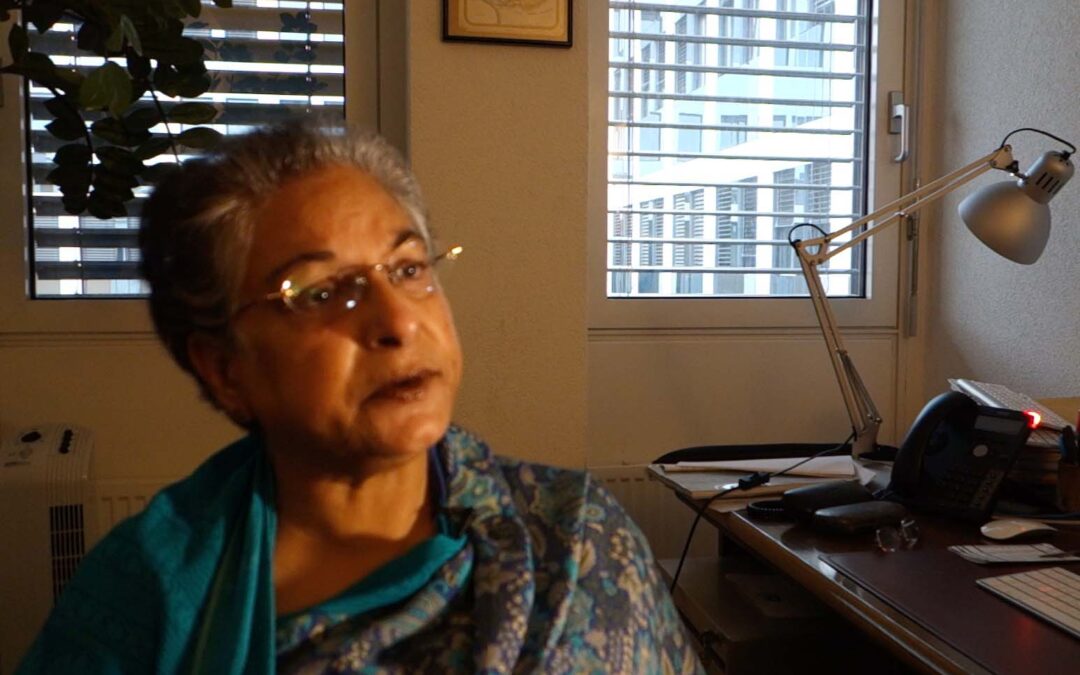
The ICJ continues its profile series of women’s rights defenders with ICJ Commissioner Hina Jilani.
Hina Jilani is a human rights activist and an advocate of the Supreme Court of Pakistan, she has served as the first UN Special Representative on Human Rights Defenders to the Secretary-General and has been an ICJ Commissioner since 2013. In 1980, Hina co-founded Pakistan’s first all-female legal aid practice, AGHS Legal Aid Cell (ALAC).
Hina started her legal career at a time of an oppressive military government takeover in Pakistan. The government sought to legitimize their authority on the basis of Islam, which they interpreted as meaning lesser rights for women who were reduced to second-class citizens and denied the same rights as men. This sparked Hina’s passionate commitment to women’s rights work.
The women’s rights movement in Pakistan has declared itself a secular movement, having decided that it is better to separate the question of religion and universal rights. Hina said that Islam doesn’t deny rights to anyone but that when it is used by those in positions of authority they can interpret religion in ways that suit their own political needs and this results in inequality.
Domestic violence is a major problem in Pakistan and Hina said that most women will have experienced this in one form or another at some point in their lives.
Hina identified a lack of social mobility and social prejudices as key challenges that women in Pakistan face in accessing justice.
In a society where women are encouraged to stay at home many women are unable to access the legal and other services they may need if their rights are being abused. Many women do not even have an awareness of what their rights are, nor do they have access to information about their rights or the kinds of people that could provide them with this information.
In addition, where women do seek justice through the legal system they often encounter social prejudices from those administering that system.
However, although the Pakistani judiciary has traditionally been very conservative there has been a lot of progress in this area. Ms Jilani thinks this is a results of women’s rights advocates taking cases to courts and presenting these in a way that makes the social inequalities and injustices apparent and makes it easier for judges to make better decision that challenge these prejudices.
Ms Jilani recommends three steps for eradicating violence against women:
Firstly, it is essential to have strong legislation; having something anchored in the law makes it incumbent for authorities and institutions to provide women with protection and justice.
Secondly, there must be mechanisms on the ground that make it possible for women to assert their rights under any such legislation; this goes beyond legal support and will include cross-sectoral services such as women’s shelters.
Thirdly, there must be independent judges administering the legislation; judges must be independent not only of the executive but also of their own social prejudices.
Defending women’s rights in the courts of law has seen some significant victories in terms of clarifying the whole meaning of equality and equal opportunity. However, Hina said that the most difficult rights protection work women can do is defending women’s rights.
Women’s rights defenders “are seen as change-makers who are not necessarily liked so they are targeted”. They are often vulnerable to exclusion, social isolation and being discredited, both within their wider communities and also, often, within their own families.
Hina Jilani recommends that women who engage in rights defence work develop strong support networks that also makes link with other rights movements. The more it is apparent they are not acting in isolation, the better protected they will be.
Watch the interview:
The series of profiles introducing the work of ICJ Commissioners and Honorary Members on women’s rights was launched on 25 November 2016 to coincide with the International Day to Eliminate Violence against Women and the first day of the 16 Days of Activism Against Gender-Based Violence Campaign.
Dec 6, 2016 | Advocacy, News, Non-legal submissions
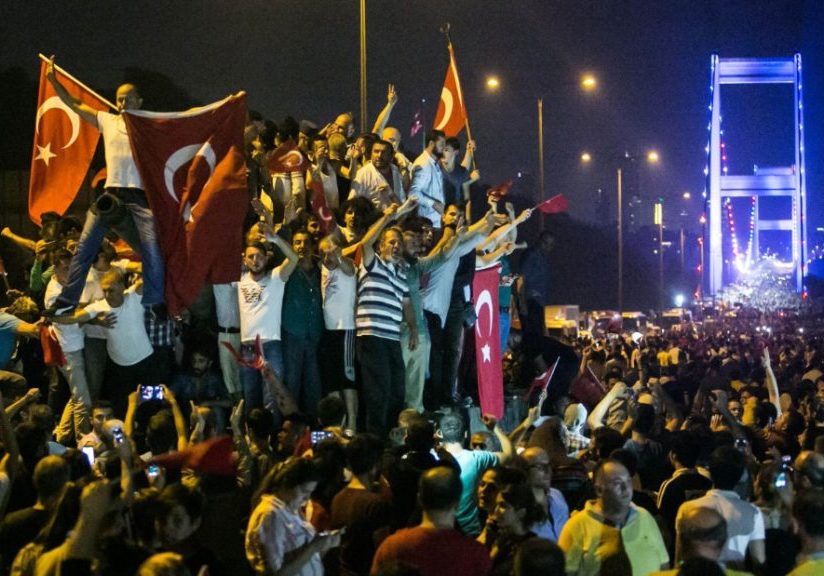
Nearly five months after the failed coup attempt in Turkey, the country remains locked in an acute rule of law crisis. The government must take urgent steps to restore the rule of law, the ICJ said today.
Mass arrests, many of them arbitrary, and credible allegations of the torture and other ill-treatment of detainees, mean that access to legal advice, to a fair trial and to effective judicial remedies are crucial. However, the unprecedented summary and arbitrary purge of the judiciary following the coup, and arrests of judges, prosecutors and lawyers, have significantly weakened the justice system and its capacity to protect against and effectively remedy violations of human rights. The vulnerability of detainees to violations of their human rights has been compounded by unwarranted restrictions on access to lawyers and extended periods of pre-trial detention.
State of Emergency
The ICJ is concerned that the State of Emergency, which involves derogations from Turkey’s international human rights law obligations, has been renewed for a second period of 90 days, until mid-January. Sweeping emergency decrees continue to erode human rights, including rights of fair trial, the right to liberty, and freedoms of expression and association.
The ICJ recalls that in times of crisis, any measures derogating from human rights must be strictly necessary to meet a current threat to the life of the nation. This necessity must be continually re-assessed so that the derogating measures apply for the shortest time possible. Certain human rights, including the right to life, the prohibition of torture or ill-treatment, and the essential elements of arbitrary deprivation of liberty and to a fair trial and the right to an effective remedy can never be restricted even in a state of emergency. The ICJ is concerned that Turkey’s notifications of derogation purport to derogate in general terms from a number of these rights.
Measures taken under the State of Emergency should be rigorously and urgently reviewed to ascertain whether they are permissible under international law and whether they remain necessary and proportionate to any current threat to the life of the nation. Moreover, it must be ensured that non-derogable rights, including the prohibition on torture and other ill-treatment, and the right to a fair trial, are not limited by emergency measures. The ICJ urges the Turkish authorities to lift the State of Emergency and the derogations from its international human rights law obligations at the earliest opportunity.
Independence of the judiciary
The ICJ reiterates its grave concern at mass dismissals of judges and prosecutors, which have a devastating effect on the independence of the judiciary. More than 3,000 judges and prosecutors – approximately one fifth of the judiciary – have been arbitrarily dismissed under emergency decrees, without procedural safeguards and without the right to reasoned decisions.
Judges and prosecutors have been detained in very large numbers. In total, more than 2,000 have been detained, including two judges of the Constitutional Court, 109 members of the Court of Cassation, 41 Members of the Council of State and five members of the High Council for Judges and Prosecutors (HSYK).
Restructuring of the Court of Cassation and the Council of State, under legislation adopted in July, has required the reappointment of all judges of these courts. New judges have been appointed rapidly, through procedures that lack transparency, and in the context of strong executive influence over the appointment process in the HSYK.
The ICJ is also gravely concerned that the independent association of judges, YARSAV, has been shut down, and its President, Murat Arslan, has been arrested.
These measures have eroded the separation of powers in Turkey and have seriously undermined the independence of the judiciary at every level, compromising the courts’ ability to provide fair trials or an effective remedy for violations of human rights. The impact of this situation on the protection of human rights goes beyond what can be justified under the state of emergency. To meet its international human rights obligations, the Turkish government must as a matter of urgency take steps to restore the independence of the judges and of the governing bodies of the judiciary. Procedural safeguards that protect against arbitrariness in criminal, civil and administrative procedures, including in regard to the dismissal of judges, must be reinstated.
Independence of lawyers and access to legal advice
The ICJ is similarly concerned at measures that undermine the independence of the legal profession and the capacity of lawyers to protect human rights. More than 573 lawyers are reported to have been detained in connection with the failed coup since July, and more than 200 have been arrested, and their assets frozen.
Amongst those reported to be arrested are four Presidents of regional bar associations: Orhan Öngöz, President of the Trabzon Bar; Mehmet Cemal Acar, President of the Siirt Bar; İsmail Taştan, President of the Gumushane – Bayburt Regional Bar and Fevzi Kayacan, President of the Konya Bar. The ICJ considers that many of these detentions and arrests are likely to be arbitrary.
These developments have very serious consequences, not only for the rights of lawyers themselves, but also for the right to a fair trial of their clients and the effectiveness of judicial remedies for violations of human rights. They raise concerns that lawyers are being identified with their clients or their clients’ causes, contrary to the Principle 18 of the UN Basic Principles on the Role of Lawyers. The ICJ recalls that under the UN Basic Principles, governments must ensure that lawyers are able to perform all of their professional functions without intimidation, hindrance, harassment or improper interference.
Furthermore, the ICJ is concerned that hundreds of NGOs have been closed under emergency decrees, including a number of lawyers’ associations. Such closures have serious implications for rights of freedom of association and expression, and for the rule of law.
The ICJ calls on the Turkish government to take urgent steps to guarantee the independence of the legal profession, protect lawyers from arbitrary detention or arrest and provide procedural safeguards to ensure the right to fair trial of lawyers under criminal investigation.
Contact:
Roisin Pillay, ICJ Europe Director, at roisin.pillay(a)icj.org or +32 2 734 84 46
Massimo Frigo, ICJ Europe Legal Adviser, at massimo.frigo(a)icj.org or +41 22 979 38 05
Nov 25, 2016 | Multimedia items, News, Video clips
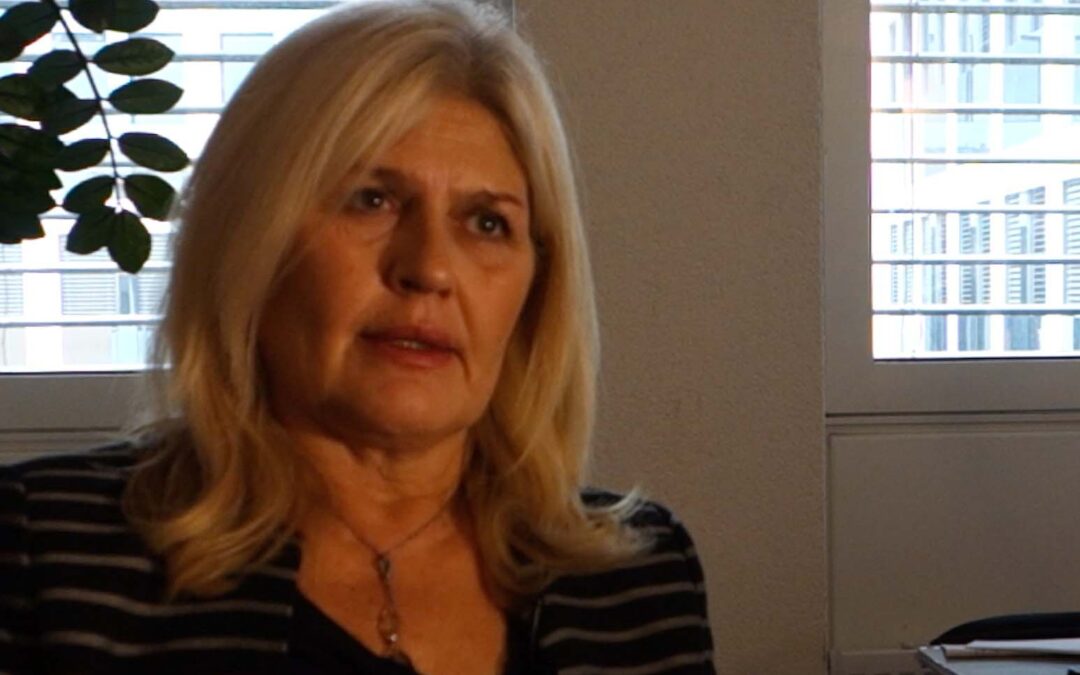
The ICJ has launched a new women’s rights defenders profile series, beginning with ICJ Commissioner and Justice of the Supreme Court of Serbia, Radmila Dragicevic-Dicic.
The monthly profile series, introducing the work of ICJ Commissioners and Honorary Members on women’s rights, has been launched to coincide with the International Day to Eliminate Violence against Women and the first day of the 16 Days of Activism Against Gender-Based Violence Campaign.
The Judges Association of Serbia was established by Radmila and others in 1997, during the regime of Slobodan Milosevic. The Association was formed under the slogan ‘I do not agree’ in opposition to the misuse of the judiciary. Many women were involved in this fight against corruption and in protection of the independence of the judiciary.
In the year 2000, shortly before the fall of Milosevic, Radmila was one of fifteen judges that were dismissed because of their opposition to the repressive regime; although she was quickly reinstated following the elections that took place later that year.
During the civil war period in the 1990s, violence against women grew significantly and domestic violence was rampant in Serbia. Radmila, and other women in the judiciary, worked on issues of organized crime and human trafficking and they were brave to do so as the State couldn’t guarantee their security.
Radmila spoke of women’s continued obstacles in accessing justice and the important of protecting victims of violence. She commented that some States still lack the facilities, resources, personnel and awareness to provide adequate protection for victims.
Human trafficking continues to be one of the biggest problems that affects women, not only in Europe but globally. Justice Dragicevic-Dicic said it was beneficial for those working on women’s rights to share their experiences and learn from one another. Although the motivations and circumstances of women trafficked in different parts of the world may vary, all these women are subject to the same kinds of violence.
In the Serbian constitution, human trafficking is categorized as a crime against humanity and is taken very seriously, although this was not always the case.
Radmila spoke of one case she presided over that helped her to understand what it meant to be a victim. The case concerned two Ukrainian students who had dreamt of going to work in Germany to earn some money for their families but were trafficked into prostitution. She said that this case helped her to understand that anyone can be a victim.
It is everyone’s right to have dreams and to be naïve but no-one has the right to violate your rights. Radmila works to raise awareness amongst other judges that their role is not to judge the victims but those that have exploited them.
There remains a number of issues for victims of trafficking that Justice Dragicevic-Dicic highlighted, including ensuring the non-punishment, safety and protection of victims as well as addressing their access to compensation. Even where the offender isn’t known, victims are still entitled to the full rights of a victim within criminal proceedings.
The judiciary and independent organizations, like the Association of Serbian Judges and the International Commission of Jurists, have an important role in protecting the rights of women. Radmila explained that this can be done through promoting international standards, ensuring that victims are made visible and ensuring that States understand their responsibilities and obligations.
Judicial education on gender-based violence is important, not just in countries undergoing transitional periods, but for all countries where regional and/or international standards have been developed.
Radmila advised anyone interested in defending women’s rights that this work can be done from any position or microsystem that an individual or group is operating in, providing they take the time to educate themselves and build awareness. What is important is that as many people as possible come together to promote and protect women’s rights. Progress can be made, even if this is little by little.
“Sometimes you think you are doing little and you feel hopeless”, said Radmila, “but then I always say if you put a little seed somewhere then it will grow, after you leave, in one year, two years it’s always worth it.”
Watch the video interview:
The series of profiles introducing the work of ICJ Commissioners and Honorary Members on women’s rights was launched on 25 November 2016 to coincide with the International Day to Eliminate Violence against Women and the first day of the 16 Days of Activism Against Gender-Based Violence Campaign.
Nov 21, 2016 | News
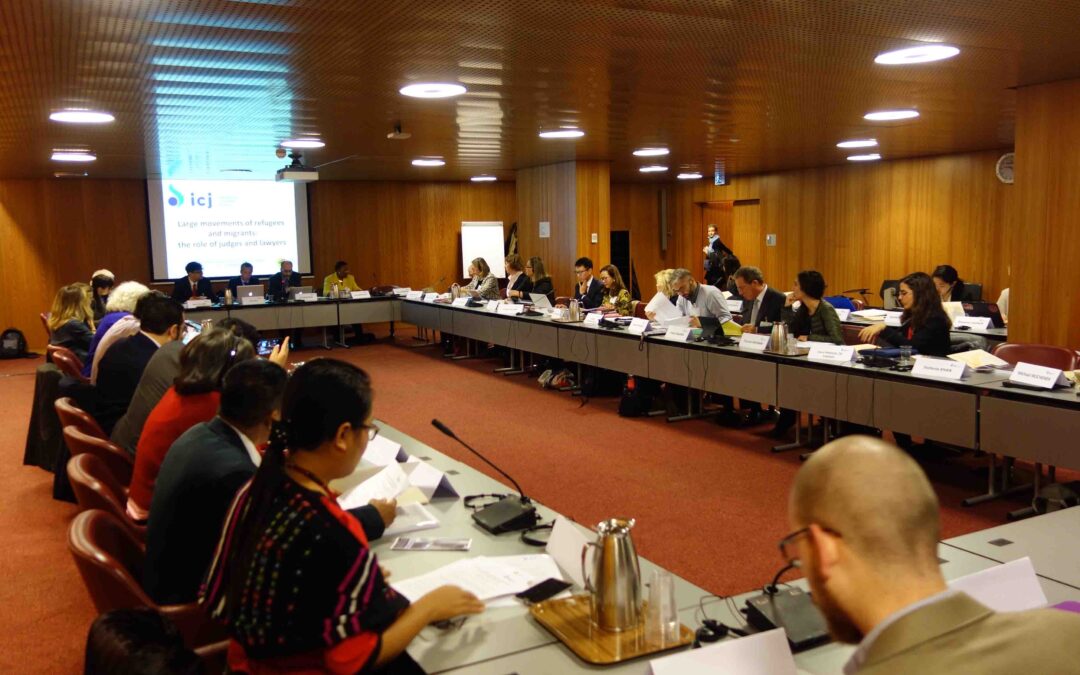
Forty distinguished judges and lawyers from around the world have reaffirmed the essential role of judges and lawyers in securing the rule of law and human rights in relation to large movements of refugees and migrants, at the 7th annual ICJ Geneva Forum, 17-18 November 2016.
The 2016 Forum concluded with substantial agreement and reaffirmation of the essential role that judges and lawyers must be enabled to play, and must fulfil in practice, if the rights of refugees and migrants and the rule of law are to be secured, including in the context of large movements.
Participants exchanged challenges and solutions, and deliberated on a wide range of issues, including:
- on methods for best assessing evidence and credibility;
- on means for overcoming the legal, policy, and practical challenges when judges and lawyers face large numbers of claims and cases;
- on reforms to better enable immigration judges to meet basic standards of independence and impartiality;
- on the need for judiciaries and legal professions to ensure practitioners receive appropriate training and better access to information about international standards and reliable information about country situations;
- on the importance of effective access to competent legal advice and representation, including free of charge when necessary, for refugees and migrants to be able to exercise their rights and for judges to be able to decide cases in an efficient and just manner;
- on ways of supporting judges who courageously exercise their independence to uphold the rule of law and human rights, including in the face of interference or reprisal from the executive or legislative branches of government, or intense media criticism or majoritarian pressure;
- on ensuring that refugees and migrants who are victims of crime or victims of human rights violations are able to have effective access to justice and effective remedy, without discrimination arising from their status;
- on the importance of ensuring that legal processes are sensitive to the particular situation of women and children migrants, and migrants in detention.
Based on the discussions,the ICJ will develop and disseminate a set of Principles and recommendations on the role of judges and lawyers in situations of large-scale movement of refugees and migrants. The Principles will complement ICJ’s 2011 Practitioners’ Guide No 6 on Migration and International Human Rights Law.
More information about the Geneva Forum is available here.
For further details, please contact Matt Pollard, senior legal adviser, matt.pollard(a)icj.org
The 2016 Geneva Forum has been made possible with the support of the Republic and Canton of Geneva.
The ICJ is also grateful for the assistance of the Le Centre d’Accueil – Genève Internationale (CAGI) and Swiss Confederation.