May 30, 2013 | Agendas, Events
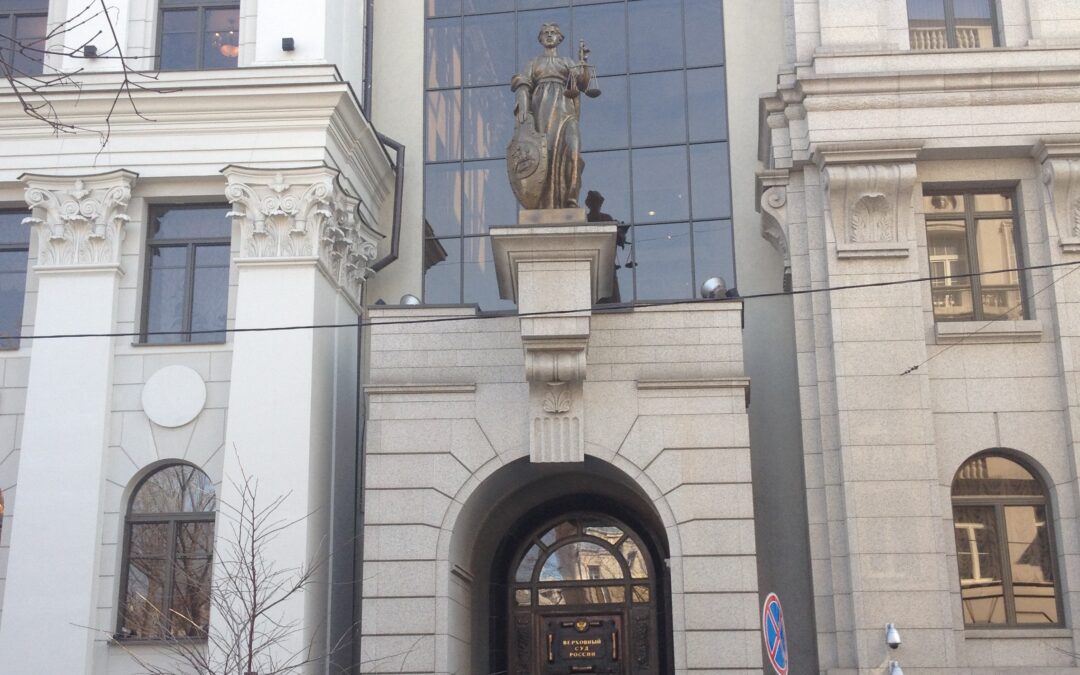
On Wednesday 29 May 2013, the ICJ co-sponsored a parallel event with Human Rights Watch and other NGOs during the Human Rights Council’s 23rd regular session held in Geneva.
The event, held in Room IX of the Palais des Nations, addressed key issues concerning the independence of judges and lawyers within the Russian Federation. The event was chaired by Róisín Pillay, Director of ICJ’s Europe Programme. Panelists were Gabriela Knaul, the UN Special Rapporteur on the independence of judges and lawyers; Tamara Morshchakova, ICJ Commissioner and former Deputy Chair of the Russian Consitutional Court; and Karinna Moskalenko, ICJ Commissioner and founder of the International Protection Centre.
May 28, 2013 | News, Publications
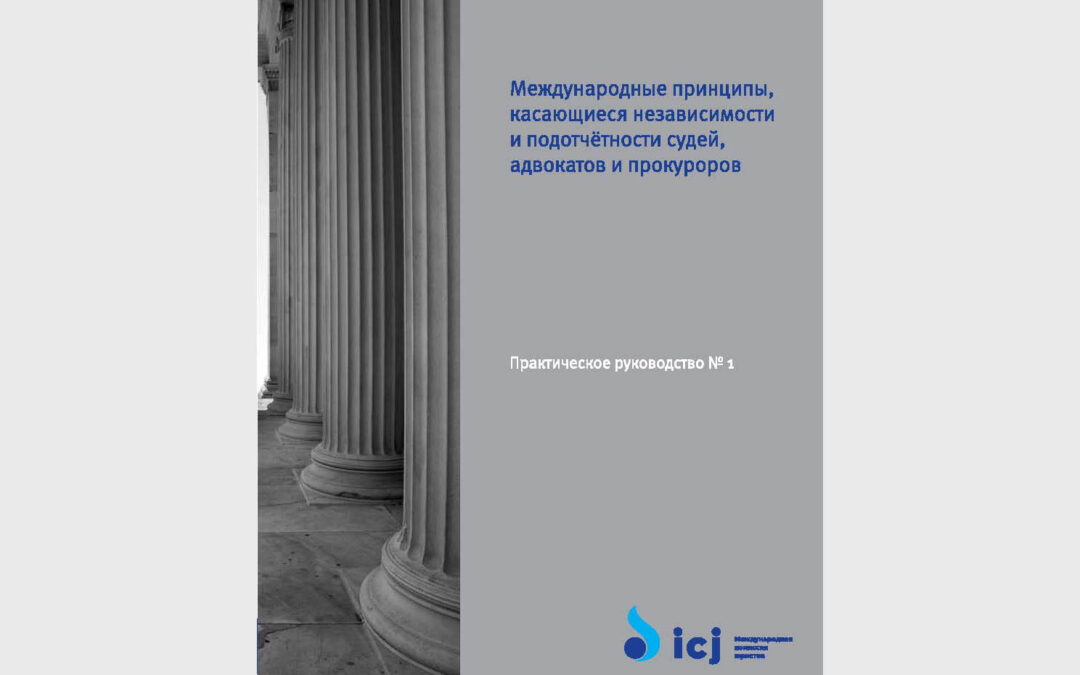
The ICJ has now published a translation of its Practitioner’s Guide, International Principles on the Independence and Accountability of Judges, Lawyers and Prosecutors.
This is the first comprehensive analysis of the existing standards and compilation of universal and regional instruments published in Russian. The Guide outlines the roles to be played by a strong legal profession, an independent judiciary and an impartial and objective prosecuting authority. References to international decisions, reports, texts of treaties and other international standards allow the Guide to be used as a reference book by legal practitioners and policy makers.
International-Principles-on-the-Independence-and-Accountability-of-Judges-Lawyers-and-Procecutors-(No.1)-Practitioners’ Guide series-2013-Rus (full text in pdf)
May 21, 2013 | News
El fallo emitido por la Corte de Constitucionalidad constituye un retroceso en la búsqueda de Justicia en Guatemala por las graves violaciones a los derechos humanos cometidas durante el conflicto armado interno, dijó la CIJ.
Es importante recordar que ya en diciembre de 2007, dos de los actuales magistrados de la Corte de Constitucionalidad también otorgaron un amparo al militar retirado General Ríos Montt, evitando su extradición a España. El día de ayer, la CC vuelve a amparar al militar retirado, esta vez para afectar gravemente el derecho de acceso a la justicia de las víctimas del Pueblo Ixil y provocar más impunidad en Guatemala.
Con este fallo, la Corte de Constitucionalidad envía un mensaje equivocado a la población guatemalteca y le da más poder a los victimarios. Sin embargo, la CIJ reconoce que tanto el Magistrado Chacón como la Magistrada Porras, emitieron un voto disidente, apartándose así de la decisión mayoritaria de los magistrados Molina Barreto, Maldonado Aguirre y Pérez Aguilera.
El amparo que la Corte de Constitucionalidad otorgó el día de ayer, lejos de respaldar la justicia, avala las acciones del abogado defensor Francisco García Gudiel, quien faltó a la ética profesional al aceptar la defensa de Ríos Montt, aún sabiendo que la Ley del Organismo Judicial en su artículo 201 literal a) le prohibía “actuar en los juicios en que el juez tuviere que excusarse o pudiera ser recusado a causa de la intervención del profesional.”
Ramón Cadena, Director de la Comisión Internacional de Juristas para Centroamérica expresó: «Nuevamente la Corte de Constitucionalidad está provocando el incumplimiento de la obligación internacional del Estado de Guatemala de juzgar y castigar a los responsables de crímenes gravísimos como el genocidio, crímenes de guerra y crímenes de lesa humanidad. Con dicho fallo, las víctimas del Pueblo Ixil han sido burladas y su derecho de acceso a la justicia ha sido nuevamente negado.»
Otros artículos:
La CIJ expresa su preocupación ante la posibilidad de que juicio por Genocidio y Delito contra los Deberes de Humanidad sea anulado
La CIJ celebra triunfo de la justicia sobre la impunidad
NOTE:
You can find a comprehensive background on the Rios Montt trial in English here
May 17, 2013 | News
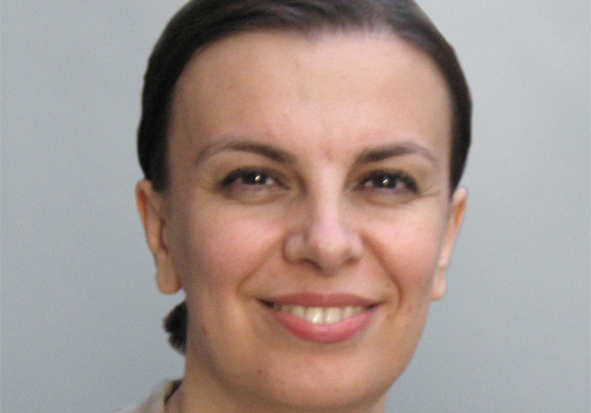
On 16 May, the ICJ and Rechters voor Rechters (Judges for Judges) observed an appeal hearing at the Supreme Administrative Court (SAC) in a case against the dismissal of Judge Miroslava Todorova.
Judge Todorova, who had been serving on the Sofia City Court, is known for critical commentary on the problems in the judiciary in Bulgaria. In this hearing, the Prosecutor’s Office supported Judge Todorova’s appeal against her dismissal, but the Court has not yet issued its decision.
The ICJ previously raised concerns over Judge Todorova’s dismissal from her position of judge and as Chair of the Bulgarian Judges Association, in July 2012. The ICJ was particularly concerned at the disproportionate sanctions for delay of several reasoned cases, which is a problematic, but usual, practice among judges in Bulgaria.
The ICJ also expressed concern at the fact that the proceedings took place some six years after the limitation period ended. Further questions arose as to the composition of the Supreme Judicial Council (SJC), the body which both initiated the proceedings and conducted the hearing, and its independence in this case.
The trial observation mission consisted of Professor Doctor Günter Witzsch (Germany), who observed the trial on behalf of the ICJ, and Judge Janneke Bockwinkel (the Netherlands, on behalf of Judges for Judges). The ICJ and Judges for Judges will continue to follow the case of the dismissal of Judge Miroslava Todorova and will issue a detailed report following the issuing of the decision by the SAC.
For further information
Róisín Pillay, Director of the Europe Programme, roisin.pillay(a)icj.org
Temur Shakirov, Legal Adviser, Europe Programme, temur.shakirov(a)icj.org
May 16, 2013 | News
La CIJ hoy expresó su preocupación ante la posibilidad de que la sentencia emitida días atrás por el Juzgado de Mayor Riesgo A en el juicio por Genocidio y Delito contra los Deberes de Humanidad sea anulada.
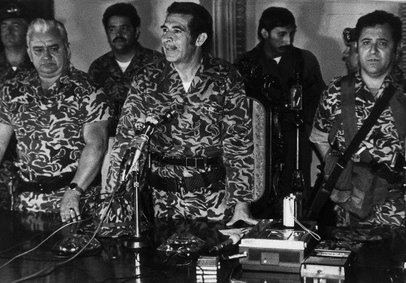
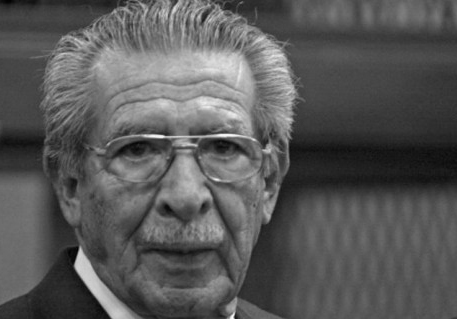
La CIJ tambien expresó su preocupación que el proceso contra el General Efraín Rios Montt (photo) por Genocidio y Delitos contra los Deberes de Humanidad tenga que repetirse.
La Corte de Constitucionalidad (CC) está examinando recursos legales planteados relacionados a la sentencia de 80 años de cárcel contra el exjefe de Estado.
Durante todo el juicio, los jueces del Tribunal recibieron presiones constantes, no solo de parte de los abogados de la defensa, sino que también de otros grupos externos que promueven más impunidad en este caso, dijó la CIJ.
Además, constantemente los abogados de la defensa presentaron diferentes recursos de amparo y otros recursos legales, con el único fin de obstaculizar el proceso y no permitir que se emitiera sentencia.
Frente a todos estos ataques, los jueces del Tribunal de Mayor Riesgo A demostraron una conducta intachable, apegada a derecho y con una firme determinación de terminar con la impunidad que ha existido alrededor de este caso.
Ramón Cadena, Director de la Oficina de la Comisión Internacional de Juristas para Centro América expresó: “Sería muy negativo para el Estado de Guatemala si se llega a anular la sentencia. La impunidad que ha existido ha hecho mucho daño a la población y a las víctimas quienes habían perdido la fe en la justicia.”
Finalmente, Cadena puntualizó: “Es más valioso que un Estado reconozca mediante una sentencia que se cometieron graves crímenes de guerra, de lesa humanidad y genocidio, a seguir escondiendo su responsabilidad con diferentes mecanismos de impunidad.”