Jul 2, 2013 | News
The ICJ calls on the UAE authorities to take urgent measures to ensure the extinguishment of the convictions of the 68 individuals convicted in the UAE 94 case, and to immediately and unconditionally release those detained.
The ICJ also calls for the withdrawal of any remaining charges against each of the 94 accused.
Sixty-eight individuals were convicted today by the State Security Chamber of the UAE Federal Supreme Court and sentenced to varying sentences.
These include 56 accused who were sentenced to 10 years imprisonment and 8 accused who were tried in absentia and sentenced to 15 years imprisonment.
The convicted individuals were found guilty of “establishing, founding and administering an organization, with the aim of challenging the basic principles upon which the government of the State is based, taking control of the government and establishing a secret structure for the organization”.
“The legal provisions on which these convictions are based fail to meet international law requirements of legal certainty and criminalize the enjoyment and exercise of the rights to freedom of expression and association”, stated Said Benarbia, Senior Legal Adviser of the ICJ Middle East and North Africa Programme.
The ICJ considers that the trial against the accused has failed to comport with international law and standards governing fair trials, including the rights of accused persons to be informed of the reasons for their arrest and the charges against them.
The rights of the accused to be presumed innocent was also undermined by provisions of UAE law that effectively impose a presumption of guilt and allow for the indefinite renewal of pre-trial detention orders.
Further, most of the detainees were held in secret pre-trial detention, including prolonged incommunicado detention and solitary confinement.
Their right of access to family members and to a lawyer during the first months of detention was denied, and most of the detainees were unable to challenge the lawfulness of their detention.
They also reported being subjected to torture and other ill-treatment, including severe beatings, pulling out detainees’ hair, sleep deprivation, exposure to extreme light during the day and night, death threats and other threats and verbal abuse.
None of these allegations of ill-treatment were investigated and prosecuted by the UAE authorities. Instead, “confessions” and other information obtained as a result of torture and other ill-treatment were heavily relied upon as evidence to “prove” the charges against the accused.
The rights of the accused to defence were also severely restricted, including by denying defence lawyers’ access to detainees in pre-trial detention, in particular during interrogation; delaying their access to cases files until a few days before the trial; subjecting them to various forms of intimidation and harassment, including criminal prosecution; and severely curtailing their right to cross-examine witnesses.
Two ICJ observers, together with other international observers and international media, were denied access to the first and second hearings of the trial in contravention of international standards on the right to a public hearing.
Further restrictions on this right included relatives being forced to sign statements agreeing not to disclose information about the trial hearings as a condition to being granted access.
Some of the relatives who reportedly disclosed information about the trial have been subjected to various forms of harassment by UAE authorities.
One individual was prosecuted, convicted and sentenced to a 10-month prison term for “tweeting with bad intent about the trial”.
The ICJ notes that under UAE law, decisions of the Supreme Court cannot be reviewed by any other court, which denies the right of the convicted individuals to an appeal.
“The UAE 94 trial has been marred with a catalogue of violations of fair trial guarantees that have undermined the fairness of the proceedings at every stage. Consequently, any remaining charges against the accused must be withdrawn and those detained must be immediately and unconditionally released”, Benarbia added. “Allegations of torture and ill-treatment must also be promptly, independently and impartially investigated and those responsible held accountable”, he added.
An analytical report on the charges and trial of the UAE 94 in light of international law and standards will be published this month.
Contact:
Said Benarbia, ICJ Senior Legal Adviser of the Middle East and North Africa Programme, tel: 41 22 979 38 17, e-mail: said.benarbia(a)icj.org
Jun 27, 2013 | News
The ICJ welcomes the decision of Ukraine’s High Qualification-Disciplinary Commission to reinstate Larisa Gerasko, a lawyer previously disbarred because of her involvement in seeking to register a local lawyers’ association.
Following a hearing on 21 June, which was attended by ICJ Commissioner Gulnora Ishankhanova, the High Qualification-Disciplinary Commission (HQDC) found that there were no valid grounds for disbarment.
The decision of the HQDC came in the context of a series of disciplinary proceedings against lawyers in Ukraine, which followed a law on “Advokatura and Lawyers’ Activities” adopted in 2012.
“Following the enactment of the new law, two parallel structures of self-governance of the legal profession were established, only one of which was registered,” said Gulnora Ishankhanova. “As a result of the conflict, disciplinary sanctions have been initiated against a number of lawyers on the grounds of organization and participation in ‘an alternative congress’ as well as other related and unrelated grounds.”
The ICJ commissioner visited Kiev on 20-22 June to examine the situation and meet with the main stakeholders including lawyers subjected to disciplinary action, relevant bodies of the Association of Lawyers and the HQDC and NGO representatives.
On 21 June, she observed disciplinary hearings against several lawyers including Larisa Gerasko, who had been disbarred on the grounds of submitting documents for state registration of a lawyers’ association of Zakarpatk Region, and Roman Martynovsky, a member of the HQDC, whose status as a lawyer was suspended for a period of six months for non-attendance of one meeting of this body.
The decision regarding lawyer Martynovsky was postponed until the following meeting of the HQDC.
“We are concerned that disciplinary action remains pending in a number of cases against lawyers involved in the creation of the unregistered lawyers’ association, the National Association of Lawyers,” Gulnora Ishankhanova added.
The ICJ recalls that, according to the UN Basic Principles on the Role of Lawyers, “all disciplinary proceedings shall be determined in accordance with the code of professional conduct and other recognized standards and ethics of the legal profession and in the light of these principles”.
Disciplinary action against a lawyer may only be initiated for violations of published standards of professional conduct, and any disciplinary sanctions must be proportionate to the offence committed.
Where a disciplinary system allows for practically any form of conduct to be construed by the responsible disciplinary body as grounds sufficient for disbarment, the sanction is likely to be arbitrary and to violate international human rights law.
The ICJ expresses its gratitude to the Ukrainian Helsinki Human Rights Union, the HQDC and others who facilitated or co-operated with the mission.
The ICJ will continue to monitor developments in the ongoing disciplinary action against lawyers in Ukraine and will in due course publish a more detailed report on the visit to Ukraine with recommendations.
Contact:
Róisín Pillay, Director, ICJ Europe Programme: +41 22 979 3830; e-mail: roisin.pillay(a)icj.org
Ukraine-ICJ welcomes decision to reinstate disbarred lawyer-press release-2013-rus (full text in pdf)
Photo by Serdar Yagci
Jun 26, 2013 | News
The ICJ condemns the attempted assassination of Justice Maqbool Baqir, a judge of the Sindh High Court, who also sits on the anti-terrorism court in Karachi, Pakistan.
A bomb blast injured Justice Maqbool Baqir and thirteen others and killed at least nine people.
“This is the second bombing targeting the Pakistani judiciary in under six months. The ICJ is extremely concerned that these attacks signal a renewed challenge to the ability of the Pakistani judiciary to function as an independent institution,” said Sheila Varadan, ICJ’s South Asia Legal Advisor.
According to local media sources, the Tehreek-e-Taliban Pakistan (TTP), an armed group operating in northwestern Pakistan, has claimed responsibility for the bombing, admitting that it specifically targeted Justice Maqbool Baqir for his ‘anti-shariah’ judgments and ‘ruling against the mujahideen’.
“Any physical attack on a judge constitutes a serious threat to the rule of law and the independence of the judiciary. If the TTP or another armed group is deliberately targeting judges, it could constitute a crime under international law,” Varadan added.
Under international standards, including the United Nations Basic Principles on the Independence of Judges, Pakistan is responsible for taking measures to ensure the protection of members of the judiciary from acts of violence or other threats to their safety.
Earlier in March 2013, the ICJ condemned the suicide bombing inside a Peshawar courthouse killing four people and injuring thirty others.
CONTACT:
Sheila Varadan, ICJ Legal Advisor, South Asia Programme (Bangkok), t: +66 857200723; email: sheila.varadan(a)icj.org

Jun 6, 2013 | Multimedia items, News, Photo galleries
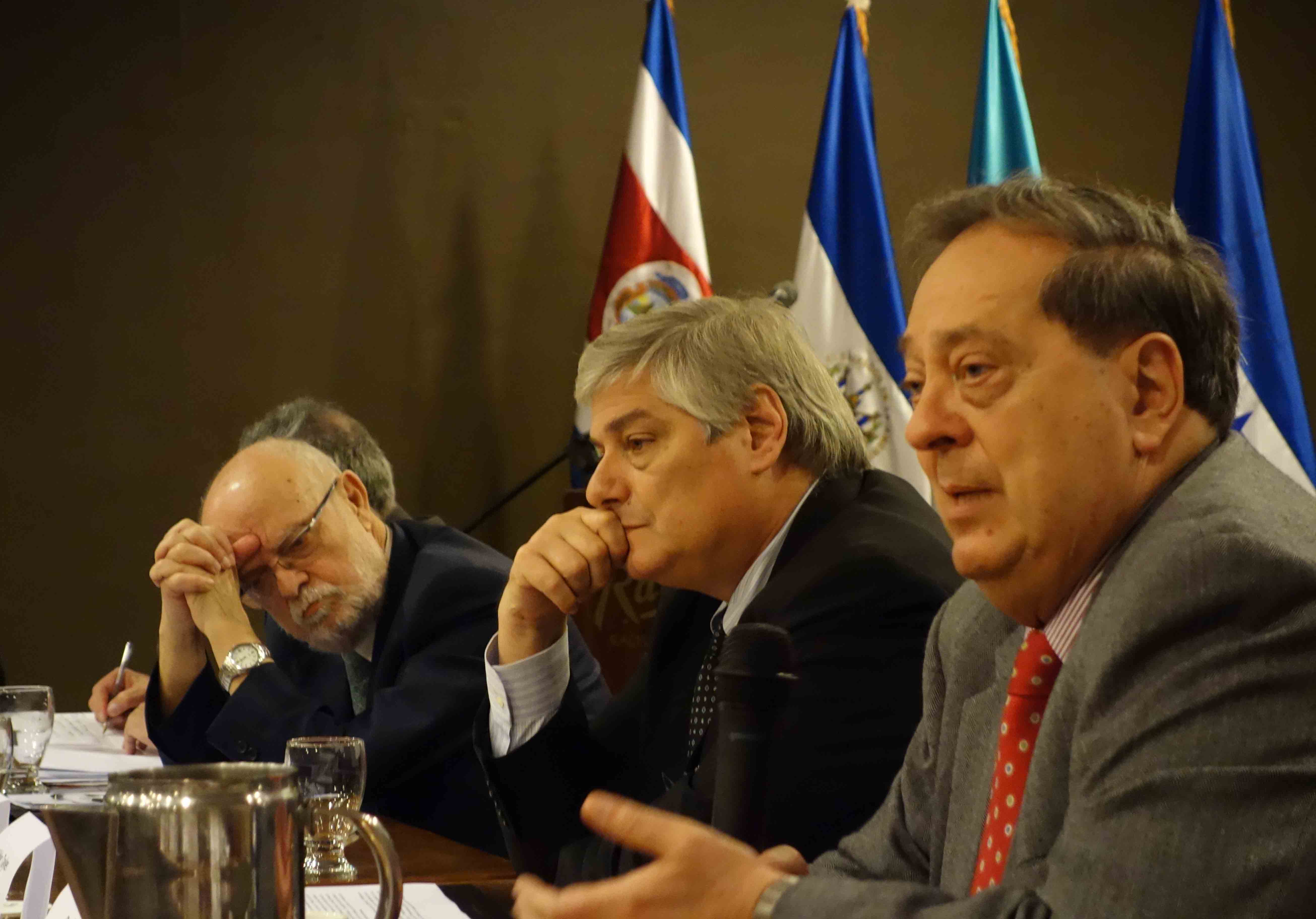
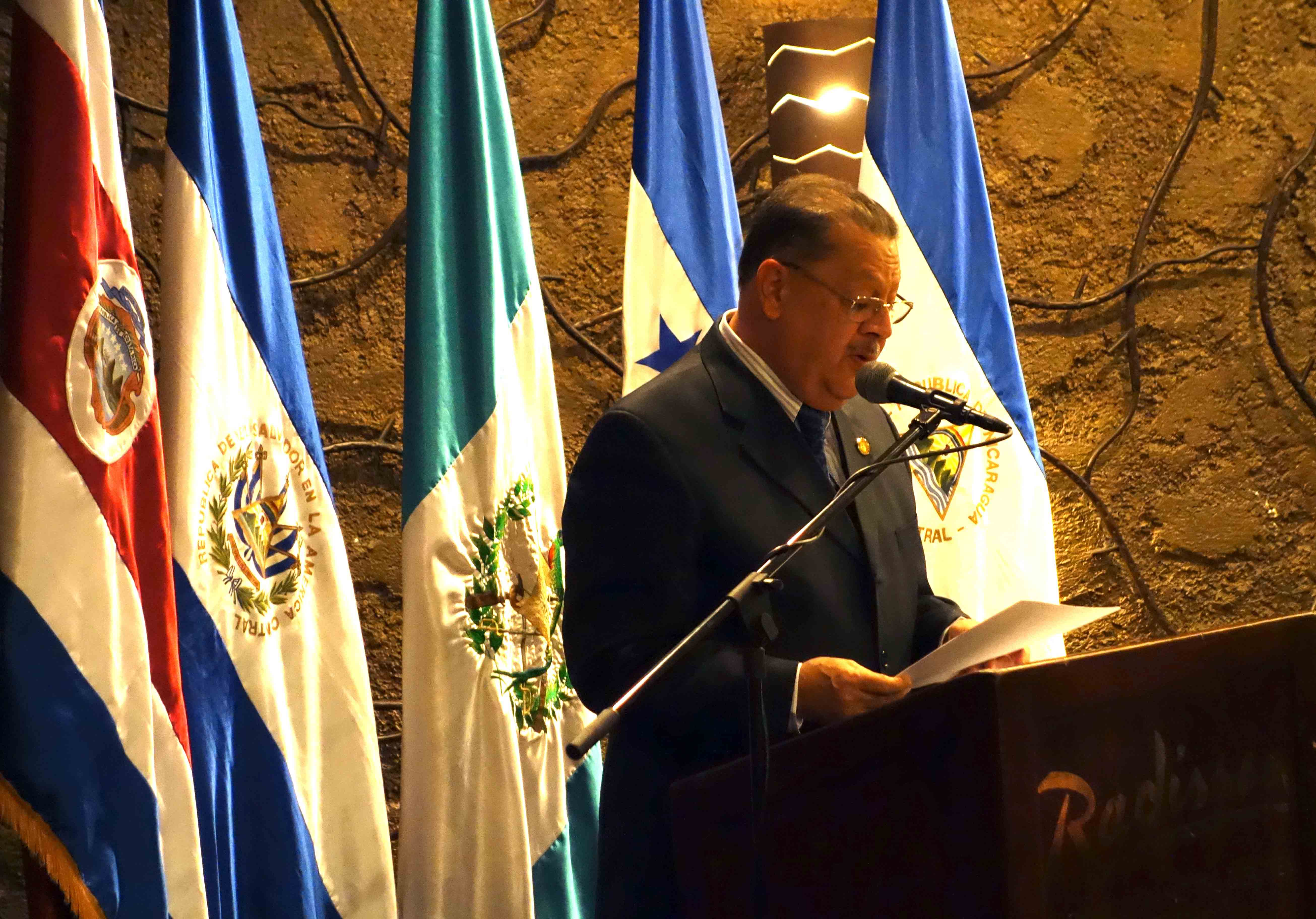
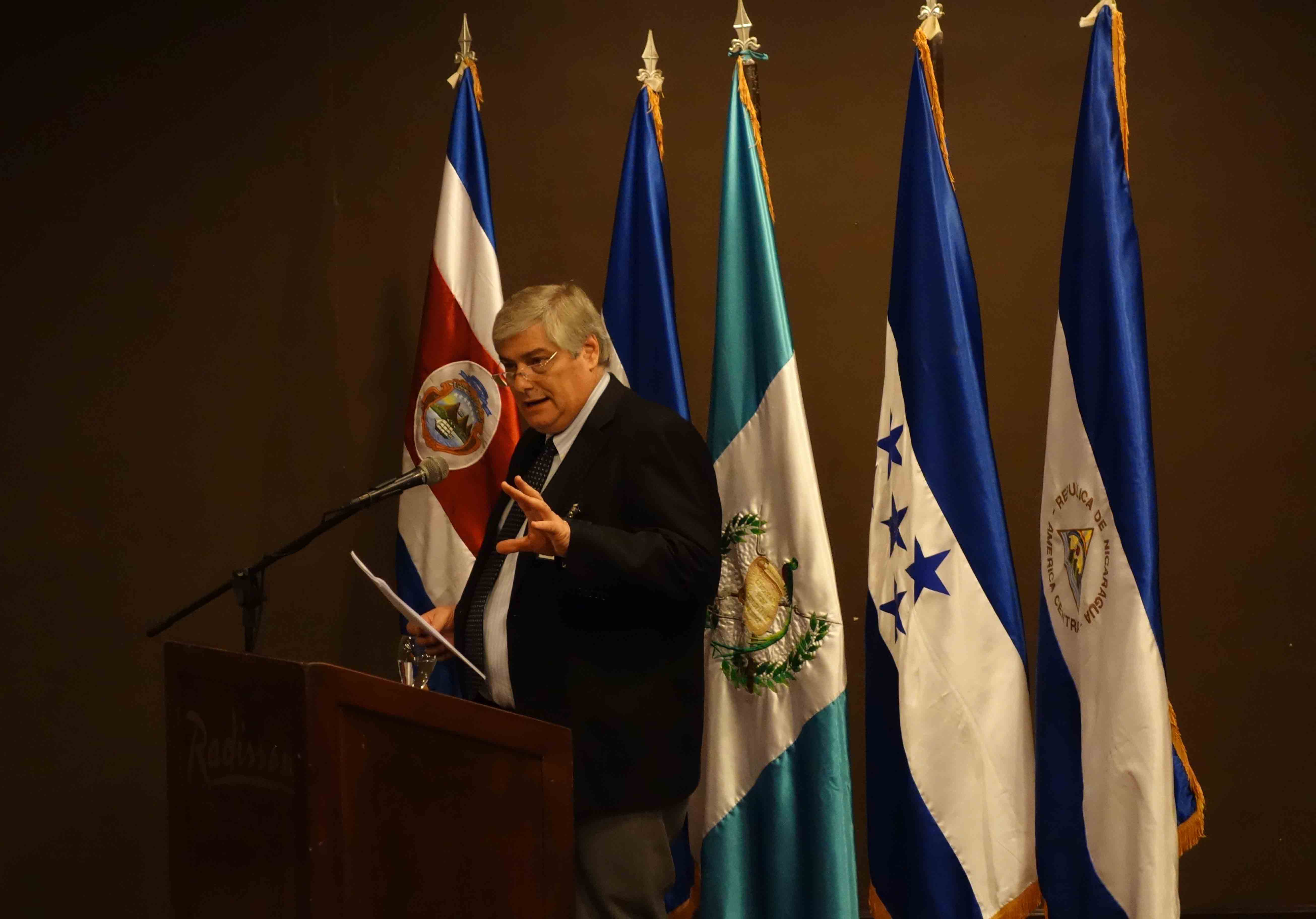
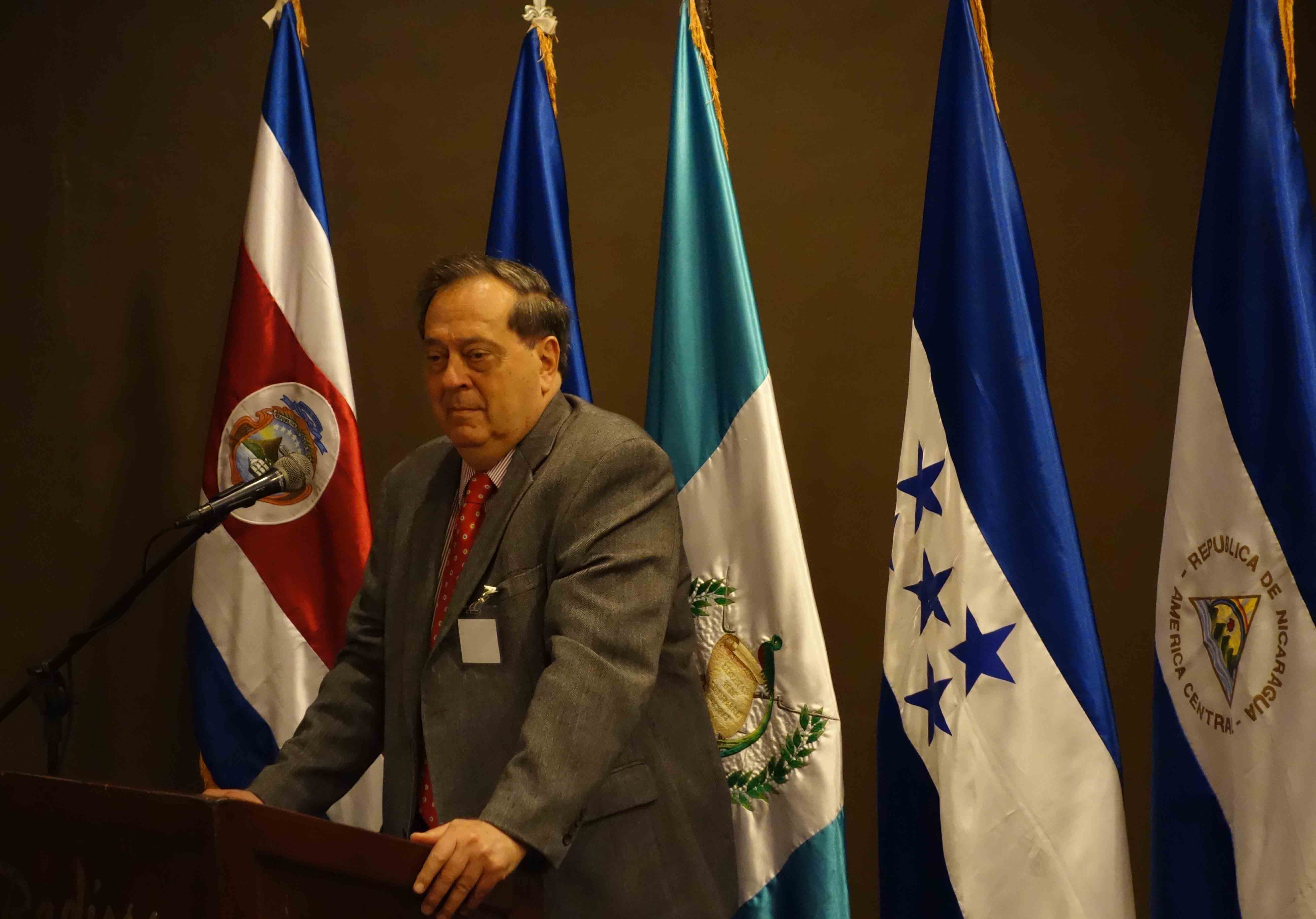
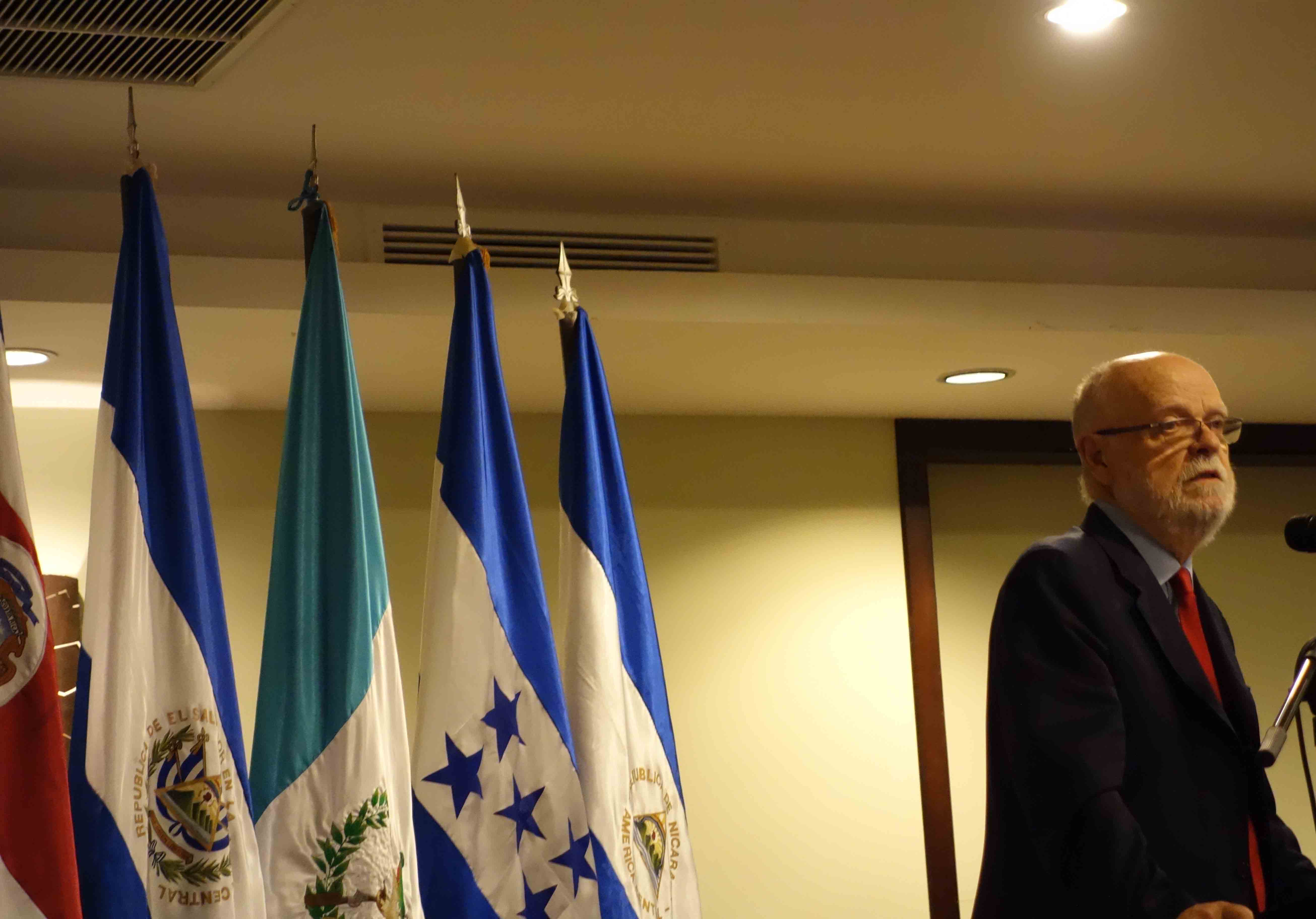
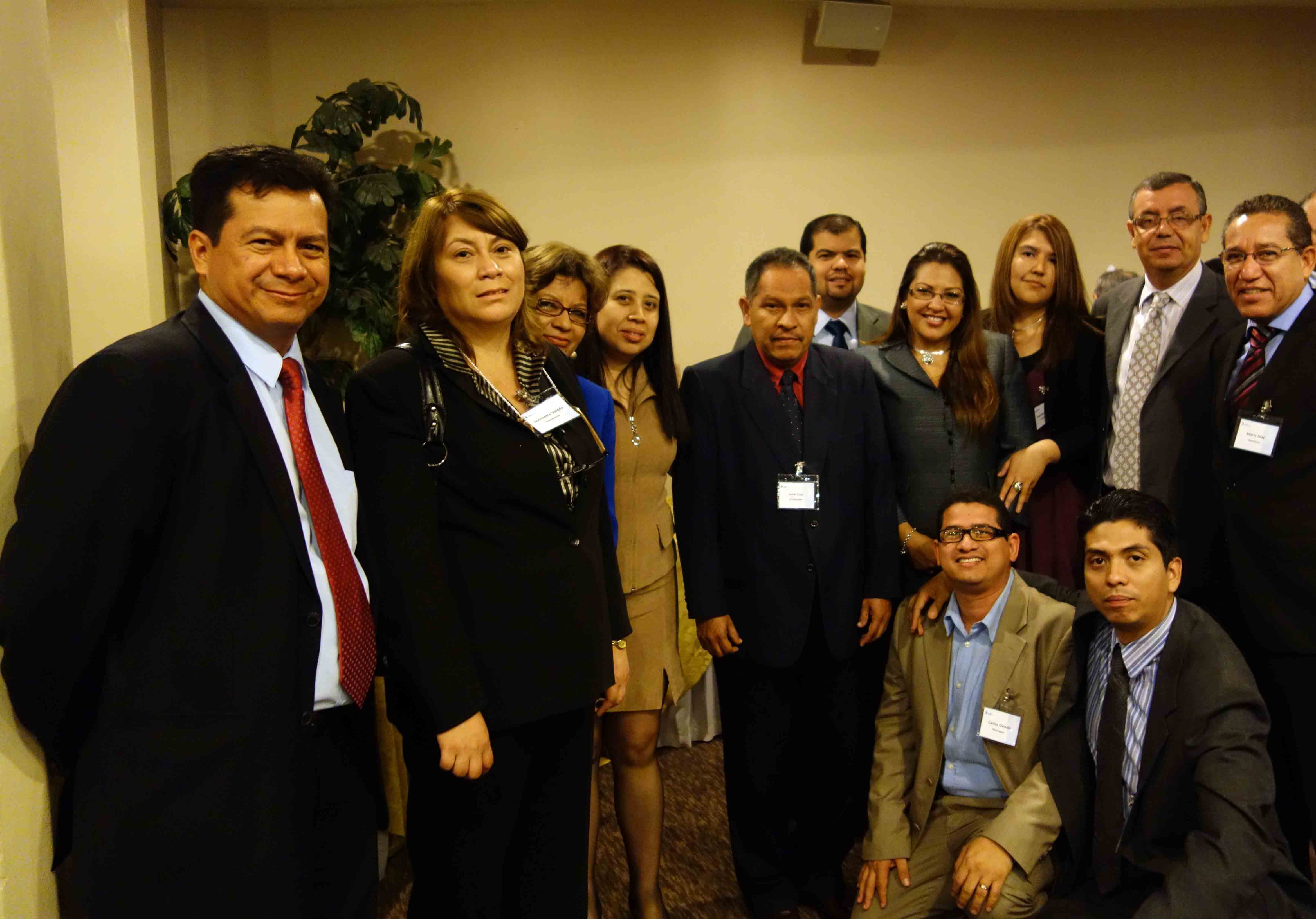
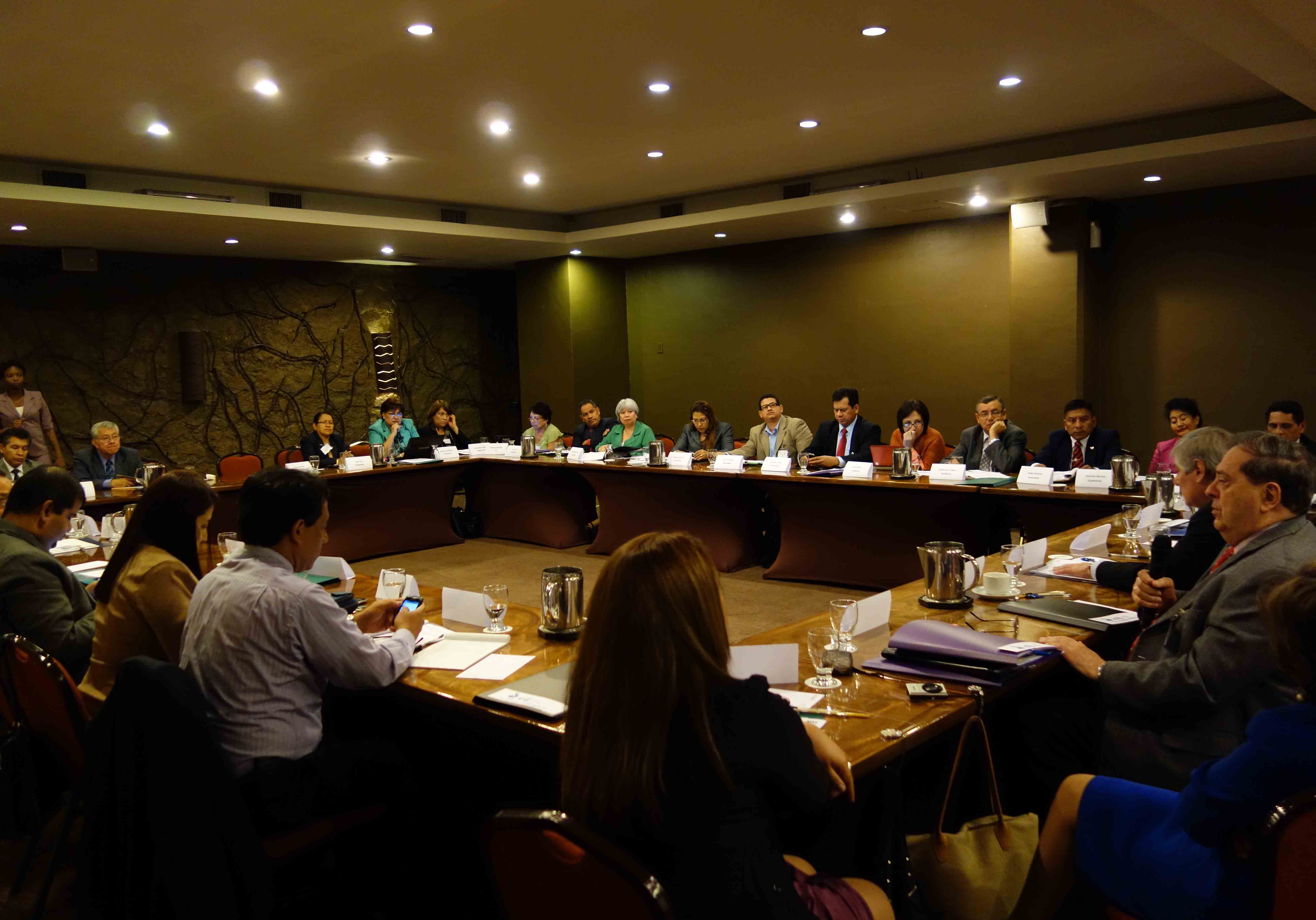
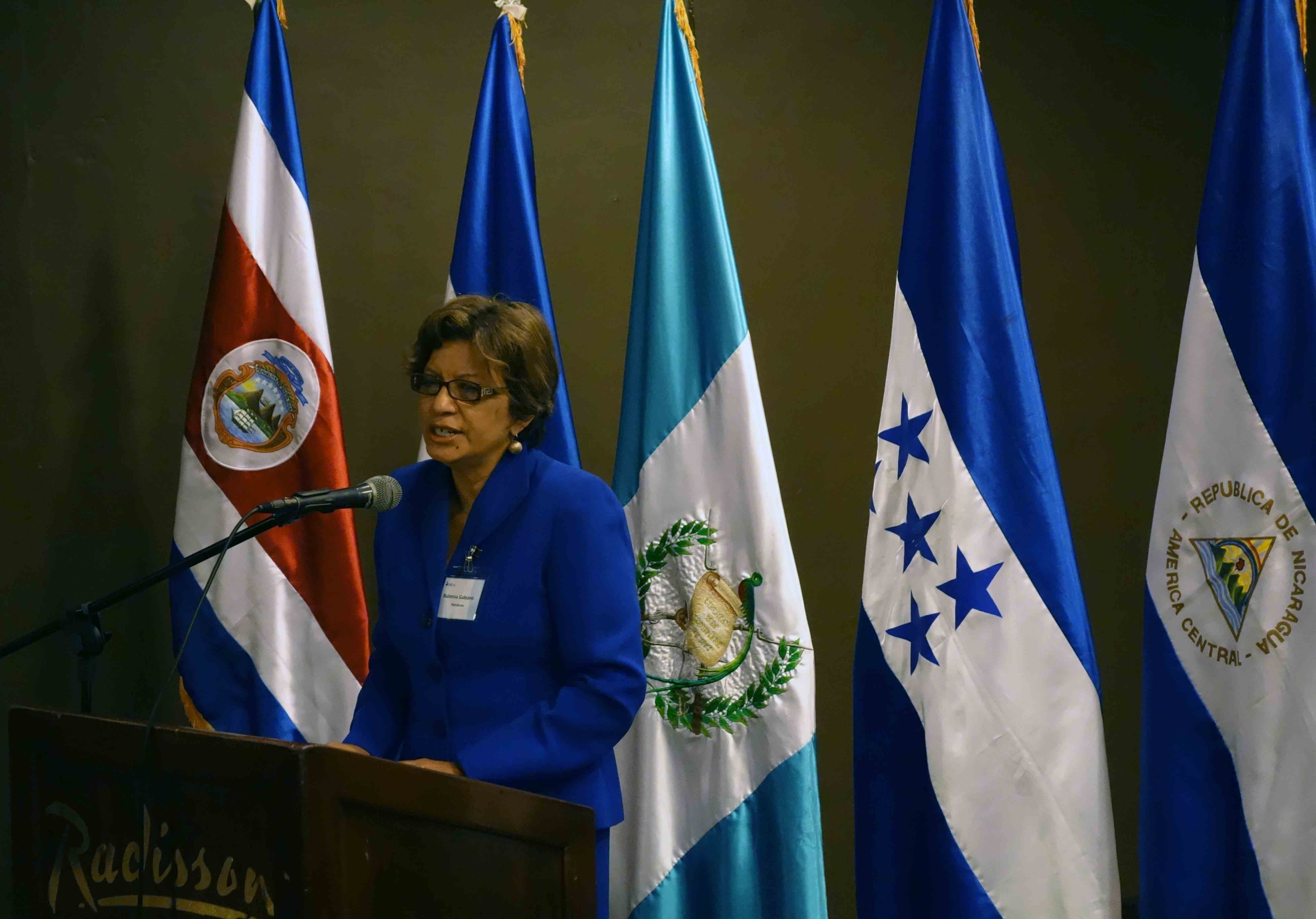
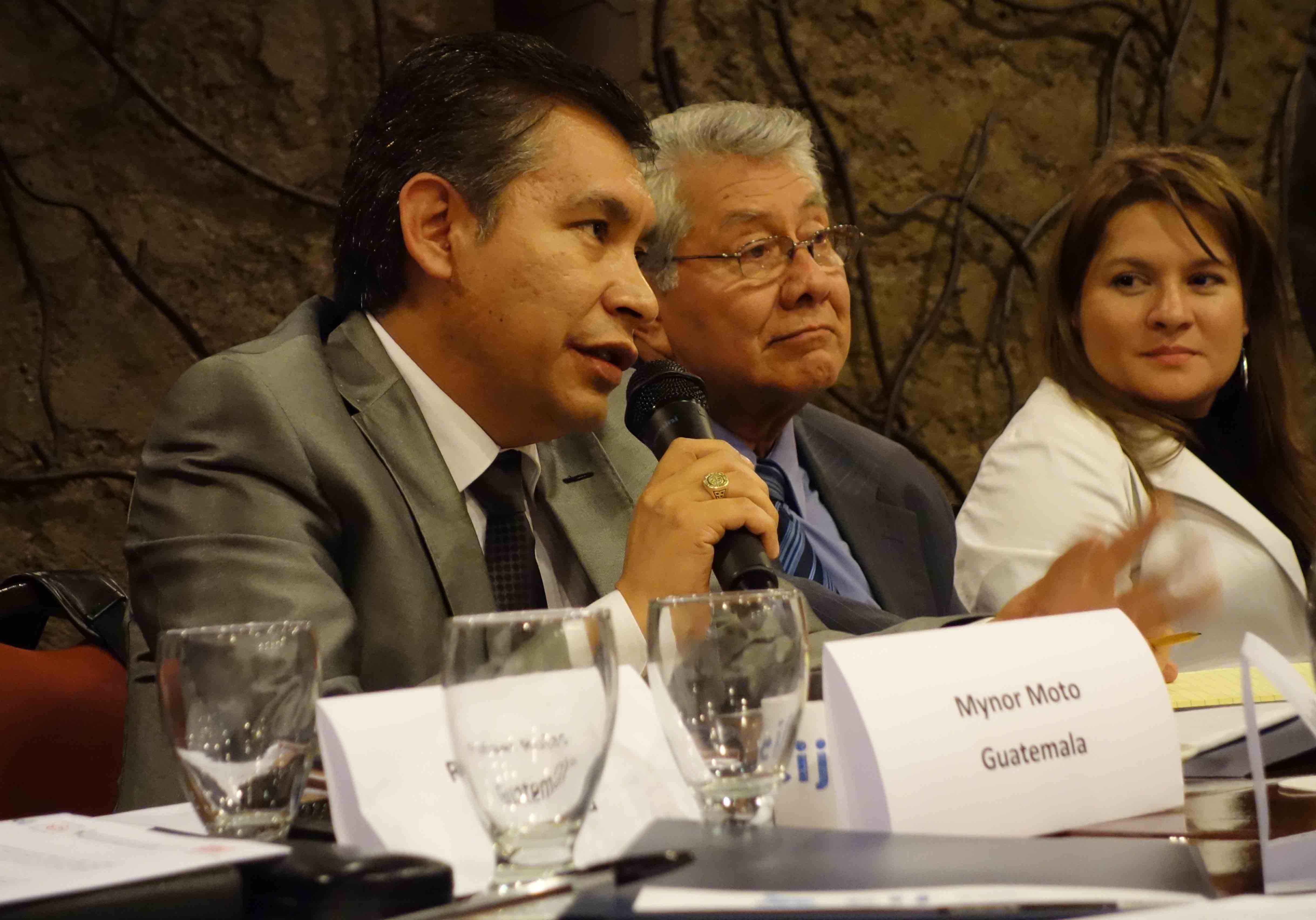
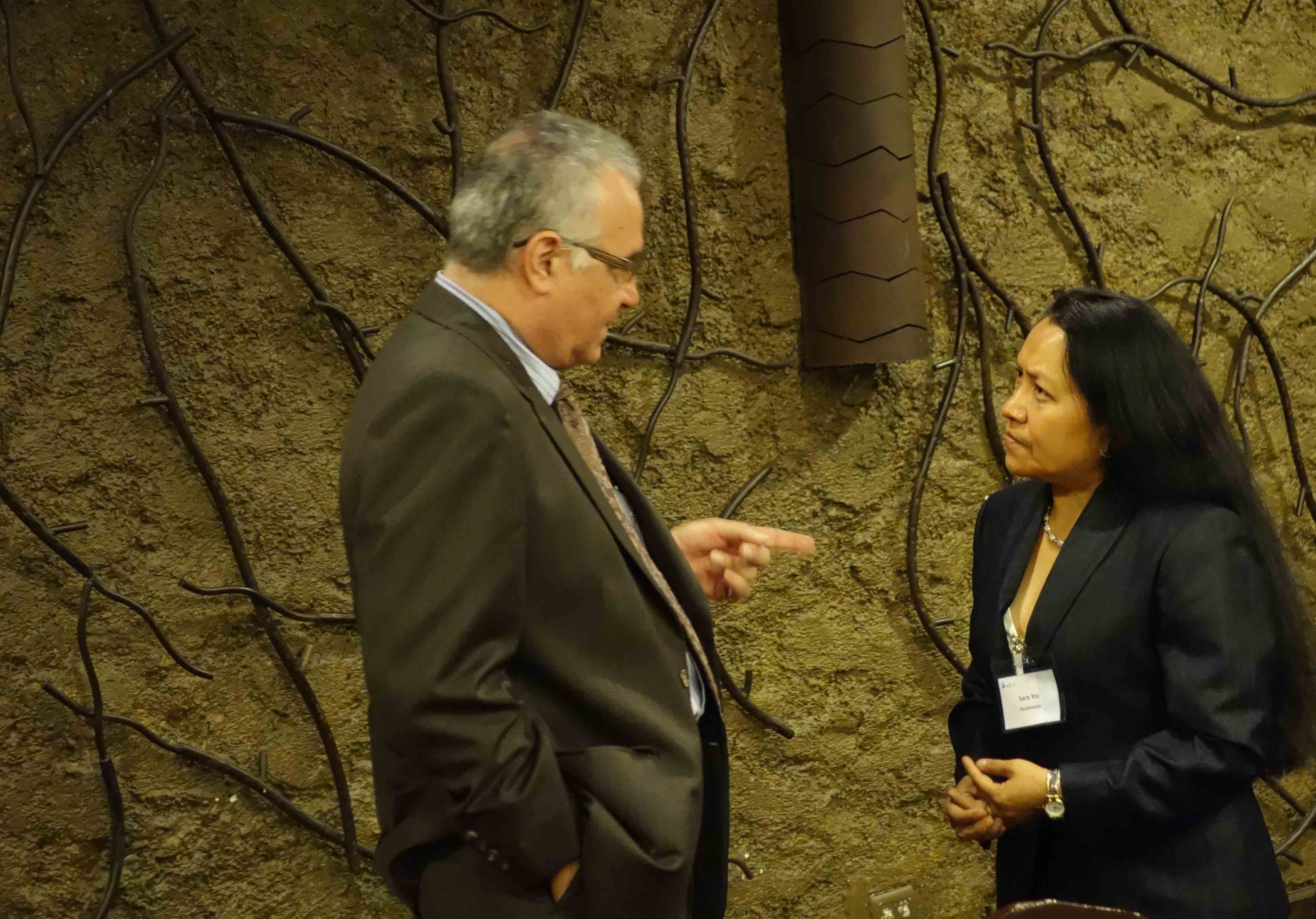
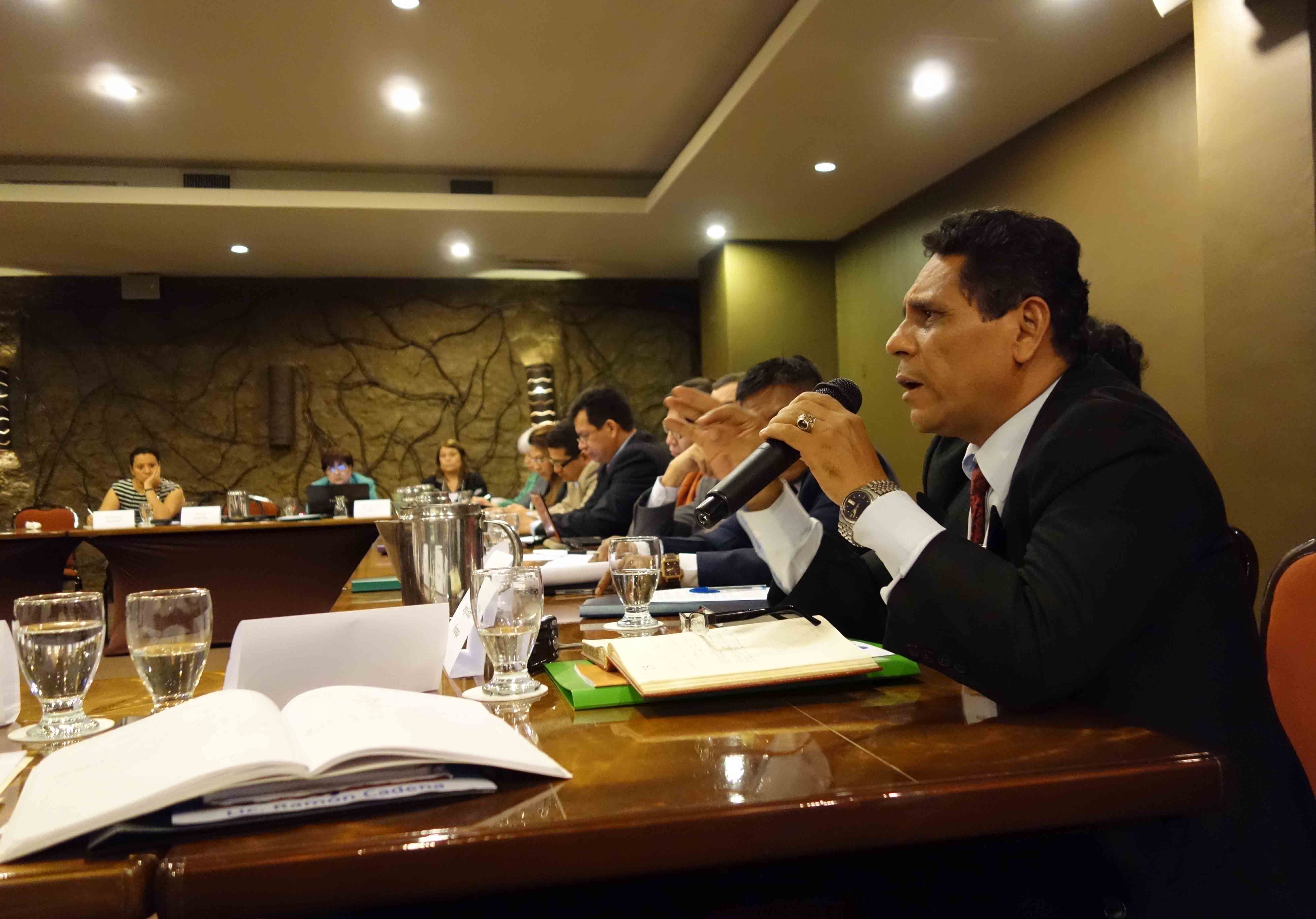
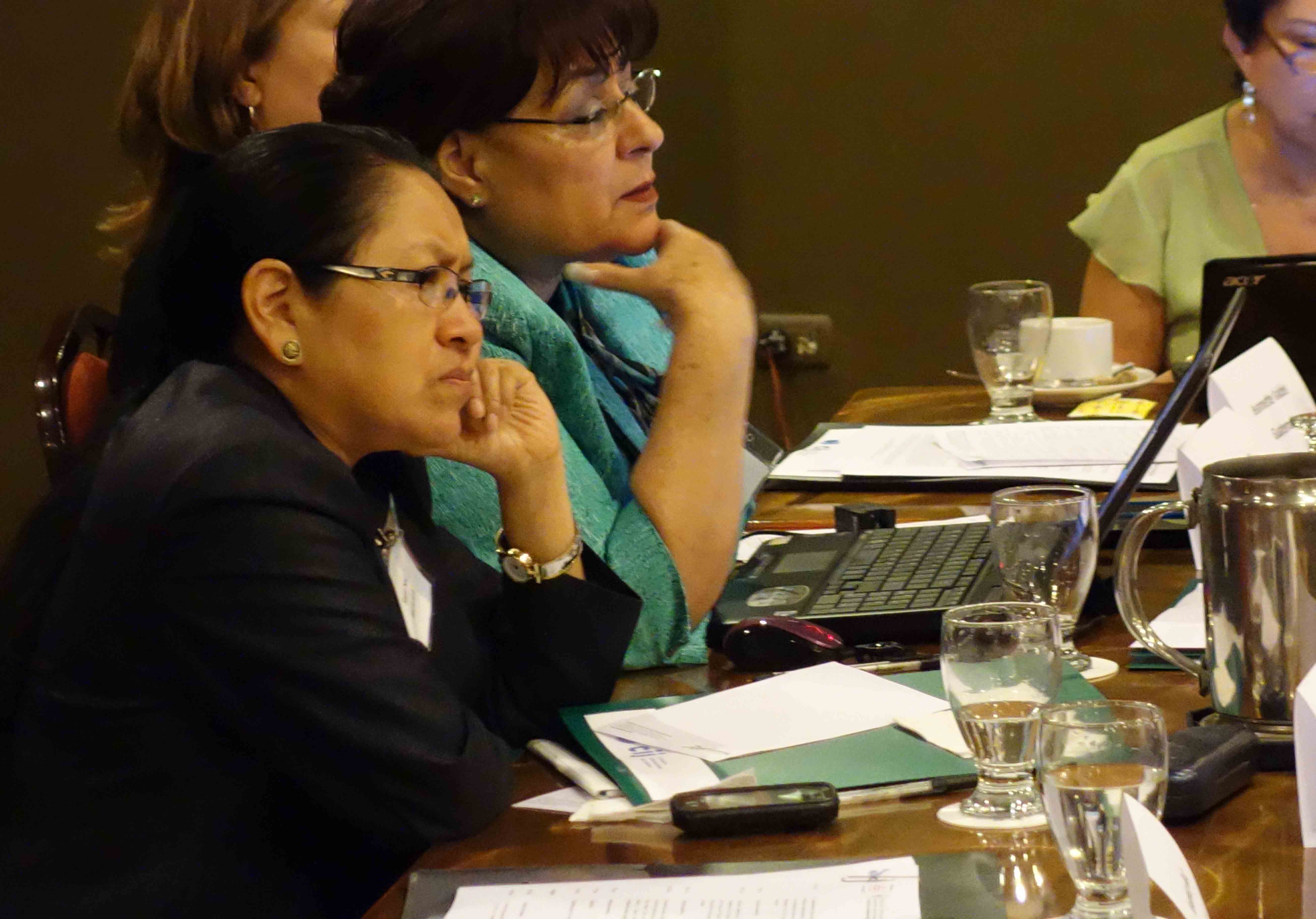
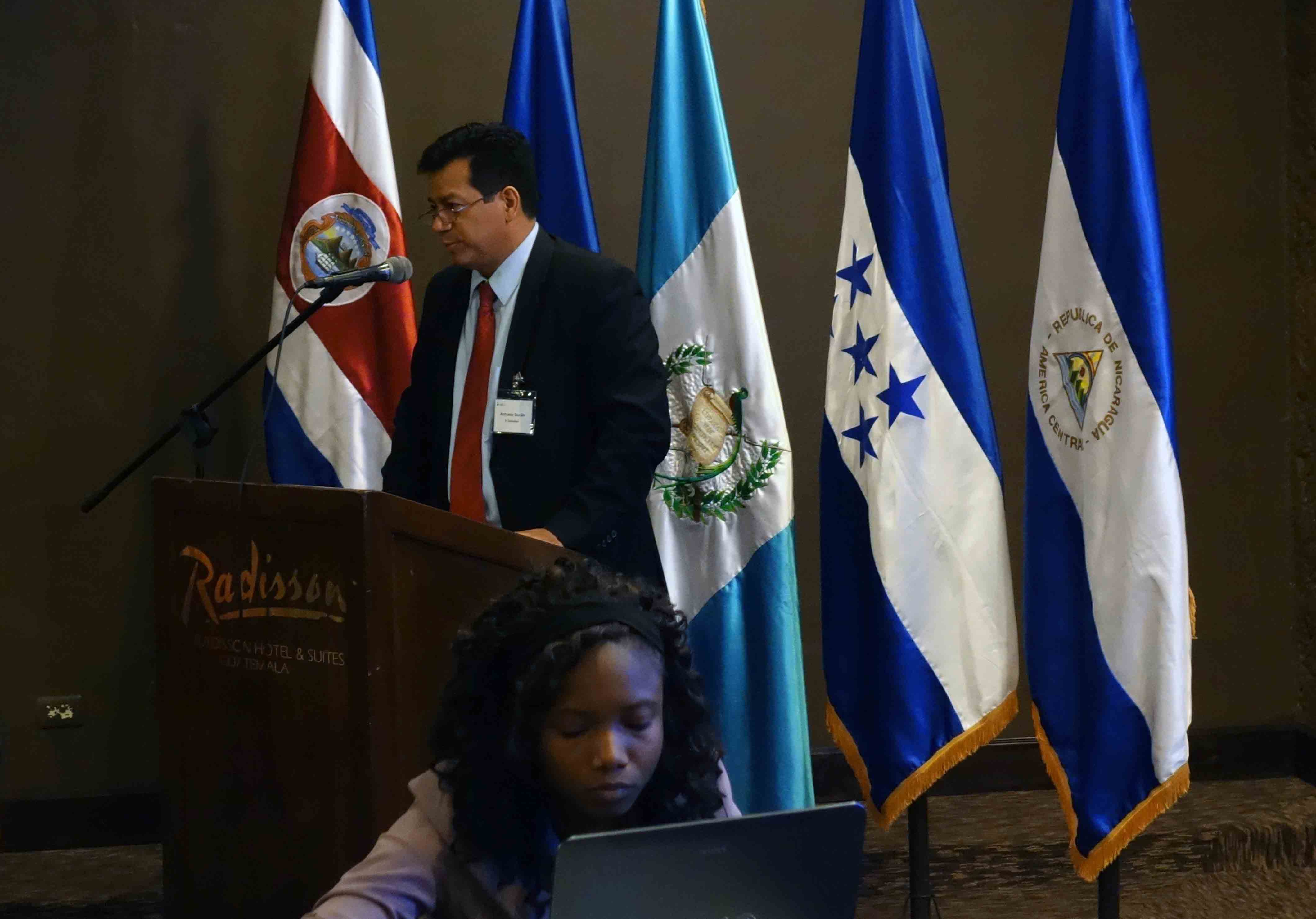
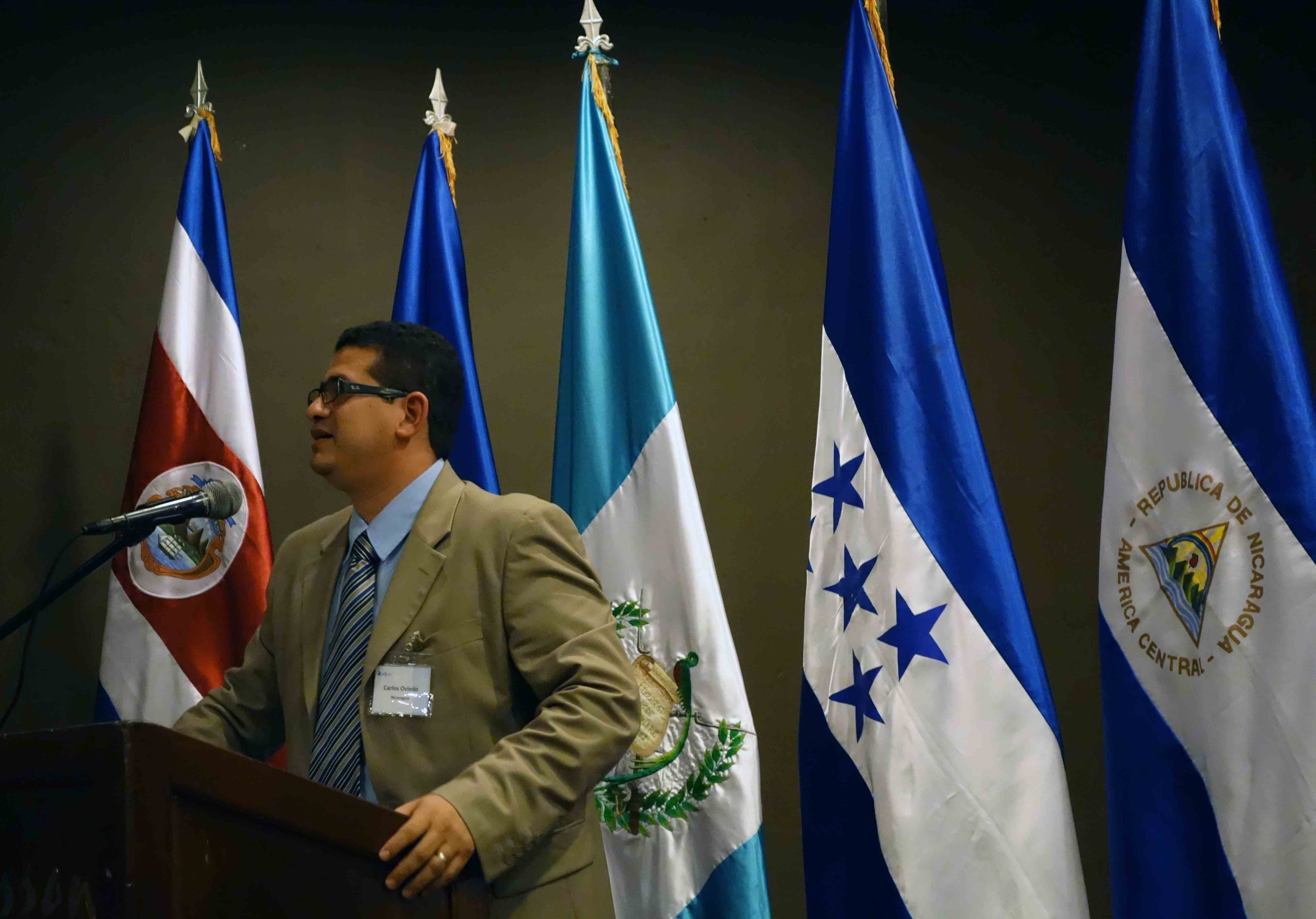
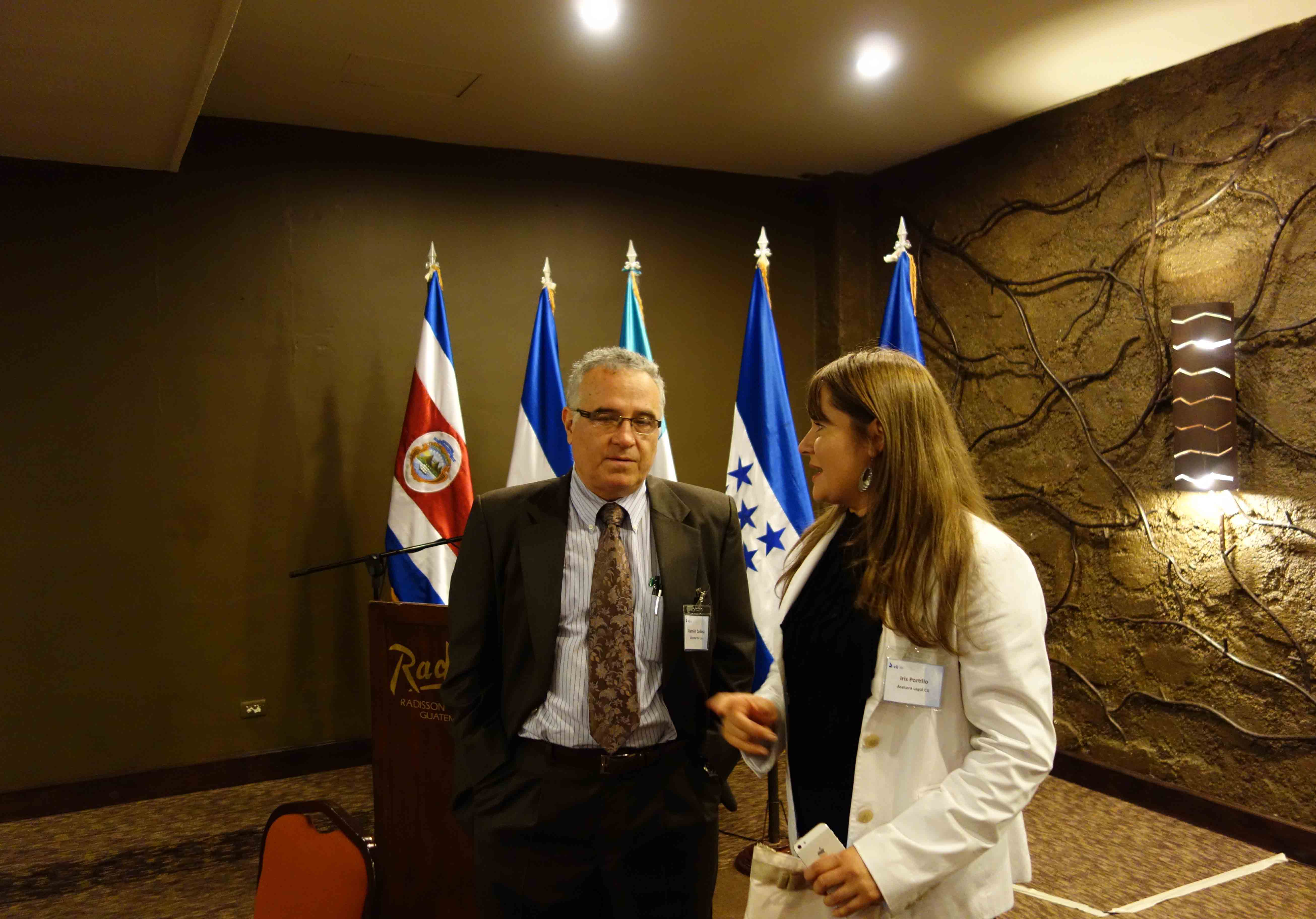
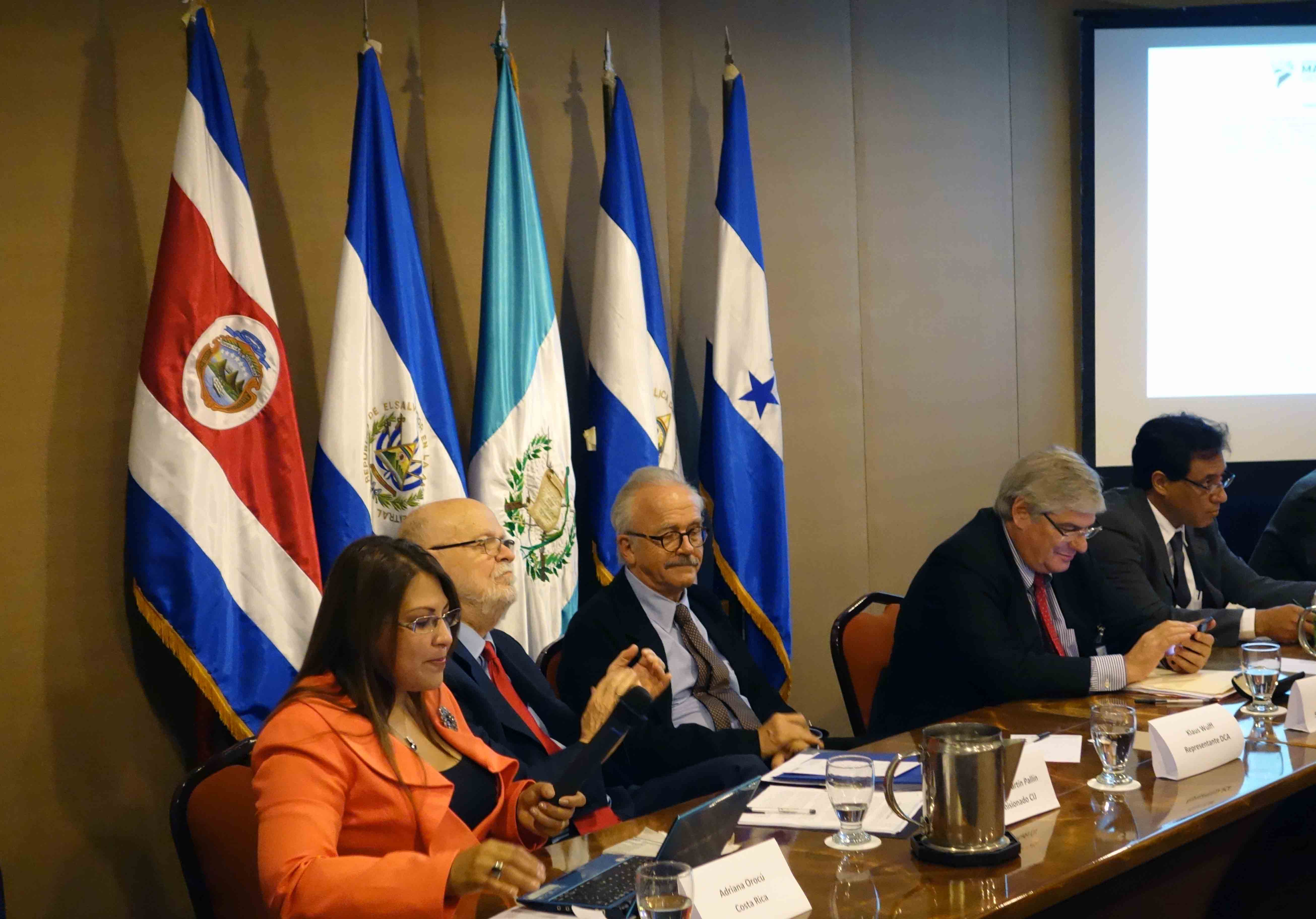
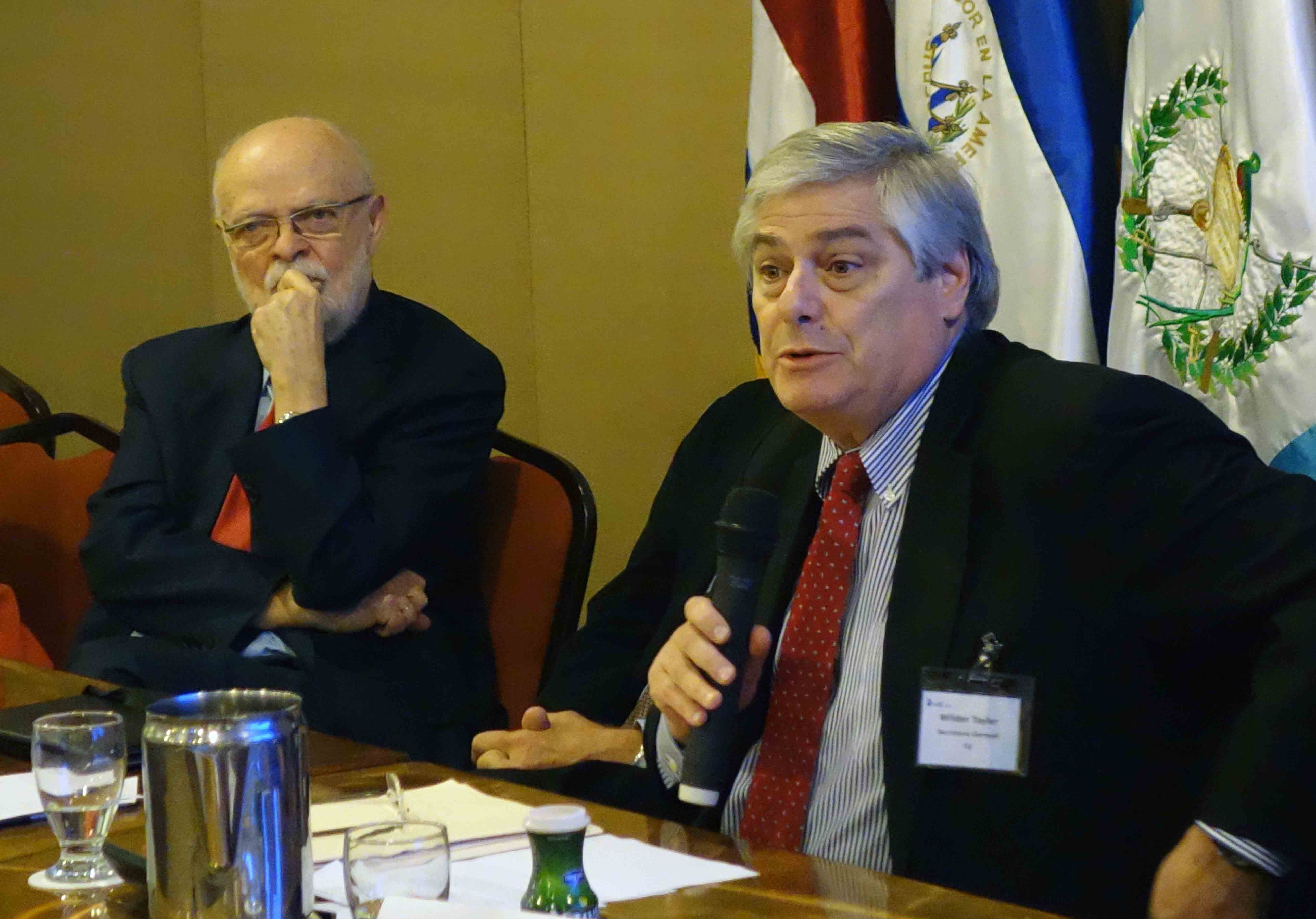
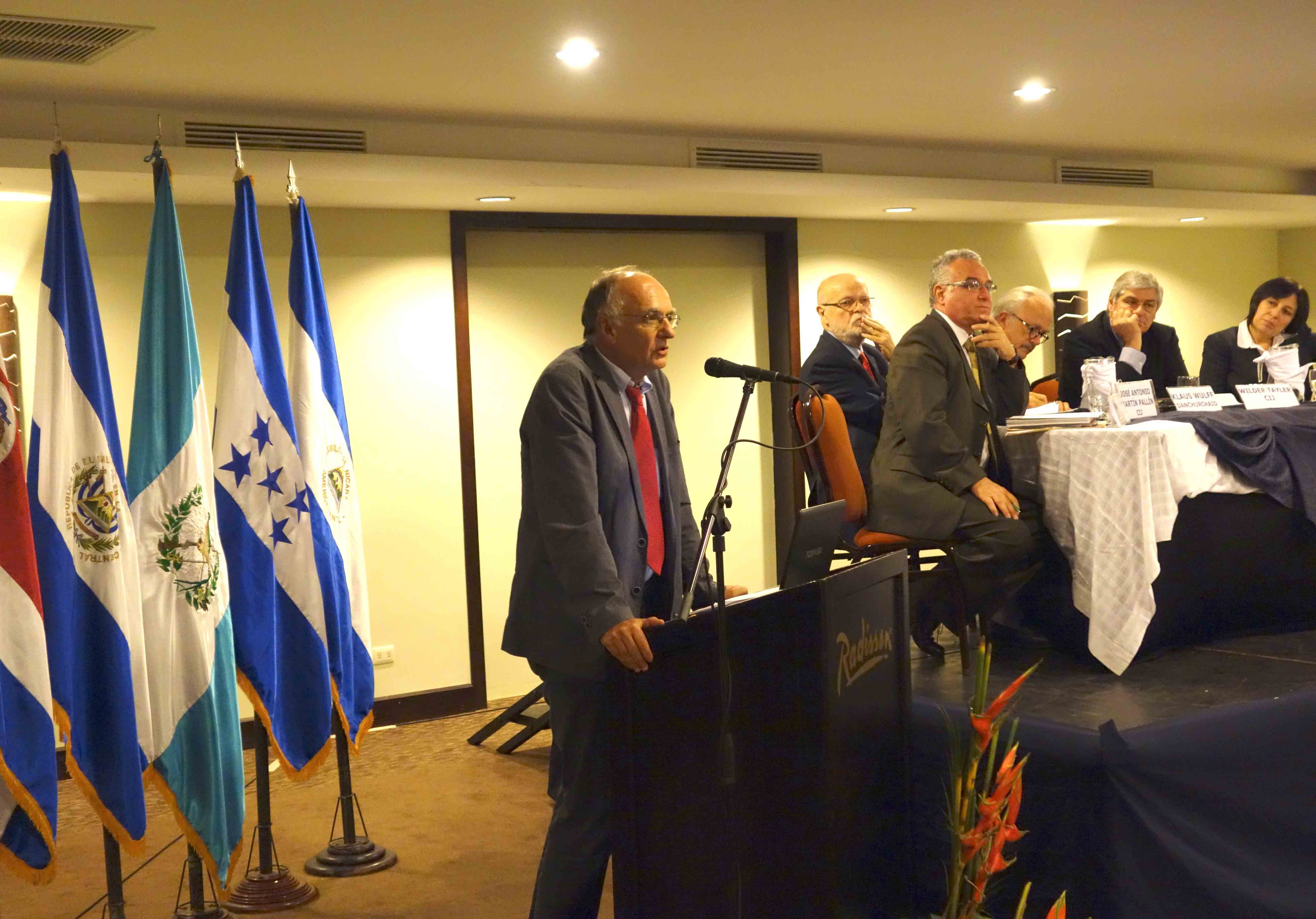
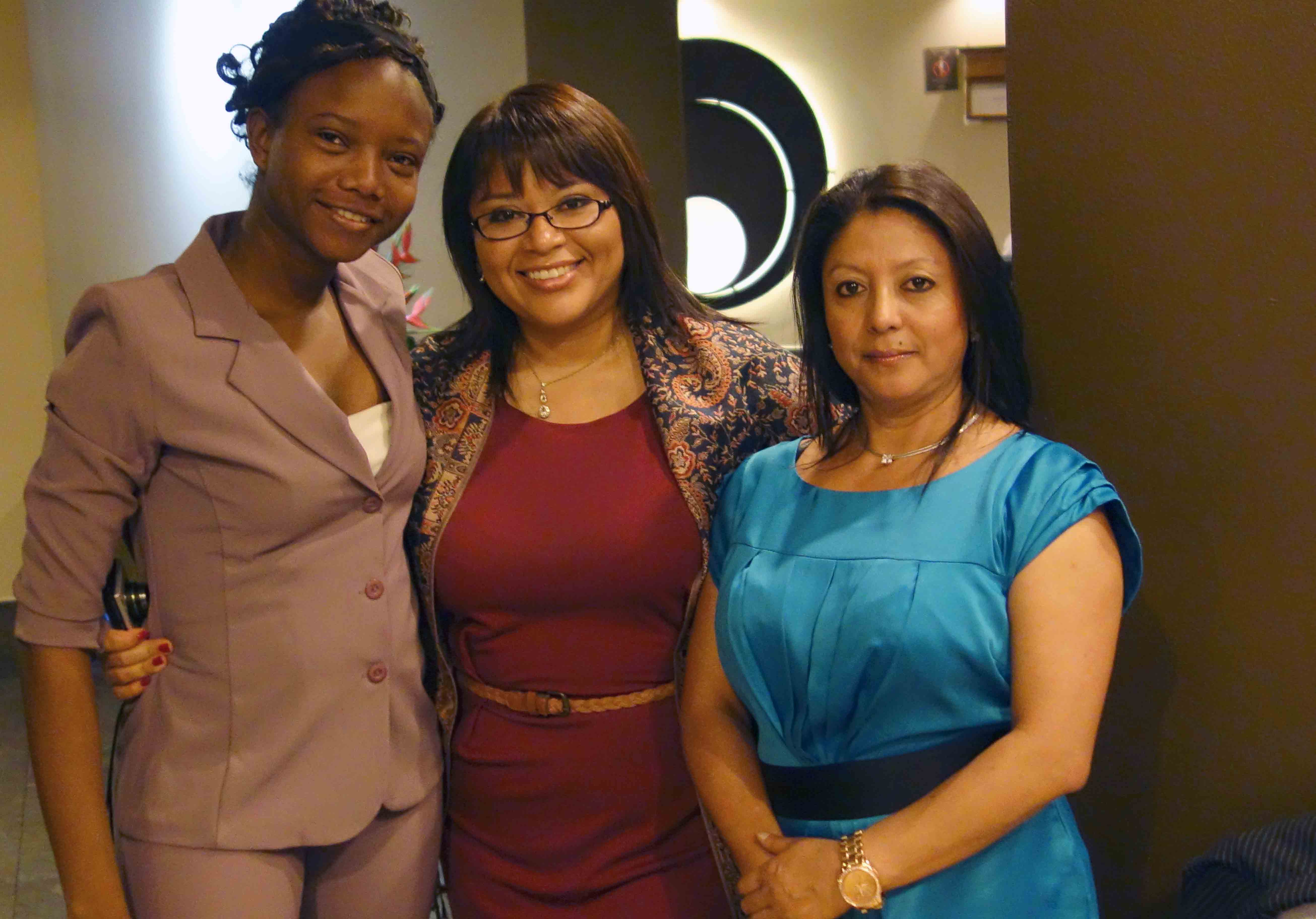
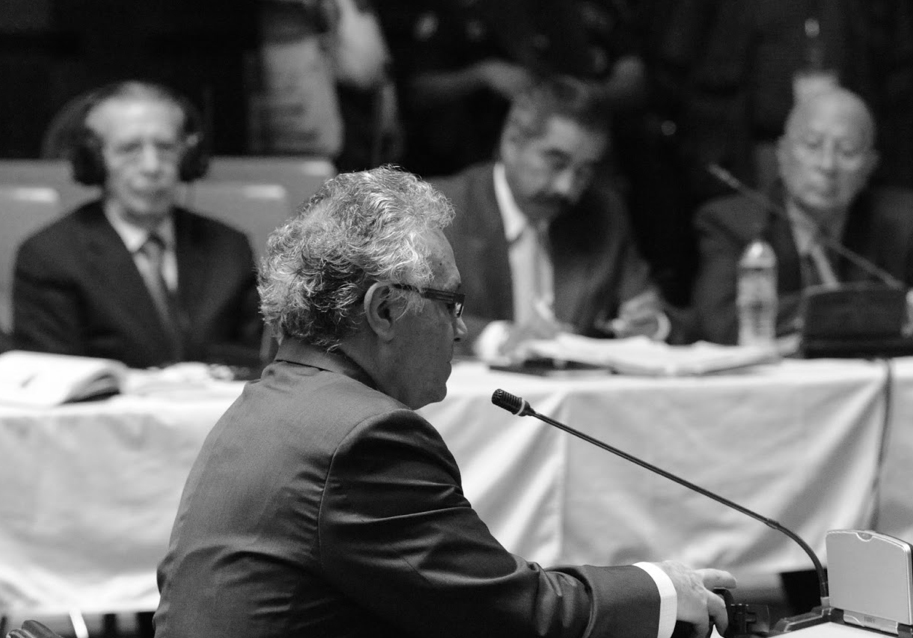
Judges from Central America met in Guatemala on 4-5 June at the International Conference on Impunity and Independence of the Judiciary.
The Conference was organized by the ICJ with the support of the Canton de Genève, Dan Churchaid and medico international.
Jun 2, 2013 | Multimedia items, News, Video clips
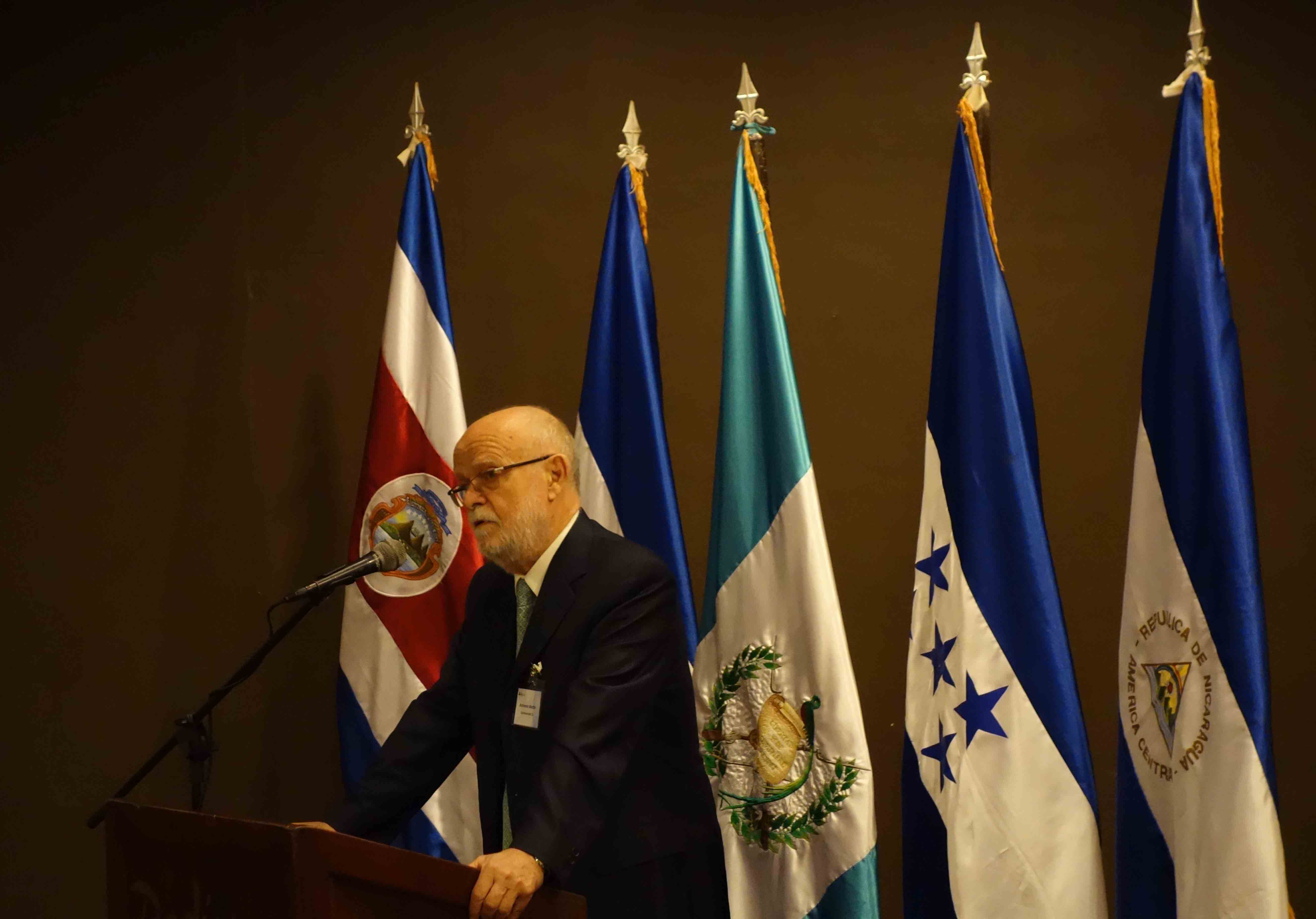
Judges from Central America met in Guatemala on 4-5 June at the International Conference on Impunity and Independence of the Judiciary.
The conference was followed by a public debate on the role of judges in confronting the phenomenom of impunity.
The event was organized with the support of the Canton de Genève, Dan Churchaid and medico international.
Below, listen (in Spanish) to Ramón Cadena, ICJ Regional Director for Central America, who talks about the importance of this conference, and to judges Rubenia Galeano (Honduras), Juan Antonio Durán (Salvador), Carlos Oviedo (Nicaragua), Haroldo Vásquez (Guatemala) and Adriana Orocú (Costa Rica) who talk about impunity and the independence of the judiciary in their respective countries.
Ramón Cadena habla de la Conferencia Regional sobre Independencia Judicial y fenómeno de la impunidad en Centroamérica.
Rubenia Galeano (Honduras) habla del fenómeno de la impunidad y de la situación de la independencia judicial en su país
Juan Antonio Durán (Salvador) habla del fenómeno de la impunidad y de la situación de la independencia judicial en su país
Carlos Oviedo (Nicaragua) habla del fenómeno de la impunidad y de la situación de la independencia judicial en su país
Haroldo Vásquez (Guatemala) habla del fenómeno de la impunidad y de la situación de la independencia judicial en su país
Adriana Orocú (Costa Rica) habla del fenómeno de la impunidad y de la situación de la independencia judicial en su país