Feb 13, 2016 | News
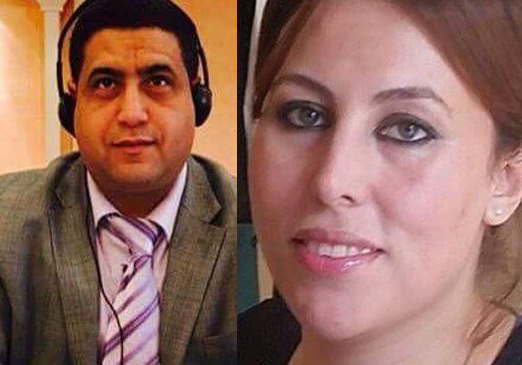
The ICJ today called for the reversal of last Thursday’s decision removing Judge Mohamed Al-Haini from office with suspension of his pension rights.
Judge Al-Haini, together with his colleague Amal Homani, was referred to the High Judicial Council by the Minister of Justice on unwarranted allegations of “violating the duty of discretion” and “expressing opinions of a political nature” following social media comments and media articles written by the judges in which they criticized the government’s Draft Laws on the Conseil Supérieur du Pouvoir Judiciaire and on the Statute for Judges.
The ICJ stresses that it is entirely appropriate for a judge to comment on matters of public interest that go to the organization and governance of the legal profession.
The ICJ, as well as Moroccan professional associations of judges and civil society organizations, has previously called on the Moroccan authorities to revise these same two draft laws to fully comply with international standards on judicial independence.
The ICJ is concerned both at the unfair and arbitrary nature of the proceedings against Judge Al-Haini. He was only granted two hearings before the High Judicial Council’s decision to dismiss him was taken.
Furthermore, several flaws in the proceedings curtailed Judge Al-Haini’s right to defense.
In particular, the High Judicial Council refused to strike the Minister of Justice from the disciplinary panel.
The Minister clearly had a conflict of interest, given his role in initiating the proceedings against the two judges.
As a result, Judge Al-Haini’s defense team withdrew from the case in protest.
At the second hearing the proceedings were carried out in the absence of any defense counsel.
“Despite recurring breaches of due and fair process standards, the disciplinary proceedings against Judge Al-Haini continued leading to the harshest disciplinary sanction possible in violation of principles governing the independence of the judiciary,” said Theo Boutruche, Legal Adviser of the ICJ Middle East and North Africa Programme.
According to international standards members of the judiciary facing disciplinary proceedings have the right to an independent and impartial authority or court with all the guarantees of a fair trial.
The ICJ is further concerned that under the current legal framework in Morocco, the decisions of the High Judicial Council are not subject to any form of review.
This is clearly inconsistent with international standards that require that any disciplinary decision should be subject to an independent review.
“The absence of any possibility to challenge the decision of dismissal deprives Judge Al-Haini of a safeguard against the improper use of disciplinary proceedings, which is clearly the case here,” Boutruche warned.
The ICJ had previously called on the Moroccan authorities to end the unwarranted and arbitrary disciplinary proceedings against Judges Al-Haini and Homani.
The ICJ stressed that members of the judiciary, like other persons, enjoy the rights to freedom of expression, belief, association and assembly in consonance with the dignity of their office and the impartiality and independence of the judiciary.
“This decision should be nullified and the proceedings against the two judges themselves should be terminated,” Boutruche added.
“This case is a stark reminder of the need for the Moroccan authorities to revise the two draft laws, that were adopted last Wednesday by the parliament, to properly strengthen the judicial independence and create a truly independent Conseil Supérieur du Pouvoir Judiciaire in line with international standards,” he concluded.
Contact:
Theo Boutruche, Legal Adviser of the ICJ Middle East and North Africa Programme, tel: +961 70 888 961, e-mail: theo.boutruche@icj.org
Morocco-Al Haini Dismissal-Web Story-2016 (full web story in PDF, Arabic)
Feb 9, 2016 | News
The ICJ today condemned the arrest of Judge Ahmed Nihan and called it a further attack on the independence and integrity of the country’s judiciary.
“President Abdulla Yameen’s Government has dealt another blow to the independence of the judiciary and the rule of law,” said Sam Zarifi, ICJ’s Asia Director.
“The arrest of Judge Ahmed Nihan is another step down in the country’s downward spiral away from democracy and stability, and is squarely at odds with the Maldives’ international obligations,” he added.
Maldivian officials confirmed in a statement that Ahmed Nihan, a magistrate’s court judge, and Muhthaz Muhsin, former Prosecutor General, were arrested on Sunday night on charges of forging a warrant for the arrest of President Abdulla Yameen.
Muhthaz Muhsin was released soon after, but Judge Ahmed Nihan was placed in judicial custody for one week.
“Judge Ahmed Nihan’s arbitrary and seemingly politically motivated arrest is yet another example of executive highhandedness and the corrosion of separation of powers in the Maldives,” said Zarifi.
“Undue interference with the Human Rights Commission, the arbitrary dismissal of the Auditor General, and the unlawful removal of two Supreme Court justices are just a few examples,” he added.
According to the Maldivian media, the arrest warrant, allegedly issued by Judge Ahmed Nihan, related to an on-going investigation against President Abdulla Yameen for embezzlement of state funds.
President Yameen’s spokesperson said in an interview the warrant was “fraudulent” because it “did not originate from any official authority.”
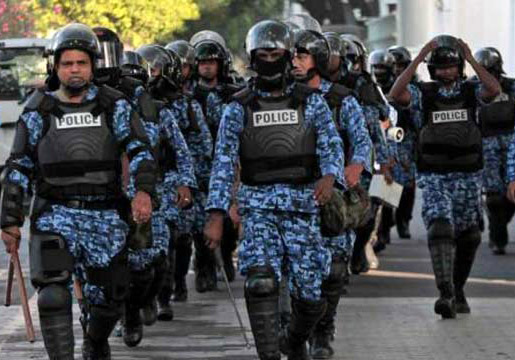
The Maldivian police (photo) claim the arrest warrant was issued using “falsified information”.
The ICJ calls on the authorities to immediately release Judge Ahmed Nihan and allow him to continue his judicial duties.
The ICJ also reiterates its previous calls on the Maldivian Government to implement recommendations on human rights and the rule of law, including the independence of the judiciary, received as part of the UN Universal Periodic Review process.
Contact:
Sam Zarifi, ICJ Asia Pacific Regional Director (Bangkok), t: +66 807819002; e: sam.zarifi(a)icj.org
Additional information:
In a fact-finding report released in August last year, the ICJ noted with concern the serious erosion of the independence, impartiality and integrity of the judiciary, which resulted in the deterioration in the rule of law in the Maldives and the stalling of the country’s transition toward a more representative government.
Article 14 of the International Covenant on Civil and Political Rights (ICCPR), which Maldives acceded to in 2006, safeguards the independence and impartiality of the judiciary.
International standards on judicial independence, including the UN Basic Principles on the Independence of the Judiciary, provide that judges shall be free from any “inappropriate or unwarranted interference with the judicial process”.
The fact that executive or legislative actors may disagree with a judge’s decision or interpretation of the law cannot be a valid ground for removal or punishment of the judge.
The UN Basic Principles on the Independence of the Judiciary further stipulate that judges shall be subject to suspension or removal only through proceedings that guarantee the right to a fair hearing (Principle 17); and then only for reasons of incapacity or behaviour that renders them unfit to discharge their duties (Principle 18); that all disciplinary, suspension or removal proceedings shall be determined in accordance with established standards of judicial conduct (Principle 19), and decisions in disciplinary, suspension or removal proceedings should be subject to an independent review (Principle 20). The Basic Principles elaborate on legal obligations under article 14 of the International Covenant and Civil Rights (ICCPR).
The Commonwealth Latimer House Principles on the Three Branches of Government 2003 contain similar provisions.
Article 154 of the Maldivian Constitution states that a judge may be removed from office only if the Judicial Service Commission finds that the person is grossly incompetent or guilty of gross misconduct.
Dec 7, 2015 | News
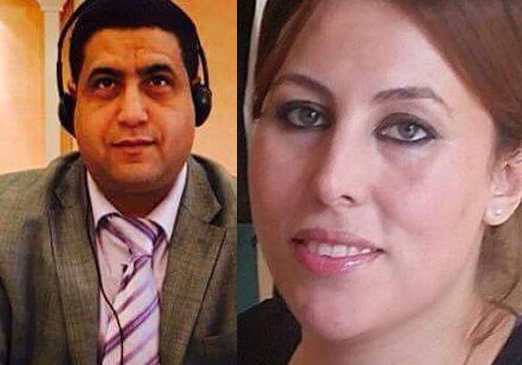
The ICJ today called on the Moroccan authorities to put an immediate end to the disciplinary proceedings initiated against judges Amal Homani and Mohamed Al-Haini.
The two were referred to the High Judicial Council by the Minister of Justice on unfounded allegations of “violating the duty of discretion” and “expressing opinions of a political nature”.
The charges stem from social media comments and media articles written by the judges in which they criticized the government’s Draft Law No. 100.13 on the Conseil Supérieur du Pouvoir Judiciaire and the Draft Law No 106.13 on the Statute for Judges, including provisions that appear designed to maintain executive branch control of the judiciary and the career of judges.
“Instead of subjecting judges who are promoting the rule of law and judicial independence to unjustified and arbitrary disciplinary proceedings, the Moroccan authorities must comply with their obligations under international standards to guarantee, protect and preserve judicial independence,” said Said Benarbia, Director of the ICJ Middle East and North Africa Programme.
“The disciplinary proceedings against judges Amal Homani and Mohamed Al-Haini are clearly without foundation and must be immediately and unconditionally terminated,” he added.
International standards are clear: members of the judiciary are, like other citizens, entitled to freedom of expression, belief, association and assembly.
The exercise of these basic human rights in a manner that preserves the dignity of their office and the impartiality and independence of the judiciary should not constitute a disciplinary offence, the ICJ says.
The social media comments and media articles by judges Amal Homani and Mohamed Al-Haini were clearly within the scope of their rights to freedom of expression, the Geneva-based organization adds.
Under the current legal framework, in particular Law No.1-74-467 of 1974 on the Statute for Judges, the Ministry of Justice has comprehensive and effective control over the entire judiciary, including the High Judicial Council, the career of judges and judicial administration.
Indeed, under the current framework, the Minister of Justice is the Vice-President of the High Judicial Council.
As such the impartiality and fairness of any disciplinary hearings initiated by the Minister of Justice based on statements perceived to criticize the executive branch, must be called into question, the ICJ says.
While provisions of the 2011 Constitution relating to the judiciary constitute an important step towards ending the executive’s control over the judiciary, Moroccan professional associations of judges and civil society organizations have expressed concern that the draft laws perpetuate such control as well as executive interference in judicial matters.
The ICJ has previously called on the Moroccan authorities to revise the two flawed draft laws to ensure their full compliance with international law and standards on judicial independence.
“The Moroccan authorities must end their attacks on judicial independence, including by revising flawed institutional and legal reforms and by ending politicized proceedings against judges,” Benarbia said.
Contact:
Theo Boutruche, Legal Adviser of the ICJ Middle East and North Africa Programme, tel: +961 70 888 961, e-mail: theo.boutruche(a)icj.org
Morocco-Judges Homani-El Haini-News-Press releases-2015-ARA (full press release in PDF, Arabic)
Nov 28, 2015 | News
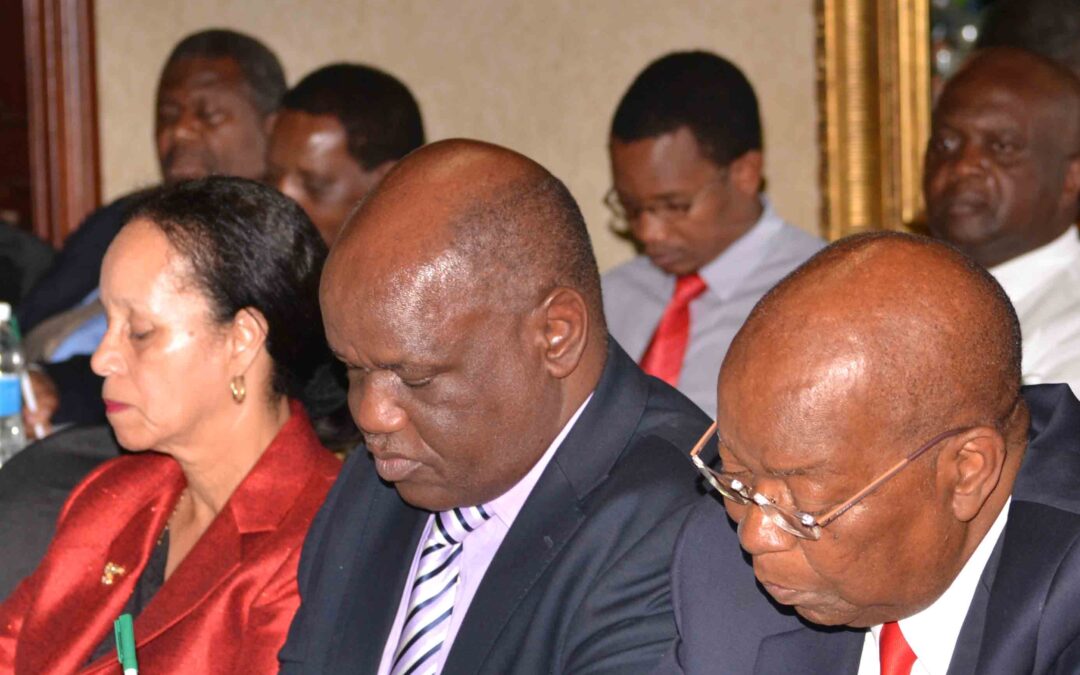
The ICJ co-hosted the Joint Zimbabwe Judicial-Legal Practitioners Colloquium in Zimbabwe. The meeting was held in conjunction with the Law Society of Zimbabwe (LSZ) and the Judicial Services Commission (JSC) of Zimbabwe.
The meeting took place on 27 – 28 November 2015 under the theme “Access to Justice: Barriers and Solutions (A Bar-Bench Dialogue)”.
This year it congregated 30 legal practitioners and 60 Judges who sought to have an honest discussion on the challenges that affect access to justice in Zimbabwe in an attempt to seek practical solutions to these challenges for greater access.
The Chief Justice Godfrey Chidyausiku, and the President of the Law Society Mrs Vimbai Nyemba, in their opening remarks both highlighted the importance of this dialogue platform to justice delivery in Zimbabwe.
They both noted how the colloquium has over the years contributed towards the construction of bridges between the bar and the bench and the doing away of hostilities for the betterment of Justice delivery.
Oct 15, 2015 | News
La CIJ, durante la misión de su Comisionado José Antonio Martín Pallín al país, ha constatado que la trascendencia política y social de los asuntos que el Juez Miguel Ángel Gálvez está investigando, le ha ocasionado numerosos ataques injustificados desde diversos sectores de la sociedad guatemalteca.
Además, la CIJ recibió información que las y los jueces continúan siendo amenazados en el ejercicio de su independencia por la injerencia de la Corte Suprema de Justicia en funciones administrativas, relacionadas con el control del personal, especialmente en el traslado injustificado de jueces.
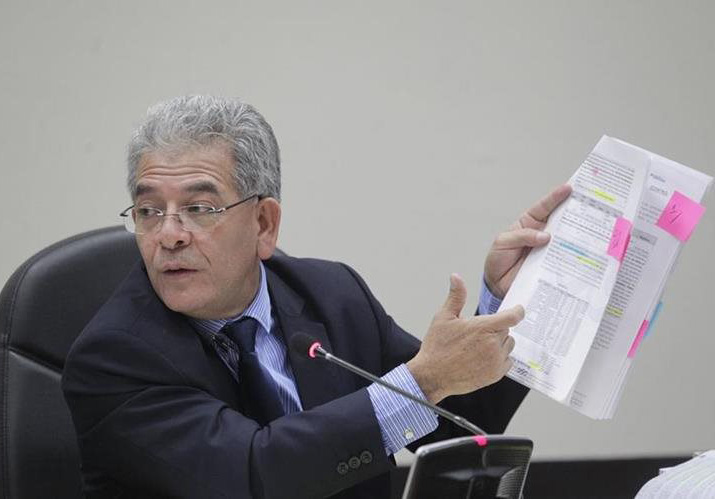
El Juez Miguel Ángel Gálvez (foto) ha afrontado riesgos de traslado en los últimos 6 meses.
La CIJ concluye que la actuación del Juez se ajusta a los principios internacionalmente admitidos del derecho al debido proceso y a las garantías de las y los sindicados.
La CIJ expresa su profunda preocupación por la acumulación excesiva de asuntos judiciales sobre el Juzgado de Competencia Ampliada del juez Gálvez, que hacen absolutamente imposible una actuación dentro de los plazos exigidos por la ley.
La CIJ demanda con toda firmeza que la Corte Suprema de Justicia tome medidas efectivas de apoyo al juzgado de Mayor Riesgo B, para que éste pueda concentrarse en la tramitación de los asuntos que verdaderamente preocupan en este momento a los ciudadanos y ciudadanas guatemaltecas, como por ejemplo el llamado Caso La Línea, el caso Sepur Zarco y el caso Siekavizza, entre otros.
La CIJ considera que ningún órgano judicial puede afrontar la pesada carga judicial a la que el Juez Gálvez tiene que hacer frente; cualquier demora en la tramitación de los asuntos pendientes ante su juzgado, no debe ser atribuida al juez Gálvez, sino a la inactividad de la Corte Suprema de Justicia, que no nombra a jueces de apoyo, que permitan tramitar las causas pendientes.