Jan 15, 2018 | News
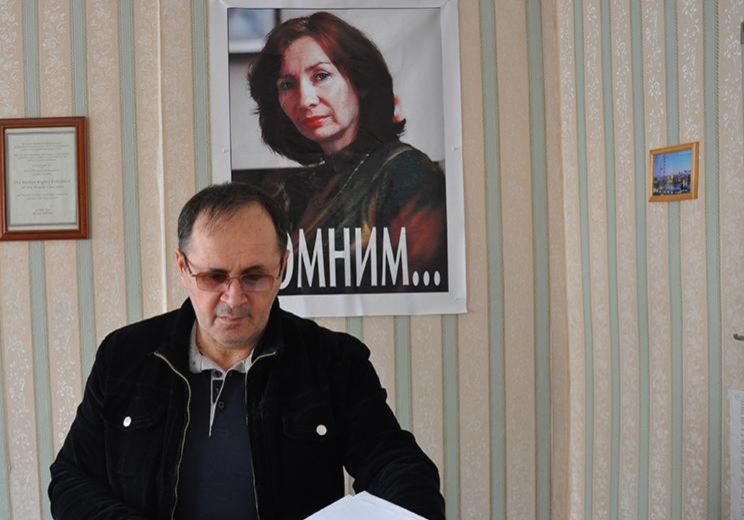
The ICJ is concerned at allegations that the recent arrest and detention of Oyub Titiev, the head of the Chechen branch of the Russian human rights organisation Memorial, were carried out as retaliation for his human rights activity.
The ICJ is particularly concerned at the more recent reports that family members of Oyub Titiev have had to leave Chechnya for security reasons following threats.
The ICJ calls on the Russian federal and local authorities to conduct a prompt, thorough and independent investigation into allegations that criminal charges against Oyub Titiev have been fabricated by police.
Oyub Titiev should be immediately released pending the outcome of this investigation, and measures should be taken to protect his security and that of his family.
On 9 January 2018, at 10.30, according to an official statement of the Ministry of Interior of Chechnya, Oyub Titiev’s car was stopped near Kurchaloy town to check his documents.
During a search of his car, a plastic bag with approximately 180 grams of a substance identified as marijuana was allegedly found.
Titiyev was charged with possession of a large quantity of narcotics under article 228 of the Criminal Code of the Russian Federation. However, he has stated that the narcotics were planted and has filed a complaint with the Prosecutor’s Office to initiate an investigation into these allegations.
Oyub Titiev, the head of Memorial in Chechnya, is one of very few human rights defenders who continue their work in Chechnya despite significant obstacles and threats.
He took over this position following the murder of the former head of Memorial in Chechnya, Natalya Estemirova in 2009.
In accordance with Article 2(a) of the Declaration on Human Rights Defenders (Declaration on the Right and Responsibility of Individuals, Groups and Organs of Society to Promote and Protect Universally Recognized Human Rights and Fundamental Freedoms), human rights defenders have a right to conduct human rights work individually and in association with others.
Under the same Declaration, States have a duty to take all necessary measures to ensure the protection of everyone against any violence, threats, retaliation, adverse discrimination, pressure or any other arbitrary action as a consequence of his or her legitimate activities as a human rights defender.
Threats of violence and the falsification of evidence by public officials constitute crimes under the Russian Criminal Code. Reliance in criminal proceedings on evidence falsely planted by the police or other State actors would violate international human rights law including fair trial guarantees under the UN Covenant on Civil and Political Rights and the European Convention of Human Rights.
Attacks on human rights defenders working in an extremely difficult human rights environment such as that of Chechnya, or attacks on their family members, have a chilling effect on work to defend human rights there. If further such attacks are to be prevented, individuals responsible for them must be brought to justice through a fair procedure, the ICJ stressed.
Nov 22, 2017 | News
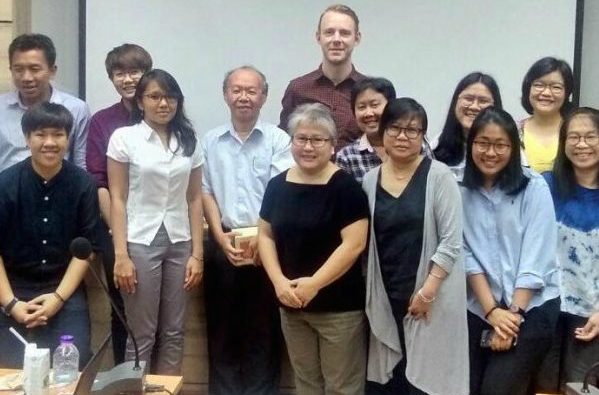
On 22 November, the ICJ, in collaboration with the Legal Research and Development Center under Chiang Mai University’s Faculty of Law, held a roundtable discussion on “Human Rights Litigation concerning the Special Economic Zones in Myanmar and Thailand”.
The objective of the discussion, held on campus at Chiang Mai University, was to identify legal issues and to share experiences regarding strategic litigation and advocacy strategies concerning human rights violations associated with the development of Special Economic Zones (SEZs) in Thailand and Myanmar.
In recent years, both the Thai and Myanmar governments have been trying to attract foreign direct investment into their countries by demarcating specific areas where special regulations concerning, inter alia, public administration, the environment, land or labour rights might be applied.
Proponents of SEZs tend to link their development with jobs and economic growth, however, there is generally limited publicly available information about their economic or public purpose rationale.
The development of SEZs, which requires a lot of land, can undermine the protection of human rights and the rule of law by creating governance structures and permitting processes less stringent than that required under national and international law.
Participants at the discussion included postgraduate students and lecturers from Chiang Mai University’s Faculty of Law, lawyers and representatives from Thai civil society organisations.
The ICJ shared with participants its report analysing the legal framework of SEZs in Myanmar and human rights concerns arising from a case study of Kyauk Phyu SEZ, ‘Special Economic Zones in Myanmar and the State Duty to Protect Human Rights’, during the discussion.
The speakers at the discussion were:
· Sean Bain, ICJ International Legal Advisor, Myanmar
· Sumitchai Hattasan, Director, Center for Protection and Revival of Local Community Rights
· Supaporn Malailoy, EEC Watch, Human Rights and Environmental Lawyer
Nov 17, 2017 | News
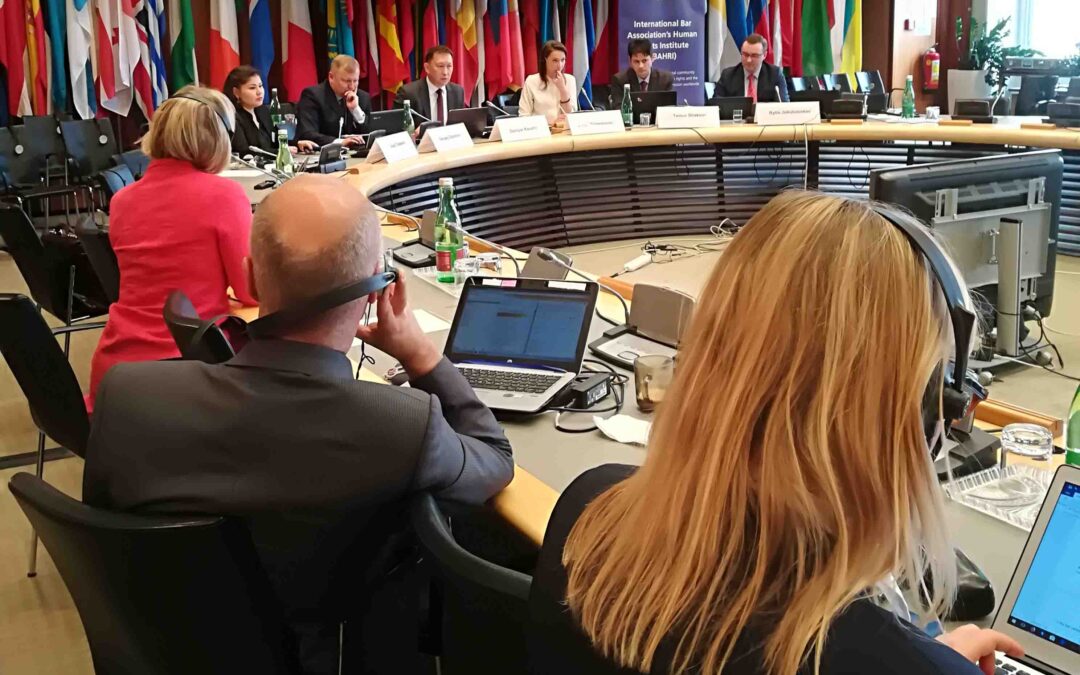
Today, the International Bar Association’s Human Rights Institute (IBAHRI) and the ICJ held a side event in the framework of the OSCE’s Supplementary Human Dimension Meeting (SHDM) on Access to Justice in Vienna.
The event aimed to give an overview of current challenges and key organizational and procedural barriers faced by lawyers in Kazakhstan, in the light of international standards on the independence and role of lawyers.
At the event, lawyers from Kazakhstan as well as international experts discussed what guarantees should be ensured in the planned reform of the legal profession to guarantee professional autonomy and to strengthen the independence of lawyers.
Any undue interference with the independence of the current Bar Association in Kazakhstan would be contrary to international law and standards and would have a significant negative effect not only for Kazakhstan’s justice system but also for the wider Central Asia region.
Oct 17, 2017 | News
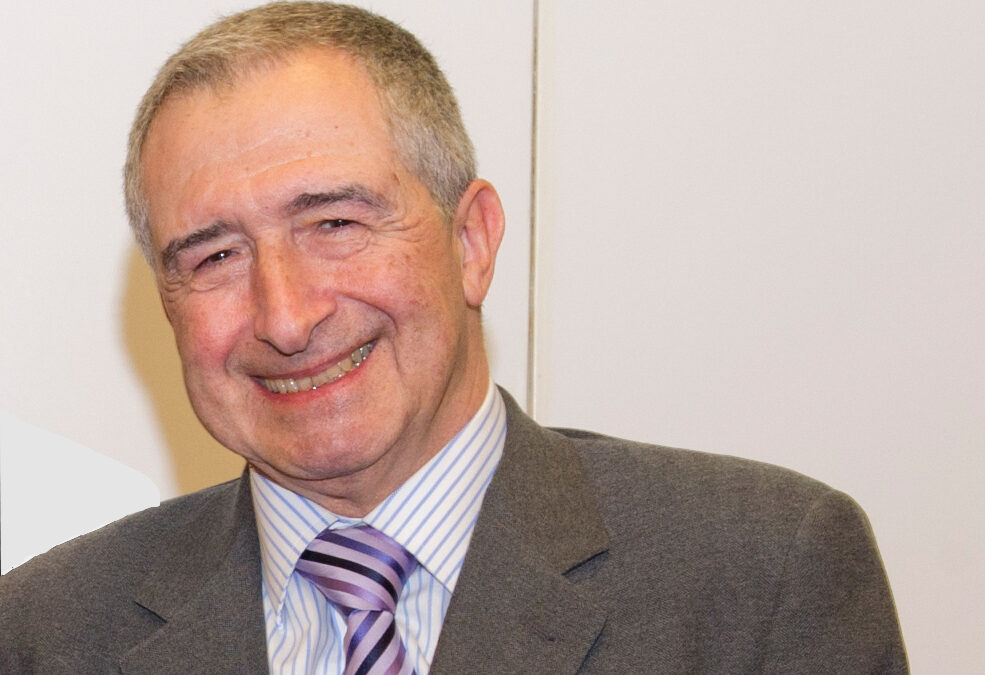
Sir Nigel Rodley, ICJ President, fought tirelessly for human rights in a remarkable career as a jurist spanning more than five decades. You can help the creation of a documentary on his life and achievements.
Human Rights in the Picture, in close collaboration with the Human Rights Centre of Essex University and Docudon Production, hopes to create a documentary on Sir Nigel’s life story and his outstanding achievements to inspire, teach and shape new generations of students and human rights practitioners.
To make this happen, they are asking for help.
Human Rights in the Picture is raising 60.000 euros by crowdfunding in 42 days.
View the teaser of the documentary
For further details, and to make a donation, please see here: www.crowdfundingNigelRodleyfilm.org
Oct 16, 2017 | News
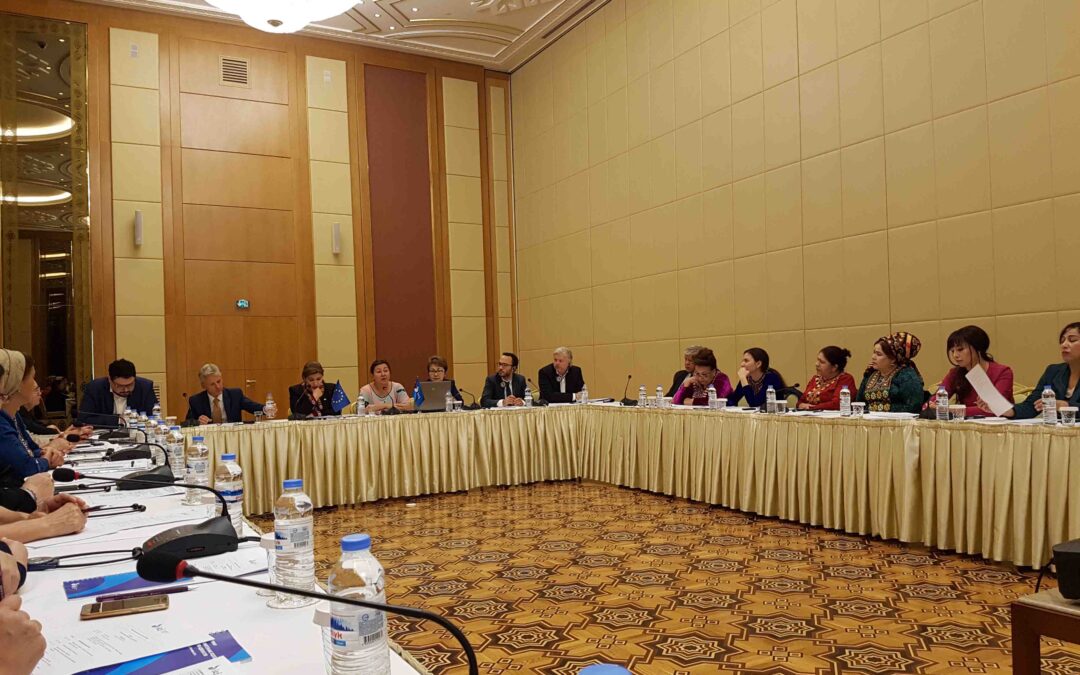
Today, the ICJ holds a seminar in Turkmenistan, on “Comparative perspectives on the role of lawyers”.
The event organized in Ashgabat, with support of the EU Liaison Office in Turkmenistan, provides an important opportunity to discuss the questions of organization of an independent legal profession and the ethics of lawyers in the countries of the EU and Central Asia.
“Along with judges and prosecutors, lawyers are key participants in the administration of justice. Ensuring fair trial rights is intrinsically linked with the right to legal assistance by lawyers who are able to perform their duties independently and with full respect of profession’s ethical standards,” said Temur Shakirov, ICJ Europe Programme Legal Adviser.
“To achieve this they organize themselves through associations of lawyers,” he added.
The workshop takes a comparative approach and looks into the role of lawyers in several jurisdictions, including the organisation of the legal profession as well as the professional standards for lawyers in Germany, Switzerland, Kazakhstan and Uzbekistan.
The speakers will also discuss international standards on the role of lawyers and their ethics.
Gulnora Ishankhanova, an ICJ Commissioner, will represent the ICJ along with other experts, including senior lawyers from the ICJ network.
They will present comparative national perspectives on the role of lawyers in their respective countries, placing them in the context of global and regional standards.
Representatives of lawyers’ associations in Turkmenistan will present the experience of Turkmenistan.