Mar 12, 2018 | Advocacy, Non-legal submissions
The ICJ today delivered a statement at the UN Human Rights Council calling on Myanmar to cooperate with UN mechanisms and for all UN agencies in the country to make human rights central to their approach.
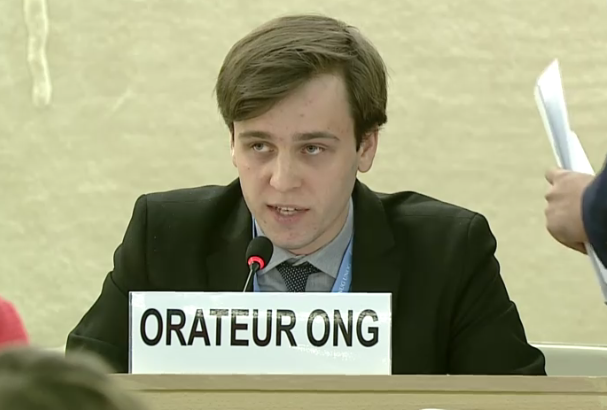
The statement, made in the interactive dialogue with the international Fact Finding Mission on Myanmar, and the Special Rapporteur, read as follows:
“The International Commission of Jurists (ICJ) welcomes the update of the Independent International Fact Finding Mission. In relation to crimes under international law, the ICJ encourages the experts to continue to develop further specific recommendations for securing criminal accountability and providing redress.
The ICJ also welcomes the report of the Special Rapporteur, and strongly supports the renewal of her mandate and tenure.
As a UN Member State, the Government of Myanmar should fully cooperate with all the organs and mechanisms of the UN, in accordance with its obligations under the UN Charter.
At this session, the government asked for ‘concrete evidence’ of alleged human rights violations, and committed to taking action against perpetrators, but permission to enter the country is still refused to the Fact Finding Mission, to the Special Rapporteur and to the Office of the High Commissioner for Human Rights.
To demonstrate a genuine commitment to truth and accountability, the Government must allow them full access to areas of concern, particularly to Rakhine State and to conflict areas in Kachin State and Shan State.
Humanitarian actors and independent media must also be immediately allowed full and unimpeded access, particularly to Rakhine State, as recommended by the government’s own Advisory Commission.
The current situation in Rakhine State is incongruous to voluntary returns of Rohingya refugees. At the same time, the UN High Commissioner for Human Rights must be included in repatriation planning with a full mandate to protect refugees. This is contemplated in current repatriation arrangements with the Government of Bangladesh, and the Government of Myanmar must now formalize this relationship with UNHCR.
Experts, what can be done to ensure all UN agencies present in Myanmar actually put ‘human rights up front’ in the line with the mandate of every UN organ under the UN Charter?”
Mar 3, 2018 | Agendas, Events, News
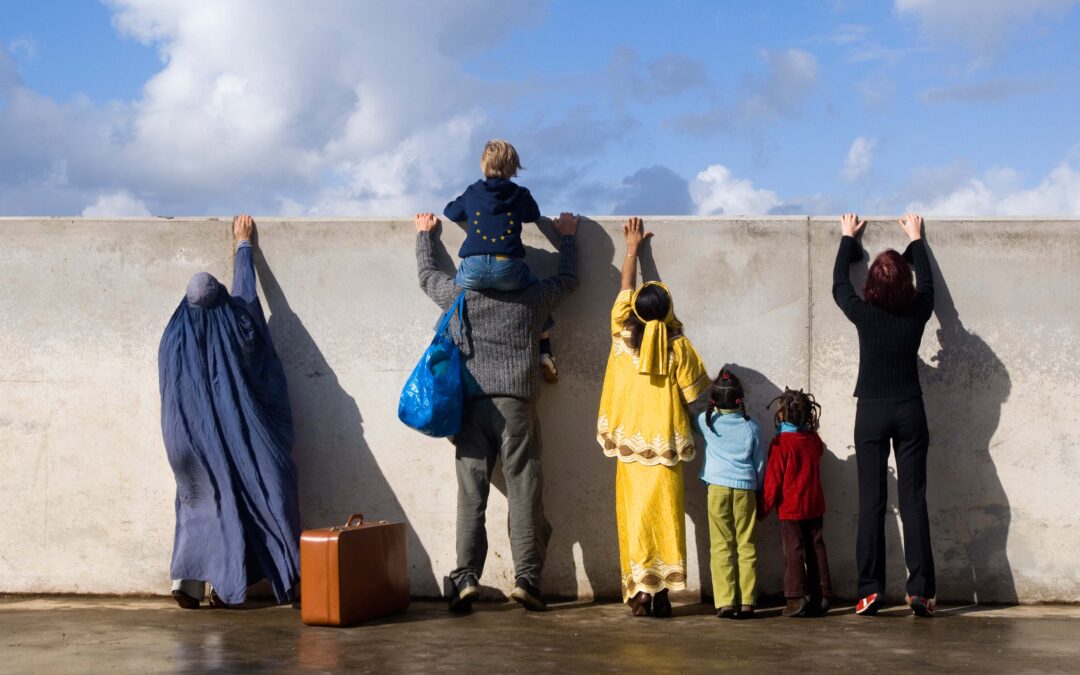
Today begins in Istanbul (Turkey) a two-day training for lawyers and CSO practitioners representing and working with migrants, refugees and asylum-seekers.
This event is organized by ICJ, in cooperation with its partners Refugee Rights Turkey, the European Council on Refugees and Exiles (ECRE), Mülteci-Der (MD) and ICJ-EI, as part of the EU co-financed project Fostering Access to Rights for Migrants, Refugees and Asylum-Seekers in Turkey.
30 lawyers and civil society practitioners – representing nine different bar associations and relevant organisations from the Ankara area and other nearby key migration and asylum locations – are taking part in the training on 3 and 4 March.
The training aims to update lawyers and CSOs on the international and national law on the rights of refugees, migrants and asylum-seekers in order to be effective in their work at both the national and international levels. It aims at an effective implementation of the Turkish legal framework on asylum and migration.
The main thematic areas to be discussed will be the principle of non-refoulement, international protection, detention and access to economic, social and cultural rights.
The training will use as a basis the draft training materials prepared by the ICJ and its partners (to be published an the end of 2019) and, among other sources, the ICJ Practitioners Guide no. 6: Migration and International Human Rights Law.
The project “Fostering Access to Rights for Migrants, Refugees and Asylum-Seekers in Turkey” is funded by the European Instrument for Democracy and Human Rights (EIDHR) of the European Union.
Turkey-Training-Istanbul2-MigrationAsylum-Agenda-2018-tur (download the agenda in Turkish)
Feb 3, 2018 | Agendas, Events, News
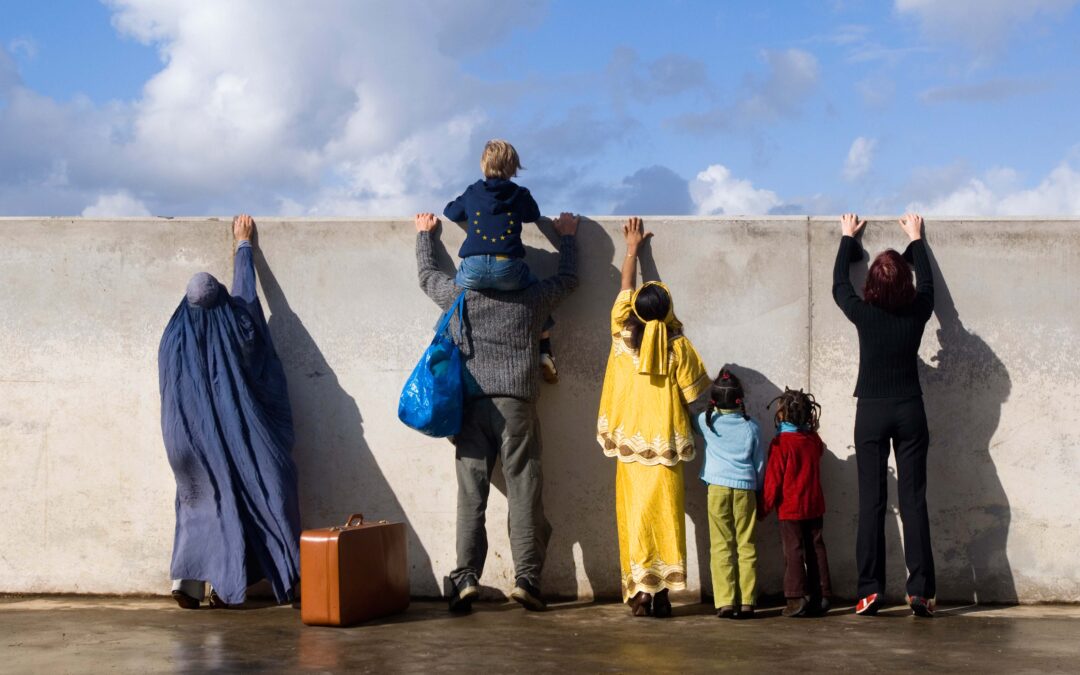
Today begins in Ankara (Turkey) a two-day training for lawyers and CSO practitioners representing and working with migrants, refugees and asylum-seekers.
This event is organized by ICJ, in cooperation with its partners Refugee Rights Turkey, the European Council on Refugees and Exiles (ECRE), Mülteci-Der (MD) and ICJ-EI, as part of the EU co-financed project Fostering Access to Rights for Migrants, Refugees and Asylum-Seekers in Turkey.
30 lawyers and civil society practitioners – representing nine different bar associations and relevant organisations from the Ankara area and other nearby key migration and asylum locations – are taking part in the training on 3 and 4 February.
The training aims to update lawyers and CSOs on the international and national law on the rights of refugees, migrants and asylum-seekers in order to be effective in their work at both the national and international levels. It aims at an effective implementation of the Turkish legal framework on asylum and migration.
The main thematic areas to be discussed will be the principle of non-refoulement, international protection, detention and access to economic, social and cultural rights.
The training will use as a basis the draft training materials prepared by the ICJ and its partners (to be published an the end of 2019) and, among other sources, the ICJ Practitioners Guide no. 6: Migration and International Human Rights Law.
The project “Fostering Access to Rights for Migrants, Refugees and Asylum-Seekers in Turkey” is funded by the European Instrument for Democracy and Human Rights (EIDHR) of the European Union.
Turkey-Training-Ankara-MigrationAsylum-Agenda-2018-tur-eng (download the agenda in Turkish and English)
Dec 9, 2017 | Agendas, Events, News
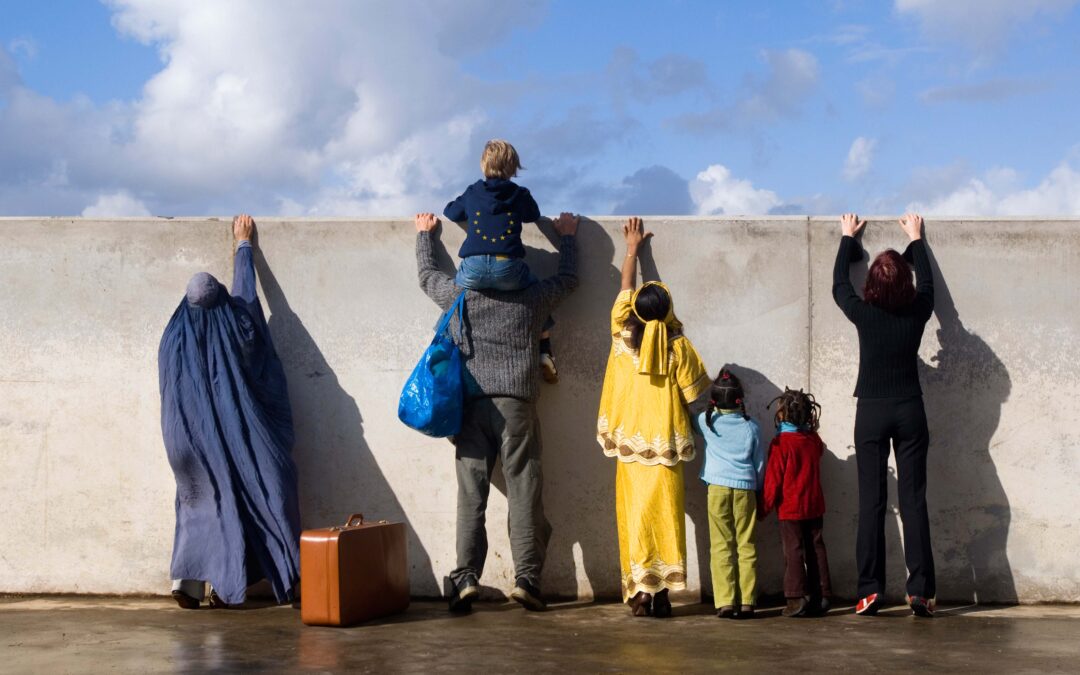
Today begins in Izmir (Turkey) a two-day training for lawyers and CSO practitioners representing and working with migrants, refugees and asylum-seekers.
This event is organized by ICJ, in cooperation with its partners Refugee Rights Turkey, the European Council on Refugees and Exiles (ECRE), Mülteci-Der (MD) and ICJ-EI, as part of the EU co-financed project Fostering Access to Rights for Migrants, Refugees and Asylum-Seekers in Turkey.
30 lawyers and civil society practitioners – representing nine different bar associations and relevant organisations from the Istanbul area and other nearby key migration and asylum locations – are taking part in the training on 9 and 10 December.
The training aims to update lawyers and CSOs on the international and national law on the rights of refugees, migrants and asylum-seekers in order to be effective in their work at both the national and international levels. It aims at an effective implementation of the Turkish legal framework on asylum and migration.
The main thematic areas to be discussed will be the principle of non-refoulement, international protection, detention and access to economic, social and cultural rights.
The training will use as a basis the draft training materials prepared by the ICJ and its partners (to be published an the end of 2019) and, among other sources, the ICJ Practitioners Guide no. 6: Migration and International Human Rights Law.
The project “Fostering Access to Rights for Migrants, Refugees and Asylum-Seekers in Turkey” is funded by the European Instrument for Democracy and Human Rights (EIDHR) of the European Union.
Turkey-Training-Izmir-MigrationAsylum-Agenda-2017-tur-eng (download the agenda in Turkish and English)
Dec 5, 2017 | Advocacy, Non-legal submissions
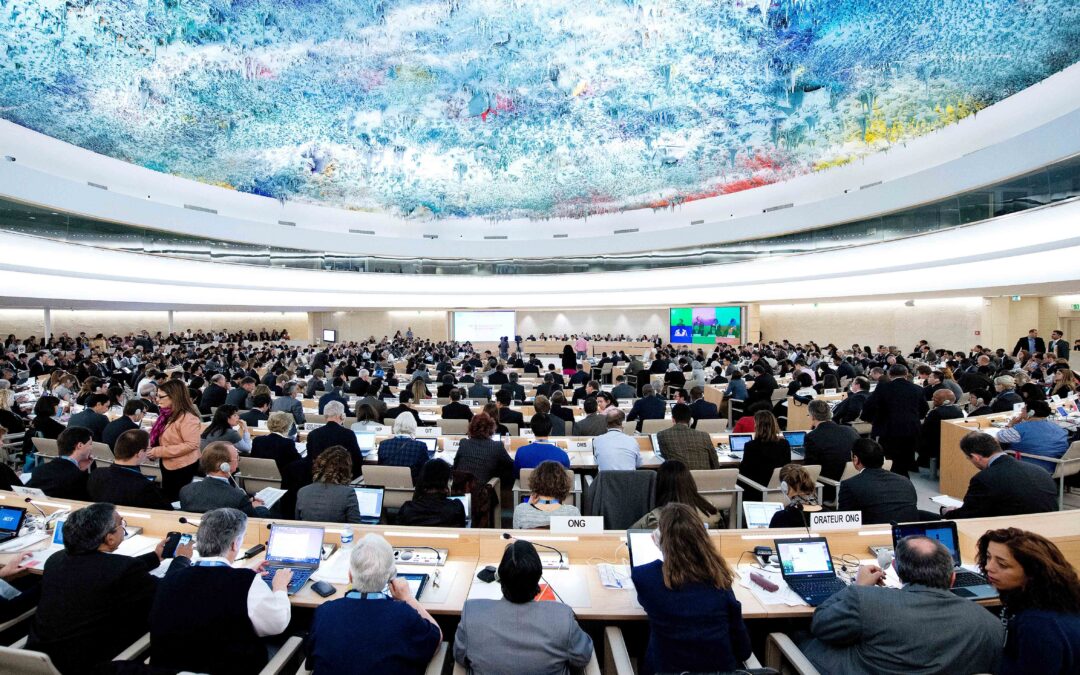
The ICJ today addressed an emergency Special Session of the UN Human Rights Council on Myanmar, outlining key requirements for the protection of the Rohingya minority, including safe and voluntary return of refugees.The Special Session is expected to adopt a resolution to address “The human rights situation of the minority Rohingya Muslim population and other minorities in the Rakhine State of Myanmar.”
The ICJ statement read as follows:
“It is encouraging that the Governments of Bangladesh and Myanmar have recognized the right of displaced Rohingya to return to their places of residence.
However, any provisions for return must comply with international law, including as regards non-refoulement. Effective guarantees that all displaced persons will be able to return to their place of prior residence in a safe, dignified, voluntary and sustainable manner, without discrimination, are essential.
Rohingya refugees must also be provided with alternatives to return, including the option of seeking international protection. Anything short of this would amount to their forcible return and thus violate the non-refoulement principle.
It is of the utmost urgency that the gross and systematic violations that have given rise to the forced displacement are immediately brought to an end and that measures are taken to prevent their recurrence, including by holding perpetrators responsible.
No-one may be forcibly returned to the current circumstances that prevail in Rakhine State, and voluntary returns will only ultimately take place if and when refugees are satisfied they are not returning to further violations in Myanmar.
Any provisions for restrictions on freedom of movement upon return are also of concern, particularly given past experience, with internment camps housing tens of thousands of Muslims displaced in 2012 still in place. Such restrictions elsewhere in Rakhine State contribute to violations of, among other things, the human rights to life, to health, to food, to education and to livelihoods.
To ensure that the rights of refugees are respected and protected, Bangladesh and Myanmar should immediately seek to ensure that UNHCR is involved, and its guidance followed, in any discussion of repatriation processes.
The Government of Myanmar must cooperate with the UN-mandated Fact Finding Mission to independently establish facts and provide a proper foundation for effective responses to human rights violations and humanitarian crises in Rakhine State, as well as in Shan and Kachin States, whose populations also face related patterns of human rights violations by military and security forces.”
The Council adopted a resolution at the end of the session, which reflects many of the concerns raised by the ICJ and others: A_HRC_S_27_L1