Jun 19, 2018 | Advocacy, Non-legal submissions
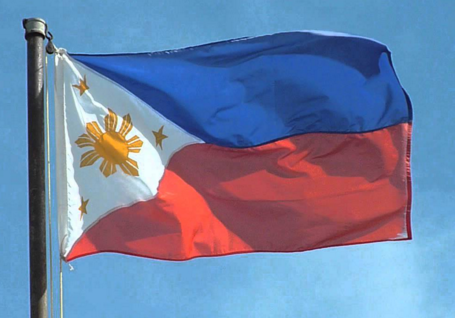
The ICJ today joined other NGOs in calling for the UN Human Rights Council to establish an international investigation into extrajudicial killings in the ‘war on drugs’ in the Philippines.The call came in a joint oral statement to the Council, delivered by Franciscans International on behalf of the group of NGOs. The statement, part of the general debate on a global update provided to the Council by the High Commissioner for Human Rights, read as follows:
“Mr President, we welcome the High Commissioner’s update. We are pleased to hear about positive developments that several States have made in granting access to Special Procedures. However, we deeply regret that this is not the case for the Philippines, a member of the Human Rights Council, which has refused access to the Special Rapporteur on extrajudicial executions, in spite of the thousands of killings in the government’s ongoing ‘war on drugs’, and the lack of independent and impartial investigations in the country.
We are further concerned that the lack of cooperation with Special Procedures has been further compounded by the Philippine President’s threats and verbal attacks against several mandate holders and the High Commissioner himself. In the absence of cooperation with Special Procedures, we call on the Council to establish an independent international investigation into extrajudicial killings in the ‘war on drugs’ in the Philippines.
As this was the last update of the High Commissioner to the Council, we would like to express deep appreciation for his hard work and dedication over his four year term, and the attention he has drawn to threats to human rights defenders and their work in the Philippines. We call on the Council to follow up on this work by mandating the OHCHR to monitor the deterioration in the situation of human rights and attacks on democratic institutions, as well as the Philippine government’s moves toward authoritarianism, and ask the OHCHR to report on this to the Human Rights Council.”
In 2016 the ICJ released a briefing paper on investigation of extrajudicial executions in the Philippines, which among other things called for an independent commission of inquiry, after having earlier written directly to President Duterte.
May 18, 2018 | Advocacy, Non-legal submissions
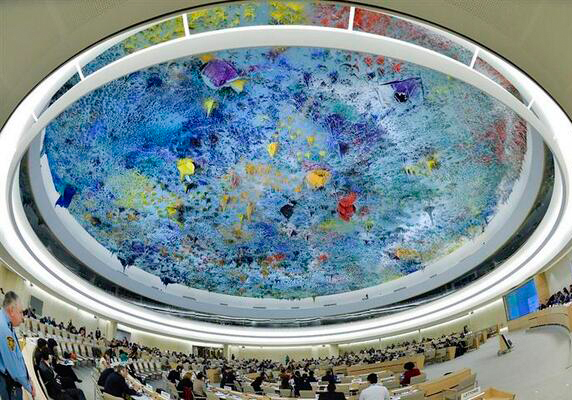
Speaking today at a special session of the UN Human Rights Council, the ICJ joined calls for an independent international inquiry into the use lethal and other force by Israeli security forces in Eastern Gaza.
The statement read as follows:
The International Commission of Jurists (ICJ) deplores apparent violations of international law by Israeli security forces during the past six weeks in Eastern Gaza near the border with Israel, in relation to demonstrations by Palestinians.
The ICJ is concerned at the many killings and serious injuries associated with the excessive, unjustified or otherwise unlawful use of force, including the killing of a number of children.
The ICJ recalls that international human rights law permits use of lethal force only when strictly necessary to protect life. The ICJ understands that Israel has taken the position that only the international law of armed conflict, and not international human rights law, was applicable, and that all lethal force used against protestors was justified. The ICJ insists that human rights law – and specifically, standards on the use of force in law enforcement contexts – was indeed applicable, and that the use of lethal force was in the circumstances wholly unjustified.
Excessive force, including lethal force, has apparently been used against unarmed persons who do not pose a threat to life. Irrespective of legal regime, such use of force is manifestly inconsistent with the principles of necessity and proportionality.
The ICJ joins the call for this Council to establish an independent Commission of Inquiry or similar investigation, to ensure accountability for serious violations of international law.
Update: The session concluded with the adoption (29 yes, 2 no, 14 abstained) by the Council of a resolution establishing a Commission of Inquiry.
Apr 16, 2018 | Advocacy, News, Non-legal submissions
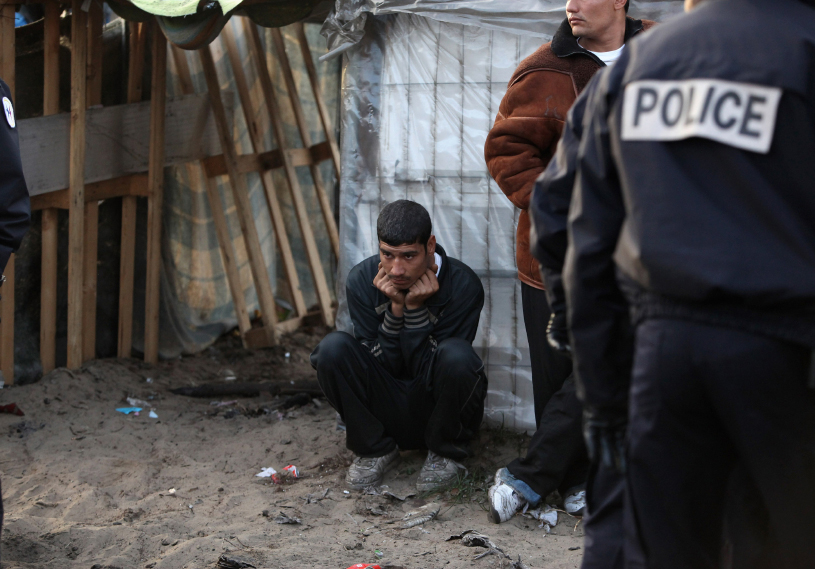
The ICJ and ECRE have presented today to the United Nations Special Rapporteur on the human rights of migrants a submission on access to justice for migrants in Europe.
The submission is an input for the forthcoming report of the UN Special Rapporteur on access to justice for migrants to the UN General Assembly.
The International Commission of Jurists (ICJ) and the European Council on Refugees and Exiles (ECRE) have provided a brief overview of aspects of access to justice for migrants, with a particular focus on asylum seekers and migrant children, in European countries.
The issues dealt with include:
- obstructions to access to justice in relation to access to the territory;
- the undue use of national security exceptions to weaken access to justice in immigration procedures;
- concerns with access to justice in expulsion and detention procedures;
- specific obstacles to access to justice for asylum seekers, including when appealing the rejection of their claims by first instance asylum authorities before a judicial or administrative appeal body;
- specific obstacles to access to justice for undocumented minors.
ICJECRE-NonLegalSubmission-SRMigrants-Access2JusticeEurope4Migrants-2018-ENG (download the submission)
Mar 23, 2018 | Advocacy, Non-legal submissions
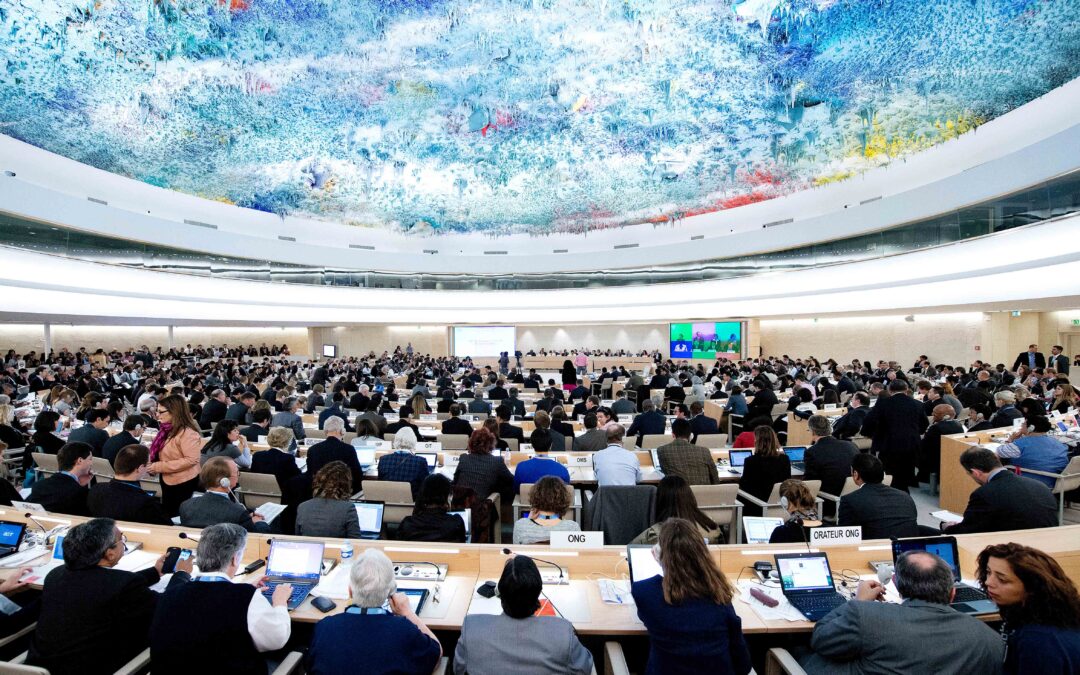
The ICJ today joined other NGOs in an end-of-session statement, reflecting on the 37th ordinary session of the UN Human Rights Council.
The statement was delivered by the International Service for Human Rights (ISHR) on behalf of:
- The East and Horn of Africa Human Rights Defenders Project (DefendDefenders)
- The Global Initiative for Economic, Social & Cultural Rights
- CIVICUS
- International Commission of Jurists
- International Federation for Human Rights Leagues
- Conectas Direitos Humanos
- Human Rights House Foundation
- Amnesty International
- International Lesbian and Gay Association
- Human Rights Watch
- Asian Forum for Human Rights and Development (FORUM-ASIA).
The statement read as follows (text in italics was not read aloud for lack of time):
“Our organisations welcome the adoption of the resolution on the promotion and protection of human rights and the implementation of the 2030 Agenda for Sustainable Development, particularly in reaffirming that all approaches to development must comply with the State’s international human rights obligations.
We agree that “cooperation and dialogue” are important for the promotion and protection of human rights, and that States should fully cooperate with the Council and its mechanisms, and ensure that all stakeholders are able to cooperate and engage with them without fear of reprisals.
However, we must now be vigilant to ensure that the resolution on Mutually Beneficial Cooperation, lacking in balance, does not undermine other important parts of the Council’s mandate: to address human rights violations and respond promptly to human rights emergencies in specific countries.
The Council has failed to take meaningful action to address the alarming situation on the ground in Cambodia. We welcome and echo the joint statement on Cambodia by over 40 states calling for further action if the situation does not improve in the lead up to the elections and for a briefing by the High Commissioner before the next Council session. We are concerned by Cambodia’s attempt to shut down criticism under item 10 debate on the worsening human rights situation in the country, as they are doing domestically.
We are disappointed by the weak outcome on Libya. Given the gravity of the human rights situation on the ground and the lack of accountability for crimes under international law, the Council cannot justify the lack of a dedicated monitoring and reporting mechanism.
We welcome the co-sponsorship of the Myanmar resolution by groups of States from all regions, making a joint commitment to address the continuing human rights violations and crimes against humanity in the country and support for the Special Rapporteur and Fact-Finding Mission to fulfil its mandate to establish truth and ensure accountability for perpetrators.
We also welcome the renewal of the mandate of the Commission on Human Rights in South Sudan allowing it to continue its vital investigations and identification of perpetrators. These developments acknowledge the importance of accountability for serious human rights violations and crimes under international law, which cannot be understated.
We welcome the adoption of the resolution on drugs and human rights as the OHCHR report will provide human rights indicators related to the drug issue that would help in future policies.
We welcome the resolution on Eastern Ghouta adopted after an urgent debate, demonstrating how this Council can respond in an agile manner to crises.
Having long supported the resolution on “protection of human rights while countering terrorism”, we appreciate the efforts that led to the end of the separate and deeply flawed initiative on “effects of terrorism on the enjoyment of human rights“. Future versions of the resolution must address the relevant issues exclusively and comprehensively from the perspective of the effective protection of human rights.
We welcome the Dutch-led joint statement on strengthening the Council, emphasising the importance of substantive civil society participation in any initiative or process and that the Council must be accessible, effective and protective for human rights defenders and rights holders on the ground.
Finally, we call on the Bureau co-facilitators on improving the efficiency and strengthening the Council to closely engage with all Members and Observers of the Council, human rights defenders and civil society organisations not based in Geneva.”
Mar 22, 2018 | Advocacy, Non-legal submissions
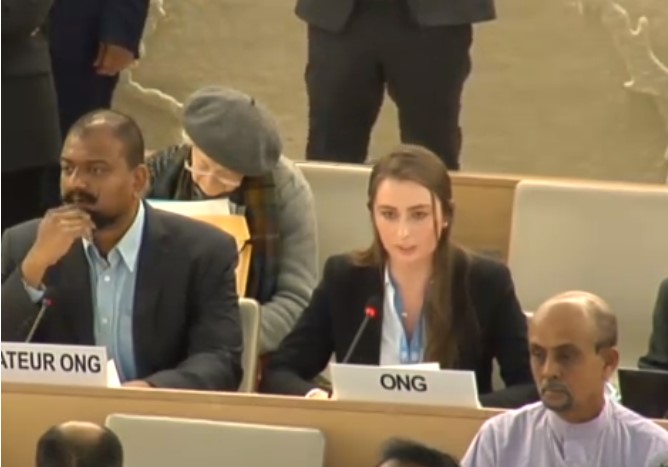
The ICJ today highlighted misuses of the law and legal system in Cambodia, in violation of human rights, and called for action by States and international and regional organisations, as well as the Government of Cambodia.
The statement was delivered during a general debate at the UN Human Rights Council, responding to concerns expressed earlier in the session by the UN High Commissioner for Human Rights and in the report of the UN Secretary General. It read as follows:
“The Cambodian Government continues to misuse the law to clamp down on the political opposition, on civil society and on ordinary individuals under the guise of the ‘rule of law’.
In November 2017, the Supreme Court dissolved the main opposition political party and banned 118 of its members from political activity after a politicized hearing in which the President of the Court was himself a high-ranking member of the ruling party.
The main opposition leader, Kem Sokha, remains in detention, under investigation for treason.
A recent Constitutional amendment imposes a broad ‘duty’ on individuals and associations to “uphold the national interest”. A new lèse-majesté law is inconsistent with freedom of expression.
Individuals continue to flee the country in fear for having exercised their fundamental freedoms.
In February, Sam Sokha, a UNHCR-recognized refugee, was deported from Thailand to Cambodia after she was convicted in her absence by a Cambodian court, for throwing a shoe at a ruling party billboard.
With national elections scheduled for July 2018, the Government’s trend of weaponizing the law against its people only seems set to harden.
States, international and regional organisations, and other international actors must heighten efforts to address the rule of law and human rights crisis in Cambodia.”
Video of the statement is available here:
Numerous statements expressing similar concerns about the situation in Cambodia followed by other NGOs. Some of them were interrupted by Cambodia on “points of order” and prevented from fully presenting their criticisms despite their alloted time remaining. The ICJ does not consider that the objections raised by Cambodia were valid and that the speakers should have been able to receive the full allotted time to complete their statements. Video of a final statement by the delegation of Cambodia is available below:
The ICJ statement today follows an earlier joint statement delivered yesterday by New Zealand on behalf of a group of 45 states, which is available to download in PDF format here (NZJointStatementCambodiaHRC37-2018) and to view by video here: