Feb 17, 2021 | News
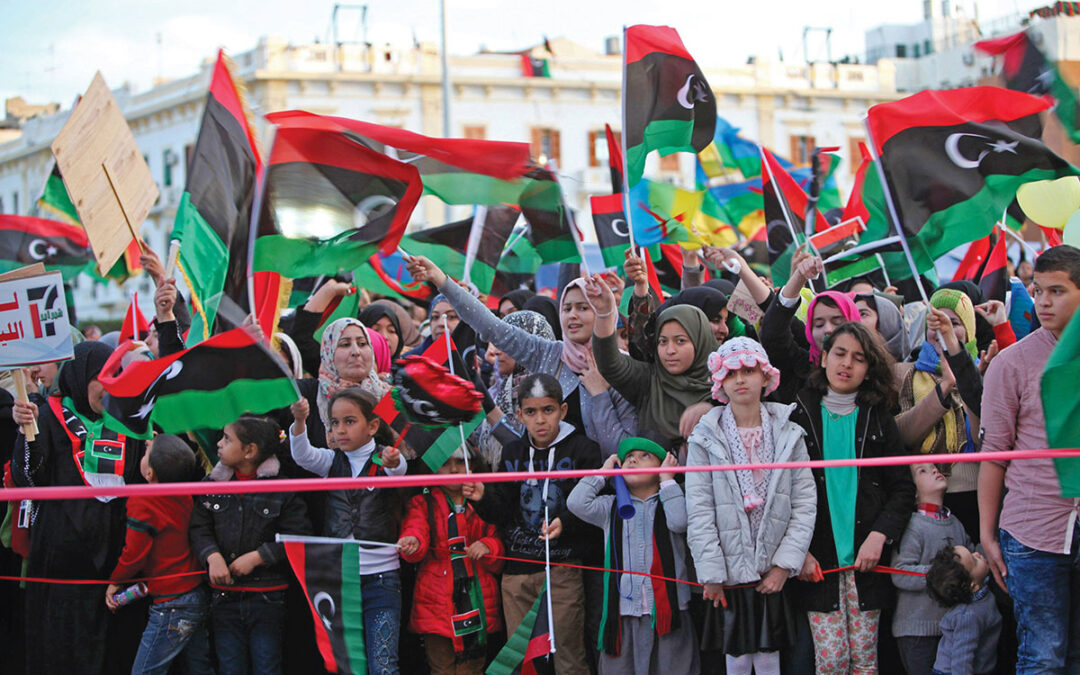
17 February 2021 marks the tenth anniversary of the Libyan revolution.
Back then, protestors had taken to the streets calling for an end to Gadhafi’s authoritarian rule: a regime beset by the commission of widespread and systematic gross human rights violations, including arbitrary arrest and detention; enforced disappearances; torture and other ill-treatment; the oppression of women, minority groups, political dissidents and government critics; and the curtailment of freedom of expression, association and assembly.
Libyans who supported the 2011 revolution hoped it would usher in a nascent democracy and present an opportunity to address the country’s bleak legacy. A decade on, however, the pursuit of justice and accountability remains unfulfilled, and the cycle of impunity unbroken, as a multitude of State actors and armed groups continue to perpetrate crimes under international law, including against thousands of migrants, refugees, asylum seekers and stateless persons.
Attacks against human rights defenders, lawyers and activists, including extrajudicial executions, enforced disappearances and torture, are pervasive, particularly so against women. The post-2011 period has also witnessed an increasingly brutal crackdown on civil society, journalists and bloggers, in addition to the violent suppression of peaceful protests through excessive use of force and arbitrary arrests.
Against a backdrop in which domestic accountability efforts are hindered by cycles of violence, weak and ineffective law enforcement agencies, and by the arbitrary exercise of policing and detention powers by armed groups, international efforts to fight impunity in the country are underway. The Office of the Prosecutor of the International Criminal Court (ICC) is currently investigating some of the crimes under international law committed after 2011, including war crimes committed in the context of armed conflicts. However, certain individuals against whom ICC arrest warrants have been issued, including Mahmoud Al-Werfalli, remain at large.
In June 2020, the UN Human Rights Council established an International Fact-Finding Mission (FFM) tasked with investigating violations and abuses of international human rights law and international humanitarian law committed by both State and non-State actors in Libya since 2016. The FFM’s work will be key in addressing impunity in the country and will complement national efforts to address the accountability vacuum.
The country’s interim executive, selected by the Libyan Political Dialogue Forum on 5 February 2020, and any future elected government must put the peoples’ demands for justice and accountability at the forefront. In particular, the Libyan authorities must commit to implementing a transitional justice process, neglected so far, that could genuinely pursue accountability, and guarantee full participation of victims and the public in the process, and thereby realize the right to truth and reparations of the victims of past and ongoing human rights violations and abuses.
To this end, the International Commission of Jurists and the Defender Center for Human Rights call on the Libyan authorities to:
- Guarantee freedom of assembly, association and expression of all persons, and protect human rights defenders, activists and journalists from reprisals and unwarranted prosecutions;
- Protect all persons from arbitrary arrest and detention, extrajudicial executions, torture and other ill-treatment, and enforced disappearances;
- Effectively investigate and prosecute crimes under international law, and ensure that no amnesty, immunity or statute of limitations apply to such crimes;
- Reform the security sector to ensure effective civilian oversight over security and armed forces;
- Set up a concrete plan to disband and disarm all militias and armed groups;
- Guarantee the independence of the judiciary, the respect of international fair trial standards, and refrain from trying civilians before military tribunals;
- Protect refugees, asylum seekers, stateless persons and migrants in line with international law;
- Ensure that the right to an effective remedy and adequate reparations are granted to victims of human rights violations;
- Cooperate fully with the ICC and support their efforts to obtain custody of any suspects;
- Provide the FFM with full support and access to victims, witnesses and any other interested persons throughout Libya’s territory.
Download
Libya-Impunity-Joint-Statement-2021-ENG (English)
Libya-Impunity-Joint-Statement-2021-ARA (Arabic)
Contact
Said Benarbia, Director, ICJ Middle East and North Africa Programme, t: +41-22-979-3817; e: said.benarbia(a)icj.org
Asser Khattab, Research and Communications’ Officer, ICJ Middle East and North Africa Programme; e: Asser.Khattab(a)icj.org

Feb 17, 2021 | News, Non-legal submissions
In a joint letter to the President of the Lawyers Council of Thailand, the ICJ and Lawyers for Lawyers raised concerns on the disbarment proceeding against Mr. Anon Nampha, a lawyer and human rights defender. The organisations believe that the proceedings unduly interfere in his work as a lawyer and serves to impair the exercise of his human rights, including the right to freedom of expression.
Dear President of the Lawyers Council of Thailand,
Re: Disbarment Proceedings Against Mr. Anon Nampha
Lawyers for Lawyers is an independent and non-political foundation that seeks to promote the proper functioning of the rule of law by pursuing freedom and independence of the legal profession.
International Commission of Jurists (ICJ), a global non-governmental organization composed of 60 eminent judges and lawyers, works to advance understanding and respect for rule of law as well as the legal protection of human rights throughout the world.
We write to your office concerning the disbarment proceeding against Mr. Anon Nampha, a lawyer and human rights defender, that is taking place before the Investigative Committee that was established by the Committee on Professional Ethics of the Lawyers Council of Thailand during the Meeting No. 1/2564 on 13 January 2021. We are concerned that the proceeding unduly interferes in his work as lawyer, including in representation of clients, and serves to impair the exercise of his human rights, including the right to freedom of expression.
According to our information, we understand that the proceeding against lawyer Anon Nampha is related to a complaint motion filed to the Lawyers Council of Thailand on 7 August 2020 by Mr. Aphiwat Khanthong, Assistant Minister in the Office of the Prime Minister, claiming to be acting in his capacity as a private attorney at Or Amporn Na Takua Tung and Friends Law Office. Mr. Aphiwat Khanthong alleged that lawyer Anon Nampha’s behaviour violated the Lawyers Council of Thailand’s disciplinary rules as, he claims, it would “incite, intend to cause unrest, distort information and insult on the monarchy”. The alleged speech in question apparently called for reform of the monarchy, during a Harry Potter-themed protest at the Democracy Monument on Ratchadamnoen Avenue on 3 August 2020.
Under international law and standards, lawyers, like other individuals, enjoy the right to freedom of expression, belief, association and assembly. A lawyer should be able to draw the public’s attention to issues relating to public affairs in their official capacity as well as in their private capacity. Suspensions or revocations of lawyer licenses as a result of exercise of their legitimate rights and freedoms do not only impact on the exercise of the rights of the lawyers, but also on the rights of their clients to be represented by the lawyer of their choosing.
Download the full letter in English and Thai.
Feb 15, 2021 | News
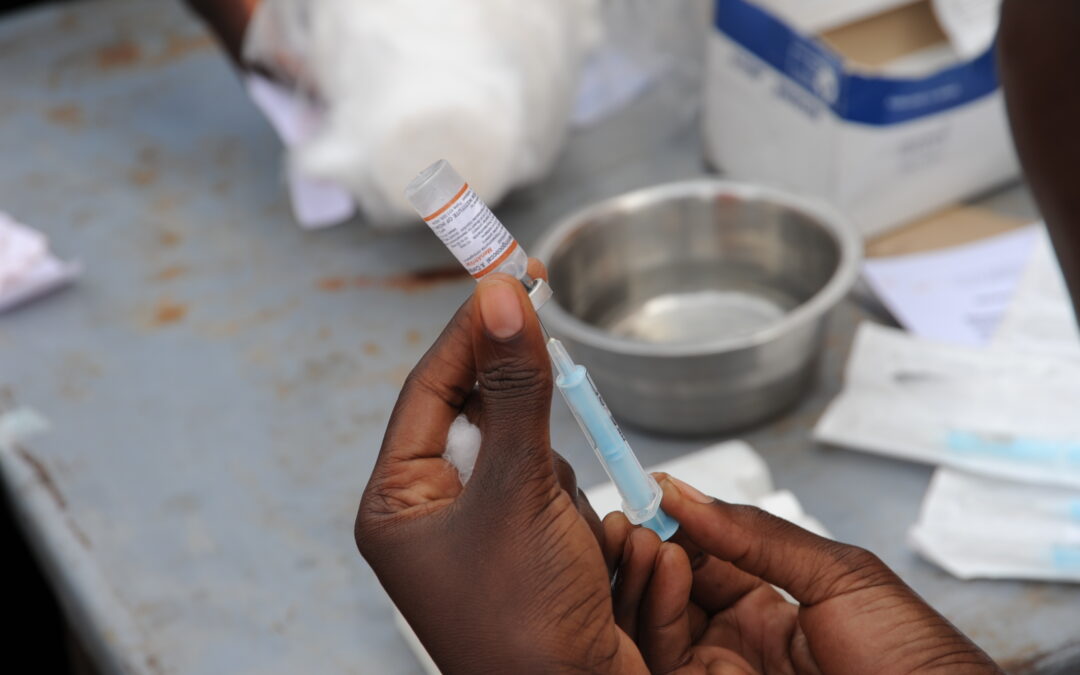
On 15 February 2021, the International Commission of Jurists (ICJ) addressed the UN Committee on Economic, Social and Cultural Rights (CESCR) during the opening of its 69th Session.
Drawing the CESCR’s attention to States’ continued failure to make provisions to meet their obligations under the right to health, the ICJ highlighted States’ obligations to:
- Procure COVID-19 vaccines;
- Produce, publicize and implement comprehensive vaccine rollout plans;
- Ensure non-discriminatory access to vaccines to all people, including to undocumented persons;
- Cooperate with other States to ensure equitable vaccine access globally; and
- Ensure continued access to effective remedies, including judicial remedies, for human rights violations, including of the right to health.
ICJ Legal Adviser on Economic, Social and Cultural Rights, Timothy Fish Hodgson, said:
“Equitable access to COVID-19 vaccines is a right, not a privilege. States are obliged to plan transparently and clearly for the provision of vaccines. In doing so, they must be guided by human rights standards, including those relating to the right to health. Particularly at this time, it is imperative that Courts be accessible and operational to ensure the enforcement of this right.”
Applauding CESCR’s statements on COVID-19 in general and vaccine access in particular, the ICJ’s submission encourages the Committee to make full use of the Convention’s State reporting procedure to provide crucial and specific guidance to individual States on how best to ensure compliance with their Covenant obligations under the right to health in the context of COVID-19.
The ICJ’s submission provides alarming examples of various States’ failure to respect, protect and fulfil the right to health, including the refusal of some States to take steps to procure vaccines at all. Such States include Tanzania, Burundi, Eritrea and Madagascar.
Notable too is Israel’s explicit flouting of its obligation to ensure vaccine access to Palestinians living in the Occupied Palestinian Territories, and the policy decisions of countries such as Guatemala, El Salvador and Costa Rica to inhibit access to vaccines for migrants by requiring prohibitive documentary access as a precondition.
The ICJ’s submission also addresses the large divide between vaccine access in Global North and Global South countries. Some States, notably in the Global North, have procured enough doses to vaccinate their population several times over, while others, especially in the Global South, have not been able to begin the process because of limited availability and purchasing power. Despite these inequalities, many wealthier countries continue to ignore the recommendations of CESCR and the advice of a large range of UN Special Procedures by opposing a WTO intellectual property waiver which would assist in ensuring the affordability of vaccines for all States.
To read the full statement, click here: Universal-CESCR-Opening-Statement-2021-ENG
Contact
Timothy Fish Hodgson, Legal Adviser on Economic, Social and Cultural Rights, t: +27828719905, e: timothy.hodgson(a)icj.org
Tanveer Jeewa, Media and Legal Consultant, e: Tanveer.Jeewa(a)icj.org
Feb 12, 2021 | Advocacy, Non-legal submissions
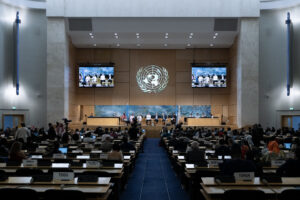
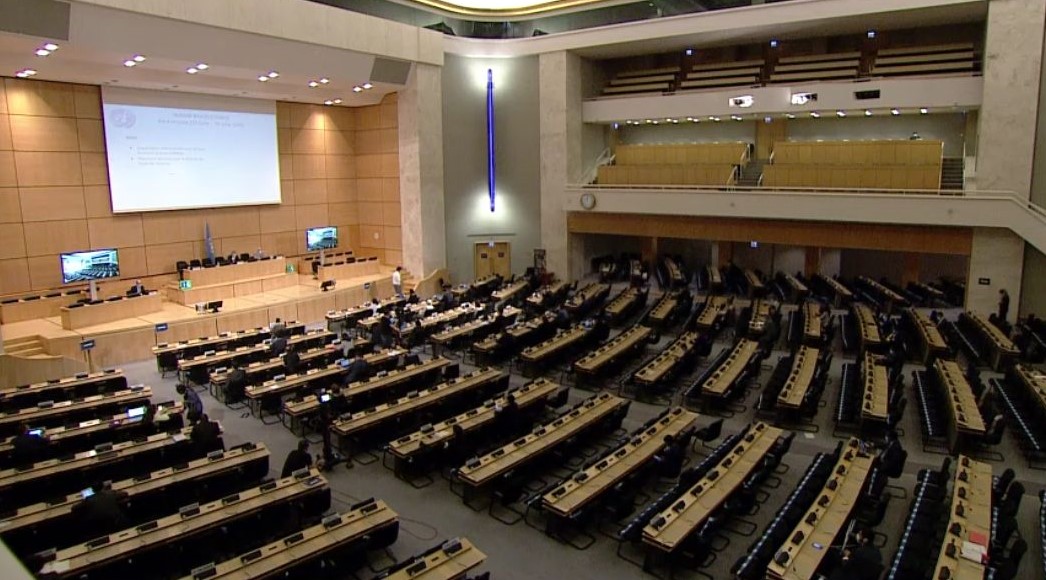
The ICJ today addressed an emergency Special Session of the UN Human Rights Council on Myanmar, outlining violations to human rights and the rule of law occurring in the country since the coup d’état of 1 February.
The Special Session is expected to adopt a resolution to address “The human rights implications of the crisis in Myanmar.”
The ICJ statement read as follows:
“Madame President,
The International Commission of Jurists condemns the Myanmar military’s unlawful seizure of authority and the unconstitutional declaration of a state of emergency on 1 February.
These actions defy core rule of law principles and provide an illegitimate basis for the suspension and erosion of human rights.
Nearly 200 people, including human rights defenders, have been arbitrarily detained, some in unknown locations. Security forces have used excessive force against peaceful protesters, causing serious injuries.
Regulations imposed pursuant to the state of emergency grant military forces nearly complete impunity. Furthermore, these regulations suspend crucial judicial remedies for violations of rights, such as the writ of habeas corpus.
Judges, including from the Supreme Court, have been illegally removed and replaced, undermining the independence of an already embattled judiciary.
The military takeover further endangers the already grave situation of the Rohingya community.
The ICJ calls on the Human Rights Council to urge the military to immediately return authority to the civilian government and allow immediate access to the Special Rapporteur on Myanmar and other special procedures, the OHCHR, and the Independent Investigative Mechanism for Myanmar, whose mandate includes investigating all serious human rights violations.
Member States should take necessary measures to ensure truth, justice and accountability for crimes under international law, including by supporting all relevant accountability mechanisms.
Thank you.”

Feb 12, 2021 | Cases, News
Today, the ICJ and The Corporate Responsibility (CORE) Coalition UK, welcomed the judgment of the UK Supreme Court in the case Okpabi et al. v Royal Dutch Shell plc et al as a major step forward for those seeking access to justice for corporate abuses in the Niger Delta and around the world.
The Supreme Court judgment allows the case to proceed in the UK courts, reversing earlier decisions by the Court of Appeal and the High Court, and reaffirming the precedent established in its own previous decision in Lungowe et al v Vedanta resources (2019).
Carlos Lopez, Senior Legal Advisor at the ICJ, said:
“The emphasis of the Supreme Court on the relevance of evidence from internal company documents is of utmost importance for the proper assessment of whether the parent company intervened, advised or controlled the relevant activities of its subsidiary that caused harm, including notably human rights abuses and environmental destruction.
“This should have an impact on future similar proceedings before courts in the UK and elsewhere.”
Mark Dearn, Director of CORE, said:
“This landmark ruling is a vital step towards justice for some 50,000 claimants from the Ogale and Bille communities. It sends a clear message to multinational corporations like Shell – you have a duty of care and you will be held to account for human rights abuses and environmental damage caused by subsidiaries you control.
“Shell brazenly claimed in court that the oil spills were due to ‘uniquely Nigerian problems’. But the unique problem long faced by communities in this region is Shell’s impunity, as it has repeatedly tried to dodge accountability for its catastrophic destruction of the environment and people’s livelihoods.”
“It’s now crucial that governments step up to the plate to create new corporate accountability laws so that businesses know exactly what is expected of them.”
In Vedanta, the Court affirmed that a parent company that sufficiently intervenes, controls or advises the relevant operations of its subsidiary may bear liability for the breach of its duty of care towards the people affected by those operations.
Okpabi and other nearly 50,000 claimants in total – sued Royal Dutch Shell (RDS -the UK based parent company) and its Nigerian subsidiary Shell Petroleum Development Corporation (SPDC) for their alleged involvement in the leakage of oil pipelines which destroyed their farming land, wiped out fish stocks and poisoned drinking water in the Niger Delta, Nigeria.
In 2018 the Court of Appeal dismissed the claimants’ case, but the claimants appealed to the Supreme Court. The ICJ and the CORE Coalition intervened before the Supreme Court.
The Supreme Court has allowed the claim to proceed, focusing on whether the claim had a real prospect of success and the high relevance of the internal company documents for a proper assessment.
Find the judgment here.
Notes to Editors:
- This case was first launched in 2015 in the UK High Court. For a timeline of the case’s passage through the UK court system, see here.
- The ICJ and CORE Coalition submitted a legal brief to the Supreme Court setting out the applicability of comparative law and standards regarding companies’ responsibilities in relation to human rights and environmental protection. These standards showed that Royal Dutch Shell PLC (Shell) could have duty of care in relation to the communities affected by its Nigerian subsidiary’s activities.
- In 2018 the Court of Appeal dismissed the claimants’ case, ruling that Shell did not exercise sufficient control over its subsidiary SPDC for Shell possibly to hold a duty of care towards those affected by the oil spills.
- The Supreme Court judgment reverses that judgment, cautioning against dismissing such claims in “mini-trials” without proper access to all relevant facts and evidence that are in great part in the power of the company. The judgment clarifies the evidential threshold needed for the courts to hear such cases in the UK: “The resolution of the jurisdictional challenge depended upon whether the appellants’ claim satisfied the summary judgment test of real prospect of success.” (para 127 ref. Vedanta at para 45)
- In another section the Court also corrected the Court of Appeal’s view that the promulgation by a parent company of group wide policies or standards can never in itself give rise to a duty of care, saying: “that is inconsistent with Vedanta. Group guidelines … may be shown to contain systemic errors which, when implemented as of course by a particular subsidiary, then cause harm to third parties.” (para 143)
- In Lungowe v Vedanta Resources plc, which CORE and the ICJ similarly filed a joint intervention, the Supreme Court ruled that a duty of care was owed by the UK parent company, Vedanta. A settlement was subsequently reached. As the Supreme Court notes, this ruling was “very relevant to both the procedural and the substantive issues raised on this [Okpabi v Shell] appeal”.