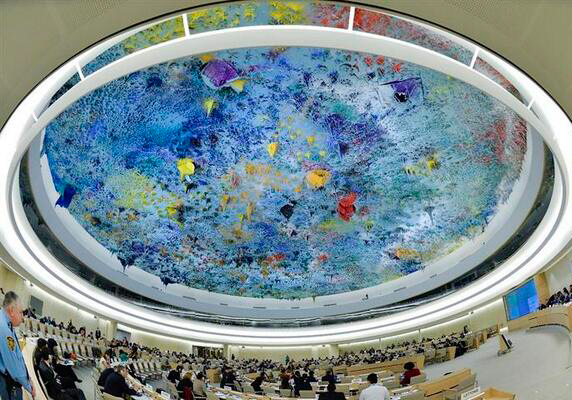
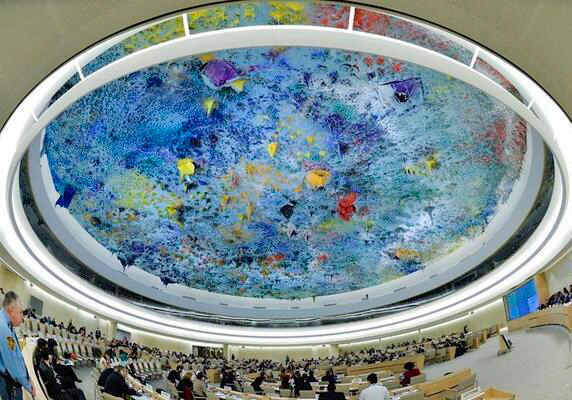
The ICJ made an oral statement to the UN Human Rights Council during the general debate on the situation of human rights in the Occupied Palestinian Territory.
The ICJ noted that, almost ten years after the International Court of Justice ruled the construction of the separation wall in the Occupied Palestinian Territory (OPT) to be unlawful, States and international organizations have failed to take effective measures to hold Israel accountable for violations of international humanitarian law and human rights law arising from the wall.
As the International Court of Justice held, States must not “recognize the illegal situation resulting from the construction of the wall” and must not “render aid or assistance in maintaining the situation created by such construction.” Israel, for its part, must dismantle the wall and its associated regime and provide reparation to victims.
At the same time, Palestinian armed groups must renounce all direct or indiscriminate attacks on civilians and civilian objects. Israel must also cease its own violations of international humanitarian law.
The ICJ further addressed the human rights impacts of Israeli settlements in the occupied territory, and the need for the Security Council effectively to address the issue.
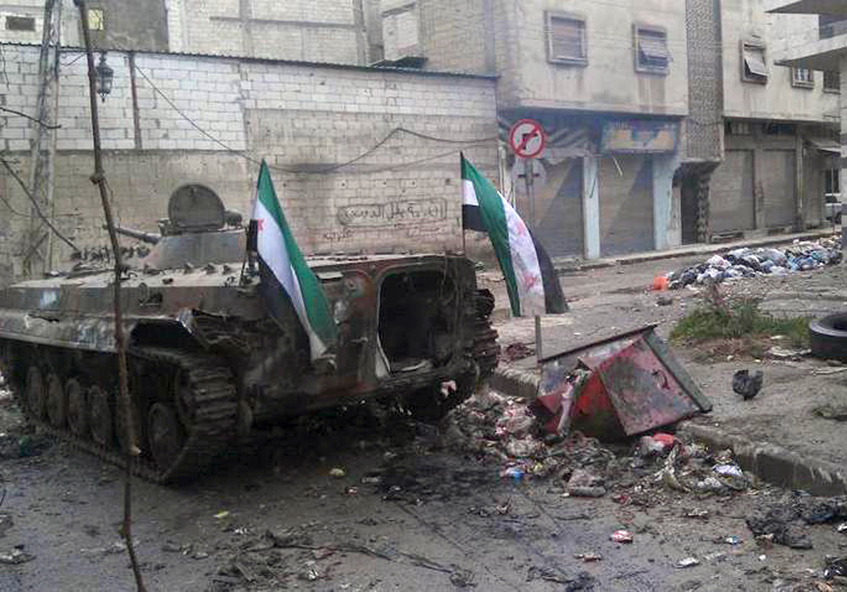
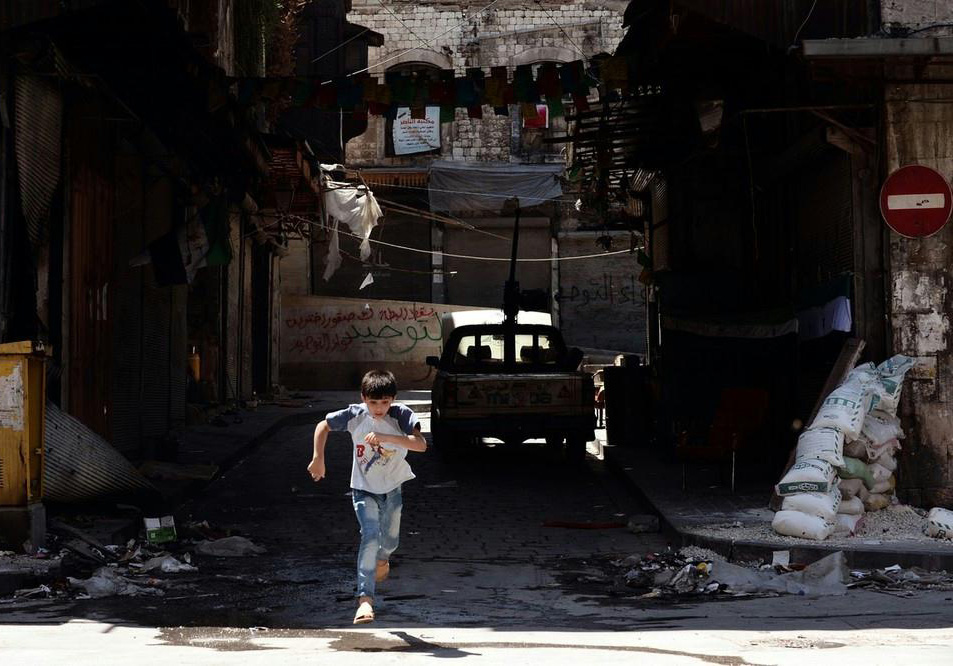
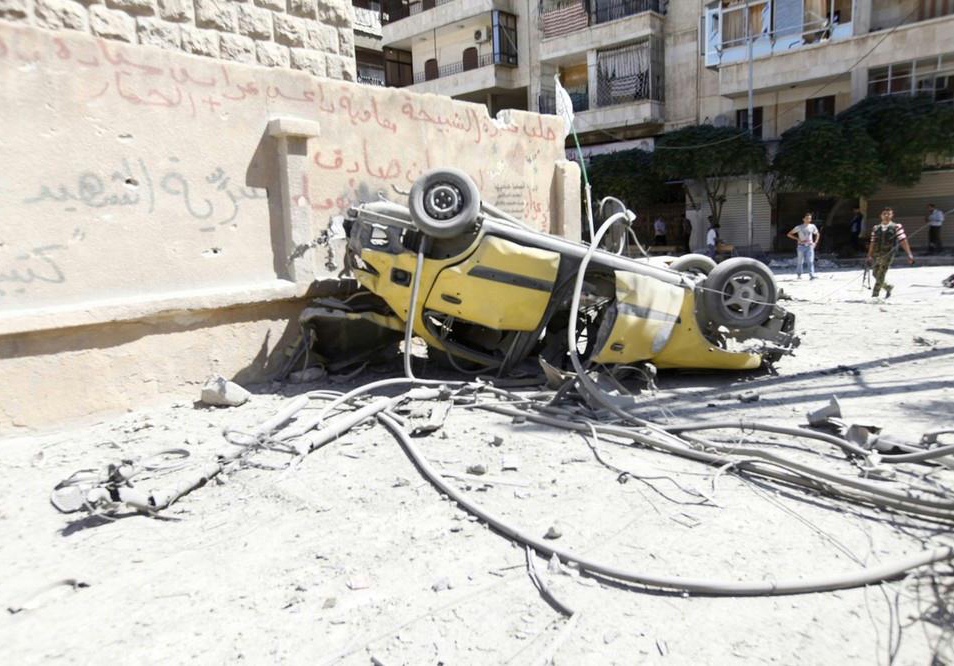
The ICJ made an oral statement to the UN Human Rights Council, during the session with the Commission of Inquiry on Syria, concerning failures to protect the civilian population and the need for justice and calling for referral of the situation to the International Criminal Court.The ICJ underscored that for more than three years, the international community has failed to respond in a meaningful or effective manner to serious violations of international human rights and humanitarian law and other human rights abuses committed in the context of the Syrian conflict, to ensure that perpetrators on all sides are held accountable, and to implement concrete measures towards justice for victims.
The statement called on the Human Rights Council to request the Security Council to take effective measures, in accordance with the UN Charter, to protect the civilian population, bring an end to the conflict, and restore and maintain peace and security in the region.
The ICJ said that states, including the member States of this Council, should also act to provide urgent humanitarian relief to refugees, IDPs, and those trapped in besieged areas.
The statement emphasised that as the armed conflict continues to escalate, government forces and opposition groups have both been responsible for war crimes, crimes against humanity and other crimes under international law, including murder, hostage-taking, torture and other ill-treatment (including rape and other sexual violence), enforced disappearance, recruiting and using children in the hostilities, and disproportionate and indiscriminate attacks against civilians and civilian objects.
To address the pervasive and structural culture of impunity, the ICJ called on the Council to request the Security Council to refer the situation in Syria to the International Criminal Court. States, individually and collectively, must also comply with their obligations under international law to prevent war crimes and crimes against humanity and to exercise all grounds of jurisdiction at their disposal to investigate and prosecute anyone suspected of responsibility for such crimes.
Today, the ICJ sent a letter to the Tunisian Minister of Interior and the Minister of Justice requesting them to take immediate action in order to ensure the security and physical integrity of Justice Kalthoum Kennou.
Justice Kalthoum Kennou is a Tunisian judge on the Court of Cassation, President of the Tunisian Association of Magistrates, and ICJ Commissioner.
This call comes as Justice Kennou received a letter containing serious death threats, demanding her withdrawal from the judiciary. Justice Kennou is active in the establishment of an independent judiciary and the protection of human rights.
The ICJ strongly condemns these threats and all acts of intimidation against the judiciary and human rights defenders in Tunisia, and calls on the Tunisian authorities to initiate the necessary investigations and inquiries in order to find, prosecute, and punish the individuals behind these brutal threats.
The ICJ called on the UN Human Rights Council to request the Security Council to immediately refer the situation in Syria to the International Criminal Court. Watch the webcast of ICJ’s statement.
As a matter of urgency, the Security Council should take other effective measures to protect civilians and address the humanitarian crisis in Syrian cities and villages, the ICJ urged. The ICJ delivered its oral statement on 17 September 2012 in the course of the general debate on situations requiring the Council’s attention, during the course of the 21st regular session of the Human Rights Council.
Under the second cycle of the Universal Periodic Review (UPR) mechanism, the UN Human Rights Council Working Group on the UPR will be undertaking a review of Israel during its 15th session in January 2013.
The statement was delivered today at the 19th Special Session of the UN Human Rights Council.
The International Commission of Jurists called on the Human Rights Council, as a matter of the utmost urgency, to request that the Security Council immediately refer the situation in Syria to the International Criminal Court (ICC) and to take concerted and united action with the General Assembly to end the ongoing massacres in Syria.
🍪 We use cookies on our website to improve your experience. By clicking "Accept all", you consent to the use of all the cookies. If you'd like to control which cookies we use, please visit "Cookie settings". To find out more, read our privacy policy and cookie policy.
Functional
Always active
The technical storage or access is strictly necessary for the legitimate purpose of enabling the use of a specific service explicitly requested by the subscriber or user, or for the sole purpose of carrying out the transmission of a communication over an electronic communications network.
Preferences
The technical storage or access is necessary for the legitimate purpose of storing preferences that are not requested by the subscriber or user.
Statistics
The technical storage or access that is used exclusively for statistical purposes.The technical storage or access that is used exclusively for anonymous statistical purposes. Without a subpoena, voluntary compliance on the part of your Internet Service Provider, or additional records from a third party, information stored or retrieved for this purpose alone cannot usually be used to identify you.
Marketing
The technical storage or access is required to create user profiles to send advertising, or to track the user on a website or across several websites for similar marketing purposes.