Jun 2, 2020 | Advocacy, News
At a webinar hosted on 26 May, the ICJ heard from women human rights defenders (WHRDs) from Asia, Africa, and the Middle East discussed the adverse impact on women of lockdowns and other measures imposed by governments around the world as a response to the COVID-19 pandemic.
Reports from around the world indicate a rise in the number of cases of domestic violence and new challenges faced by women victims in accessing justice.
“Support or assistance for women experiencing domestic violence was not classified as an essential service that may continue when the country went on lockdown,” said Nonhlanhla Dlamini who is the Director of Swaziland Action Group Against Abuse (SWAGAA) in Eswatini. Still, SWAGAA and other NGOs in Eswatini persisted in their work to lobby the government to classify their work as an essential service. The government later provided authorization to allow SWAGAA’s staff to move more freely in order to assist women experiencing gender-based violence during the lockdown.
Theresia Iswarini, Commissioner of Indonesia’s National Commission on Violence Against Women (KOMNAS Perempuan), observed that because of the limited movement during the lockdown, NGOs are having a hard time reaching women experiencing domestic violence who do not have phones or any devices to access the internet.
NGOs also face the challenge of placing these women in safehouses because they need to first present a certificate that they are COVID-free before they are accepted in the safehouse and such certificates are almost impossible to secure during the pandemic.
The WHRDs assisting women experiencing gender-based violence often also need psychosocial support, as “they also have to deal with the additional burdens of overseeing the homeschooling of their children and caring for family members who may have also fallen ill.”
In Sri Lanka, Mariam Dawood who is the Legal Adviser from Women in Need (WIN), noted that “women in Sri Lanka have always faced this problem and [of being] ignored when they report gender-based violence to police authorities.”
She also shared that while courts had started to operate on a limited basis in the country, women in maintenance cases risk being exposed to infection because they have to appear in court at least every month to get an order from the judge to compel their spouses to pay alimony or child support.
These orders were not automatically renewable and must be obtained by women every month from the court.
ICJ Commissioner and Member of the UN Committee on the Elimination of Discrimination against Women Nahla Haidar asked participants to think about how civil society could mobilize other stakeholders in pandemics to give an ethical call on how behaviors can change at home.
“Who is responsible? We have been trying to speak to faith leaders, especially women faith leaders [in the MENA region]. I am wondering how these channels can be used, as well as within traditional leadership channels in Africa,” Haidar said.
ICJ Senior Legal Adviser, Emerlynne Gil, noted that many of the issues raised showed that even during the pandemic, governments reproduced patriarchal approaches to public polices which effectively saw women as subordinate to men.
“This inequality underlines many of the actions taken by governments around the world to curb the pandemic,” said Emerlynne Gil. She added: “This means that it is all the more important for groups like the ICJ to continue its work eliminating gender stereotypes and discriminatory practices in the work of justice actors around the world.”
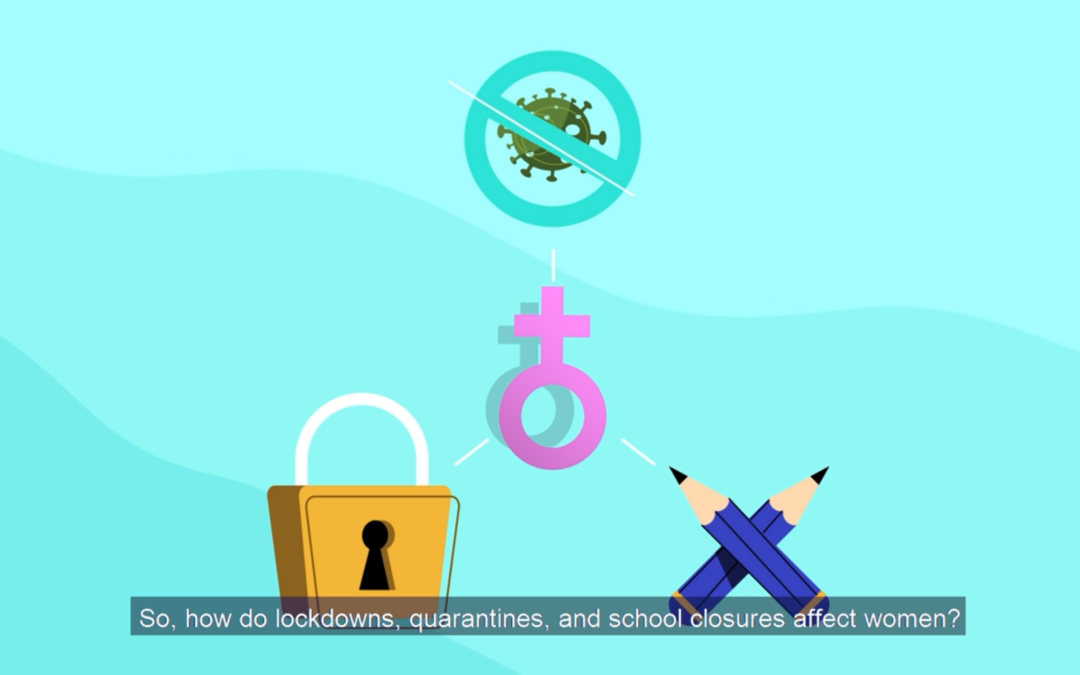
During the webinar, the ICJ launched an animation calling on States to adopt gender-sensitive responses to the COVID-19 pandemic. Watch the animation here:
The webinar was live streamed on ICJ Asia’s facebook. Watch the livestream here:
May 6, 2020 | Advocacy, News, Publications
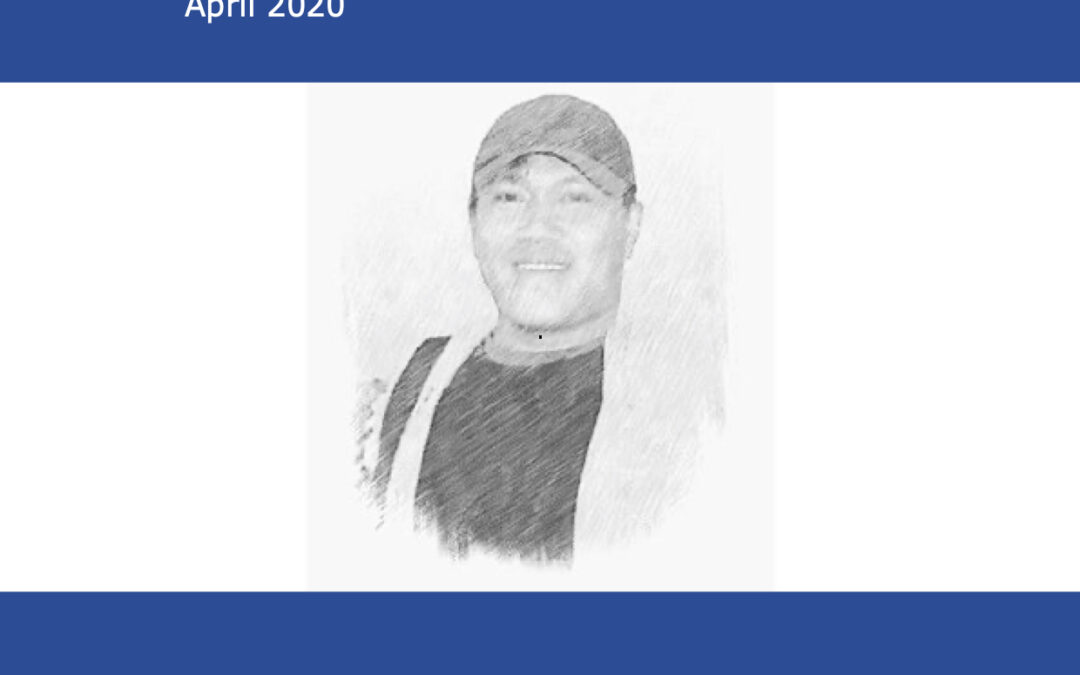
In a report published today, the ICJ called on the police and prosecutorial authorities in Myanmar to re-open the investigation into the death of journalist Ko Par Gyi in military custody in September 2014.
The report documented the many barriers that have prevented justice from being served in this case, as well as other cases of gross human rights violations in Myanmar.
The ICJ called on the Union Parliament to repeal or amend the 1959 Defence Services Act and other legislation that effectively provides immunity to military personnel accused of serious crimes. These and other barriers have been described at length in the ICJ’s 2018 report on Achieving Justice for Gross Human Rights Violations.
“More than three years ago, the police abruptly ended their formal inquiry into the killing of Ko Par Gyi, without providing any justifiable legal rationale for its closure,” said Frederick Rawski, ICJ Asia Pacific Director. “In the intervening years, we have seen what happens when this culture of military impunity goes unaddressed.”
In the report, An unlawful killing: How Ko Par Gyi’s death highlights barriers to justice in Myanmar, the ICJ evaluated the various investigations into the death and identified three key obstacles to justice in the case:
- the existence and operation of national laws like the 1959 Defence Services Act that shield security forces from public criminal prosecutions, serving to deny victims and their families the right to truth about violations;
- sub-standard investigative practices that are vulnerable to political pressure and lacked independence, and simultaneous, separate and uncoordinated investigations that resulted in an unsystematic and ineffective approach to investigating the case; and
- a lack of transparency that denied the family their right to access information concerning the violations and accountability processes.
Ko Par Gyi was detained by police in Mon State and transferred to military detention on 30 September 2014. He died four days later in military custody. A deeply flawed inquiry carried out in military courts, pursuant to the 1959 Defence Services Act, resulted in the acquittal of the soldiers allegedly involved. Those same provisions are commonly used to transfer cases involving military personnel from civilian to military court. Under international standards, military courts should not be used to try military personnel or others for gross human rights violations and crimes under international law.
“It is no surprise that an international investigative mechanism has been established to look into alleged serious human rights violations in Rakhine and elsewhere in Myanmar,” said Rawski. “Myanmar’s legal framework does not provide adequate safeguards to ensure independent investigation into and prosecution of serious human rights violations. What happened to Ko Par Gyi’s case illustrates that all too clearly.”
The UN Human Rights Council has established an Independent Investigative Mechanism for Myanmar (IIMM) to collect evidence and prepare files for criminal prosecution of the most serious international crimes and violations of international law committed in Myanmar since 2011.
Key recommendations in the report include:
- To the Executive and the Union Parliament: amend the 1959 Defense Services Act to align it with democratic principles, the constitutional guarantee of equal legal protection, and the State’s international law obligation to protect the right to life, including by prosecuting serious violations.
- To the Tatmadaw: apply standards and procedures in military courts that conform to international law, ensure all crimes perpetrated against civilians are tried in the civilian judicial system, and reform rules of engagement to explicitly instruct soldiers to protect life, consistent with international law.
- To the Myanmar Police Force and the Union Attorney General’s Office: align investigative procedures and practices with international law and standards.
- To the Myanmar National Human Rights Commission: take an active and broad interpretation of the MNHRC mandate to address serious human rights violations including those which have gone before courts.
- To UN Member States and international organizations: ensure any organizational support to security forces is contingent on and enables demonstrable commitments to prevent and punish violations by its members.
This report was produced as part of the ICJ’s Global Accountability Initiative, which aims at combatting impunity and promoting redress for gross human rights violations around the world through the entrenchment of the rule of law
Download
An unlawful killing: How Ko Par Gyi’s death highlights barriers to justice in Myanmar in English and Burmese.
Press statement with additional background information on Ko Par Gyi in English and Burmese.
Contact:
Frederick Rawski, ICJ Asia Pacific Regional Director, (Bangkok), t:+66 64 4781121, e: frederick.rawski@icj.org
Kingsley Abbott, Coordinator of the ICJ’s Global Accountability Initiative, t: +66 94 470 1345; e: kingsley.abbott(a)icj.org
Apr 22, 2020 | Advocacy, News
The ICJ based on the consultations with the participants of the Regional Forum of Lawyers held in Dushanbe, Tajikistan, published recommendations on the Independence of Legal Profession and Role of Lawyers in Justice Systems of the Central Asian States.
The recommendations draw attention of State and non-State actors in the Central Asian countries to the urgency in ensuring in law and practice the independence of the lawyers’ professional associations and individual lawyers.
“Lawyers play a critical role in strengthening the rule of law and protection of human rights in the justice systems of all countries of the world, including in Central Asia,” Temur Shakirov, ICJ Senior Legal Adviser said.
“We hope that these recommendations, which are based on consultations and international law and standards on the role of lawyers, will contribute to strengthening the independence lawyers and Bar Associations in Central Asia”.
The recommendations, apart from the lawyers’ communities themselves, are addressed to national professional associations of lawyers, Parliaments, and Governments, and specifically Ministries of Justice that continue in some countries of Central Asia to exercise formal and informal influence over the national Bar Association, including by imposing control in regard to access to the profession and disciplinary proceedings.
“The ICJ calls on these institutions to adopting urgent and effective measures legal and policy measures to safeguarding lawyers’ ability to carry out their professional duties in an atmosphere free from any other improper interference, institutional or personal, in each of the countries of the Central Asian region,” Shakirov added.
Background:
On 9 November 2018, the ICJ facilitated the Regional Forum on the Independence in Justice Systems of the Central Asian States in Dushanbe, Tajikistan. This was the first regional event hosted by the Union of Lawyers of Tajikistan, a professional association of lawyers that was established in 2014. The Forum brought representatives of the National Bar Associations of the Republic of Kazakhstan, the Kyrgyz Republic, the Republic of Tajikistan and the Republic of Uzbekistan. The event was also supported by Legal Policy Research Centre (LPRC), a think tank from Almaty, Kazakhstan, that works on the reform of legal profession in the region.
The participants of the Forum highlighted the continuing and renewed attempts to undermine the independence of the professional associations of lawyers in countries of Central Asia, including targeted disbarment and harassment of individual lawyers for fulfilment of professional duties towards their clients. The participants also discussed the emerging practice of the establishment of specialized bodies for the protection of the rights of lawyers within the professional associations of lawyers to counter negative trends in Central Asian countries, affecting the legal profession.
Recommendations, in PDF: Central Asia-Recommendations-Advocacy-2020-ENG
Mar 10, 2020 | Advocacy, Non-legal submissions
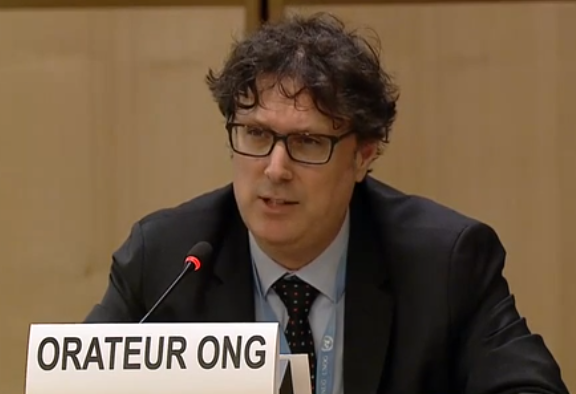
The ICJ and other NGOs today highlighted the discriminatory character of India’s Citizenship Amendment Act, and called for accountability for violence and excessive use of force in relation to protests against it, today at the Human Rights Council in Geneva.
The joint statement, delivered in a general debate, read as follows:
“India’s Citizenship (Amendment) Act, 2019 (CAA) arbitrarily excludes certain groups at risk of persecution, such as Muslims, from accessing an expedited path to citizenship, based on their religious affiliation.
The CAA is inconsistent with rule of law principles and international law, including the right to equality before the law and the right to non-discrimination, protected under human rights treaties such as the International Covenant on Civil and Political Rights and the International Convention on the Elimination of All Forms of Racial Discrimination, to which India is a party.
The implementation of the National Register of Citizens (NRC) in Assam risks making 1.9 million persons stateless. A nationwide NRC will put more people at risk.
Our organizations urge the Indian government to amend the CAA to ensure that any path to citizenship provides for equal protection for persecuted persons, and does not discriminate on grounds such as religion or national origin.
We also urge India to develop a comprehensive refugee law that addresses the plight of persecuted minorities in a non-discriminatory manner, and to accede to the 1951 Refugee Convention and its 1967 Protocol.
We further call on India to respect the right to peaceful assembly, and to ensure accountability for those alleged to have instigated violence or used excessive force in relation to the nationwide protests against the CAA.”
The statement was delivered by ICJ on behalf also of Asian Forum for Human Rights and Development (FORUM-ASIA), CIVICUS – World Alliance for Citizen Participation, Human Rights Watch, International Service for Human Rights (ISHR), Minority Rights Group International, and World Organization against Torture (OMCT).
The statement can be downloaded in PDF format here: ICJ statement GD item 4 India (10-03-2020)
Mar 10, 2020 | Advocacy, Non-legal submissions
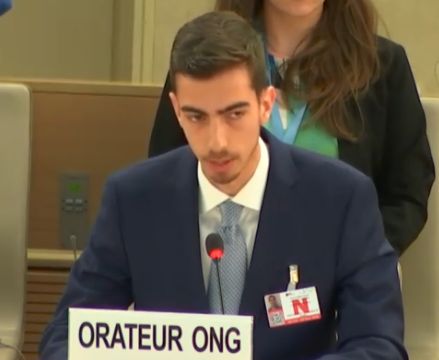
The ICJ today spoke in the final interactive dialogue with the current UN Special Rapporteur on human rights in Myanmar, at the Human Rights Council in Geneva.
The statement read as follows:
“The ICJ salutes what the current Special Rapporteur has achieved in the mandate despite withdrawal of cooperation by the Government, and shares the concerns expressed in this final report (A/HRC/43/59), particularly the urgent need to establish peace and security in Rakhine State without compromising human rights law and international criminal accountability for gross human rights violations.
The ICJ recalls the obligations of Myanmar under international human rights law. The Government must ensure that human rights are not violated in the context of conflict with the Arakan Army. The longstanding internet shutdown in Rakhine and Chin States must be ended. Due process rights of persons arrested must be respected.
The ICJ also welcomes the Order of provisional measures in the case brought by The Gambia at the International Court of Justice. Myanmar must comply and prevent further acts of genocide.
The Myanmar Government must also ensure accountability for mass atrocities. In a briefing paper last year, the ICJ proposed Constitutional, legislative and institutional reform of Myanmar’s National Human Rights Commission to enable it to independently and effectively investigate allegations of human rights violations. The Myanmar Government should also cooperate with the Independent Investigative Mechanism for Myanmar and the International Criminal Court.
The ICJ would like to ask: based on your experience in the mandate, how can States best strengthen support for the mandate and the various international accountability initiatives underway?”
Mar 9, 2020 | Advocacy, Non-legal submissions
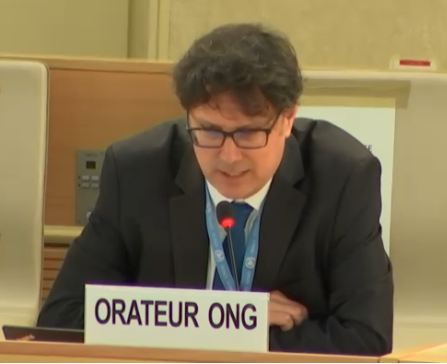
The ICJ today urged the UN to more effectively protect and promote human rights in Myanmar, and the Human Rights Council to monitor implementation of the Rosenthal Inquiry recommendations to this end.
The statement, delivered in a discussion of the Secretary-General’s oral update on the involvement of the United Nations in Myanmar, read as follows:
“The ICJ welcomes the report of Mr. Gert Rosenthal entitled, ‘A Brief and Independent Inquiry into the Involvement of the United Nations in Myanmar from 2010 to 2018.’
The ICJ concurs with the conclusions, including that the UN suffered from ‘systemic and structural failures’ that effectively prevented it from stopping or mitigating the atrocities in Rakhine State in 2016 and 2017.
We welcome the initiative to brief the Council on the report, which the ICJ and other non-governmental organizations recommended to the Secretary-General in a letter last year.
The ICJ further urges that concrete steps be taken to:
1) improve coordination at all levels of the UN, including the adoption of a common strategy and agenda among agencies at the country level to promote accountability for human rights violations, which would also advance the Call to Action by the Secretary General;
2) hold UN officials responsible for failures to mitigate or prevent acts of violence constituting crimes under international law; and
3) publish annual progress reports until the recommendations are fully implemented.
The need for a concerted and system-wide commitment to promote and protect human rights in Myanmar is as urgent as ever given the intensification of armed conflict in Rakhine State and the potential for conflict as national elections approach.
We urge the Council to monitor implementation of the reforms identified in the Rosenthal report.”