Dec 10, 2019 | News
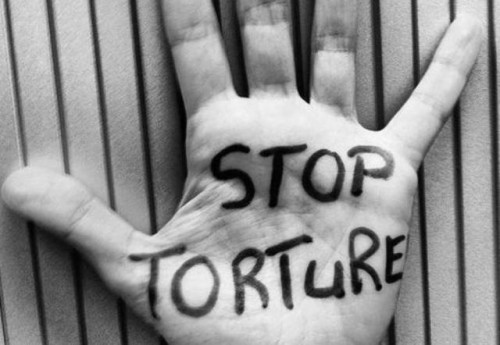
The pervasive practice of torture and other ill treatment can only be addressed if the States in the region ensure perpetrators are held accountable in line with international standards, said lawyers and activists from Bangladesh, India, Nepal, Pakistan and Sri Lanka.
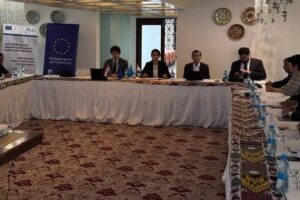
The call came at a regional conference on the investigation and prosecution of torture and other ill treatment in South Asia, organized by the ICJ ahead of Human Rights Day.
“Governments in South Asia have done very little to support the victims and survivors of torture and other ill treatment, or to ensure their rights to truth, justice and reparation,” said Frederick Rawski, ICJ’s Asia Director.
“Despite the persistence of the practice, Governments have failed to follow their legal obligation to treat these crimes as the serious human rights violation they are,” he added.
Torture and other ill treatment are prevalent in South Asia, and in some countries widespread and systematic, with perpetrators enjoying impunity for the crime.
According to the ICJ, States in the region continue to deny the pervasiveness of torture, use torture as a deliberate tool to control and punish dissent, fail to enact specific legislation to criminalize torture, and where a special law exists, fail to implement it in good faith.
Consequently, there have been few concerted efforts to hold perpetrators of torture and ill treatment to account.
All too often, perpetrators get away with only disciplinary sanctions, and even when prosecutions happen, they do not result in convictions and commensurate penalties.
Suspects are often lower or middle-ranking public officials rather than their superiors, who are charged with lesser crimes than torture, such as assault, battery, coercion or abuse of office that carry relatively low punishments.
Prosecutions frequently fail because of the difficulties to prove torture, including securing witnesses for the prosecution, inadequate or conflicting medical evidence as well as threats of reprisals influencing victims and witnesses.
Even when such hurdles are overcome, immunities that protect public officials from prosecutions allow perpetrators to escape accountability.
Furthermore, military and intelligence agencies have extensive and unaccountable powers, including for arrest and detention, which facilitate the practice of torture and other ill treatment.
Under international law, States must ensure protection against torture and other cruel, inhuman or degrading treatment or punishment.
Whenever there are reasonable grounds to believe that torture has been committed, States are required to investigate allegations competently, impartially, independently, promptly and thoroughly.
While a comprehensive set of reforms, both in law and policy, is required to prevent and combat torture and other ill treatment – ensuring accountability for perpetrators would be a first step, said the ICJ.
Contact:
Frederick Rawski (Bangkok), ICJ Asia Pacific Regional Director, e: frederick.rawski(a)icj.org
Reema Omer, ICJ International Legal Adviser for South Asia (Lahore), t: +923214968434; e: reema.omer(a)icj.org
Dec 9, 2019 | Advocacy, News
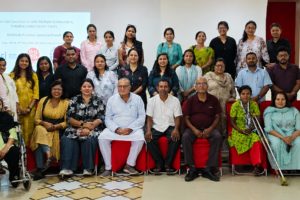
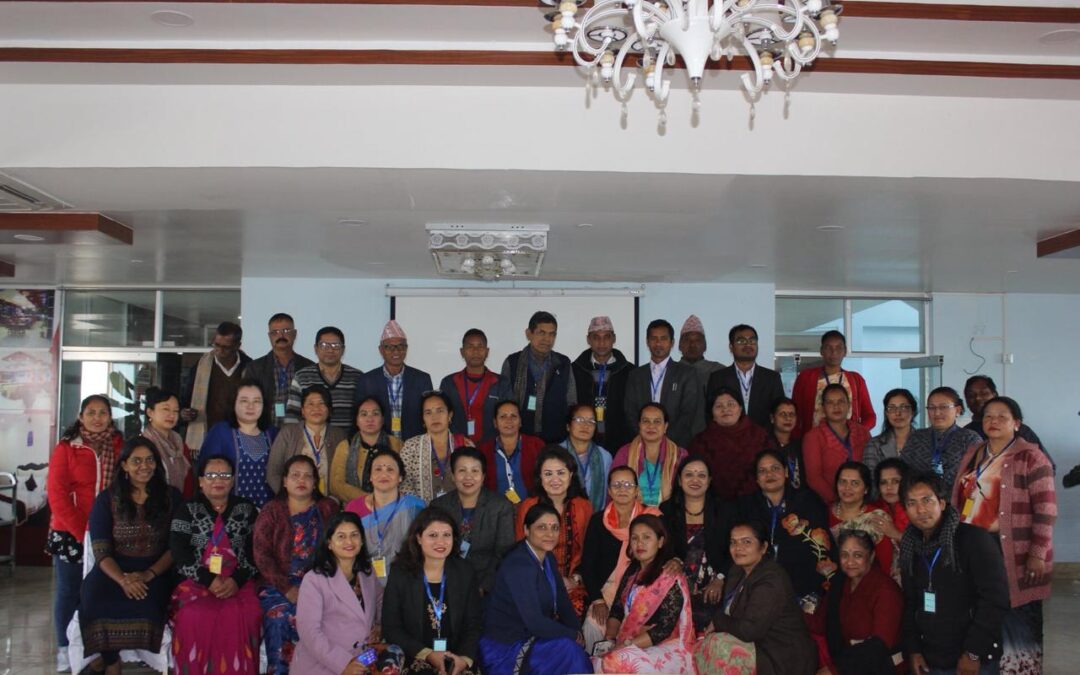
From 7 to 8 December 2019, the ICJ, in collaboration with UN Women, organized the 2019 Workshop of Judicial Committee Members on Eliminating Discriminatory Attitudes Against Women. It was held in Biratnagar, Nepal, and gathered thirty members from judicial committees in Province 1.
Judicial committees were created under Nepal’s Local Governance Operation Act, which was passed in 2017. The law laid out areas of competence of the judicial committees that gives them the potential to significantly impact the lives of women at the community level.
On the first day of the workshop, the discussions were aimed at strengthening the understanding of the members of judicial committees on women’s human rights, and the importance of eliminating gender stereotyping in their work to enhance access to justice for women. On the second day, there were more discussions on the mandate of judicial committees in Nepal and how they can take on the role of promoting and protecting women’s human rights in the country.
As ICJ’s International Legal Adviser, Ms. Boram Jang, pointed out, “Judicial committees are the first points of contact for women in Nepal when they want to access justice.”
It is because of this vital role they hold that the ICJ and UN Women have decided to focus on strengthening the capacity of judicial committee members to better understand the root causes of discriminatory attitudes towards women.
“Women victims and survivors should be able to rely on a justice system free from myths and stereotypes, and on a judicial committee whose impartiality is not compromised by these biased assumptions,” said Boram Jang.
According to Ms. Subha Gale, Programme Analyst of UN Women, “When we deprive women of their ability to access justice, we take away all their rights.”
The keynote speech during the workshop was given by Ms. Bandana Rana, Vice-Chairperson of the Committee on the Elimination of All Forms of Discrimination Against Women (CEDAW Committee). In her speech, she noted how Nepal has moved forward since it adopted its new Constitution, which recognizes the important role women play in the country’s development.
Ms. Bandana Rana also reminded the participants at the workshop how gender stereotypes foster narratives that are harmful for women in society. She said, “If we want to bring change, we must change these narratives. If we want equality among men and women, we must start by teaching our sons – not just our daughters – about equality and non-discrimination.”
Contact
Laxmi Pokharel, National Legal Advisor, International Commission of Jurists, t: +977 9851047588, e: laxmi.pokharel(a)icj.org
Dec 7, 2019 | News
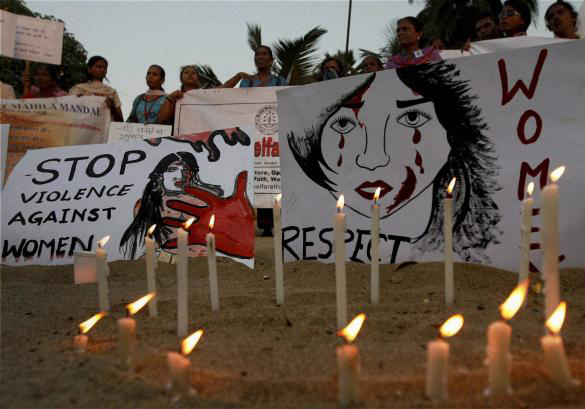
The ICJ called on the Indian government to conduct an independent and impartial investigation into the apparently unlawful killings by Telangana Police of the four men accused of raping and killing of Dr. Priyanka Reddy on November 27, 2019.
The men had been in police custody for over a week at the time of the killings.
“The rape and killing of Dr. Reddy is a heinous crime, and sadly only the latest in a pattern of rampant sexual violence that plagues India. The perpetrators of such acts must be held accountable,” said Frederick Rawski, ICJ Asia-Pacific Director. “However, the unlawful killing of suspects in custody helps no-one. It denies victims true justice, rewards unlawful behavior by the police, and generally undermines the rule of law.”
On November 27, Dr. Priyanka Reddy, a veterinarian, was returning home when she was gangraped. Her body was subsequently burned by the perpetrators. The next day, four suspects were arrested. According to the police, they remained in custody until Friday, 6 December, when all four were shot and killed after they allegedly attempted to take weapons from the police and tried to escape during a re-enactment at the crime scene. Details of the incident remain unclear, though it has the appearance of a custodial execution.
“The suspicious circumstances of these deaths in custody, and the history of the use of extrajudicial killings in India, demands a thorough, independent and impartial investigation,” said Rawski. “The nationwide alarm at the trend of sexual violence is completely warranted. However, celebrating the unlawful behavior of police will not ultimately protect women from sexual violence or address their lack of access to justice.”
Several Indian women’s rights activist groups have also condemned the killings. A statement by the All India Progressive Women’s Association’s statement pointed out that “This is not justice. This is a ploy to shut down our demand for accountability from the police, judiciary, governments, and justice and dignity for women.” The National Human Rights Commission of India has also called for an investigation into the circumstances of the killing.
According to international standards including the International Convention of Civil and Political Rights (ICCPR), to which India is a party, States have a duty to investigate allegations of extrajudicial executions with due diligence and good faith, regardless of whether or not there is a formal complaint. The investigation of extrajudicial, summary or arbitrary executions must be thorough prompt, impartial and independent, towards establishing the crime committed and prosecuting those responsible for the crimes. This has been reiterated by the Supreme Court of India, which has condemned encounter killings, and set out guidelines for their investigation.
The ICJ urges the Indian Government to conduct a thorough and impartial investigation into the killings by the police, in line with the Supreme Court’s decisions, and India’s constitution and international obligations. The ICJ calls upon the courts to ensure that police officials who conduct unlawful killings are held accountable. It also calls upon the Government to take immediate steps to address the lack of an effective response from police personnel to allegations of rape and sexual violence, and to take effective lawful measures to prevent the unacceptable attacks upon victims of rape and other sexual violence seeking a remedy in the courts.
Contact
Frederick Rawski, ICJ Asia-Pacific Director, t: +66 64 478 1121; e: frederick.rawski(a)icj.org
Maitreyi Gupta, ICJ India Legal Adviser, t: +91 77 560 28369 e: maitreyi.gupta(a)icj.org
Nov 25, 2019 | News
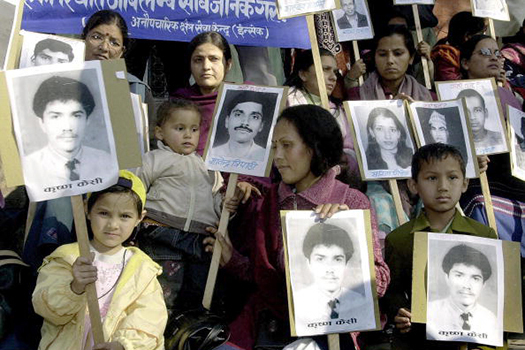
Nepal has made no real progress on questions of justice, truth and reparations for victims of gross human rights violations and abuses during its 10-year conflict, the ICJ, Amnesty International, Human Rights Watch (HRW) and TRIAL International said today.
The Comprehensive Peace Agreement to end the war was signed on November 21, 2006.
While two commissions have been set up to address conflict-era atrocities, they have not been effective and impunity and denial of access to justice to victims remain prevalent. The four human rights organizations are particularly concerned about the recent moves that suggest that the government will go forward with the appointing of commissioners without making necessary reforms to the legal framework.
“Last week marked the 13th anniversary of the Comprehensive Peace Agreement that ended the conflict in Nepal. It is astonishing that so little progress has been made in responding to the clearly articulated concerns and demands of conflict victims,” said Frederick Rawski, ICJ’s Asia-Pacific Director. “These demands have included a transparent and consultative process for the appointment of commissioners, and a genuine good-faith effort by political leaders and lawmakers to address serious weaknesses in the existing legal framework.”
On November 18, a five-member committee formed by the government to recommend names for commissioners to be appointed to the Truth and Reconciliation Commission and the Commission on the Investigation of Enforced Disappearances published a list of candidates. Concerns have been raised by victims and civil society that the government will simply re-appoint past commissioners or make political appointments that will not be adequately impartial and independent.
“It is deeply disappointing that the government has repeatedly attempted to appoint the commissioners without adequate consultation and transparency . The commissions will not gain the trust of the victims and the international community if the political parties continue to interfere in the appointment process,” said Biraj Patnaik, South Asia Director at Amnesty International.
Importantly, the move suggests that the commissions will be re-constituted without amending the legal framework governing the transitional justice process and ensuring its compliance with Nepal’s international human rights law obligations, as directed by Nepal’s Supreme Court and demanded by civil society and victims.
Victims and civil society organizations have issued public statement making it clear that they oppose any appointments prior to the amendment of the legal framework. Notably, the National Human Rights Commission, in its statement commemorating 13th Anniversary of CPA, stated that “…the commission will not support any decision, work or activities that might hurt the sensitivity of the conflict victims…”.
“The government’s move has not only undermined victims’ role in the transitional justice process, but has also once again brought into question its commitment to uphold its international law obligations and ensuring justice for conflict-era crimes,” said Tomás Ananía, TRIAL International’s Nepal Program Manager.
The ICJ, Amnesty International, Human Rights Watch and TRIAL International have repeatedly expressed concern that effective transitional justice mechanisms require strong legal foundations consistent with international law and good practices, and the political will to address the concerns of victims of the conflict. All four organisations reiterated their calls to amend the the 2014 Transitional Justice Act to make it consistent with the Supreme Court’s rulings and international human rights standards, as well as for the initiation of a genuine consultative and transparent process for the appointment of commissioners.
Concerns raised about the existing, and proposed, legal frameworks include: disparities between the definitions of specific crimes under international law and human rights obligations and violations under national, and international law; inadequate provisions to ensure that serious crimes under international law are subject to criminal accountability (including punishment proportionate to the seriousness of the crimes); and a reliance on compensation at the expense of other forms of reparation and remedy for conflict survivors and their families.
Under the principle of universal jurisdiction states may make it possible for their domestic criminal justice system to investigate and prosecute crimes such as torture, committed by any person, anywhere in the world.
This means that a citizen of any country, including Nepal, suspected of such crimes faces the risk of arrest and prosecution for these crimes in countries that apply universal jurisdiction. This is more likely if the Nepali authorities do not appear able and willing to prosecute those responsible for such crimes, the organizations said.
“After initial pledges to ensure truth, justice, and reparations for conflict victims, it appears that the government is once again determined to protect those responsible for the crimes,” said Meenakshi Ganguly, South Asia director at Human Rights Watch. “The international community should remind Nepal that whitewashing egregious crimes will not help to dodge universal jurisdiction.”
Contact:
Download the complete press-release in English and Nepali. (PDF)
Nov 21, 2019 | News
The Upper House of Parliament must revise the Transgender Persons (Protection of Rights) Bill, 2019, which was passed by the Lower House of Parliament on 5 August 2019.
The Bill does not adequately protect the rights of transgender people, and fails to comply with India’s constitutional and international human rights obligations, the ICJ said today.
The Government introduced the Transgender Persons (Protection of Rights) Bill, 2019, before the Parliament on 19 July 2019. It was passed by the Lok Sabha (the Lower House of Parliament) on 5 August, 2019, despite a lack of consultation with the transgender community and serious weaknesses in the Bill, which would be in violation of the Supreme Court’s NALSA judgment.
“If the Upper House of Parliament adopts the Bill in its current form, without any amendments, it will miss an important opportunity to introduce a law that respects, protects and fulfills the human rights of transgender people as required by the Supreme Court’s decision in NALSA v. UOI and India’s international obligations,” said Frederick Rawski, ICJ Asia Pacific Director.
The current draft, fails to address key concerns that have been repeatedly raised by the transgender community and human rights organizations.
Critically, the Bill appears to continue to mandate sex reassignment surgery for transgender people. This requirement would contravene the Supreme Court’s judgment in NALSA v. UOI, which guarantees the right to self-identification without the need for medical intervention. Further, the Bill does not make provision for affirmative action in employment or education despite the Supreme Court’s mandate in NALSA v. UOI.
Moreover, the Bill sets out lighter sentences for several criminal offences, such as “sexual abuse” and “physical abuse”, when they are committed against transgender people. In addition, the Bill does not adequately define these offences and retains provisions that could be used in a discriminatory manner to target transgender people for criminal prosecution. It also fails to address the lack of an effective mechanism to enforce the legal prohibition against discrimination on the ground of gender identity.
The ICJ has recommended the deletion of provisions that mandate sex reassignment surgery and that set out lighter sentences for criminal offences against transgender people. In addition, the ICJ recommends the inclusion of provisions addressing affirmative action for transgender persons in education and employment.
“We urge the Upper House of Parliament to address these deficiencies before passing the Bill into law, in accordance with India’s constitutional and international law obligations, and to ensure meaningful consultation with the transgender community” Rawski said.
Contact
Maitreyi Gupta (Delhi), ICJ International Legal Adviser for India, e: maitreyi.gupta(a)icj.org, t: +91 7756028369
Read also
ICJ 2019 Report on India Living with Dignity: Sexual Orientation and Gender Identity-Based Human Rights Violations in Housing, Work, and Public Spaces in India. The Report details human rights violations suffered by LGBTQ persons in their family homes, workplaces, and public spaces including streets, public toilets, public transport and shopping centres.
ICJ Briefing Paper on India: Legal and Jurisprudential Developments on Transgender Rights, SAATHII Vistaara Coalition. The paper analyses in detail the domestic judicial developments on transgender rights as well as the legislative process undertaken until the Transgender Persons (Protection of Rights) Bill, 2018 was passed on 17 December 2018.
ICJ Briefing Paper on The Transgender Persons (Protection of Rights) Bill, 2016, analyzes the 2016 Bill, its shortcomings, and India’s international obligations, as it is the basis of the 2018 Bill.
ICJ Briefing Paper on Implementation of NALSA Judgment discusses the 2014 April NALSA decision that affirmed that transgender people have the right to decide their self-identified gender. The paper analyses the responsibilities placed on Indian authorities, gaps in implementation, and India’s relevant international law obligations.
Nov 19, 2019 | News
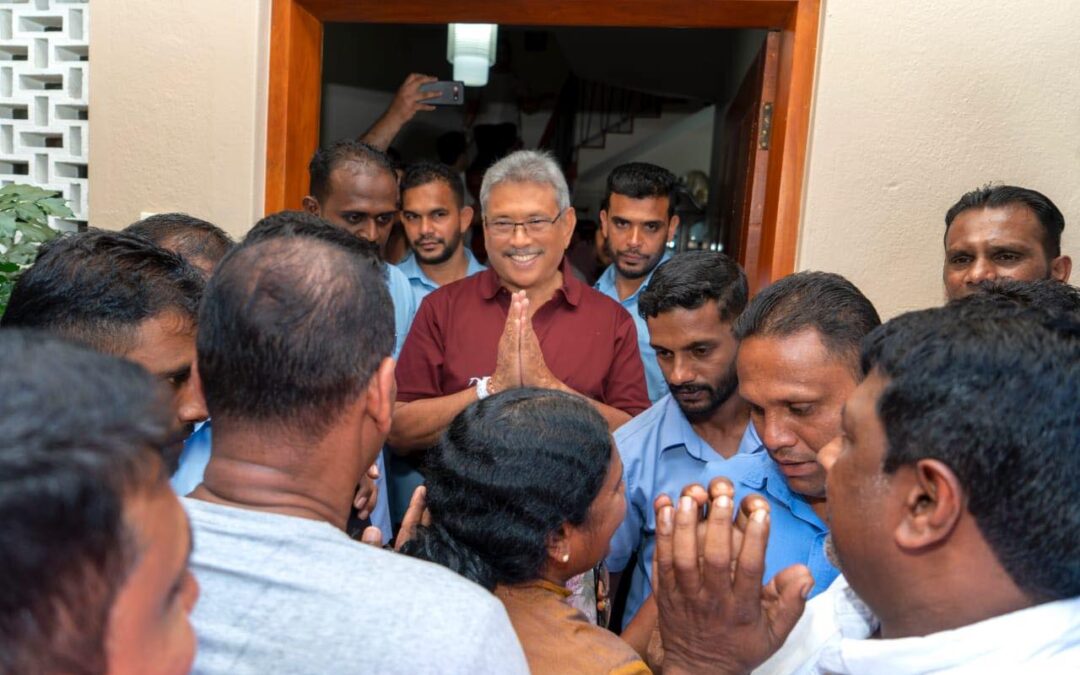
Sri Lanka’s newly elected president, Gotabaya Rajapaksa and his government must demonstrate that they will uphold human rights and rule of law, and ensure that Sri Lanka sustains its international obligations and commitments to justice and accountability, said the ICJ today.
Gotabaya Rajapaksa faces credible allegations of involvement in war crimes and crimes against humanity that took place during the country’s armed conflict.
“The election of Gotabaya Rajapaksa, after a highly polarizing campaign, has alarmed human rights defenders in Sri Lanka and abroad, who have little reason to believe that someone facing such serious allegations of perpetrating human rights violations can be relied upon to meet the country’s obligations under international law,” said Frederick Rawski, ICJ Asia Pacific Director.
Gotabaya Rajapaksa, who won the presidency with 52.25% of votes, served as Sri Lanka’s Secretary of the Ministry of Defence from 2005 to 2015 during the tenure of his brother Mahinda Rajapaksa, at the height of the armed conflict against the Liberation Tigers of Tamil Eelam (LTTE).
Both the military and LTTE perpetrated war crimes and gross human rights violations during the conflict, and particularly during its bloody final stages. As Defence Secretary, Gotabaya was accused of ordering the killing of surrendering LTTE fighters, ordering strikes on civilians and hospitals, and authorizing attacks on human rights defenders.
International condemnation of atrocities committed during the conflict led to the UN Human Rights Council demanding that the Sri Lankan government commit to a process of transitional justice, in view of the systematic failures of accountability mechanisms in Sri Lanka in the past, as documented by the ICJ in its submission to the Human Rights Council, and others. Despite commitments from the Sri Lankan government, the transitional justice process has effectively stalled and impunity has prevailed.
“The ICJ is deeply concerned that even the limited strides made over the past five years in Sri Lanka on transitional justice, positive constitutional amendments and institutional reform will be reversed,” said Rawski.
The ICJ urged the Government to deliver on its commitment to the transitional justice process, including by holding those responsible for human rights violations and abuses accountable, and complying with the obligations set out in United Nations Human Rights Council Resolutions 30/1, 34/1 and 40/1.
Contact:
Frederick Rawski, ICJ’s Asia Director, t +66 644781121; e: frederick.rawski(a)icj.org