Sep 18, 2012 | Events
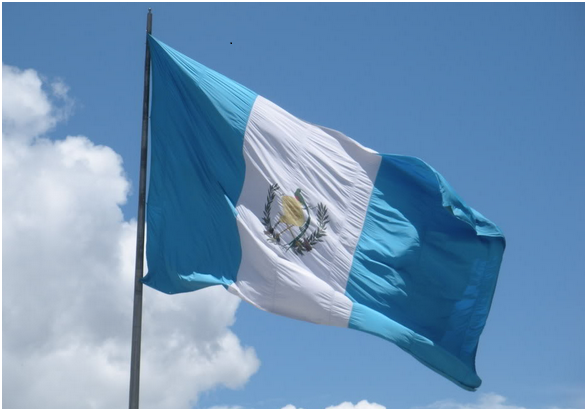
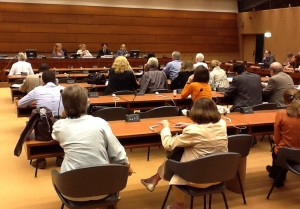 In the margins of the UN Human Rights Council’s 21st regular session, the Centre Europe-Tiers Monde (CETIM) and the ICJ today held a parallel event on impunity and exploitation of natural resources in Guatemala.
The event discussed the overall question of justice for indigenous communities in Guatemala. It was followed by the showin of excerpts from Grégory Lassalle’s documentary Des déreives de l’art aux dérivés du pétrole.
Panellists included Ramón Cadena, Director of the ICJ Central America Programme; Hilda Ventura and Mario Mucú, representatives of the Maya communities of San Andrés and Petén; and Melik Özden, UN Representative and Co-Director of CETIM.
HRC21-ParallelEvent-Guatemala-2012 (download flyer, in PDF)

Sep 7, 2012 | News
Comunicado de prensa sobre la estrategia de desprestigio que sufren jueces y fiscales que luchan contra la impunidad.
Los días 3 al 6 de septiembre de 2012, la CIJ llevó a cabo entrevistascon el Pleno de la Corte Suprema de Justicia, la Fiscal General, abogados litigantes, fiscales, jueces, con la Asociación de Jueces y Magistrados del Organismo Judicial (AJMOJ), Colegio de Abogados y con diferentes organizaciones de la Sociedad Civil, con el objeto de recabar información acerca de la estrategia de desprestigio que sufren jueces y fiscales que luchan contra la impunidad en Guatemala y de las actuaciones judiciales que se están llevando a cabo para investigar y castigar los crímenes cometidos durante el conflicto armador o.
Guatemala-pronunciamento CIJ-press release-2012-spa (full text in pdf)
Aug 20, 2012 | News
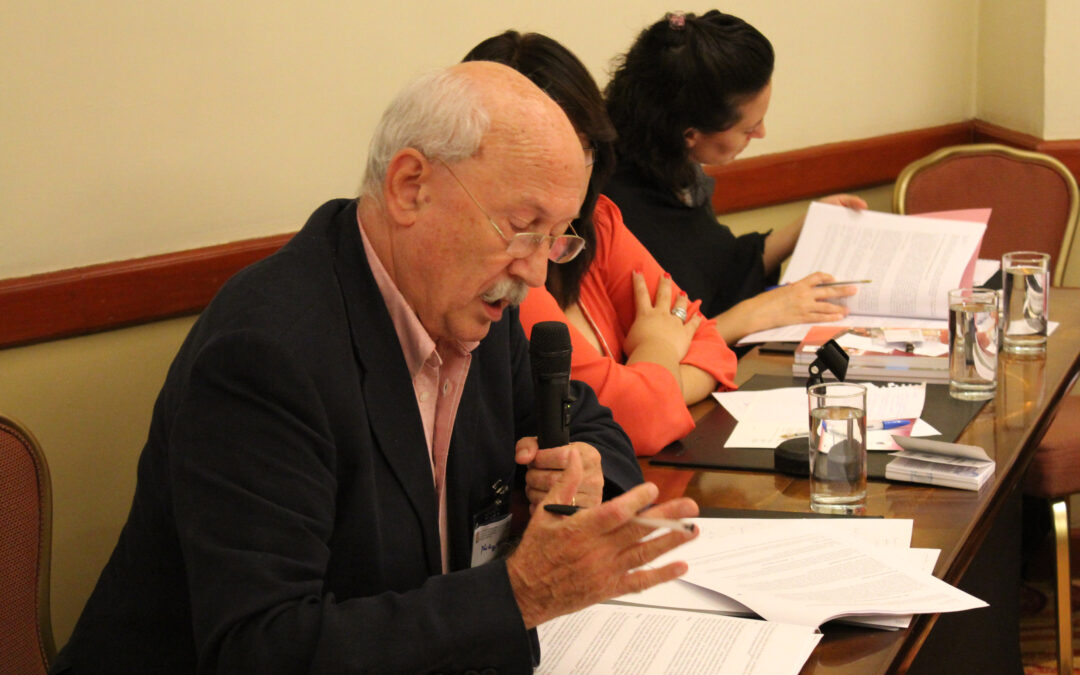
With the support of ICJ Commissioner Justice Philippe Texier, the ESCR Programme and the Central America Regional Office organized a two-day workshop in San Salvador on August 16 and 17, 2012.
A group of 25 representatives of human rights and development NGOs as well as trade unions, lawyers and academic experts participated in a first consultation on access to justice for victims of violations of economic, social and cultural rights.
The discussions tackled obstacles and advances in the field of access to justice with regard to the legal and institutional frameworks, as well as in the administration of justice and material issues.
Coming from very different backgrounds, the participants valued the opportunity to work together and share their experience related to economic, social and cultural rights (ESCR) of a variety of rights-holders and their attempts to seek justice.
This first consultation and workshop will be followed by other activities in the course of the national project.
Background of the workshop
With national projects such as the one in El Salvador, the ICJ programme on Economic, Social and Cultural Rights aims at contributing to improve accountability for human rights violations and access to justice for all, including for victims of threats against and violations of economic, social and cultural rights.
The ICJ has embarked on research processes at national level to identify obstacles and opportunities for access to justice, as well as on consultation and collaboration processes with national allies to define strategies to address gaps.
Depending on the needs identified, the ICJ will support the implementation of recommendations and steps that includes trainings and legal interventions.

Apr 12, 2012 | News
 La CIJ y el Observatorio expresaron su preocupación común por la continuada privación arbitraria de libertad de la Jueza María Lourdes Afiuni y por los actos de intimidación y amenazas contra los abogados que la defienden.

Mar 23, 2012 | News
 The ICJ is pleased with the decision of the Inter-American Court of Human Rights that parental sexual orientation is not a factor in child custody cases.
On 20 March the Inter-American Court of Human Rights ruled that parental sexual orientation is not a factor in child custody cases and that Chile had violated Karen Atala’s rights to equality, non-discrimination and privacy when the Supreme Court of Chile removed custody of her three daughters from her because she had begun a relationship with another woman.
In its first sexual orientation case, the Court held that sexual orientation is a protected ground, included under “other social condition” in Article 1 of the American Convention on Human Rights.
The Court further stated that the best interests of the child test could not be used as a pretext for prohibited discrimination in custody cases.
The Court also found that the Supreme Court of Chile’s reliance on stereotypes and prejudices was a violation of the State’s obligation to protect rights. Finally, the Court stated that the American Convention did not protect a specific form of traditional family and that states must recognize diverse family structures.
The International Commission of Jurists was called by the Inter-American Commission as an expert and submitted written and oral testimony on the role of parental sexual orientation as a factor in child custody cases.
Decision:
(http://www.corteidh.or.cr/docs/casos/articulos/seriec_239_esp.pdf)
Expert Submission:
(https://www.icj.org/dwn/database/Jernow%20Written%20Submission.pdf)

Dec 22, 2011 | News
La CIJ y Rechters voor Rechters (Jueces para Jueces) hoy expresaron su preocupación al conocer que una extensión de prisión preventiva ha sido emitida contra la juez venezolana. La juez Afiuni se encuentra detenida desde el 10 de diciembre de 2009 por actos cumplidos en el ejercicio de sus funciones como titular en el Circuito Judicial Penal del Área Metropolitana de Caracas.
Venezuela-extensión detención Afiuni-press release-2011 (full text in Spanish, PDF)

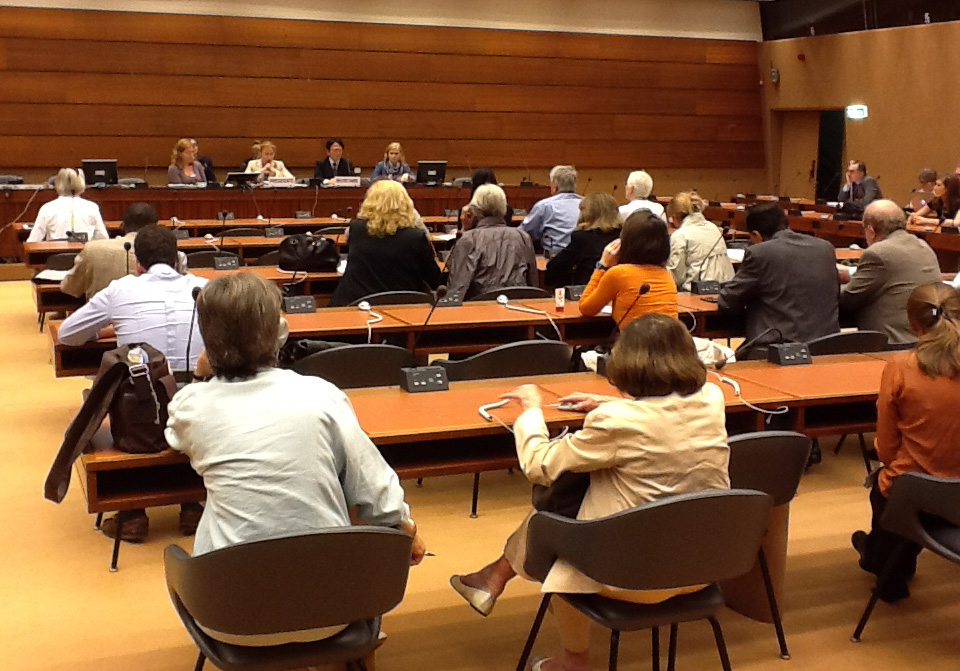 In the margins of the UN Human Rights Council’s 21st regular session, the Centre Europe-Tiers Monde (CETIM) and the ICJ today held a parallel event on impunity and exploitation of natural resources in Guatemala.