Oct 13, 2016 | News
The ICJ expressed disappointment in the adjournment of Asia bibi’s blasphemy appeal and urged the Supreme Court to set a new hearing date as soon as possible.
“Asia bibi has been on death row for six years under a bad law that has been improperly applied,” said Sam Zarifi, ICJ’s Asia Director. “The Supreme Court has previously held that people accused of blasphemy in Pakistan ‘suffer beyond proportion or repair’ – such delays in proceedings are one reason why.”
The hearing was adjourned because Justice Iqbal Hameed-ur-Rahman, one of the three judges to hear the case, recused himself from the bench on the day of the hearing, reportedly because of a “conflict of interest”.
“The date and bench for the hearing had been fixed nearly a week ago – it is difficult to understand why Justice Hameed-ur-Rahman’s decision to recuse himself was announced only at the hearing, with no alternative arrangements having been made,” added Zarifi.
Justice Hameed-ur-Rahman’s recusal is related to Salmaan Taseer’s murder case.
In 2011, Salmaan Taseer, the former Governor of Punjab, was killed by his bodyguard, Mumtaz Qadri.
Qadri claimed he killed Taseer for questioning the merits of the blasphemy proceedings against Asia bibi and calling for reform of the blasphemy laws to prevent their misuse.
Mumtaz Qadri was convicted and sentenced to death for the killing in October 2011.
Qadri challenged the conviction and sentence before the Islamabad High Court, where Justice Hameed-ur-Rahman was one of the two judges who admitted his appeal for hearing.
Extremist Islamist groups have frequently held demonstrations calling for Asia bibi to be hanged.
A day before the Supreme Court was scheduled to hear Asia bibi’s appeal, an Islamist group publicly threatened it would take to the streets if Asia bibi was acquitted.
Asia bibi’s lawyer, Saif-ul-Malook, has also stated he has received threats for pursuing her case.
Under Pakistani and international standards, judges have a right and a duty to decide cases before them according to the law, free from fear of reprisals.
Governments must also ensure that lawyers are able to perform all of their professional functions without intimidation, hindrance, harassment or improper interference from any person.
In a report published last year, the ICJ documented a pattern of threats and violence in blasphemy cases in Pakistan.
Judges who hear blasphemy cases are often harassed and threatened by those who demand that the suspect be convicted.
Some judges have reported receiving letters and phone calls warning them of attacks against themselves and their families if defendants in blasphemy cases are acquitted.
Where hearings are public, courtrooms are often packed with hostile crowds, chanting slogans against the accused. Often, these crowds are linked to violent Islamist groups.
The Government should take notice of this pattern of threats and reprisals and ensure the judges and lawyers in Asia bibi’s case are given adequate security to perform their duties independently and impartially, said the ICJ.
Contact:
Sam Zarifi, ICJ Asia Pacific Regional Director (Bangkok), t: +66 807819002; e: sam.zarifi(a)icj.org
Reema Omer, ICJ International Legal Adviser for Pakistan (London), t: +44 7889565691; e: reema.omer(a)icj.org
Additional Information
Asia Noreen (Asia bibi) has been on death row since 2010, when a trial court convicted her of “defaming the Prophet Muhammad” and sentenced her to death. The Lahore High Court upheld her conviction and confirmed her death sentence in 2014.
In a briefing paper published on Wednesday, the ICJ assessed the fair trial violations in Asia bibi’s trial and appellate hearing.
The ICJ found glaring omissions both in the appraisal of evidence as well as the application of laws that brought her conviction into question.

Oct 12, 2016 | News
In a briefing paper released today, the ICJ provides answers to key questions regarding the blasphemy case against Asia Noreen (Asia bibi), a 45-year old Christian woman convicted and sentenced to death for “defaming the Prophet Muhammad” in 2010.
Tomorrow, on Thursday 13 October 2016, the Supreme Court of Pakistan is scheduled to hear Asia bibi’s appeal challenging her conviction and death sentence for blasphemy.
The Lahore High Court had upheld her conviction and sentence in October 2014.
“Asia bibi has been on death row for six years under a bad law that has been improperly applied,” said Sam Zarifi, ICJ’s Asia Director.
“The Supreme Court has previously held that people accused of blasphemy in Pakistan ‘suffer beyond proportion or repair’– Asia bibi’s case is an illustration of that injustice and suffering,” he added.
If the Supreme Court upholds her conviction, Asia bibi will be at the risk of execution, with only limited options of filing for a review of the judgment and making a mercy petition to the President of Pakistan.
The Supreme Court has so far not upheld any convictions for blasphemy under section 295-C of the Penal Code (defamation of the Prophet Muhammad).
The briefing paper explains the allegations against Asia bibi and assesses the violations of Pakistani and international fair trial standards during her blasphemy trial and high court appeal.
“This is the first blasphemy appeal being heard by the Supreme Court since 2002,” Zarifi said.
“All eyes are on the Court to see if it will provide justice to Asia bibi, and whether it will try to clean up some of the manifest injustices of the blasphemy law and how it’s being applied today,” he addedd.
The ICJ opposes laws that criminalize the exercise of freedom of expression as protected by international law and standards, including in relation to religion, and opposes capital punishment in all circumstances.
The death penalty constitutes a violation of the right to life and the right not to be subjected to cruel, inhuman or degrading punishment.
Contact:
Sam Zarifi, ICJ Asia Pacific Regional Director (Bangkok), t: +66 807819002; e: sam.zarifi(a)icj.org
Reema Omer, ICJ International Legal Adviser for Pakistan (London), t: +44 7889565691; e: reema.omer(a)icj.org
Additional Information:
In November last year, the ICJ published a report documenting in detail systematic and widespread violations of the right to a fair trial in proceedings related to blasphemy offences in Pakistan, particularly in trial courts. The report confirmed concerns raised by the Supreme Court of Pakistan that individuals accused of blasphemy ‘suffer beyond proportion or repair’ in the absence of adequate safeguards.
The ICJ also made a number of recommendations to the Pakistani executive, legislative and judicial branches to address violations caused by application of the blasphemy laws, whether due to the legislative provisions themselves or at the investigative, prosecutorial, procedural, administrative and judicial levels highlighted in the report, including to ensure that those accused of blasphemy have a fair chance at defending themselves.
pakistan-asia-bibi-qa-advocacy-2016-eng (full Q & A, in PDF)
Sep 16, 2016 | News
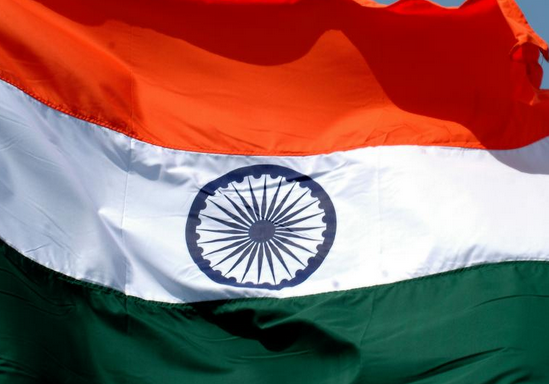
Indian authorities have detained a Kashmiri human rights activist after stopping him from traveling to the United Nations Human Rights Council in Geneva, Human Rights Watch and the ICJ said today.
Khurram Parvez was arrested in his home on 15 September 2016, a day after being prevented from leaving the country with a group of rights activists who were traveling to Geneva to raise concerns about the security force crackdown in Jammu and Kashmir.
Human Rights Watch and the ICJ call on authorities to immediately release Parvez and allow him to attend the Human Rights Council session.
“Indian authorities seem to have missed the irony of blocking a rights activist on his way to the UN Human Rights Council,” said Sam Zarifi, Asia Director at the International Commission of Jurists.
“Monitoring and engage
ment by civil society is necessary to prevent human rights violations and ensure accountability. The Government should immediately release Khurram Parvez and begin working with him and other activists to address the difficult issues facing Jammu and Kashmir,” he added.
Parvez, 39 years of age, is chair of the Asian Federation Against Involuntary Disappearances (AFAD) and program coordinator of the Jammu Kashmir Coalition of Civil Society (JKCCS).
He has documented cases of enforced disappearances and investigated unmarked graves in Kashmir.
According to his lawyer, Parvez has been detained by Kashmir police under “preventive detention” provisions of the Code of Criminal Procedure, including section 151 (arrest to prevent the commission of cognizable offense).
The Government’s actions against Parvez violate his right to freedom of movement.
Under international human rights law, any restrictions on freedom of movement for security reasons must have a clear legal basis, be limited to what is necessary and be proportionate to the threat.
This is further supported by article 5 of the UN Declaration on Human Rights Defenders, which states that “[f]or the purpose of promoting and protecting human rights and fundamental freedoms, everyone has the right, individually or in association with others, at the national and international levels… to communicate with nongovernmental or intergovernmental organizations.”
“Instead of trying to silence human rights activists, India should be addressing the serious human rights problems in Jammu and Kashmir and holding perpetrators of abuses to account,” said Meenakshi Ganguly, South Asia Director at Human Rights Watch.
“Preventing open discussion of these issues, whether in India or in Geneva, sends a message to Kashmiris that the government has no interest in addressing their concerns,” she added.
Background
Violent protests broke out in Jammu and Kashmir state after the killing of Hizb-ul-Mujahedin militant Burhan Wani in an armed encounter on 8 July.
Since then, the authorities have placed large parts of the state under curfew restrictions to try to stop protesters who hurl stones at security forces and attack police posts.
Security forces have used unnecessary lethal force to contain the violence, which has resulted in the death of 80 protesters and 2 police officers, and thousands injured.
Some protesters, including children, lost their vision from pellets fired from riot-control guns.
While police have a duty to protect lives and property, under the UN Basic Principles on the Use of Force and Firearms by Law Enforcement Officials, they should use non-violent means as far as possible, only use force when unavoidable and in a proportionate manner, and use lethal force only when absolutely necessary to save lives, Human Rights Watch and International Commission of Jurists said.
The authorities have also attempted to censor news and restrict access to information.
The Government shut down local newspapers for three days, blocked mobile internet services temporarily, and ordered local cable operators to block the transmission of five news channels on television.
India has failed to address longstanding grievances in Jammu and Kashmir.
Numerous expert committees in India have recommended steps to address past human rights violations, including a repeal of the draconian Armed Forces Special Powers Act, but the Indian Government has ignored these recommendations.
Contact:
Sam Zarifi, ICJ Asia-Pacific Regional Director, (Bangkok); t:+66(0) 807819002; e: sam.zarifi@icj.org
Aug 29, 2016 | News
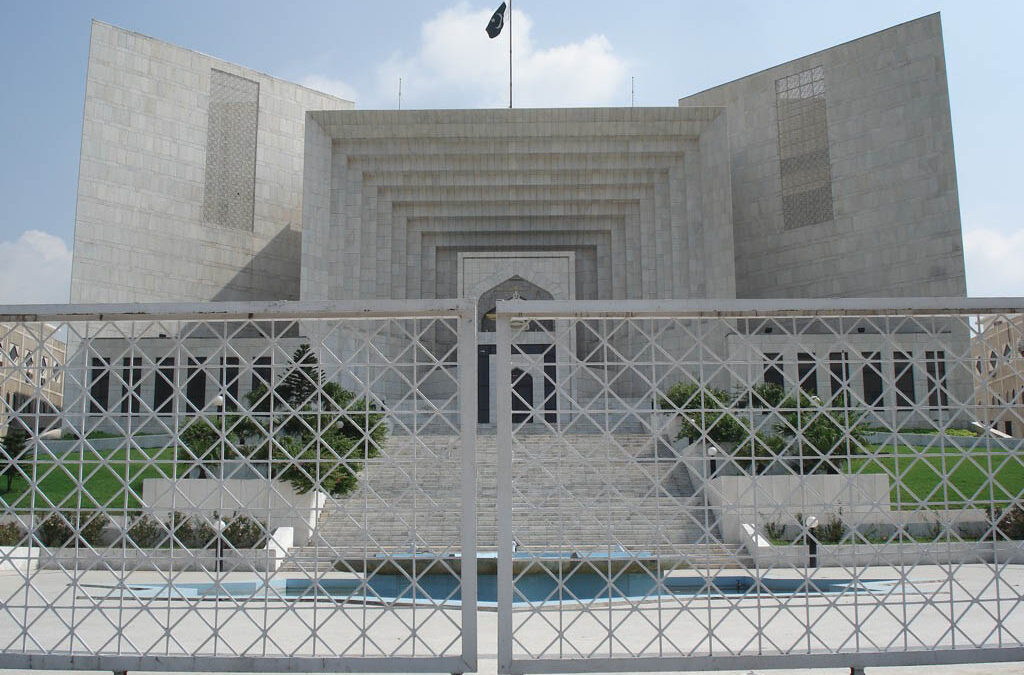
Pakistan’s Supreme Court’s rejection of petitions by families of 16 people sentenced to death who complained of unfair trials in the country’s military courts seriously set back respect for human rights and the rule of law, the ICJ said today.
“The Supreme Court failed to use an important opportunity to show that human rights protect all people, including those who are accused of terrorist acts or other heinous crimes,” said Sam Zarifi, ICJ’s Asia Director. “Pakistan’s very serious problem with terrorism can only be addressed with more respect for human rights and the rule of law, not less, and certainly not through deeply flawed military tribunals that provide neither justice nor truth.”
Families of sixteen civilians sentenced to death by military courts in secret proceedings challenged their convictions and sentences in the Supreme Court on fair trial grounds. In its 182-page judgment, a five-member bench Supreme Court headed by Chief Justice Anwar Zaheer Jamali held the petitioners had failed to prove the military violated their constitutional right to a fair trial. At convicts are now at imminent risk of execution.
The ICJ is calling on the government of Pakistan to desist from executing these or other convicts, and to reinstate a moratorium on the death penalty it held from 2008 to 2014.
“Trial of civilian suspects in military courts is anathema to human rights and international standards are clear that military courts should only have jurisdiction over military officers for military offences,” said Zarifi. “Pakistan’s military tribunals in particular offer nothing like a fair trial and should be immediately dismantled.”
As highlighted by the ICJ in a briefing paper released in June, proceedings before Pakistani military courts fall well short of national and international standards requiring fair trials before independent and impartial courts: judges are part of the executive branch of the State and continue to be subjected to military command; the right to appeal to civilian courts is not available; the right to a public hearing is not guaranteed; and a duly reasoned, written judgment, including the essential findings, evidence and legal reasoning, is denied. In addition, the procedures of military courts, the selection of cases to be referred to them, the location and timing of trial, and details about the alleged offences are kept secret.
“The ICJ supports the pursuit of justice for all victims of terrorism in Pakistan,” added Zarifi. “However, justice will not be done by subverting the foundational pillar of justice: the right to a fair trial for all suspects –regardless of how serious the offence.”
Since January 2015, when Pakistan empowered military courts to try civilians for terrorism-related offences, 11 military courts have been constituted to hear cases related to terrorism.
These 11 military courts have thus far concluded the trials of 128 people, finding the defendants guilty in 104 cases. A hundred people have been sentenced to death and four have been given life sentences. At least 12 people have been hanged after trials that are grossly unfair.
The ICJ has called on the Pakistan government to roll back the system of “military injustice”, and ensure that all terrorism suspects are guaranteed basic fair trial protections.
The ICJ has also urged that Pakistan reinstate a moratorium on executions with a view to abolishing the death penalty in law and practice, reflecting the call of an overwhelming majority of States in repeated UN General Assembly resolutions. The ICJ considers the death penalty to constitute a denial of the right to life and a from of cruel, inhuman and degrading punishment.
Contact:
Sam Zarifi, ICJ Asia Pacific Regional Director (Bangkok), t: +66 807819002; e: sam.zarifi(a)icj.org
Reema Omer, ICJ International Legal Adviser for Pakistan (Lahore), t: +923214968434; e: reema.omer(a)icj.org
Additional information
In January 2015, Pakistan empowered military courts to try civilians for terrorism-related offences as part of its 20-point “National Action Plan”, adopted by the Government following the horrific attack on the Army Public School in Peshawar.
The expansion of military jurisdiction over civilians was accomplished through the 21st Amendment to Pakistan’s Constitution and amendments to the Army Act, 1952. These amendments allow military courts to try offences related to “terrorism” committed by those who claim to, or are known to, belong to a terrorist organization “using the name of religion or a sect”.
Both amendments are set to expire on 6 January 2017 pursuant to a “sunset clause”, after which they will cease to be in effect, although there is a risk that they could be renewed.
In August 2015, the Pakistani Supreme Court upheld the constitutionality of the 21st amendment and the trial of civilians by military courts for terrorism-related offences.

Aug 29, 2016 | News
Tens of thousands of enforced disappearances in South Asia can only be addressed if all the region’s governments immediately criminalize this serious human rights violation, said today lawyers and activists from Bangladesh, India, Nepal, Pakistan and Sri Lanka.
The call came at a Conference on Enforced and Involuntary Disappearances, organized by the ICJ and Human Rights Commission of Pakistan (HRCP) on the eve of the International Day of the Victims of Enforced Disappearances.
South Asia has among the highest number of alleged victims of enforced disappearances in the world: tens of thousands of cases have been documented in Sri Lanka, Nepal, Pakistan and India, and since 2009, there has also been a surge in enforced disappearances in Bangladesh.
“Sri Lanka’s ratification of the Convention on Enforced Disappearance and its pledge to criminalize the practice is a welcome step,” said I. A. Rehman, Secretary General for the Human Rights Commission of Pakistan.
“Other States in the region should now follow suit and show that they are serious about their commitment to human rights by making enforced disappearance a specific crime in their domestic law,” he added.
Under international law, an enforced disappearance is the arrest, abduction or detention by State agents, or by people acting with the authorization, support or acquiescence of the State, followed by a refusal to acknowledge the detention or by concealing the fate or whereabouts of the “disappeared” person which places the person outside the protection of the law.
The UN General Assembly has repeatedly described enforced disappearance as “an offence to human dignity”.
At present, enforced disappearance is not a distinct crime in any South Asian country, which is one of the major hurdles to bringing perpetrators to justice.
In the absence of a legal framework on enforced disappearance, unacknowledged detentions by law enforcement agencies are considered “missing persons” cases.
On the rare occasions where criminal complaints are registered against alleged perpetrators, complainants are forced to categorize the crime as “abduction” or “kidnapping”.
These categories do not recognize the complexity and the particularly serious nature of enforced disappearance, and often do not provide for penalties commensurate to the gravity of the crime.
They also fail to recognize as victims relatives of the “disappeared” person and others suffering harm as a result of the enforced disappearance, as required under international law.
“Despite thousands of cases of enforced disappearance across South Asia, the governments have failed to follow their legal obligation to treat these crimes as the serious human rights violation they are,” said Sam Zarifi, ICJ’s Asia Director.
“South Asian governments have done very little to support the victims and survivors of enforced disappearance, or to ensure the rights of their family members to truth, justice and reparation,” he added.
Other barriers to bringing perpetrators to account are also similar in South Asian countries: military and intelligence agencies have extensive and unaccountable powers, including for arrest and detention; members of law enforcement and security forces enjoy broad legal immunities, shielding them from prosecution; and military courts have jurisdiction over crimes committed by members of the military, even where these crimes are human rights violations.
Victims’ groups, lawyers, and activists who work on enforced disappearance also face security risks including attacks, harassment, surveillance, and intimidation.
A comprehensive set of reforms, both in law and policy, is required to end the entrenched impunity for enforced disappearances in the region – criminalizing the practice would be a significant first step, said ICJ and the HRCP.
Contact
Sam Zarifi, ICJ Asia Pacific Regional Director (Bangkok), t: +66 807819002; e: sam.zarifi(a)icj.org
Read also
ICJ Practitioners’ Guides No. 9 Enforced Disappearance and Extrajudicial Execution: Investigation and Sanction and No. 10 Enforced Disappearance and Extrajudicial Execution: the Right of Family Members, which provide legal practitioners, activists and policy-makers with detailed and practical references on international standards on enforced disappearances and extrajudicial killings.
South Asia-International disappearances day statement-News-2016-ENG (full text in PDF)

Aug 8, 2016 | News
The ICJ has deplored a suicide attack at a hospital in Quetta, which killed dozens of people today, in the deadliest attack ever on lawyers in Pakistan and among the worst anywhere.
Many of those killed were lawyers, who had been gathered at a hospital in Quetta following the killing of former president of the Balochistan Bar Association, Bilal Anwar Kasi, in a shooting incident earlier in the day.
“This attack targeted mostly lawyers and intellectuals (many of them from the Pashtun community) who had gathered at the hospital to mourn the loss of one of their own,” said Sam Zarifi, ICJ’s Asia Director.
“As such, it constituted a serious loss for the legal community and increases existing pressure on the independence of the bar.”
The ICJ calls on the Pakistani Government to conduct an immediate, impartial and thorough investigation into the attack and to bring those responsible to justice, including anyone who ordered or was otherwise complicit the crime.
The ICJ also urges the Government to take urgent measures to guarantee the security of lawyers, which should include effective measures of protection against attempts on their lives and lives of their family members.
The UN Basic Principles on the Role of Lawyers affirm that“[w]here the security of lawyers is threatened as a result of discharging their functions, they shall be adequately safeguarded by the authorities.”
“If lawyers are under constant fear of violence, they cannot ensure the functioning of an independent and impartial legal profession – an indispensible requirement for rule of law,” Zarifi added.
Contact:
Sam Zarifi, ICJ Asia Pacific Regional Director (Bangkok), t: +66 807819002; e: sam.zarifi(a)icj.org
Reema Omer, ICJ International Legal Adviser for Pakistan (London), t: +44 7889565691; e: reema.omer(a)icj.org