Apr 16, 2018 | Advocacy, News, Non-legal submissions
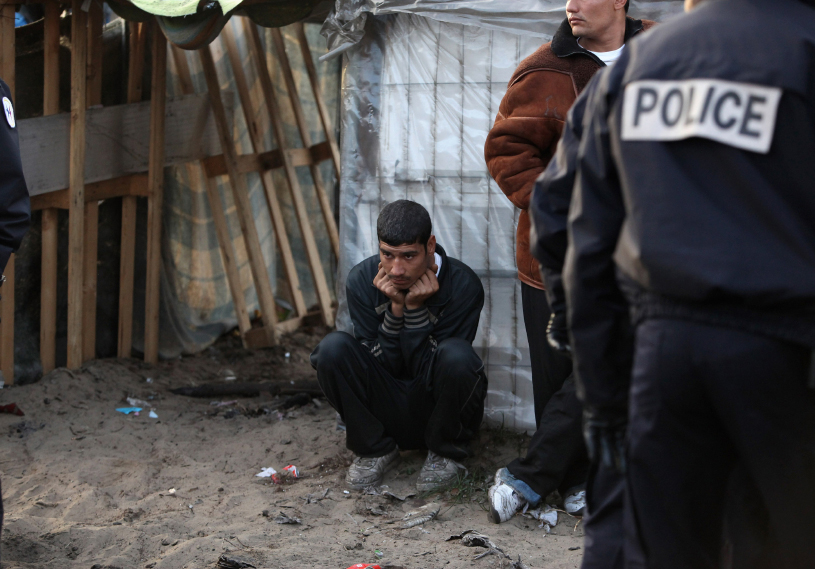
The ICJ and ECRE have presented today to the United Nations Special Rapporteur on the human rights of migrants a submission on access to justice for migrants in Europe.
The submission is an input for the forthcoming report of the UN Special Rapporteur on access to justice for migrants to the UN General Assembly.
The International Commission of Jurists (ICJ) and the European Council on Refugees and Exiles (ECRE) have provided a brief overview of aspects of access to justice for migrants, with a particular focus on asylum seekers and migrant children, in European countries.
The issues dealt with include:
- obstructions to access to justice in relation to access to the territory;
- the undue use of national security exceptions to weaken access to justice in immigration procedures;
- concerns with access to justice in expulsion and detention procedures;
- specific obstacles to access to justice for asylum seekers, including when appealing the rejection of their claims by first instance asylum authorities before a judicial or administrative appeal body;
- specific obstacles to access to justice for undocumented minors.
ICJECRE-NonLegalSubmission-SRMigrants-Access2JusticeEurope4Migrants-2018-ENG (download the submission)
Mar 28, 2018 | Advocacy, Non-legal submissions
The ICJ today submitted a report to the UN Committee against Torture, calling for recommendations to be made on prevention of and accountability for continued recourse to torture and ill-treatment in Tajikistan.
The ICJ’s submission is made ahead of consideration by the Committee against Torture in April to May 2018 of Tajikistan’s third periodic report on the implementation of its obligations under the Convention against Torture and Other Forms of Cruel, Inhuman or Degrading Treatment or Punishment.
The ICJ’s report draws from an earlier study on Achieving Justice for Gross Human Rights Violations in Tajikistan and calls on the Committee against Torture to make recommendations concerning:
- The obligation to adequately sanction torture;
- The obligation to prevent torture and other forms of ill-treatment, including in places of detention;
- The obligation to investigate allegations of torture and ill-treatment;
- The use of amnesties and pardons for torture;
- The prohibition against the use of evidence obtained by torture;
- The right to complain about torture and ill-treatment; and
- The right of victims to effective remedies and reparation.
Tajikistan-CAT-Advocacy-AlternativeReport-2018ENG (download the ICJ’s submission, in PDF)

Mar 22, 2018 | Advocacy, Non-legal submissions
Today, the ICJ together with Forum for Human Rights submitted written information to the Committee against Torture ahead of its examination of the periodic report of the Czech Republic.
The two organisations argue that the Czech Republic violates Articles 2, 14 and 16 of the Convention Against Torture, by not ensuring access to a lawyer for children below the age of 15 (the age of criminal responsibility) in the pre-trial stage of juvenile justice proceedings.
1273 children younger than 15 were part of these pre-trial stage proceedings in the Czech Republic in 2017 without access to procedural guarantees, including legal counsel, unlike children aged 15-18 have under national legislation.
Children below the age of criminal responsibility do not benefit from such procedural rights and therefore, during the police questioning, they are typically left without any legal assistance and presence of a lawyer who neither can deter the police from resorting to ill-treatment or other abuses, nor work as a protection for police officers in case they face unfounded allegations of ill-treatment.
This situation constitutes a violation of the obligation to prevent torture or acts of cruel, inhuman or degrading treatment or punishment which do not amount to torture under Articles 2 and 16 of the CAT. Additionally, the Czech Republic fails to ensure access legal counsel for the purposes of an effective remedy under Article 14 of the CAT.
The joint submission aims to inform the 63rd session of the Committee Against Torture in April-May 2018 during which the Sixth periodic report of the Czech Republic will be examined.
Read the full joint submission here:
Czech-Republic-Joint-writteninformation- against-torture-2018-ENG (Full text in ENG, PDF)
Mar 3, 2018 | Agendas, Events, News
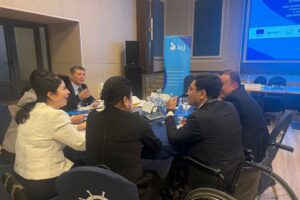
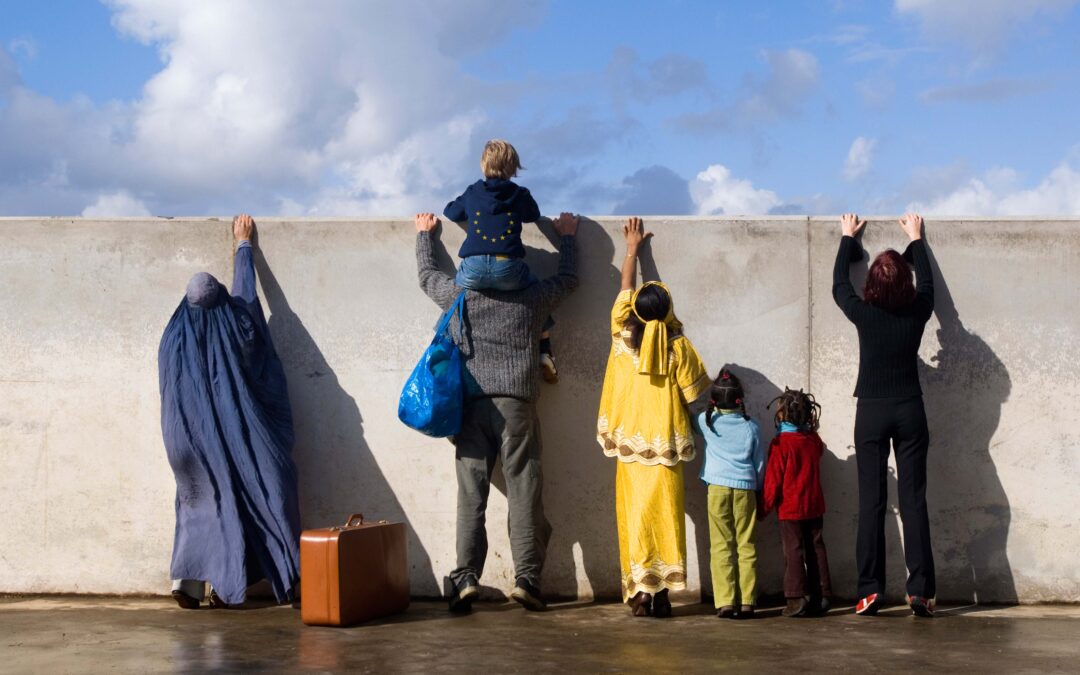
Today begins in Istanbul (Turkey) a two-day training for lawyers and CSO practitioners representing and working with migrants, refugees and asylum-seekers.
This event is organized by ICJ, in cooperation with its partners Refugee Rights Turkey, the European Council on Refugees and Exiles (ECRE), Mülteci-Der (MD) and ICJ-EI, as part of the EU co-financed project Fostering Access to Rights for Migrants, Refugees and Asylum-Seekers in Turkey.
30 lawyers and civil society practitioners – representing nine different bar associations and relevant organisations from the Ankara area and other nearby key migration and asylum locations – are taking part in the training on 3 and 4 March.
The training aims to update lawyers and CSOs on the international and national law on the rights of refugees, migrants and asylum-seekers in order to be effective in their work at both the national and international levels. It aims at an effective implementation of the Turkish legal framework on asylum and migration.
The main thematic areas to be discussed will be the principle of non-refoulement, international protection, detention and access to economic, social and cultural rights.
The training will use as a basis the draft training materials prepared by the ICJ and its partners (to be published an the end of 2019) and, among other sources, the ICJ Practitioners Guide no. 6: Migration and International Human Rights Law.
The project “Fostering Access to Rights for Migrants, Refugees and Asylum-Seekers in Turkey” is funded by the European Instrument for Democracy and Human Rights (EIDHR) of the European Union.
Turkey-Training-Istanbul2-MigrationAsylum-Agenda-2018-tur (download the agenda in Turkish)
Mar 2, 2018 | Advocacy, Non-legal submissions
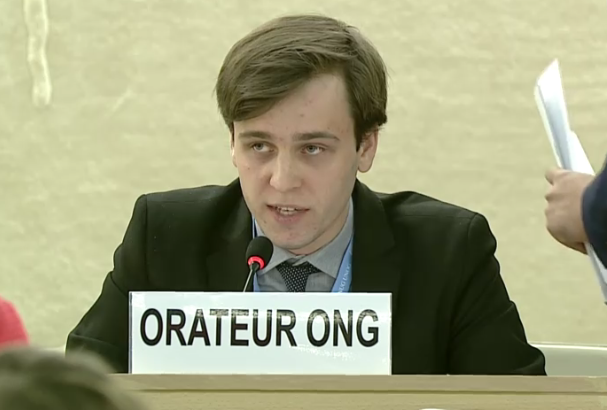
The ICJ today delivered an oral statement to the UN Human Rights Council urging it to take action on the situation in Eastern Ghouta in the Syrian Arab Republic.
The statement, which was made during an urgent debate at the UN Human Rights Council convened with a view to adoption of a resolution, read as follows:
“The International Commission of Jurists (ICJ) urges the Council to adopt a strong resolution today. The resolution should fully reflect the gravity, magnitude and character of the violations and abuses taking place, demand their immediate cessation, and set out specific measures for accountability of those responsible.
The ICJ highlighted these concerns in a statement one week ago. Every further day of delay costs lives. It is imperative that the Council act immediately and that the relevant forces move quickly to implement Security Council resolution 2401 and any resolution of the Human Rights Council. An immediate end to all attacks on civilians and civilian objects is paramount.
We welcome references to accountability, and urge the Council to explicitly call on States to make use of all means available in this regard, including in their national legal systems, as well as at the regional and international level.
All forces on the ground must respect international humanitarian law and human rights law and standards and be held accountable for failures in this regard. In particular, the Syrian Arab Republic and Russian Federation must comply with Security Council resolutions, ensure the effective protection of civilians, and create conditions in which rapid and unimpeded passage of humanitarian relief can actually take place.”
The Council did not complete the adoption of the resolution on 2 March, but ultimately did so on 5 March.