Jun 29, 2016 | Advocacy, Non-legal submissions
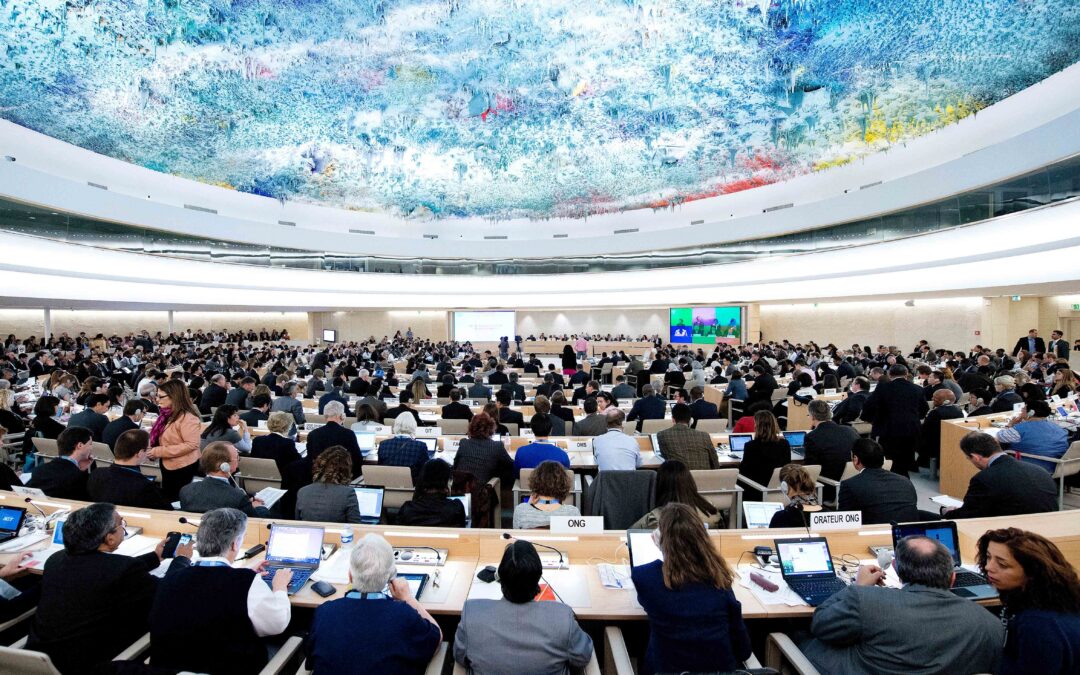
The ICJ, joined by FIDH, Franciscans International, and IMADR, today delivered a statement to the UN Human Rights Council.
The statement was on the situation of Rohingya Muslims in Myanmar, and on the need for active participation by international judges in the judicial mechanism to be adopted in Sri Lanka as part of the process of accountability and reconciliation.
The organizations stated, during general debate on an oral update on Sri Lanka from the High Commissioner for Human Rights, and the Commissioner’s report on the situation of Rohingya in Myanmar, that:
The Government of Myanmar has persecuted the Rohingya, refused to extend basic citizenship rights, and Parliament passed legislation entrenching discrimination such as the Race and Religion Protection laws. This has displaced thousands within Rakhine State and driven the Rohingya to sea and neighbouring countries. The ICJ, FIDH, Franciscans International and IMADR call on Myanmar:
- to repeal the 1982 Citizenship Law or amend it in accordance with the recommendations of the Special Rapporteur, to grant Rohingya full citizenship and accompanying rights;
- to develop a citizenship plan based on non-discrimination;
- to reject the Rakhine State Action Plan in its current form;
- to repeal laws that discriminate against ethnic and religious minorities;
- to diligently prosecute all acts of violence fuelled by discrimination, and hate speech that incites discrimination, hostility or violence; and
- to improve basic living conditions for the Rohingya and Arakanese in Rakhine State by enhancing protection of their economic, social, and cultural rights.
We welcome recent initiatives by the Government of Sri Lanka towards implementing Resolution 30/1, including the establishment of an Office of Missing Persons, and ratification of the Convention for the Protection of All Persons from Enforced Disappearance.
However, many of the commitments in the resolution remain unfulfilled. The other three transitional justice mechanisms envisioned by the resolution – an office of reparation, a truth-seeking commission, and a judicial mechanism – are yet to be established.
We call on Sri Lanka to implement, without delay, all elements of Resolution 30/1, including particularly the establishment of a credible judicial mechanism with full participation of international judges, prosecutors and lawyers. We agree that international participation is “a necessary guarantee for the independence and impartiality of the process in the eyes of the victims” (High Commissioner’s Oral Update, A/HRC/32/CRP.4, paragraph 32).
Rapid progress on this and other key elements of the resolution is essential to the credibility of the overall process of transition in Sri Lanka.
The statement can be downloaded in full, in PDF format, here: HRC32-OralStatement-SriLankaMyanmar-2016
Jun 25, 2016 | Advocacy
The ICJ today published a General Guidance aimed at assisting judges and others in the justice sector to effectively incorporate a gender perspective in their work.
The General Guidance is especially significant as it reaffirms that customs and traditions should not be invoked to justify discrimination against women.
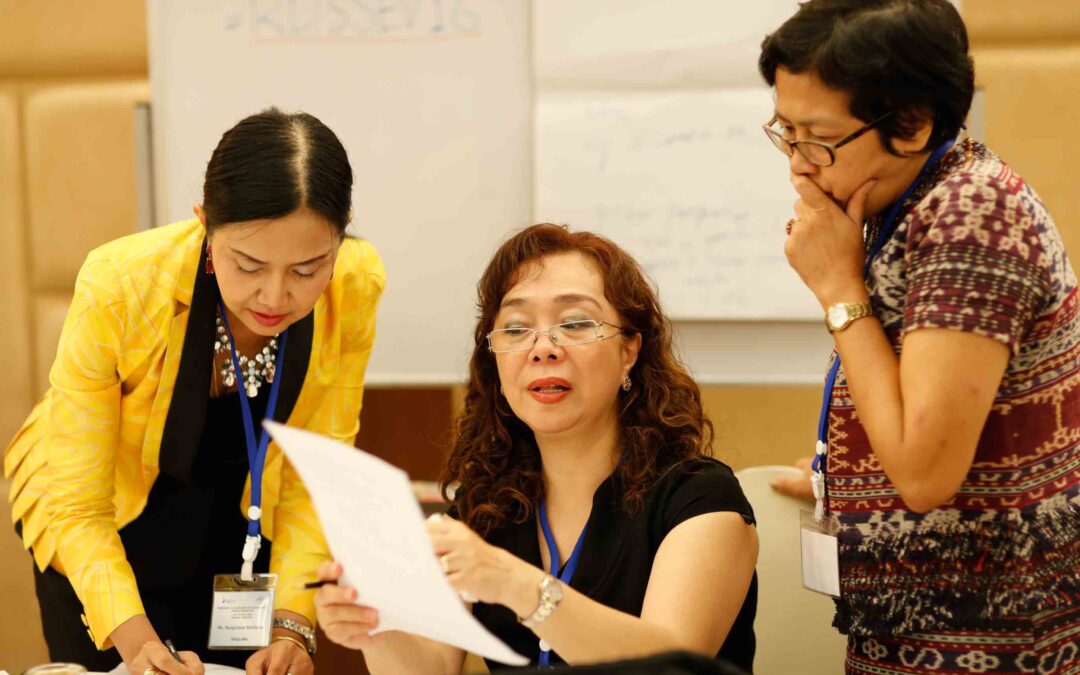
The Bangkok General Guidance for Judges in Applying a Gender Perspective was discussed and adopted by judges from Philippines, Thailand, Timor Leste, and Indonesia, at a gathering in Bangkok from 24 to 25 June 2016, hosted by the ICJ and UN Women.
During the workshop, judges from the four Southeast Asian countries deliberated extensively how best to assist judges in employing a gender perspective in deciding cases before them.
“The Bangkok General Guidance can make a powerful contribution towards achieving gender equality under the law in Southeast Asia,” said Sam Zarifi, Regional Director for Asia and the Pacific at the ICJ. “It is crucial that judges now work to implement this General Guidance in their home countries.”
The idea to initiate the development of th Bangkok General Guidance emerged from the ASEAN Regional Dialogue on Judging with a Gender Perspective, which was held in Jakarta, Indonesia in 2015.
The Supreme Court of the Philippines offered to take the lead on the project during that regional judicial dialogue.
“Women have a right to equal treatment and equal protection and non-discrimination under the law. It is our responsibility as judges to ensure that women receive equal treatment in law and in practice,” said Justice Teresita de Castro of the Supreme Court of the Philippines.
Judges attended several sessions over the course of the two-day workshop, participating in exercises focused on identifying and addressing gender stereotypes.
“Women in the region face many obstacles in accessing justice,” said Roberta Clarke, Regional Director for Asia and the Pacific at UN Women.
“But judges may be either unaware of these issues or unsure how to address these issues through the legal process,” she added.
The Bangkok General Guidance will make judges aware of means to consider evidence without resorting to gender stereotypes and decide cases based on the principle of equality recognized under international human rights standards, including the Convention on the Elimination of All Forms of Discrimination against Women (CEDAW).
Recommendations for institutional policies that should be adopted by courts to help them become more gender sensitive and gender responsive are also set out in the General Guidance.
Contact:
Emerlynne Gil, Senior International Legal Adviser for Southeast Asia, t: +66840923575 ; e: emerlynne.gil@icj.org
Southeast Asia-Bangkok-Guidance-Advocacy-2016-ENG (full PDF, in English)
Southeast Asia-Bangkok-Guidance-Advocacy-2016-BUR (full PDF, in Burmese)
Southeast Asia-Bangkok-Guidance-Advocacy-2016-MON (full PDF, in Mon language)
Southeast Asia-Bangkok-Guidance-Advocacy-2016-SHAN (full PDF, in Shan language)
Jun 24, 2016 | Advocacy, Non-legal submissions
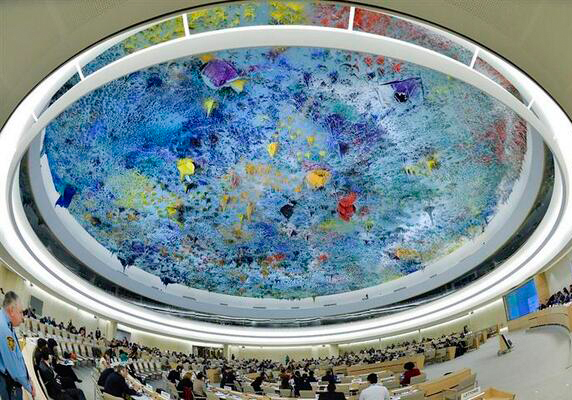
The ICJ today made a statement to the UN Human Rights Council concerning the death penalty, and freedom of expression, in Singapore.The statement can be downloaded in PDF format here: HRC32-OralStatement-UPR Singapore-2016-ENG
Jun 24, 2016 | Advocacy
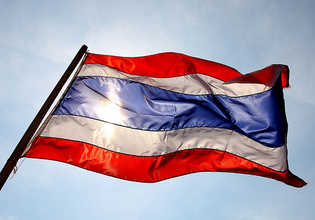
The ICJ, International IDEA (Australia) and the Office of the United Nations Resident Coordinator in Thailand have collaborated to produce an unofficial translation of the draft Constitution of Thailand which is scheduled to be the subject of a national referendum on 7 August 2016.
The original Thai text as formally published by the Royal Thai Government shall in all events remain the sole authority having legal force.
Thailand-Draft-Constitution-EnglishTr-Advocacy-2016-ENG (full text in PDF)
Contact
Sam Zarifi, ICJ Regional Director for Asia and the Pacific, t: +66807819002; e: sam.zarifi(a)icj.org
Kingsley Abbott, Senior International Legal Adviser, t: +66 94 470 1345; e: kingsley.abbott(a)icj.org
Jun 21, 2016 | News
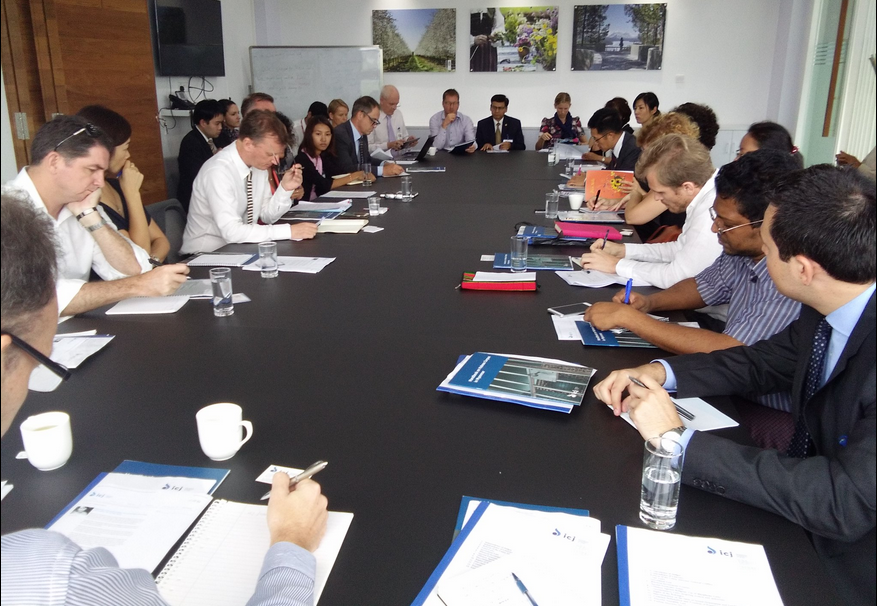
The ICJ urged the diplomatic community in Myanmar to assist, and assess, the new government’s efforts to improve the protection and promotion of human rights in the country at a diplomatic dialogue today.
The ICJ shared its 14 General Recommendations to the new Government and Parliament, with ambassadors and high-level diplomatic representatives, and discussed specific, actionable recommendations to the Government to effectively address human rights violations immediately and in the long term and to provide redress to those whose rights have been violated.
Access to justice for victims of human rights violations has been severely curbed in Myanmar during decades of military rule.
Most of the population has been consistently denied access to the courts and effective remedies as a result of unfair and discriminatory laws and poor court decisions.
With an improper regulatory regime for investment and environmental protection, and an ineffective judiciary to enforce laws and provide access to justice, economic development has risked undermining human rights protection and negatively impacting on economic, social and cultural rights.
Vani Sathisan, ICJ’s International Legal Adviser for Myanmar, stated that while the new government is more receptive than its predecessor to international human rights laws and standards, it should urgently establish a clear plan on strengthening rule of law reform and that all legislation must be guided by the principles of non-discrimination, greater accountability, transparency and justice.
Among the key recommendations the ICJ shared are:
- Supporting the committing of resources to the judiciary as well as the Attorney General’s Office to improve the state of legal education, court facilities, and safeguards to prosecutors to undertake investigations independently;
- Pushing for the passage of new land laws in consultation with civil society modeled on international standards and best practices;
- Ensuring that a new investment law conforms to the new land law that protects all forms of land tenure and provides access to justice when human rights occur;
- Seeking more clarity on the Government’s ability to monitor and regulate the conduct of businesses and their impacts on human rights;
- Supporting and strengthening the capacity of the Myanmar National Human Rights Commission to undertake investigations on human rights violations independently and impartially;
- Repealing or amending laws that are abused to violate the right to freedom of expression and opinion; and
- Encouraging the Government to consult and engage more closely with civil society and the international human rights community.
The diplomatic dialogue aimed to provide the international human rights organizations with an opportunity to clarify their various policy guidelines and provide updates to assist the diplomatic community with their multilateral lobbying efforts in Myanmar with the Executive, Legislative and Judiciary, and civil society.
The Embassy of Denmark hosted the event. Members of the diplomatic community included those from the EU, UK, Canada, Denmark, Sweden, Finland, Australia, The Philippines and Bangladesh.
The ICJ was joined in a panel by the Office of the High Commissioner for Human Rights and Human Rights Watch.