Jan 25, 2017 | News
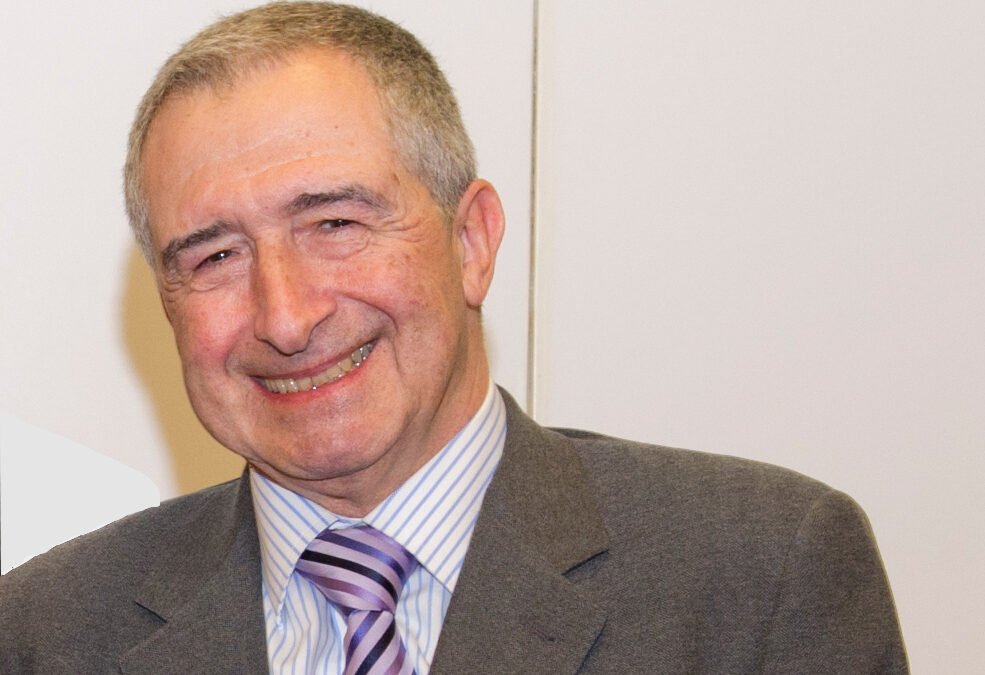
The ICJ President Professor Sir Nigel Rodley passed away today in Colchester (UK) at the age of 75, following a short illness.
Elected President of the ICJ in 2012, he was serving his third term as such. He had been first elected to the Commission in 2003 and re-elected in 2008 and 2013. He served as a member of the Executive Committee from 2004-2006.
He was also a Council member of JUSTICE, the British Section of the International Commission of Jurists.
Professor Sir Nigel Rodley was a towering figure in the area of international human rights, playing many roles as an educator, as an academic, as an activist and as an advocate.
He established and expanded the first human rights law department at Amnesty International in the 1970s and 1980s, leading the organization’s work on the development and promotion on international legal standards.
He spent eight years, from 1993 to 2001, as the United Nations’ Special Rapporteur on Torture, visiting dozens of countries and working tenaciously toward the eradication of torture worldwide.
From 2001 to 2016 he served on the UN Human Rights Committee, including a period as it Chairman, where he often served as the intellectual author of the Committee’s most prominent accomplishments.
Thousands of students of international human rights law – many of today’s leading human rights defenders – were mentored by him at the University of Essex.
He published extensively in the human rights field, and was one of the world’s leading experts on the question of torture and the treatment of prisoners under international law.
“Sir Nigel was a stalwart of the human rights movement and his firm commitment to the promotion of human rights and rule of law has had a deep and lasting impact that will continue in his absence,” said Wilder Tayler, the ICJ Secretary General.
Jan 17, 2017 | News
Leading human rights organizations, including the ICJ, have hailed a landmark decision of the UK Supreme Court to hold the UK Government accountable for its role in human rights abuses overseas.
The country’s highest court issued today a long-awaited judgment in the two joined appeals in Belhaj and Others v. Jack Straw & Others and Rahmatullah v. Ministry of Defence and Another.
The Court ruled that the UK Government could not rely on the legal doctrines of sovereign immunity and foreign act of state to escape claims in the two cases alleging UK involvement in breaches of human rights by foreign governments.
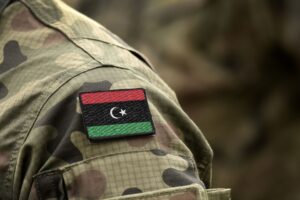
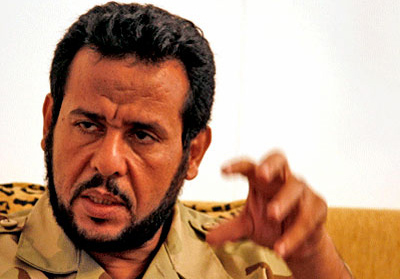
The first case, brought by the former Libyan opposition leader Abdul-Hakim Belhaj (photo) and his wife, Fatima Boudchar, alleges that UK Government officials were complicit in the couple’s kidnap and rendition to Gaddafi’s Libya, where they were arbitrarily imprisoned and tortured.
The second case was brought by Yunus Rahmatullah, who was detained by UK forces in Iraq before being handed over to US forces and allegedly tortured and imprisoned without charge for over ten years.
The Government argued before the Supreme Court that the claimants’ cases should be dismissed because, under the doctrines of sovereign immunity and foreign act of state, the UK courts were not permitted to rule on the legality of acts by foreign governments.
The claimants argued in response that the doctrines only applied in certain limited situations, and that they did not extend to the circumstances in Belhaj and Rahmatullah.
The claimants’ position in Belhaj was supported by several prominent human rights organizations – the ICJ, Amnesty International, JUSTICE and REDRESS – who intervened in the case.
The intervening organizations submitted that dismissing the claims would effectively grant impunity for torture to UK officials, violating international human rights law and weakening international commitments to an effective remedy for torture and other ill-treatment, enforced disappearance, arbitrary detention and other human rights breaches.
The Supreme Court found unanimously in favour of the claimants and dismissed the Government’s appeal.
It ruled that the doctrine of sovereign immunity did not apply because the foreign governments were not parties to the cases and their legal interests were not affected by the claims put forward.
In respect of foreign act of state, while the judges differed in their reasoning, they agreed that the doctrine could not be invoked for such serious violations of law as torture, unlawful detention and enforced disappearance.
The Belhaj and Rahmatullah cases will now proceed to full trials, where the courts will examine the facts of the claims and determine whether the UK Government and its officials were complicit in the claimants’ torture and other human rights abuses.
“The UK Supreme Court has spoken forcefully in affirming that the public interest in ensuring access to justice for victims of serious human rights abuses is paramount,” said Ian Seiderman, ICJ Legal and Policy Director.
“Human rights are universal and their effective enforcement must not be blocked by misapplied juridical doctrine that contrives to deny victims a remedy,” he added.
Contact
Ian Seiderman, ICJ Legal and Policy Director, t: +41 22979 3800 ; e: ian.seiderman(a)icj.org
UK-Belhaj case-News-press releases-2017-ENG (full version of press release, in PDF)
Jan 11, 2017 | News
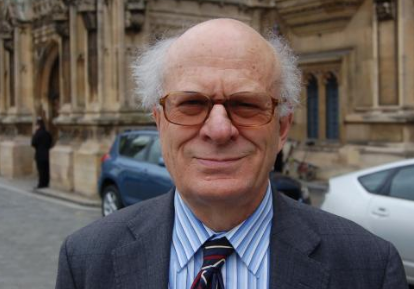
It is with great sadness that the ICJ mourns the loss of Honorary Member Lord William Goodhart QC who passed away on 10 January at the age of 83.
Lord Goodhart, from the United Kingdom, was a long-serving friend of the ICJ, having served as a Commissioner from 1993-2007, on the Executive Committee and also as ICJ Vice-President. from 2007-2009 Lord Goodhart also served as the Chairman of JUSTICE, the ICJ’s independent UK Section.
Lord Goodhart was a Liberal Democrat peer of the UK House of Lords, a Member of the All Party Parliamentary Humanist Group and an eminent human rights barrister. He was knighted in 1989 and made a Life Peer in 1997 as Baron Goodhart of Youlbury.
Our thoughts and condolences are with his family and many friends.