United Nations makes history on sexual orientation & gender identity, establishes Independent Expert
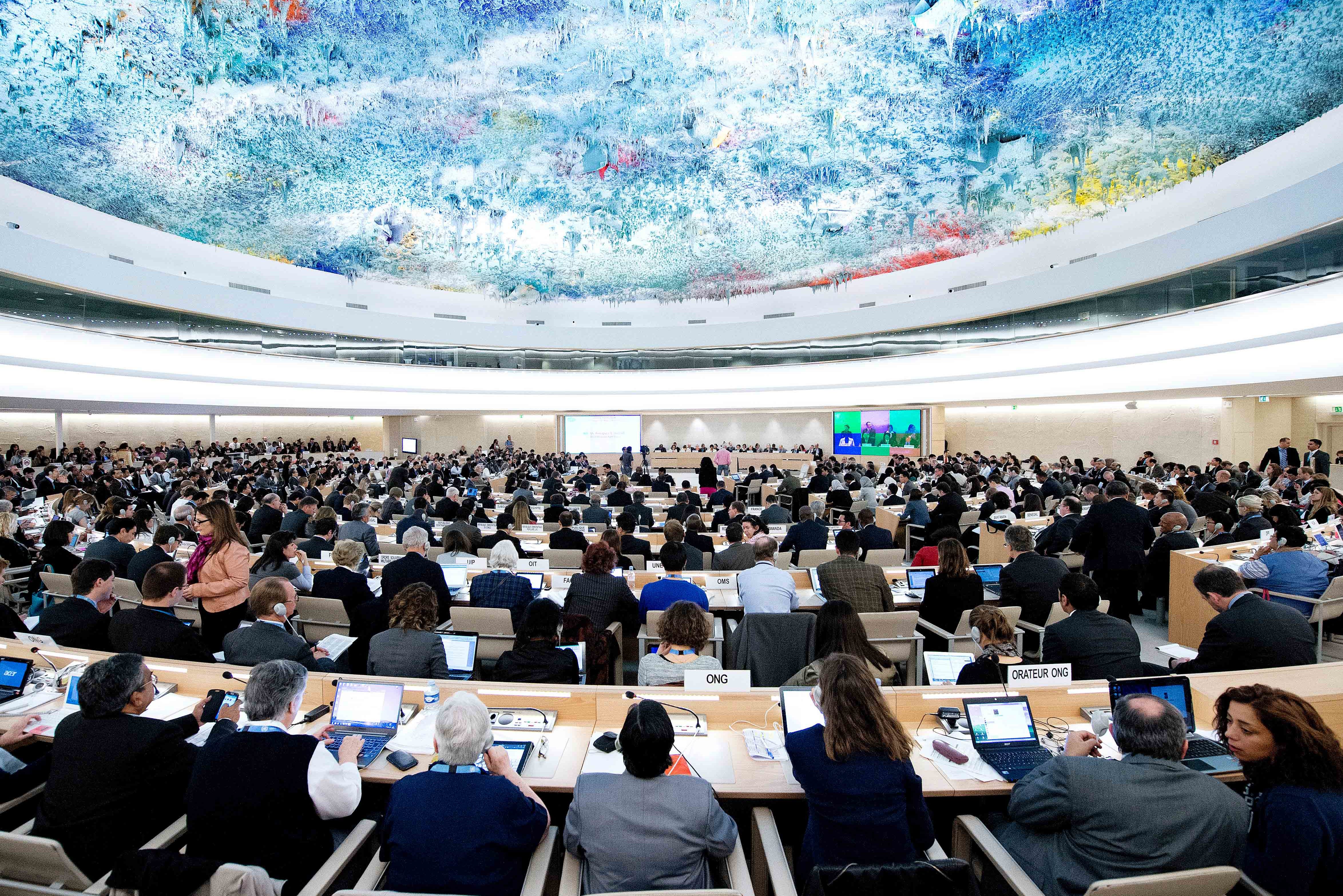
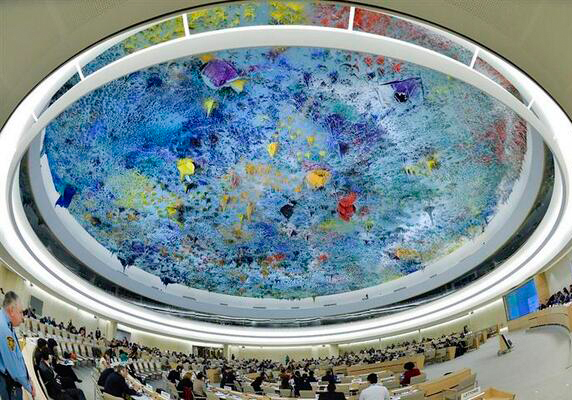
The United Nations Human Rights Council, in a defining vote, adopted a resolution on 30 June 2016, on “Protection against violence and discrimination based on sexual orientation, and gender identity,” to mandate the appointment of an independent expert on the subject.
It is a historic victory for the human rights of anyone at risk of discrimination and violence because of their sexual orientation or gender identity, a coalition of human rights groups said today. This resolution builds upon two previous resolutions, adopted by the Council in 2011 and 2014.
The Core Group of seven Latin American countries – Argentina, Brazil, Chile, Colombia, Costa Rica, Mexico, Uruguay – and 41 additional countries jointly presented the text.
The resolution was adopted by a vote of 23 in favor, 18 against and six abstentions.
“This is truly momentous,” said Micah Grzywnowicz, of the Swedish Federation for LGBTQ Rights (RFSL). “This is our opportunity to bring international attention to specific violations and challenges faced by transgender and gender non-conforming persons in all regions. It’s time for the international community to take responsibility to ensure that persons at risk of violence and discrimination because of gender identity are not left behind.”
“It’s a historic resolution,” said Josefina Valencia, of the International LGBTI Association for Latin America and the Caribbean, ILGA LAC. “Latin America has played a very important role to build a common course for the advancement of our human rights. We are proud of the international solidarity and the commitment shown by States for equality.”
The positive vote responds to a joint campaign of a record 628 nongovernmental organizations from 151 countries calling on the Human Rights Council to adopt the resolution and create the independent expert.
“It is important to note that around 70 percent of the organizations are from the global south,” said Yahia Zaidi of MantiQitna Network. “This is a powerful cross-regional message of strength to the UN to protect the rights of LGBTI persons. The independent expert will be a focal point for all violations based on SOGI and hence help grassroots organizations to better utilize the otherwise complex labyrinth of the UN system.”
The expert will be tasked with assessing implementation of existing international human rights law, identifying best practices and gaps, raising awareness of violence and discrimination based on sexual orientation and gender identity, engaging in dialogue and consultation with states and other stakeholders, and facilitating provision of advisory services, technical assistance, capacity-building, and cooperation to help address violence and discrimination on these grounds.
“To have an independent expert can be a ‘game-changer’ in counteracting violence which fuels the HIV epidemic in key populations and more specifically in LGBT communities,” said Alain Kra of Espace Confiance.
“It will ease the work of all human rights defenders and it is essential for our governments and people to have the knowledge on how to protect LGBT communities from any violence and discrimination they face,” added Joleen Mataele of the Tonga Leiti’s Association.
Although a number of hostile amendments seeking to introduce notions of cultural relativism were adopted into the text by vote, the core of the resolution affirming the universal nature of international human rights law stood firm.
The International Commission of Jurists believes that the UN Human Rights Council made history by creating a mandate empowering a UN Independent Expert specifically to address human rights violations perpetrated against people in all regions of the world because of discrimination against their real or imputed sexual orientation or gender identity.
Results of the vote
Voting in favor of the resolution
Albania, Belgium, Bolivia, Cuba, Ecuador, El Salvador, France, Georgia, Germany, Latvia, Macedonia, Mexico, Mongolia, Netherlands, Panama, Paraguay, Portugal, Republic of Korea, Slovenia, Switzerland, United Kingdom, Venezuela, Vietnam
Voting against the resolution
Algeria, Bangladesh, Burundi, China, Congo, Cote d’Ivoire, Ethiopia, Indonesia, Kenya, Kyrgyzstan, Maldives, Morocco, Nigeria, Qatar, Russia, Saudi Arabia, Togo, United Arab Emirates
Abstaining on the resolution
Botswana, Ghana, India, Namibia, Philippines, South Africa
Organizations supporting this statement:
- Access Chapter
- AIDES France
- Amnesty International
- ARC International
- Clóset de Sor Juana AC
- Egale Canada Human Rights Trust
- Espacio de Mujeres Lesbianas Salvadoreñas por la Diversidad (ESMULES)
- Federatie van Nederlandse Verenigingen tot Integratie van Homoseksualiteit – COC Nederland (Netherlands)
- Foundation for SOGI Rights and Justice (FORSOGI), Thailand
- FRI, the Norwegian Organisation for Sexual and Gender Diversity
- GALANG Philippines
- GATE – Global Action for Trans* Equality
- Human Rights Law Centre
- Human Rights Watch
- Iranti-org (South Africa)
- International Commission of Jurists
- ILGA LAC, Asociación Internacional de Lesbianas, Gays, Bisexuales, Trans e Intersexuales para América Latina y el Caribe
- International Lesbian, Gay, Bisexual, Trans and Intersex Association (ILGA)
- Lesbians, Gays and Bisexuals of Botswana (LEGABIBO)
- LGBT Denmark – the National Organization for Gay Men, Lesbians, Bisexuals and Transgendered People
- MantiQitna Network
- OutRight Action International
- Pacific Sexual Diversity Network
- Pan Africa ILGA
- Proyecto Arcoiris, colectivo anticapitalista e independiente
- Samoa Faafafine Association
- Swedish Federation for LGBTQ Rights (RFSL)
- TLF Share Collective – Philippines
- Tonga Leitis Association