Mar 30, 2020 | News
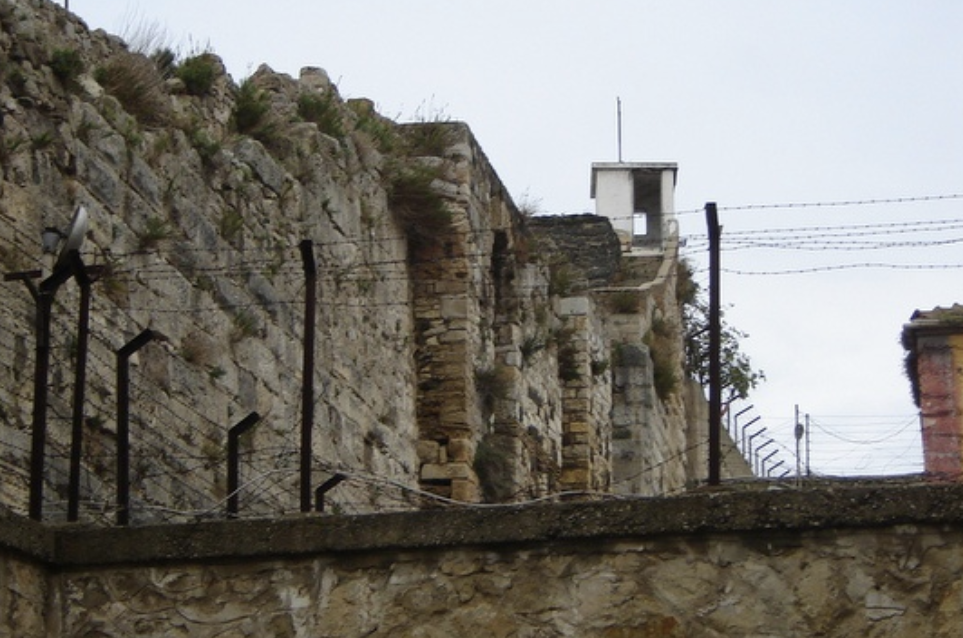
The ICJ is calling on the Turkish Parliament to extend the planned provision of alternatives to detention in response to the COVID-19 crisis to all those imprisoned for non-violent crimes who do not pose a current threat to members of the public, regardless of the nature of the offences for which they have been charged.
In particular, alternatives to detention should apply to all those detainees who are particularly at risk at losing their life or suffering severe health effects from COVID-19.
Measures to protect the right to life, the right to health and other human rights must apply equally and without discrimination in line with Turkey’s international legal obligations.
The government have announced the tabling of a draft law to reduce the prison population that has been under discussion in recent months. The process has been accelerated with the purported aim of addressing the serious health risk that an outbreak of COVID-19 contagion would pose to the prison population. However, the draft law has not been adapted to address the health crisis and contains several shortcomings.
The new measures would grant alternatives to detention, including house arrest or early parole to an estimated one-third of the prison population.
This welcome move is however limited by the exclusion of those convicted or under trial for terrorism offences or offences against the State.
“In Turkey, terrorism offences and offences against the State have long been abused to arrest, try and jail human rights defenders, lawyers, judges and political opponents,” said Massimo Frigo, Senior Legal Adviser for the ICJ Europe and Central Asia Programme. “The rights to life and health of these groups are now at particular risk.”
The ICJ considers that it is also essential that all detainees who are members of a group whose life or health may be at risk because of COVID-19 have either access to alternatives to detention, if they do not pose a current threat to public safety, or, otherwise, to detention conditions that may preserve them as far as possible from such risk.
“The State has a non-derogable obligation to protect the right to life of all its prison population, without discrimination of any sort,” Massimo Frigo added.
Mar 26, 2020 | News
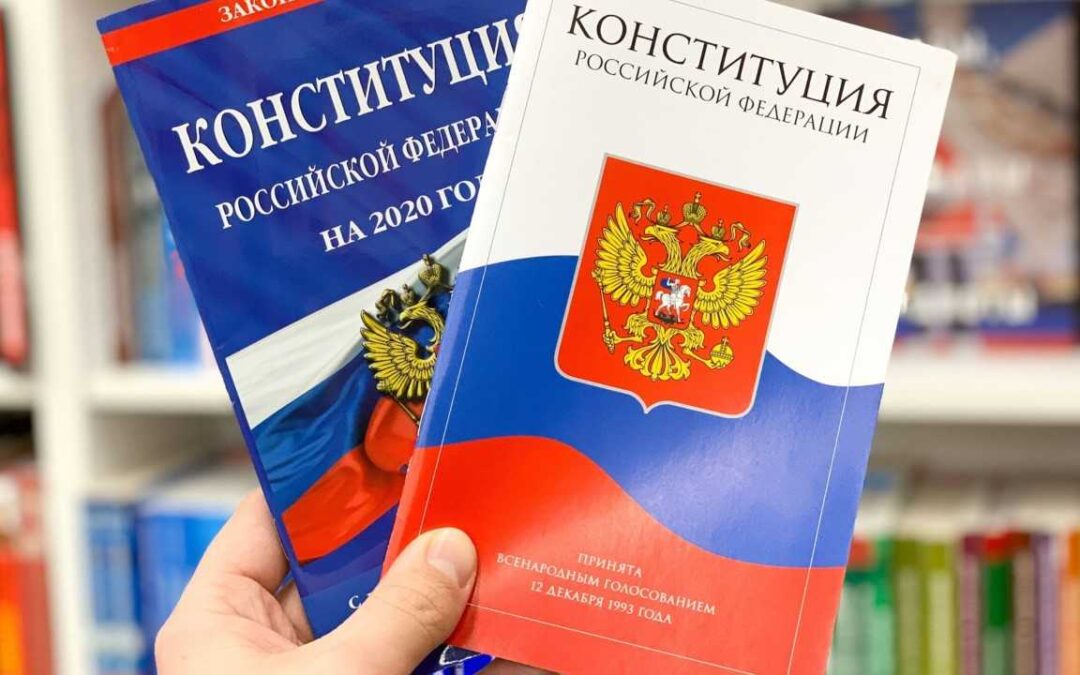
Following the decision to postpone a referendum on amendments to the Russian Constitution, the ICJ calls on the authorities of the Russian Federation to refrain from adoption of the amendments or revise those amendments which are likely to have a detrimental effect on the rule of law and human rights protection.
“Amongst the wide range of amendments proposed, are some that would restrict the implementation of international human rights law, and in particular the decisions of international human rights courts, in the Russian Federation,” said Róisín Pillay, Director of the Europe and Central Asia Programme of the ICJ.
“Other amendments would damage the independence of the Russian judiciary through changes to judicial appointments and dismissal procedures.”
The ICJ draws attention to these issues in a briefing paper on certain amendments to the Constitution of the Russian Federation, published today.
“We urge the Russian authorities to use the opportunity presented by the postponement of the referendum, to reconsider amendments that would damage the ability of the justice system to provide an effective remedy to people whose human rights have been violated,” added Pillay.
Background
On 15 January 2020 the President of the Russian Federation announced a decision to introduce more than forty amendments to the Constitution adopted in 1993. They are to be adopted through an extraordinary procedure which includes public vote, organised specifically for these amendments.
The amendments touch upon a range of issues not necessarily connected with each other. They among other things erode the role of international law and tribunals as well as weaken the independence of the national judiciary.
On 25 March, Russian Federation President Vladimir Putin announced that a planned referendum on the constitutional amendments would be postponed due to COVID-19.
This ICJ briefing paper analyses how these amendments may run contrary to international commitments of the Russian Federation and further impede the judicial independence. The briefing paper addresses three particular changes proposed to the 1993 Constitution:
- The role of international law and of decisions of international courts or other mechanisms (Article 125 of the Constitution)
- Appointment of judges (Article 83 of the Constitution)
- Procedures of appointment and removal for judges (Articles 83, 102 and 128 of the Constitution).
Full Briefing Paper (in PDF): Russia-constitution changes-Advocacy-Analysis Brief-2020-ENG
Feb 28, 2020 | News
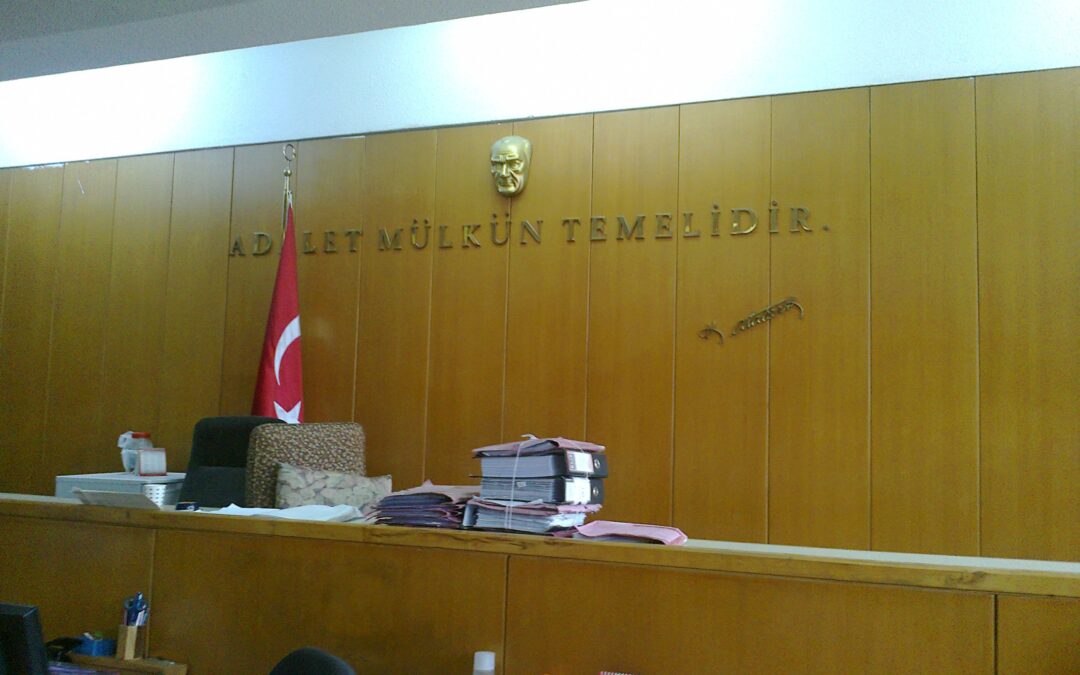
The ICJ and the International Bar Association’s Human Rights Institute (IBAHRI) urge the Turkish Council of Judges and Prosecutors (CJP) to stop their investigation into the three judges of the Istanbul 30th Heavy Penal Court who, on 18 February 2020, acquitted the defendants in the Gezi Park trial due to a lack of evidence.
According to a statement from 30 Turkish bar associations, the sole reason for the investigation was the acquittal in the Gezi Park trial. The Council of Judges and Prosecutors, the body of self-governance of the judiciary, has the power to launch and take disciplinary action against judges, including disciplinary proceedings leading to removal from office.
“The launch of such an investigation is a further sign of the grave decline of the rule of law in Turkey”, said Massimo Frigo, Senior Legal Adviser for the ICJ Europe and Central Asia Programme “The disciplinary proceedings against these judges appear to be a direct interference in their decision-making power and will have a chilling effect on the independence of all members of the judiciary.”
“The role of the Council of Judges and Prosecutors should be to protect the independence of the judiciary – not to be an instrument of control and pressure against individual judges” said Massimo Frigo.
IBAHRI Co-Chair, the Hon Michael Kirby AC CMG, commented: “The IBAHRI and the ICJ jointly welcomed the acquittal of Osman Kavala and the other 15 defendants. Now, we condemn the re-arrest of Mr Kavala, continue to stand with the defendants, and call for Mr Kavala’s immediate release. We implore the Turkish Council of Judges and Prosecutors to reconsider the hugely damaging impact their inspection of the judges will have on the principles of judicial independence and the rights of lawyers, and to cease all action in this respect.”
The launch of this investigation occurred immediately after the acquittals in the Gezi trial, spurred by the vehement public protests by President Erdogan against the verdict.
30 Turkish Bar Associations have issued a statement calling for the resignation of the members of the Council of Judges and Prosecutors and considered this investigation as a violation of the principle of judicial independence under the Turkish Constitution.
Background
The defendants in the Gezi trial – with the exception of those not present in Turkey who will be tried separately – were acquitted on 18 February for lack of evidence. The ICJ and IBAHRI welcomed the acquittal after having observed all hearings of the trial. The very evening of the verdict, one of the defendants, Osman Kavala, was re-arrested on suspicion of “attempting to disrupt the constitutional order” connected to the failed coup attempt of 2016.
Osman Kavala has been in detention since 18 October 2017 pending trial on charges connected to the Gezi Park protests. The Gezi Park protests began in May 2013 as an effort by a group of environmentalists to save a park in central Istanbul from being rezoned, but soon grew into nationwide demonstrations. Police quelled the protest in Taksim Square with the use of tear gas and water cannons.
Contact:
Massimo Frigo, ICJ Senior Legal Adviser – e: massimo.frigo(a)icj.org – t: +41229793805
Feb 13, 2020 | News
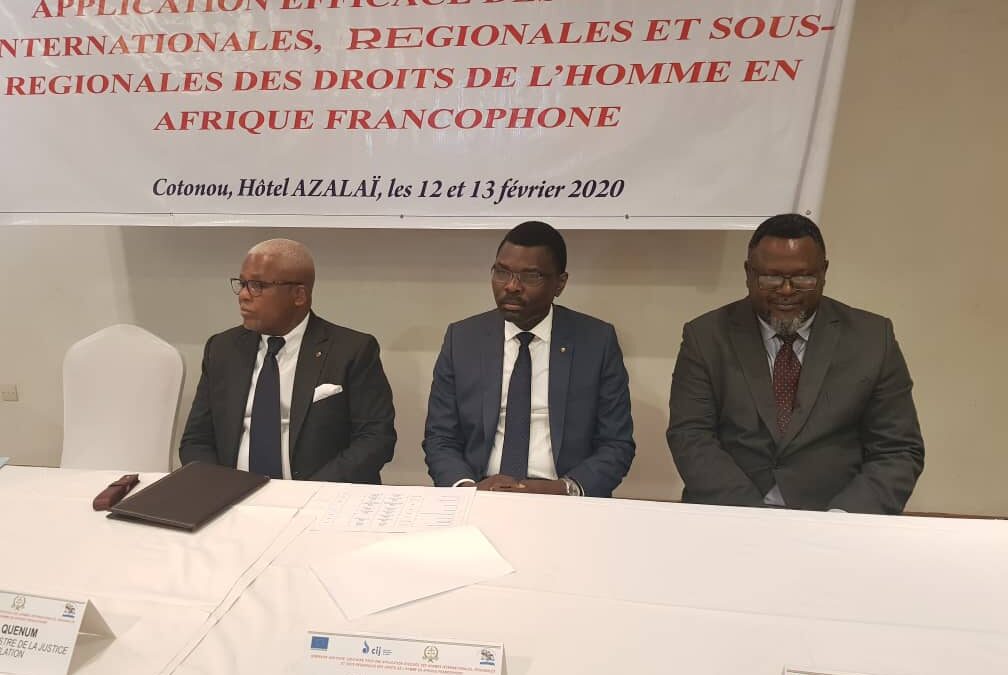
From 12-13 February, the ICJ, in collaboration with the Supreme Court of the Republic of Benin and the African Association of the Francophone Higher Jurisdictions, hosted regional judicial dialogue and training for effective implementation of human rights in francophone Africa in Cotonou.
The President of the Constitutional Court of Benin, Justice Joseph Duogbenou, the Vice President of the ECOWAS Community Court of Justice, Justice Ouattara Gberi Be and the President of the High Court of Benin, Lady Justice Marie Cecile de Dravo Zinzindohoue were among the participants.
Judges and other jurists representing the Supreme Courts and Constitutional Courts of Benin, Burkina Faso Cameroon, DR Congo, Gabon, Guinea, Côte d’Ivoire, Mali, Niger, Senegal and Togo also participated.
President Patrice Talon, who was represented by the Minister of Justice and the Legislature, M. Maxime Ouenum, opening the ceremony, noted that ‘fundamental rights and freedoms are binding on legislative, executive and judicial authorities because of the Constitutional, Conventional and National protection they enjoy’. They therefore ‘create obligations on states and on those who act on behalf of states, they cannot be ignored, denied or discarded’.
President of the Supreme Court of Benin, M. Ousmane Batoko emphasized the need to strengthen the capacity of judges for a more effective application of international human rights law in domestic adjudication. According to Justice Batoko, ‘The judge is at the very heart of the day to day construction and perpetuation of international human rights law.
‘’The protection of human rights goes beyond international and national legislation, and requires active protection by judges in the court rooms across Africa‘‘ said Arnold Tsunga, ICJ’s Africa Regional Director. He expressed hope that the dialogue would help to ensure that African peoples enjoy their human rights in totality. “The architecture for the protection of human rights can only be effective when national judges are equipped to play the very vital role that they have as the first layer of protection available to victims of human rights violations,“ Tsunga added.
At the end of the two-day programme which included lectures and judicial conversations, participants adopted a communique in which they affirmed their continued commitment to the promotion and protection of human rights in Africa expressing a desire for such colloquia to be held more frequently in order to build the capacity of the judiciaries in West Africa.
Contact
Arnold Tsunga, ICJ Regional Director for Africa, t: +27 716405926 or +263 777 283 249: e: arnold.tsunga@icj.org
Solomon Ebobrah, Senior Legal Adviser (ARP), t: +234 803 492 7549, e: Solomon.ebobrah@icj.org
Jan 25, 2020 | News
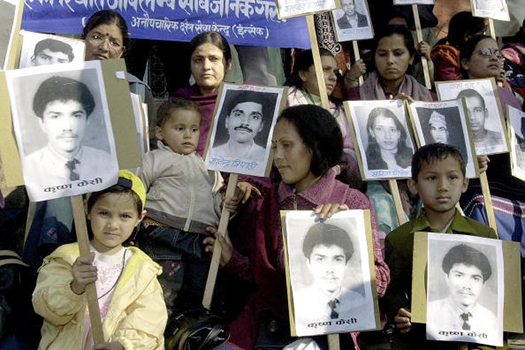
Recent steps taken by the government are a serious setback on Nepal’s transitional justice process, the ICJ, Amnesty International, Human Rights Watch and TRIAL International said today.
The organizations expressed concern about the decision to appoint commissioners to the two transitional justice commissions without adequate consultations, and without amending the legal framework to make it consistent with international human rights law and Supreme Court of Nepal rulings.
“Nepal’s political leaders know that a transparent process is essential to ensure justice and accountability for egregious rights violations during the conflict, but they keep trying to protect those responsible for the abuses,” said Meenakshi Ganguly, South Asia director at Human Rights Watch. “If the political leadership continues to evade responsibility, they leave little choice but for victims to approach courts outside the country.”
On January 18, 2020, a five-member committee formed by the government to recommend names for commissioners for the Truth and Reconciliation Commission (TRC) and the Commission on the Investigation of Enforced Disappeared Persons (CIEDP) submitted its nominations. The committee sent the names forward despite longstanding demands by victims’ groups and civil society for the government to first amend the transitional justice legal framework to ensure that it complies with Nepal’s international obligations and is responsive to victims’ concerns.
Instead, the Ministry of Law, Justice and Parliamentary Affairs on January 13 hastily convened provincial consultations on the transitional justice laws lasting just three hours, which allowed little time for meaningful participation by victims’ groups and civil society.
“The government’s decision to carry out another rushed and secretive set of consultations fails to give due respect to the long-standing demands of victims and civil society,” said Frederick Rawski, ICJ’s Asia-Pacific Director. “It also makes it very difficult to take seriously the statements of political leaders that they are committed to supporting a victim-centred and human rights compliant process.”
Victims’ groups and human rights organizations have rejected these appointments and consultations, and have reiterated that they will not support a transitional justice process that is opaque, non-consultative, and undermines the victims’ right to truth, justice and reparations.
In addition, in its secretariat meeting earlier this week, the Nepal Communist Party (NCP) nominated Agni Sapkota as the speaker of the Federal Parliament. Sapkota, a member of parliament and the party standing committee, has been accused of responsibility for the abduction and killing of Arjun Lama in 2005 in Kavre. The case is the subject of proceedings including before the Supreme Court of Nepal.
NCP should reconsider Sapkota’s nomination as speaker of the parliament until there is a thorough and independent investigation, the organizations said.
“Nepal authorities should not appoint to high office people that are under investigation for human rights abuses, when they could interfere with that investigation,” said Audrey Oettli, Program Manager at TRIAL International. “Such appointments are yet another illustration of the government’s unwillingness to demonstrate a basic commitment to holding perpetrators of conflict-era rights abuses accountable.”
In March 2008, the Supreme Court directed the police to register a case against Sapkota for abducting and killing Lama and to carry out an investigation. The police did not comply. In 2010, Australia and the US rejected visa applications from Sapkota in light of the allegations of serious human rights violations.
When Sapkota was appointed information communication minister in May 2011, the UN Office of the High Commissioner for Human Rights issued a statement expressing concern, saying that states have a responsibility “to ensure that the name of a person is fully cleared following a thorough investigation before any appointment to a high public office is announced.”
The ICJ, Amnesty International, Human Rights Watch and TRIAL International have repeatedly expressed concern about the transitional justice process. An effective transitional justice system requires strong legal foundations consistent with international law and standards, and the political will to address the demands of victims of the conflict, the organization said.
Concerns raised about the legal framework include: disparities between the definitions of specific crimes under international law and human rights obligations and violations under national, and international law; inadequate provisions to ensure that serious crimes under international law are subject to criminal accountability, including punishment proportionate to the seriousness of the crimes; and a reliance on compensation at the expense of other forms of reparation and remedy for conflict survivors and their families.
The government should amend the the 2014 Transitional Justice Act to make it consistent with the Supreme Court’s rulings and international human rights standards, the groups said. It should initiate a genuine consultative and transparent process for the appointment of commissioners. And it should conduct credible and impartial investigations instead of appointing people accused of conflict-era crimes to high public offices.
“The government and the political parties in Nepal are increasingly showing that they are unwilling and incapable to deliver truth, justice and reparations to the conflict victims domestically,” said Biraj Patnaik, South Asia Director at Amnesty International. “Their signal of impunity will further push the victims and activists to seek justice internationally under universal jurisdiction. Instead of putting those suspected of criminal responsibility into positions of power, the government should bring them to justice in fair trials.”
To download the statement in Nepali, click here.
Contact
- Frederick Rawski, ICJ Asia-Pacific Director, e: frederick.rawski(a)icj.org, +66 644781121
- Biraj Patnaik, Amnesty International, South Asia Director, e: biraj.patnaik(a)amnesty.org, t: +94 716123280
- Meenakshi Ganguly, HRW, South Asia Director, e: gangulm(a)hrw.org
- Audrey Oettli, TRIAL International, Program Manager, e: a.oettli(a)trialinternational.org