Oct 6, 2015 | News
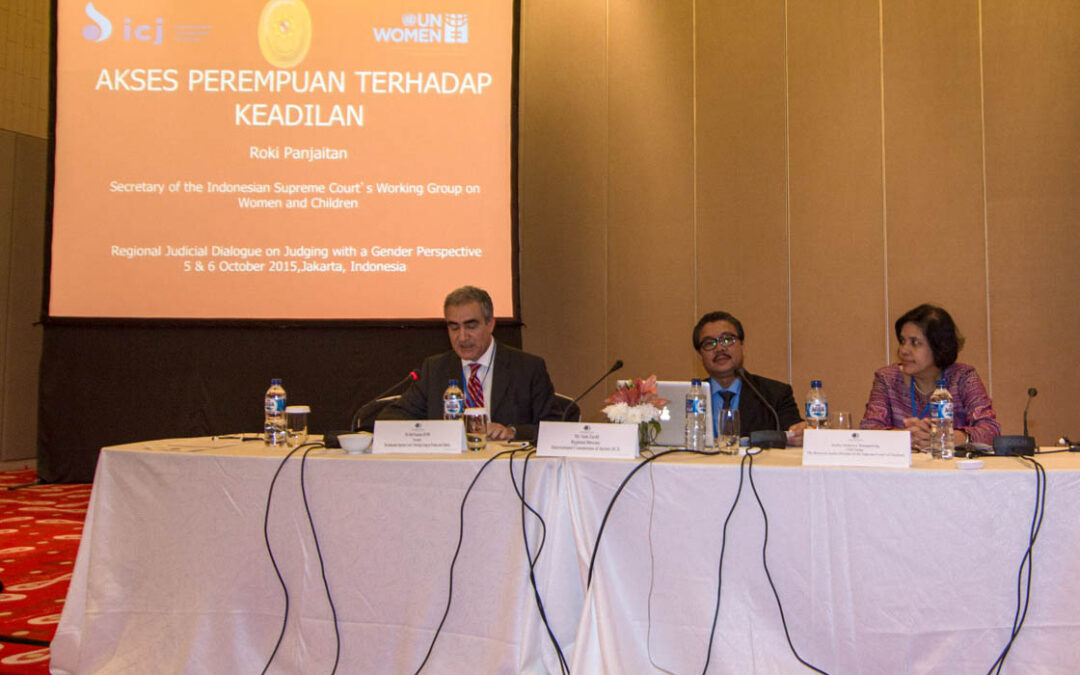
Judges and representatives of judicial training institutions from 9 countries across Southeast Asia gathered in Jakarta, Indonesia, to discuss how judicial decision-making can be further strengthened from a gender perspective.
A two-day event (5-6 October 2015), this judicial dialogue, entitled Regional Judicial Dialogue on Judging with a Gender Perspective, was organized by the ICJ, in collaboration with the Supreme Court of Indonesia and UN Women.
Participants discussed key topics such as initiatives of various courts in Southeast Asia that promote and protect women’s human rights, what are gender stereotypes and how gender stereotyping could be avoided in judicial decisions.
Speakers from the Supreme Court of Mexico were invited to speak about the initiative taken by the judiciary in the country to establish a protocol on judging with a gender perspective.
Senior judges from courts in Southeast Asian countries attended the event: Justice Dr. Takdir Rahmadi of the Supreme Court of Indonesia, Justice Suntariya Muanpawong, Chief Judge of the Research Division of the Supreme Court of Thailand; Justice Teresita De Castro of the Supreme Court of the Philippines, Justice Maria Natercia Gusmao Pereira of the Court of Appeal of Timor Leste; and Ms. Natalia Calero Sanches and Ms. Macarena Saez of the Mexican Supreme Court.
This dialogue is aimed at strengthening the participants’ ability to make decisions based on the rights to equality and freedom from discrimination.
UN Women also launched an online interactive platform that seeks to enhance dialogue among judges, prosecutors, court personnel, judicial training institutions, women’s machineries, scholars and other experts in the region.
The platform called, “Equality for All: community of change makers”, will enable users to access tools such as e-discussion forums, blogs and quick fact sheets that offer tailored learning solutions.
Oct 1, 2015 | News
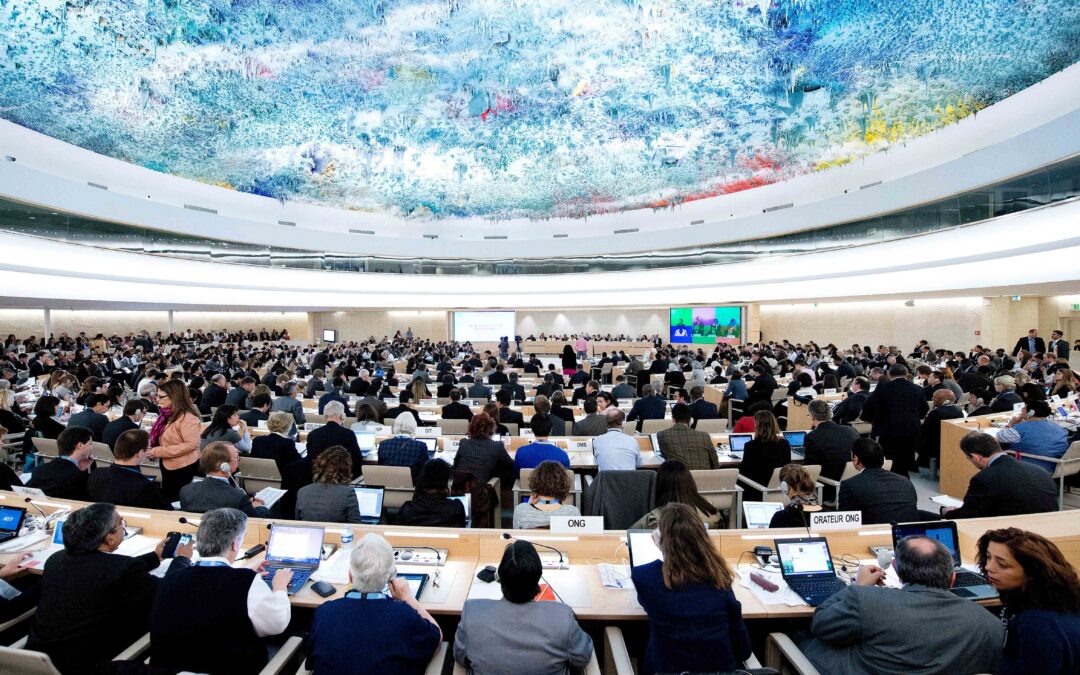
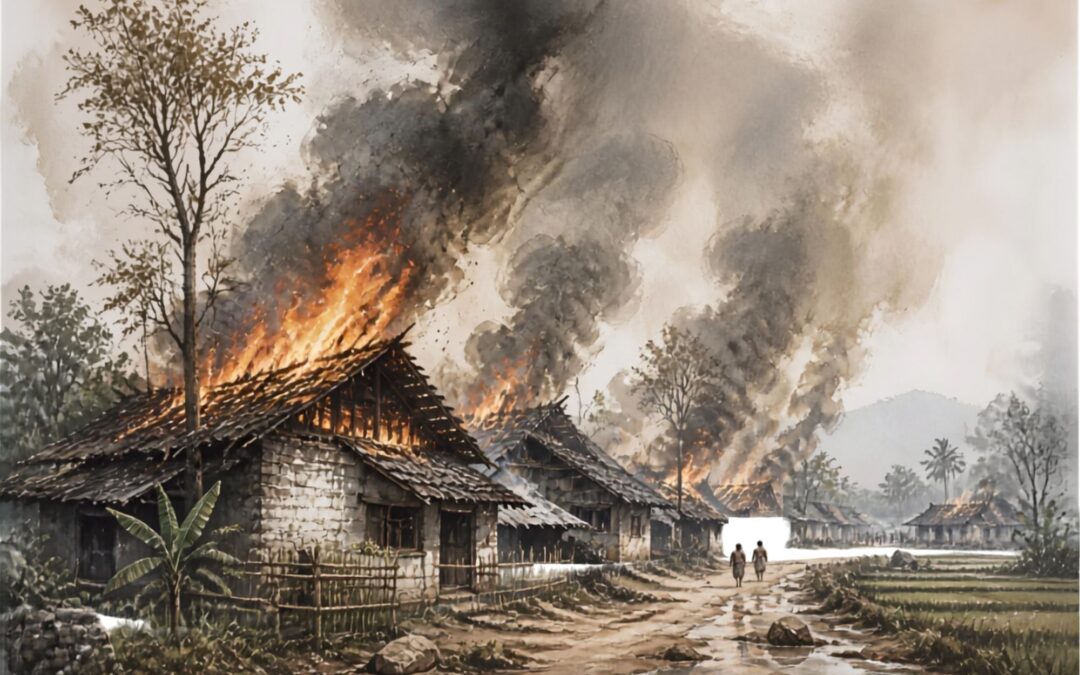
The ICJ today welcomed the adoption by the UN Human Rights Council of a further resolution on promoting reconciliation, accountability and human rights in Sri Lanka.
The resolution, co-sponsored for the first time by the Government of Sri Lanka (GOSL), is a historic step towards post-war justice, accountability and reconciliation.
The ICJ at the same time called on the GOSL to take genuine and prompt steps to deliver on the commitments and obligations reflected in the resolution, which was adopted by the UN Human Rights Council by consensus.
“Today’s resolution is a significant step towards achieving justice, accountability and reconciliation for the victims of Sri Lanka’s long and bloody civil war,” said Nikhil Narayan, ICJ’s senior legal adviser for South Asia.
“The shift in posture of the Sri Lankan Government in co-sponsoring the resolution marks a further welcome break from the Rajapakse regime. The Government must now demonstrate its political will by immediately launching concrete steps towards a genuine process of truth-seeking, justice and reconciliation,” he added.
The consensus resolution reflects certain key recommendations contained in the Report of the office of the UN High Commissioner for Human Rights (OHCHR) summarizing findings of the OHCHR Investigation on Sri Lanka (OISL), the ICJ notes.
The investigation and report was mandated by an earlier UN resolution on Sri Lanka, adopted in March 2014 over the strong objections of the Rajapakse government.
The report documents in vivid detail alleged serious violations and abuses of human rights and humanitarian law amounting to war crimes and crimes against humanity committed by both sides during the armed conflict in Sri Lanka, including extrajudicial killings, torture, enforced disappearances, forced recruitment, including of children, and sexual violence.
One of the most important recommendations of the High Commissioner for Human Rights called for an accountability process through a special judicial mechanism and prosecutor’s office that involves the full participation of international judges, prosecutors, lawyers and investigators.
Responding in part to this call, the resolution affirms the importance of participation of foreign judges, defence lawyers, prosecutors and investigators in an independent and impartial judicial mechanism to hold individuals accountable for human rights and humanitarian law violations, including those documented in the report.
The resolution also mandates further monitoring and reporting back to the Council on implementation of the accountability and other measures.
“The international community, through the UN Human Rights Council, the Office of the High Commissioner for Human Rights and Special Procedures, and other UN member states, must as the High Commissioner himself recommended, remain engaged through continued and sustained monitoring, assistance, support and fully integrated involvement of the international community to ensure full implementation of the resolution,” said Narayan.
Background:
The ICJ has worked with judiciaries, governments, civil society and victims around the world for decades to address impunity and victims’ right to remedy for violations of international human rights and humanitarian law, including in situations of transition.
In Sri Lanka, the ICJ has been documenting and reporting on a gradual erosion of judicial independence, impartiality and integrity under successive governments, and the resulting culture of impunity, for over thirty years.
The ICJ considers the International Criminal Court (ICC) to be the preferred mechanism for individual accountability where national authorities and courts lack the capacity or the willingness to genuinely investigate and prosecute all war crimes and crimes against humanity. In the absence of an ICC process, the ICJ’s extensive experience in Sri Lanka and elsewhere demonstrates that any credible and effective accountability process in Sri Lanka must involve, at a minimum, a majority of international judges, prosecutors and investigators.
The ICJ therefore advocated for and welcomed the resolution’s recognition of the need for international participation.
Since January 2015, when a new president was elected, the GOSL has undertaken a number of important steps to reverse the slide towards authoritarianism and the erosion of the rule of law and the culture of impunity experienced under the Rajapakse government, and restore democratic governance and build confidence towards reconciliation among Sri Lanka’s ethnic minorities, including by restoring the Constitutional Council through the passage of the 19th amendment to the Sri Lankan Constitution, and returning some tracts of military-occupied lands in the North and East.
However, after decades of war and distrust, and a history of promises undelivered, much work remains to be done to deliver justice to victims and their families, and to rebuild trust and confidence among Sri Lanka’s fractured ethnic minorities. Continued and sustained monitoring and engagement by the international community in ensuring the progress of the implementation of this resolution will be essential.
Equally importantly, today’s consensus resolution also reaffirmed the OHCHR’s recommendations on: the mandate and resources of the accountability mechanisms; legislating retroactive recognition of international crimes under national law; justice and security sector reform; repealing the Prevention of Terrorism Act (PTA); strengthening the Witness and Victim Protection Act; accession to the International Convention on the Protection of All Persons from Enforced Disappearances (CED), the Additional Protocols to the Geneva Convention, and the Rome Statute of the International Criminal Court; and continued monitoring of and technical support for implementation through the OHCHR and by the Council.
Contact
Nikhil Narayan, ICJ’s senior legal adviser for South Asia; t: +41 79 730 09 27; e: nikhil.narayan(a)icj.org

Sep 30, 2015 | Advocacy, Non-legal submissions
The ICJ today delivered an oral statement to the UN Human Rights Council, commenting on the landmark UN investigation and report on violations of human rights and humanitarian law in Sri Lanka.
The statement also welcomes recommendations for integration of international judges, prosecutors, lawyers and investigators into any accountability mechanism:
“The International Commission of Jurists (ICJ) welcomes the OHCHR Report on Promoting Reconciliation, Accountability and Human Rights in Sri Lanka (UN Doc A/HRC/30/61), which sets out the principal findings of the Report of the OHCHR Investigation on Sri Lanka (OISL Report, UN Doc A/HRC/30/CRP.2) documenting alleged serious violations and abuses of human rights and related crimes during the armed conflict in Sri Lanka. The ICJ commends the investigation team for its historic contribution towards reconciliation and the realization of victims’ rights in Sri Lanka.
The ICJ works with judiciaries, governments, civil society and victims around the world to address impunity and victims’ right to remedy for violations of international human rights and humanitarian law, including in situations of transition.
For over thirty years, the ICJ has documented and reported on a gradual erosion of judicial independence, impartiality and integrity under successive governments in Sri Lanka, and the resulting culture of impunity, including in the judiciary.[1]
The ICJ considers the International Criminal Court (ICC) to be the preferred mechanism for individual accountability where national authorities and courts lack the capacity or the willingness to genuinely investigate and prosecute all war crimes and crimes against humanity. In the absence of an ICC process, the ICJ’s extensive experience demonstrates that any credible and effective accountability process in Sri Lanka must involve, at a minimum, a majority of international judges, prosecutors and investigators.
The ICJ therefore welcomes the High Commissioner’s recommendation for a hybrid court and prosecutor’s office that fully integrates international judges, prosecutors, lawyers and investigators.
Also essential are the OHCHR recommendations on: mandate and resources of these mechanisms; legislating retroactive recognition of international crimes under national law; justice and security sector reform; repealing the Prevention of Terrorism Act (PTA); strengthening the Witness and Victim Protection Act; accession to the International Convention on the Protection of All Persons from Enforced Disappearances (CED), the Additional Protocols to the Geneva Convention, and the Rome Statute of the International Criminal Court; and continued monitoring of implementation through an OHCHR country office and the Council.
The ICJ welcomes that the tabled draft resolution explicitly recognises the need for international judges, prosecutors, lawyers and investigators. We call on the Council to adopt the resolution with, and call on the Government of Sri Lanka to urgently implement, these and other key elements of the recommendations of the High Commissioner’s Report in full.
[1] See, e.g., ICJ, Authority Without Accountability: The Crisis of Impunity in Sri Lanka (2012)
The statement can be downloaded in PDF format here: Sri Lanka-ICJ Oral Statement HRC-Advocacy-Non Legal submission-2015-ENG
Sep 24, 2015 | Advocacy, Non-legal submissions
The ICJ made an oral statement to the UN Human Rights Council in Geneva today, calling on the Maldives to accept and implement recommendations on human rights and the rule of law, including the independence of the judiciary, received as part of the UN Universal Periodic Review process.
The statement, which was also supported by the NGO South Asians for Human Rights (SAHR), may be downloaded in PDF format here: Maldives-UN-HRC30OralStatement-Advocacy-non legal statement-2015-ENG
The report of a joint ICJ-SAHR fact-finding mission to the Maldives, conducted earlier this year, is available here.