Jun 13, 2017 | Advocacy, Non-legal submissions
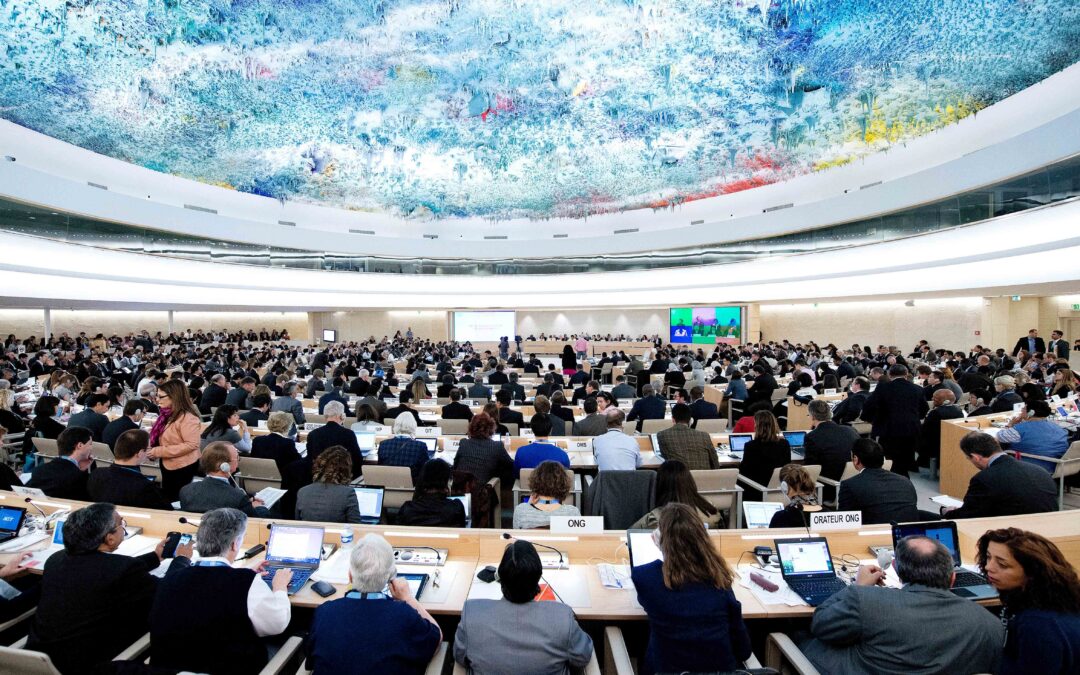
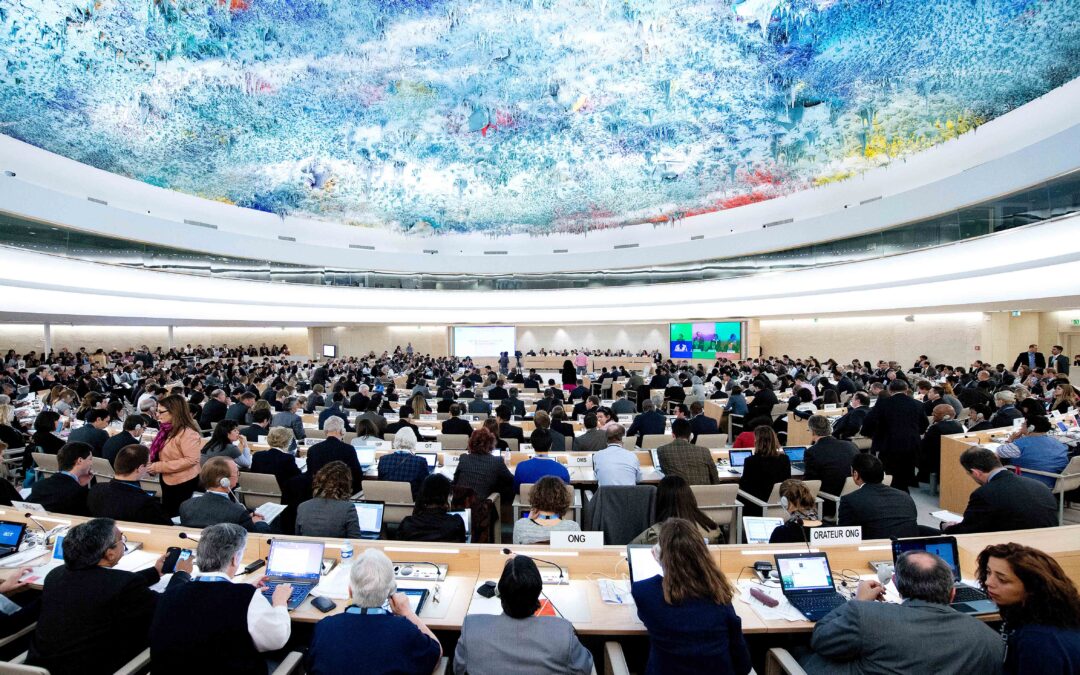
During a panel discussion at the UN Human Rights Council, the ICJ delivered an oral statement on the role of men and boys in eliminating violence against women by ensuring women’s access to justice for gender based violence.
The statement was delivered during the first panel of the Council’s annual full-day discussion on the human rights of women. The panel focused on accelerating efforts to eliminate violence against women by engaging men and boys in preventing and responding to violence against women.
The ICJ’s statement was as follows:
Violence against women is a widespread human rights abuse rooted in patriarchal societies and gender stereotypes that are harmful to everyone. As the panel have recognised, the international community cannot address the issue as though it is only a problem for women and we welcome the positive focus on the role of men and boys as beneficiaries and agents of change.
The ICJ remains concerned about women’s access to justice for gender based violence. Strong domestic laws, grounded in an international human rights framework, that are upheld by a robust and independent judiciary, are essential components of tackling the problem.
However, the ICJ has worked with lawyers, judges and civil society to assess the obstacles that continue to face women seeking justice for gender based violence and we know that laws alone are not enough. It must also be acknowledged that many laws are based on patriarchal norms and stereotypes that are intrinsically discriminatory against women seeking justice through the legal system.
Behavioural change is required in not only preventing violence against women but also in ensuring that justice is available to those that have been subject to this violence. Men have a pivotal role to play in working with women to ensure that a gender based perspective is applied to the way laws are accessed and implemented.
We applaud the panellists’ focus on engaging with men and boys to prevent harmful behaviours of violence against women from taking root.
However, we would like to ask what role panellists suggest men and boys have in:
a) ensuring that perpetrators are held accountable for their actions, and
b) in supporting the justice system in rehabilitating offenders to prevent further acts of violence, without compromising justice and services available to women?
In response to the ICJ’s statement the Special Rapporteur on Violence Against Women commented that structural problems impact on the effectiveness of laws.
Mr Abhijit Das noted that prosecution was only one means of addressing gender inequality and that engagement with men and boys needed to go beyond this to include the widest number of stakeholders possible, including those men and boys that do not perpetrate violence against women.
Mr Anthony Keedi noted that rehabilitation was a key component of addressing violence against women and must be at the heart of change to prevent cycles of violence from continuing.
The participants in the panel and discussion were:
- Chair: H.E. Mr Joaquin Alexander Maza Martelli, President of the Human Rights Council.
- Opening statement: Ms Kate Gilmore, UN Deputy High Commissioner of Human Rights provided an opening statement
- Keynote speaker: H.E. Ms Karen Ellemann, Minister for Equal Opportunities and Nordic Cooperation, Denmark
- Moderator: Ms. Lana Wells, Brenda Stafford Chair in the Prevention of Domestic Violence, University of Calgary, Canada
- Panellist: Ms Dubravka Simonovic, Special Rapporteur on violence against women, its causes and consequences
- Panellist: Mr Anthony Keedi, Masculinities Technical Adviser, ABAAD Resource Centre for Gender Equality, Lebanon
- Panellist: Mr Francis Oko Armah, Youth Activist, curious Minds, Ghana
- Panelist: Mr Abhijit Das, Co-Chair of MenEngage Alliance and Founder of Men’s Action for Stopping Violence against Women, India
Jun 12, 2017 | Advocacy, Non-legal submissions
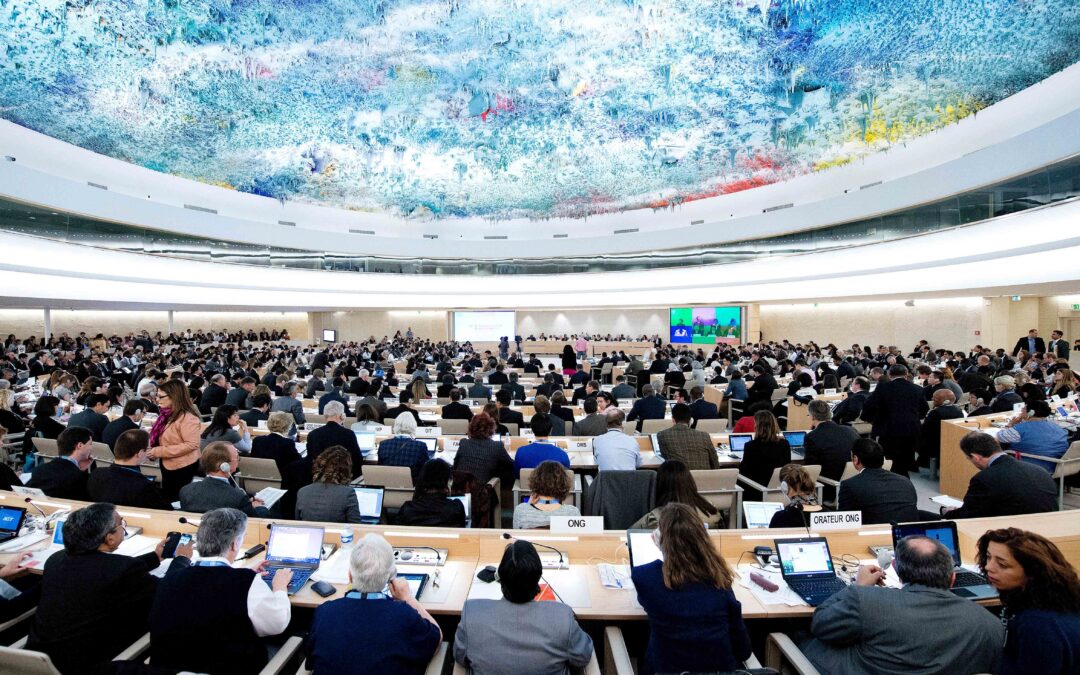
Speaking at the UN Human Rights Council, the ICJ today highlighted judicial corruption and threats to judges and lawyers in Turkey and Azerbaijan, as well as regressive steps on violence against women in the United States of America and Russian Federation.
The statement, delivered during the interactive dialogue with the UN Special Rapporteur on Independence of Judges and Lawyers and the UN Special Rapporteur on Violence against Women, was as follows:
“The ICJ warmly welcomes the new Special Rapporteur on Independence of Judges and Lawyers. As he has highlighted, ensuring judges are accountable for corruption and human rights violations, while respecting judicial independence, should be a global priority. Our Practitioners’ Guide on Judicial Accountability, published last year, should be of particular use to the Rapporteur and other actors in this regard.
Several situations serve as stark examples of other issues raised in his report. In Turkey, recent constitutional amendments give the President and Parliament control over the judiciary’s governing body. This has undermined the judiciary’s independence, already threatened by the mass dismissal of judges and the state of emergency. Lawyers and legal scholars, among others, are routinely dismissed or threatened by the authorities.
In Azerbaijan, the Bar Association is not independent and does not protect its members against undue interference with the exercise of their professional duties. Rather, it often serves as a tool of retaliation against independent human rights lawyers, including through disbarment proceedings that contravene international standards.
We would ask the Special Rapporteur for his views on the role his mandate can play in these and similar situations.
The ICJ also welcomes the report of the Special Rapporteur on violence against women.
Despite increasing global acknowledgement of the grave and systemic nature of violence against women, some States continue to introduce regressive legislation undermining protections for women. For example, the Russian Federation’s decriminalization of certain forms of domestic violence, and attempts in some parts of the United States of America to restrict availability of sexual and reproductive healthcare, particularly impact on victims of sexual violence. The Philippines’ President’s public statements disregarding the gravity of sexual violence are another example. The ICJ would ask the Special Rapporteur what can be done to prevent such backsliding?”
Jun 9, 2017 | Advocacy, Non-legal submissions
Today the ICJ delivered an oral statement on discrimination against women in access to justice at the UN Human Rights Council in Geneva.
The statement came during an interactive dialogue with the Working Group on the issue of discrimination against women in law and in practice. Ms Alda Facio, Chair of the Working Group, presented the Working Group’s latest report which highlighted examples of good practice in eliminating discrimination against women.
The ICJ stated as follows:
The ICJ would like to thank the Working Group for its report and welcomes its positive focus in highlighting examples of good practice, whilst continuing to note that discrimination against women remains a multifaceted and systemic problem.
The ICJ shares the Working Group’s concerns about the intense backlash against women’s rights gains in national, regional and international spheres. We are particularly concerned about the levels of discrimination women continue to face in accessing the justice required to uphold their human rights.
The ICJ has been working for a number of years, in different regions and with different stakeholders, to identify the discriminations women face in accessing justice and to consider the opportunities that can be used to address these discriminations. The importance of applying a gendered analysis to the law and the way that this is accessed and applied is essential to the elimination of discrimination in this area.
The ICJ supports the Working Group’s identification of the fundamental importance of incorporating international human rights standards into domestic legal frameworks to ensure gender equality protections. In the context of the 2030 Agenda, and with particular reference to Sustainable Development Goals 5 and 16, the ICJ encourages States to ensure that any laws and practices that discriminate against women in accessing justice are repealed, and to recall that any exceptions on the grounds of culture, religion or tradition are unacceptable.
Whilst discrimination against women in access to justice has been well documented and is by no means a new phenomenon, it is highly alarming that the problem is worsening in a number of states. The ICJ would ask that the international community remains vigilant about these potential regressions and commits to holding to account any States that fail to fulfil their international obligations to ensure access to justice for women.
Jun 1, 2017 | Advocacy, Open letters
The ICJ and other NGOs have jointly issued a checklist of key criteria for the selection and appointment of new members for the UN Working Group on the issue of discrimination against women in law and in practice.
The Human Rights Council will appoint four new members of the UN Working Group at its 36th regular session in September 2017. The deadline for applications of candidates expired on 1 June 2017.
The proposed criteria were developed by:
- Amnesty International
- Alkarama Foundation
- Global Initiative for Economic, Social and Cultural Rights
- International Commission of Jurists
- International Lesbian, Gay, Bisexual, Trans and Intersex Association
- International Service for Human Rights
- World Organization against Torture
The NGO’s called on States, NGOs and others, including relevant professional networks, to use the prepared checklist to identify eligible candidates, the strongest of whom should meet a substantial number of the criteria.
Joint NGO-Criteria UNWG Discrimination Against Women-Advocacy-Open Letter-ENG (criteria checklist, PDF)
May 29, 2017 | Multimedia items, News, Video clips
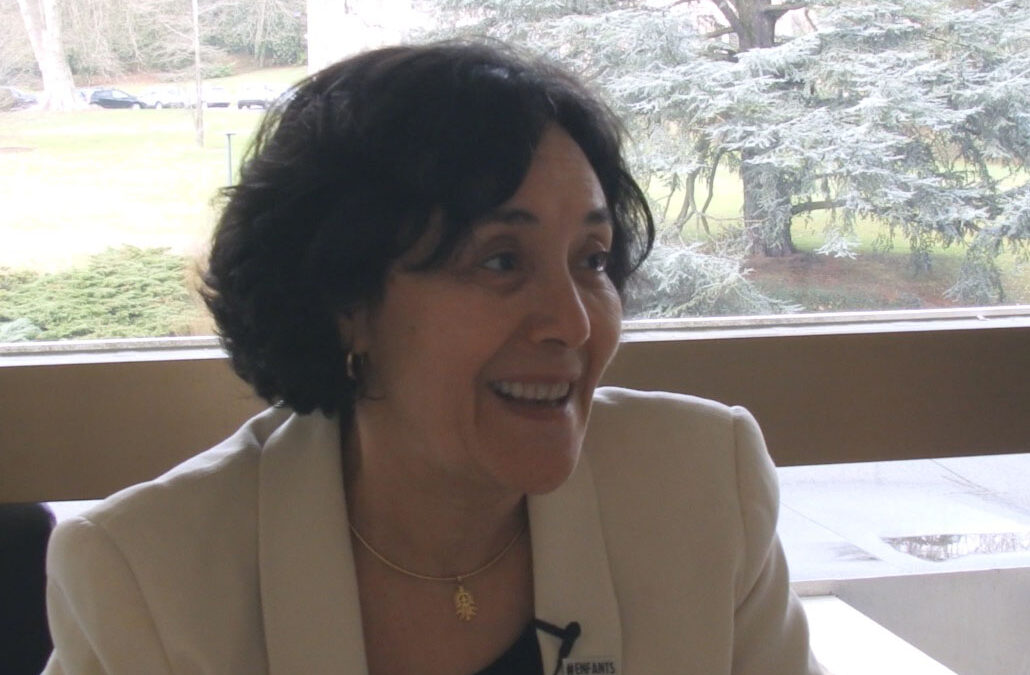
Honorary ICJ Member Leila Zerrougui speaks about the obstacles in accessing justice that women face, particularly in conflict settings, in the latest ICJ profile on women human rights defenders.
Professor Leila Zerrougui is an Algerian legal expert on human rights and administration of justice. She has served as a juvenile judge, judge of first instance, appeals court judge and was appointed to the Algerian Supreme Court.
She was the Deputy Special Representative of the Secretary-General and Deputy Head of the United Nations Stabilization Mission in the Democratic Republic of the Congo (MONUSCO) where, from 2008, she spearheaded the Mission’s efforts in strengthening the rule of law and protection of civilians. From 2012 to 2017 she served as Special Representative of the Secretary-General for Children and Armed Conflict.
Prof. Zerrougui explained that she was part of a first generation of women who had access to education in her country and that the opportunity to study law helped her to understand rights, how to exercise these and how to protect them.
When she started as a juvenile judge, the family code was very unjust for women, and she was motivated to try and fix these injustices.
Although confronted by occasional misogyny, Prof. Zerrougui considered that in some ways her gender enabled her to enjoy more opportunities when she started her career as there were so few female judges and male peers felt less threatened by her.
Prof Zerrougui said that throughout her career she has been supported by many men, but emphasized that it is important that men understand that gender issues are about the relationships between men and women and that it is in everyone’s best interests to promote gender equality in all aspects of life.
Among the many obstacles facing women in accessing justice, she cited administrative blockages, lack of knowledge about legal procedures, lack of financial means and family pressures and interference. Women without access to education or other public spaces, particularly those whose families do not support them, are totally disempowered.
Prof. Zerrougui said that as a judge she observed many cases were thrown out because those filing cases didn’t understand the legal procedures that were involved. She therefore decided to spend two hours every week taking part in a TV programme to explain these procedures to citizens in a way that they could access and understand.
Prof. Zerrougui has worked in many conflict settings and is known for her innovative methods. She said: “In many conflict settings, you don’t have justice. So it is not about how can you access justice, the system is not there.” Prof. Zerrougui went on to explain that in these settings it is first necessary to take justice to where the victims are.
In the Democratic Republic of the Congo, Prof. Zerrougui established mobile criminal justice courts, with an investigator, prosecutor and a mobile court and a prison in every Province. It was the first stage to bring justice to remote areas, and to allow the victim to face the perpetrators, sometimes high ranking military.
In this context, she explained how rewarding it was to see a colonel taken to the village where he and his solders had raped women and to face justice there. His victims were able to participate in the process and see him face justice and receive his sentence. The decision was then made to detain the perpetrator in a different area, where he would not have the influence to arrange his release.
Prof. Zerrougui explained that children are often victims of conflicts they have not instigated but, despite sometimes constituting as much as 50 or 70 per cent of the overall population in conflict zones, are frequently forgotten and left without a voice.
In her role as UN Special Representative for Children and Armed Conflict, she was involved with the Colombia peace process and the first agreement signed there was about releasing children and reintegrating them into their family or society rather than seeking punishment. However, she explained it is also vital to ensure that perpetrators of abuses against children are punished.
Prof. Zerrougui encouraged more young women to think about working in human rights and said: “just choose the space when you have the opportunity to get it, don’t think about all the obstacles, it’s good to know them but not stop at that, and you will achieve results, the recognition will come.”
She added that this work is important, “because without human rights defenders, without people that dedicate their lives, their careers, to defend the most vulnerable, the voiceless, then the world becomes a jungle.”
Watch the interview:
The series of profiles introducing the work of ICJ Commissioners and Honorary Members on women’s rights was launched on 25 November 2016 to coincide with the International Day to Eliminate Violence against Women and the first day of the 16 Days of Activism Against Gender-Based Violence Campaign.