Mar 11, 2013
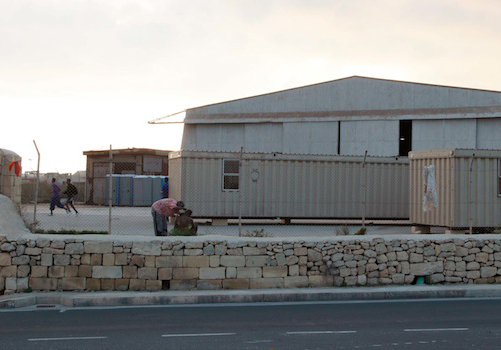 The ICJ has brought to the attention of the UPR mechanism issues concerning migration and asylum, criminalization of abortion and recognition of gender identity and marriage in Malta.
The ICJ’s submission comes ahead of the consideration of the human rights situation in Malta by the Human Rights Council’s Working Group on the Universal Periodic Review (21 October to 1 November 2013). It includes suggested recommendations to be taken up in the UPR of Malta.
Malta-UPR17-StakeholderSubmission-LegalSubmission-2013 (download full submission in PDF)
Malta-UPR17-AdvocacyNote-LegalSubmission-2013 (download short advocacy note in PDF)
Malta-UPR17-ComparisonChart (download comparison of ICJ suggested recommendations against UPR first cycle recommendations)
Feb 19, 2013 | News
The European Court of Human Rights today ruled that an Austrian ban on same-sex second-parent adoption is discriminatory.
The European Court of Human Rights delivered its judgment in the case of X and Others v. Austria and ruled that Austria’s Civil Code discriminates against a partner in a same-sex relationship by making it legally impossible to adopt the biological child of the other partner while permitting second parent adoptions for unmarried heterosexual couples.
The organisations that provided written submissions in this case (FIDH, ICJ, ILGA-Europe, BAAF, NELFA, and ECSOL) welcome this judgment and consider it a landmark judgment applying the European Court of Human Rights’ case law on equal treatment of unmarried couples to same-sex couples applying for second-parent adoption.
Children in same-sex families are highly vulnerable due to a lack of legal recognition and their inability to establish legal links to both of their parents.
Currently, second-parent adoption is possible in 11 European countries: Belgium, Denmark, Finland, Germany, Iceland, the Netherlands, Norway, Slovenia, Spain, Sweden and Great Britain. New legislation that would allow it is planned in France, Luxembourg and Switzerland. Moreover, as a result of the Court’s judgment, it would follow that the legislation of Austria, Andorra, parts of Bosnia and Herzegovina, Liechtenstein, Portugal and Romania should be amended to allow same-sex couples to apply for second-parent adoption, because these countries already permit unmarried heterosexual couples to do so.
Martin K.I. Christensen, Co-Chair of ILGA-Europe’s Executive Board:
“This is a very significant and important victory for rainbow families in Europe. We hope that this judgment will pave the way towards the removal of the remaining legal barriers for these families in Europe. The lack of recognition and the inability for partners in same-sex families to establish legal links to their children is not only discriminatory and creates a number of legal uncertainties, but also has a profound and detrimental impact on the everyday lives of these families and the wellbeing of the children in those families. The principle of the best interests of the child needs to be upheld without exception.”
Alli Jernow, Senior Legal Adviser, International Commission of Jurists, stated:
“With today’s decision, the Court clearly asserts that families are families, regardless of the sex of the parents, and that barriers to legal recognition and protection based on sexual orientation serve the interests of neither parents nor children.”
Souhayr Belhassen, President of FIDH, said:
“The Court recognised the right of a partner in same-sex couple to adopt another partner’s biological child when such adoptions are available for heterosexual couples. This is an important step forward towards the application of the principle of non-discrimination based on the sexual orientation and strengthening legal security and certainty for children. This ruling should guide not only domestic courts, but also the legislator in European states that have not yet amended their legislation in that direction”.
Juha Jämsä, the Vice-President of NELFA, said:
“This is an important day for European LGBT families. We feel very hopeful that this case will lead to our children’s rights gaining better recognition throughout Europe. No group of children should be discriminated against because of their parents’ sexual orientation, gender identity or gender expression”
Feb 6, 2013
 The ICJ is concerned by laws and legislative proposals in a variety of countries that severely threaten the work of lesbian, gay, bisexual and transgender (LGBT) persons and human rights defenders.
Ahead of the 22nd session of the Human Rights Council (25 February to 22 March 2013), the ICJ today submitted a written statement to the UN encouraging the Human Rights Council’s Special Rapporteur on the situation of human rights defenders to follow up on these laws and legislative proposals.
Pointing to unlawful restrictions on the freedoms of association and assembly, and the freedom of expression, in several countries, the ICJ encouraged the Special Rapporteur to:
- Call on governments to protect these rights for everyone and to ensure that any restrictions comply with the requirements of legality, of necessity and proportionality and of non-discrimination on all grounds; and
- In the case of laws or legislative proposals that fail to comply with these requirements, take appropriate action.
HRC22-Item3-HRDs-WrittenStatement-legal submission-2013 (download statement)
Dec 6, 2012 | News
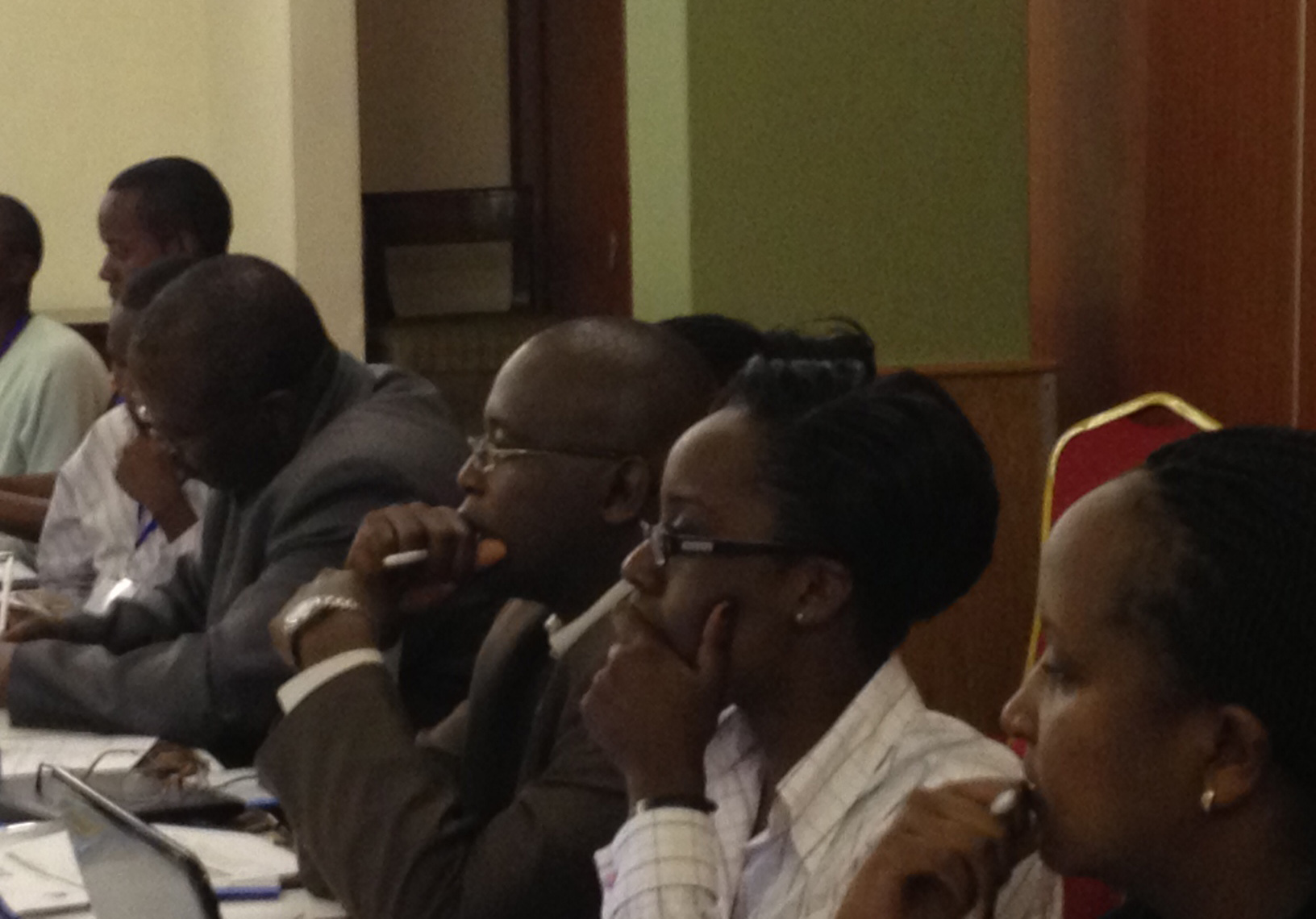 On 6 December 2012, the ICJ and ICJ-Kenya convened a roundtable entitled “LGBT Human Rights” in Nairobi.
The event brought together members of the Kenyan bar with LGBT human rights activists for a full discussion of criminal and constitutional law and international human rights standards, as well as possibilities for reform through either judicial or parliamentary processes.
The event was opened by Lawrence Mute, a former national human rights commissioner, signatory of the Yogyakarta Principles, and winner of ICJ-Kenya’s Jurist of the Year award.
Nov 30, 2012 | News
The ICJ condemns the reintroduction of Anti-Homosexuality Bill in the Ugandan Parliament. The bill has passed out of committee and is expected to come to a floor vote in early December.
According to reports from civil society organizations in Uganda, the bill still contains the death penalty for acts of “aggravated homosexuality.”
In addition, the Anti-Homosexuality Bill criminalizes the promotion of homosexuality, which is defined to include all advocacy activities.
“Adopting the Anti-Homosexuality Bill would be a serious threat to the human rights and human dignity of LGBT individuals and organizations,” said Alli Jernow, Senior Legal Adviser at the ICJ. “Under the Bill, not only might someone face life in prison or the death penalty for being gay, but human rights defenders would also be prevented from speaking out to challenge the law.”
Under the Bill, anyone in authority, such as a teacher or medical professional, who fails to report an offence to law enforcement within twenty-four hours, is liable to three years’ imprisonment.
The ICJ says the bill is dangerous and deadly and urges Parliament to reject it.
Parliament must also reaffirm the rights to non-discrimination, privacy, freedom of expression and freedom of association for all Ugandans, the ICJ adds.
The Anti-Homosexuality Bill has already been used to justify a general clampdown on civil society in Uganda.
Meetings and workshops have been disrupted and advocacy groups working on human rights have been threatened.
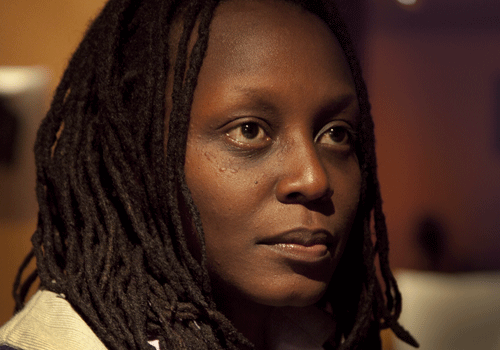
In February 2012, the Minister of State for Ethics and Integrity, Simon Lokodo, shut down a capacity-building session for LGBT activists organized by Freedom and Roam Uganda (FARUG) at a hotel in Entebbe and threatened to arrest FARUG’s executive director Kasha Jacqueline Nabagesera (picture above).
In June 2012, police raided a workshop for East African LGBT human rights defenders that had been organized by the East and Horn of Africa Human Rights Defenders Project and they detained participants for several hours.
Minister Lokodo also told the press that he was going to ban 38 organizations that were “sympathetic to LGBT people.”
“If adopted, the bill would clearly violate the human rights of all Ugandans,” Jernow added.
International human rights law, including treaties to which Uganda is a party, prohibit the criminalization of same-sex sexual conduct and forbid the imposition of the death penalty for non-violent conduct, including sexual relations between consenting adults.
International human rights law also guarantees the right of everyone, regardless of sexual orientation or gender identity, to freedom of expression, association and peaceful assembly.
Contact:
Alli Jernow, ICJ Senior Legal Advisor, t + 41 22 979 3823 ; e-mail: alison.jernow(at)icj.org