Sep 5, 2018
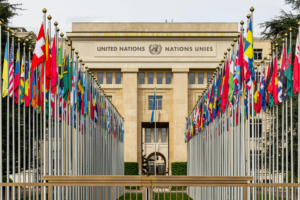
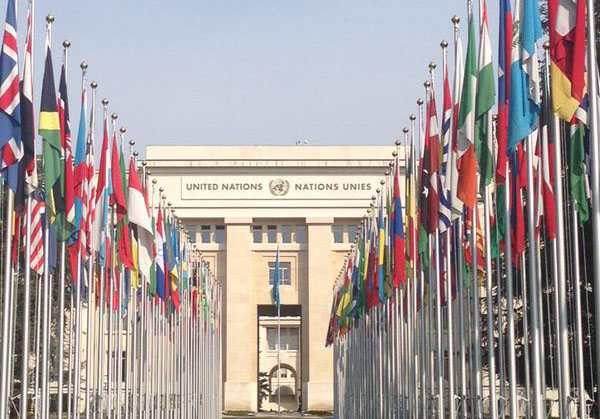
The ICJ, together with more than 750 other non-governmental organizations, has written to the new UN High Commissioner for Human Rights highlighting the important role of her office in speaking out for human rights and against governments that violate them.
The joint letter read as follows:
“As local, national, regional, and international civil society organizations from every corner of the world, we offer warm congratulations on your appointment as United Nations (UN) High Commissioner for Human Rights.
We are committed to a world in which every person enjoys human rights and dignity and in which our communities are fair, just and sustainable. We consider that a strong High Commissioner, working in strategic partnership with independent civil society, can contribute significantly to the realization of this vision.
You take up office at a time when human rights are under attack and when we risk the reversal of many of the achievements of the modern human rights movement. We look to you in these troubled times to be an unwavering voice in the defence of human rights, and of victims, rights-holders and human rights defenders around the world.
On every continent, the rights of individuals, communities and peoples are being violated and abused by governments and non-state actors, often with complete impunity. Civil society, peaceful dissidents, and the media are often brutally silenced. The role of your Office in ensuring robust monitoring of, and reporting on, such situations is essential for curbing violations and deterring further abuse, as well as for ensuring justice and accountability. Technical-assistance and capacity building by the OHCHR is also critical and, to be effective, should be approached holistically alongside a rigorous assessment of the rights challenges in the country, including through key indicators to measure progress and assess the degree of engagement and cooperation by the State.
As High Commissioner, you have a unique role to play in bringing country situations of concern to the attention of the UN Human Rights Council and other UN bodies, particularly situations that may not be on their agenda or which receive limited attention, often because of political pressure. This role should extend to providing briefings to the Security Council on situations either on its agenda or that, if left unattended, could represent a threat to international peace and security. Monitoring missions and inter-sessional briefings to the HRC can be initiated at the High Commissioner’s prerogative, on the basis of your Office’s universal mandate, bringing attention to neglected country situations and contributing towards the achievement of the Council’s mandate to prevent human rights violations.
We are aware that the position of High Commissioner comes with its own challenges. Many States will insist you avoid “naming and shaming” and push you to engage in “quiet diplomacy” and to respect national sovereignty. Often, those most intolerant of criticism and most forceful in suppressing dissent will speak the loudest in seeking to mute your voice. Survivors, victims and defenders on the front line in countries where their rights are being violated will rely on you as a human rights champion, to have the courage and conviction to call out violators clearly and publicly, even when it’s challenging or unpopular with governments.
Globally, the rights essential to civic space are being systematically undermined. Civil society and human rights defenders face severe daily risks in their struggle to defend human rights on the ground, including imprisonment, asset-freezes, defamatory campaigns, torture, enforced disappearance, and even death. Risks are also present in the UN context, where individuals frequently face intimidation, harassment or reprisals for their engagement with the UN. We urge you to be a staunch defender of the rights of defenders both on the ground and at the UN, to publicly call out violators, and to undertake or push for investigations into attacks and reprisals. We also encourage you to take full advantage of the distinct, often innovative complementary role of civil society to the work of the OHCHR, and ensure the Office works closely with civil society as a strategic partner at the national, regional, and international levels.
Currently, the human rights framework itself is under unparalleled attack. Authoritarian populists are attacking the universality of human rights, disproportionately and unlawfully restricting rights in the purported interests of “national security,” often tacitly or openly encouraging attacks by their followers or vigilantes on rights defenders as well as the vulnerable and poor, while selectively interpreting human rights and seeking to co-opt or subvert human rights mechanisms to suit their political agendas. Safeguarding and strengthening universal human rights norms and mechanisms should be a core responsibility of the High Commissioner.
The current climate highlights the need for a strong public advocacy role for your mandate in the defence of international human rights law and the international human rights system, as well as a strong role internally within the UN to mainstream respect for human rights throughout the work of UN organs and agencies, and within the Sustainable Development Agenda.
Once again, we congratulate you on your new role, and stand ready to support you and your Office in the fulfilment of your vital mandate.”
Sep 5, 2018 | Events, News
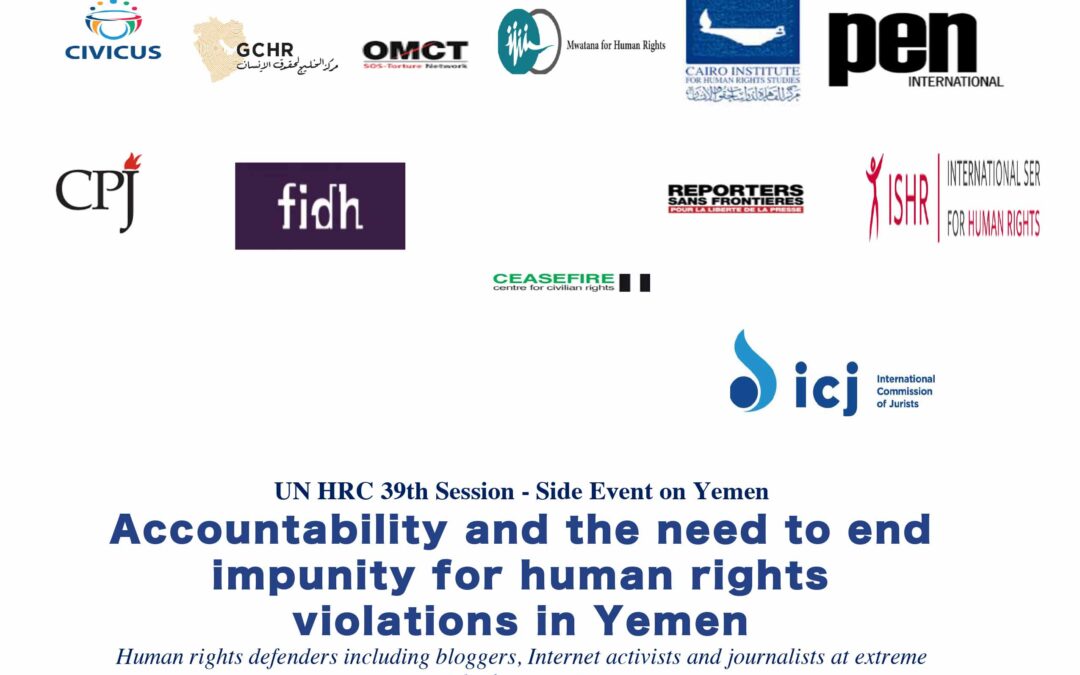
The ICJ will participate in the side event “Accountability and the need to end impunity for human rights violations in Yemen,” organized by the CIVICUS, FIDH, CIHRS in cooperation with Mwatana for Human Rights and the Gulf Centre for Human Rights (GCHR).
This side event at the Human Rights Council will take place on Monday, 10 September 2018 from 12:00 – 13:00 in room XXIV of the Palais des Nations.
The issue of human rights defenders including bloggers, Internet activists, and journalists who are at extreme risk of persecution will be discussed.
Speakers:
- Radhya Al-Mutawakel, Co-founder and Chairperson of Mwatana for Human Rights
- Khalid Ibrahim, Executive Director, Gulf Centre for Human Rights (GCHR)
- Vito Todeschini, Associate Legal Adviser, International Commission of Jurists (ICJ)
- Miriam Puttick, Head of MENA Programmes, Ceasefire for Civilians Rights
Moderator:
Antoine Madelin, International Advocacy Director, International Federation for Human Rights (FIDH)
Yemen-Side event at HRC-News-events-2018-ENG (download the flyer)
Jul 12, 2018 | Advocacy, Non-legal submissions
Today, the ICJ filed a submission to the Human Rights Council’s Working Group on the Universal Periodic Review in advance of its review of Cambodia’s human rights record in January/February 2019.
In its submission, the ICJ expressed concern about the following issues:
(1) Misuse of the law under the false pretext of the ‘rule of law’; and
(2) Lack of an independent and impartial judiciary.
The ICJ further called upon the Human Rights Council and the Working Group on the Universal Periodic Review to recommend to the Cambodian authorities to:
(i) Repeal or amend domestic laws to bring them in line with Cambodia’s international human rights obligations;
(ii) Repeal or amend domestic laws to ensure the independence of the judiciary and remove excessive powers granted to members of the Executive branch;
(iii) Abolish government-issued regulations or directives that contravene human rights protected under international human rights law;
(iv) Halt efforts to bring into force legislation drafted with the purpose of – or in any event –violating rights protected under international human rights law;
(v) End the prosecution of individuals on so-called lèse-majesté charges under the Cambodian Criminal Code and release individuals detained in connection with them;
(vi) End all use of legislation as a tool of harassment, intimidation or silencing of members of the political opposition, civil society, critical media, lawyers, prosecutors, judges and/or individuals;
(vii) Release all prisoners currently imprisoned or detained on politically motivated charges;
(viii) Uphold the right to fair trial of all persons, including of detained persons;
(ix) Take necessary measures to hold to account perpetrators of harassment, intimidation and violence against members of the political opposition, civil society, critical media, lawyers, prosecutors, judges and/or individuals for the legitimate exercise of their fundamental freedoms;
(x) Take necessary measures, in law and in practice, to guard against legal harassment of lawyers, prosecutors and judges on the basis of the political affiliations or agendas of their clients.
Contact
Kingsley Abbott, ICJ Senior Legal Adviser, e: kingsley.abbott(a)icj.org
Full submission in English (PDF) : Cambodia-UPR-Advocacy-Non legal-submission-July-2018-ENG
Jul 11, 2018 | Advocacy, Non-legal submissions
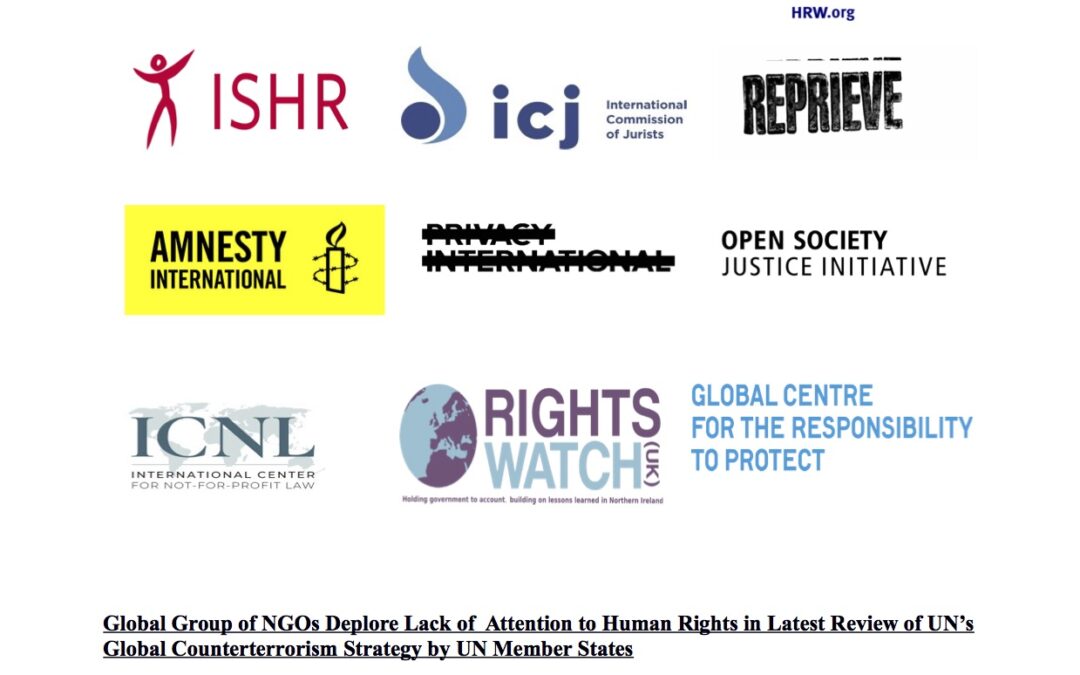
The ICJ today joined other civil society organizations in calling for respect for human rights, and protection of and participation by civil society, to have a greater role in the UN Global Counter-terrorism Strategy.
The joint statement by the organizations followed adoption by the UN General Assembly on June 26th, 2018 of Resolution 72/284, reviewing the United Nations Global Counter-Terrorism Strategy. The UN’s Global Counterterrorism Strategy, first adopted in 2006, sets out a plan of action for the UN and member states at the global, regional, and national level to counter-terrorism.
The organizations emphasise the value of a global counter-terrorism strategy where human rights are an essential component. It notes that the General Assembly resolution importantly reaffirms states’ obligations to comply with international law, including international human rights law, while countering terrorism and that human rights are the “fundamental basis of the fight against terrorism.”
The joint statement expresses concern at States’ failure to adequately address human rights abuses in relation to counter-terrorism measures. It also sets out concerns about member states’ failure to provide an enabling environment for civil society entities, including those relating to women, to be meaningfully engaged in the Strategy review.
The full statement and list of organizations joining it can be downloaded in PDF format here: UN-Advocacy-JointStatement-CounterTerrorismStrategy-2018
Jul 10, 2018 | Advocacy, Non-legal submissions
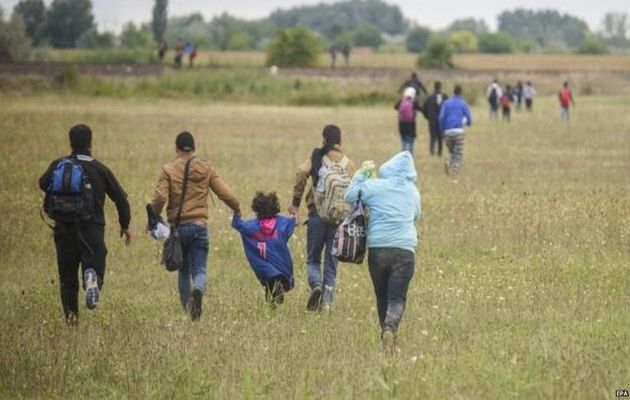
The ICJ has joined almost 180 other organizations in calling for the final draft of the UN Global Compact on Migration (GCM) to reflect strong legal protections for human rights.
Recognizing the potential of the GCM to protect migrants in irregular and/or vulnerable situations, civil society organizations are calling on all States to ensure that the final document truly lives up to the spirit of the New York Declaration for Refugees and Migrants.
The statement was presented to Member States and the GCM Co-Facilitators (the governments of Switzerland and Mexico) in an informal dialogue on Tuesday, 10 July.
The statement calls on States to address the following issues:
- Regular vs. irregular: The GCM must not include a distinction between migrants with regular status and those whose status is irregular which falls below human rights law, international labor standards and other international obligations.
- Non-Refoulement: The GCM must explicitly mention the principle of non-refoulement, which prohibits returning a person to a place where her/his life would be in danger. Including it is fundamental to ensure that migrants are provided with full live-saving protection.
- Vulnerable situations: The GCM must address the situation of vulnerable migrants, and it must not weaken protection for victims of natural disasters and climate change, who are not adequately addressed in the Global Compact for Refugees.
- Right to privacy: The final document must protect migrants’ right to privacy of personal information. Otherwise, the GCM risks preventing them from accessing certain social services and discouraging them from participating in data collection efforts, which are vital for migration management.
- Criminalization of migrants and those who assist them: The GCM must avoid all provisions and language that criminalizes migrants crossing an international border in search of safety or of people and organizations that support to them.
- Detention of migrant children: The GCM must include provisions towards ending the practice of detaining migrant children by explicitly mentioning the availability and accessibility of non-custodial and community-based alternatives.
- Implementation, review, and follow-up mechanisms: The Compact needs robust implementation, review, and follow-up mechanisms to ensure accountability and transparency in achieving its goals. Civil society organizations ask for a fully mandated partnership role in implementation and monitoring the GCM.
To be effective, the statement concludes, migration management must be credible not only to States, but also to migrants.
The statement is available in PDF format here: UN-Advocacy-JointStatement-Migrants-2018