Oct 2, 2017 | News
The ICJ, APT, OMCT, FIACAT, Redress, Amnesty, IRCT, and Alkarama have constructed a checklist for membership to guide the States parties to the Convention against Torture and Other Cruel, Inhuman or Degrading Treatment or Punishment in selecting five new members later this month.
See Checklist here:
Universal-CriteriaMembership-News-2017-ENG
Sep 28, 2017 | Advocacy, Uncategorized
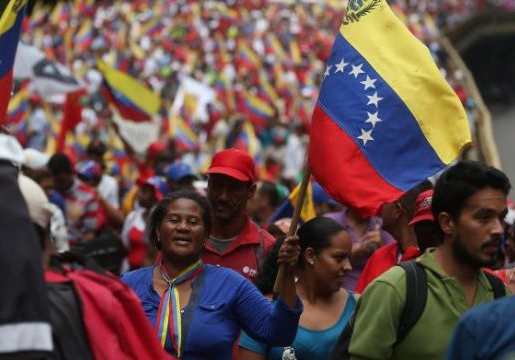
The ICJ today called on the UN Human Rights Committee and a group of UN Special Procedure mandates to take urgent follow up action on Venezuela in light of the grave and ever deteriorating human rights situation in the country.
In a letter to the UN Human Rights Committee, the treaty body responsible for monitoring implementation by States parties to the International Covenant on Civil and Political Rights (ICCPR), the ICJ called for urgent action by the Committee, either through its established follow-up procedure and/or through requesting a special interim report. The Committee’s follow-up procedure was referenced in the Committee’s Concluding Observations on Venezuela’s fourth periodic report under the ICCPR. Special interim reports may be requested by the Committee under Article 40(1)(b) of the ICCPR.
The ICJ also called for urgent action to be taken by the following UN Special Procedure mandates: the Working Group on Arbitrary Detention, the Special Rapporteur on freedom of opinion and expression, the Special Rapporteur on freedom of assembly and of association, the Special Rapporteur on the independence of judges and lawyers and the Special Rapporteur on torture and other cruel, inhuman or degrading treatment. This group of Special Procedure mandates had on 4 August 2017 issued a joint statement on the human rights situation in Venezuela.
The ICJ’s letters draw attention to several critical areas of concern:
- The rapidly deteriorating human rights situation;
- The lack of accountability of perpetrators of human rights violations;
- The lack of effective remedies and reparation for victims of human rights violations;
- The lack of independence of the judiciary;
- The institutional crisis arising from decisions of the Supreme Court of Justice;
- The unconstitutional election of the new National Constituent Assembly;
- The dismissal of the former Attorney General;
- The recent establishment of a ‘Truth Commission’;
- The intended revision of Venezuela’s Constitution; and
- Venezuela’s failure to notify its state of emergency under the ICCPR.
ICJ-Correspondence-VenezuelaFollowUp-HRCttee-2017-09-28 (download letter to the Human Rights Committee, in PDF)
ICJ-Correspondence-VenezuelaFollowUp-SPs-2017-09-28 (download letter to the Special Procedure mandates, in PDF)
ICJ reports:
Venezuela: the Supreme Court of Justice has become an arm of an authoritarian executive
Venezuela: rule of law and impunity crisis deepens
Venezuela: dismissal of Attorney General a further blow to the rule of law and accountability
Venezuela: Human rights and Rule of Law in deep crisis
Strengthening the Rule of Law in Venezuela
Sep 27, 2017 | News
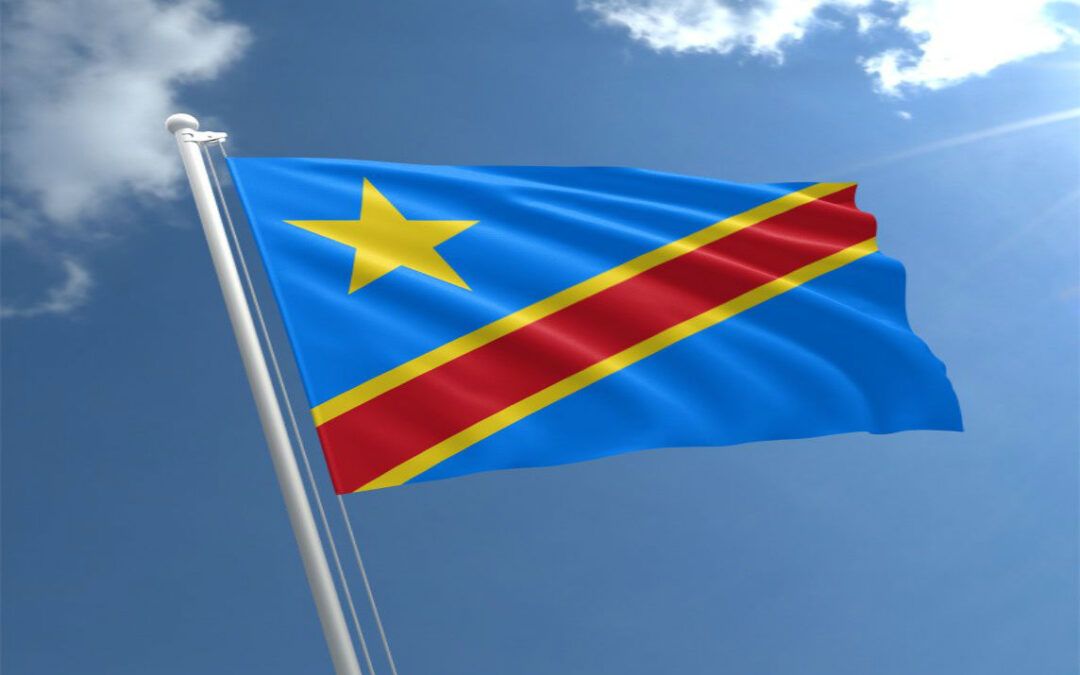
The ICJ has welcomed the recent decision of the African Commission on Human and Peoples’ Rights (ACHPR) on a recent decision found the Democratic Republic of Congo (DRC) responsible for the massacre of 70 people in Kilwa in 2004.
In its decision, the Commission not only urges the DRC State to pay 2.5 million US dollars compensation to eight victims and their families but also urges the DRC to prosecute Anvil Mining’s personnel involved in the massacre.
The African Commission also acknowledged the involvement of mining company Anvil Mining, an Australian-Canadian company (later bought by the Chinese company MinMetals) operating a copper and silver mine in Dikulushi, located 50 kilometers from Kilwa, that would
have provided logistical support to soldiers who bombarded civilians.
This decision sheds light on the corporate legal responsibility for human rights abuses, particularly in the extractive
industry sector, and suggests legal avenues for action against Anvil for alleged abuses.
Universal-KilwaMassacre-News-2017-ENG (full pdf ENG)
Sep 27, 2017 | Advocacy, Non-legal submissions
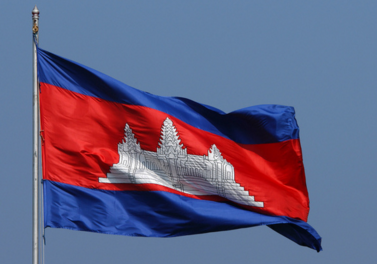
The ICJ today highlighted a sharp deterioration in the situation for human rights and the rule of law, in a statement to the UN Human Rights Council in Geneva.
The statement was delivered during the interactive dialogue with the Special Rapporteur on the situation of human rights in Cambodia, and read as follows:
“The International Commission of Jurists (ICJ) welcomes the report of the Special Rapporteur (UN Doc A/HRC/36/61) and strongly supports the renewal of her mandate.
Monitoring and action by the international community has seldom been more important for Cambodia since the Paris Peace Accords were signed in 1991.
Civil society, independent media and the political opposition are under sustained attack in what appears to be a carefully orchestrated effort to silence dissenting voices in the lead up to national elections in July 2018. Vague legal provisions in for instance the Law on Associations and Non-Governmental Organizations (LANGO) and the Law on Political Parties, are being weaponized to this end.
Human rights defenders and others, including the “ADHOC 4”, Ny Chakrya, Tep Vanny, Hun Vannak, Doem Kundy, and the President of the opposition party, Kem Sokha, face criminal charges with all the hallmarks of being politically motivated.
Prosecutors and judges lack independence and impartiality, and investigations routinely fall short of international standards, as in the case of the killing of political commentator Kem Ley.
Seeking to justify its actions, Cambodia frequently invokes the principle of the rule of law.
The ICJ, a global organisation of judges and lawyers, has worked for the rule of law for more than sixty years. The rule of law does not simply mean that laws exist and are enforced, but requires among other things: equal application of the law without discrimination, including due to political or other opinion, and ensuring that laws are only adopted and applied consistent with international human rights law.
What is happening in Cambodia today has nothing to do with the rule of law.
The ICJ would therefore ask the Special Rapporteur what further recommendations she has towards seeing the rule of law, as properly understood, truly reign in Cambodia.”
The Human Rights Council is expected to adopt a new resolution on Cambodia later this week. The ICJ and other non-governmental organisations have called for it to include additional monitoring and additional opportunities to discussion the situation at the Human Rights Council, before national elections scheduled for July 2018.
Sep 27, 2017
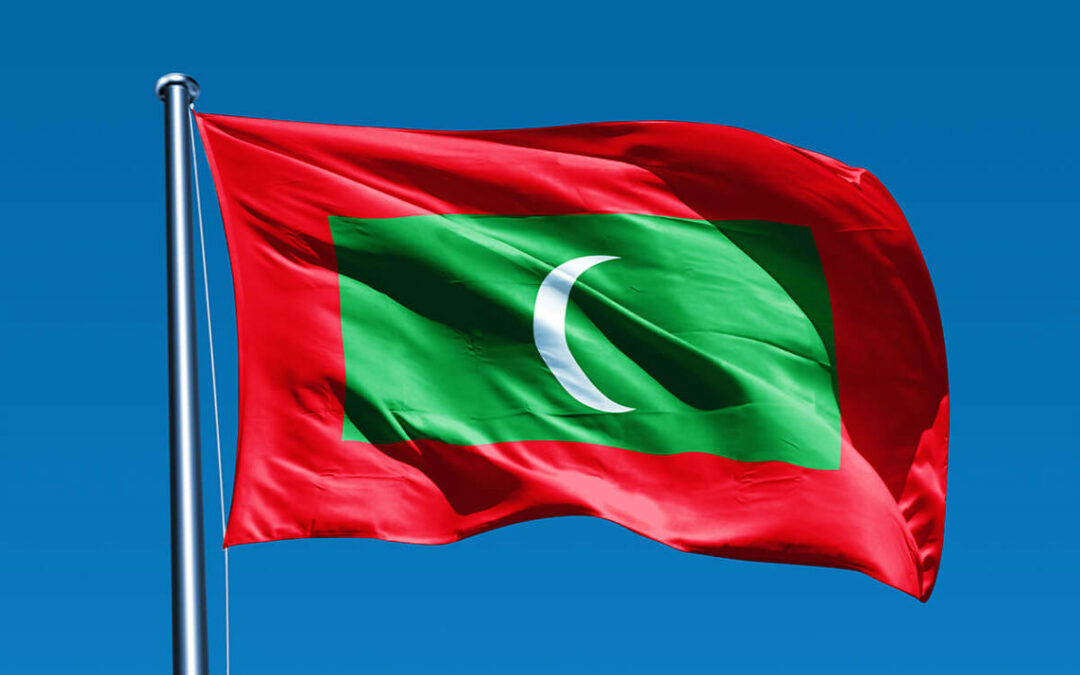
In an open letter, the ICJ called on the Supreme Court of the Maldives and the Department of Judicial Administration to revoke the summary suspensions of dozens of lawyers in the country.
On 10 September 2017, the Department of Judicial Administration (DJA), the administrative arm of the Maldivian judiciary supervised directly by the Supreme Court, suspended 54 lawyers without due process.
Their suspension follows a petition by 56 lawyers (two of whom were already under suspension) that called for reforms to ensure independence of the judiciary.
The lawyers’ suspension, procedurally and substantively, is incompatible with international law and standards, said the ICJ.
The letter can be downloaded here:
Maldives-MaldivesLawyersSuspension-Advocacy-OpenLetters-2017-ENG
Contact:
Frederick Rawski (Bangkok), ICJ Asia Pacific Regional Director, e: frederick.rawski(a)icj.org
Reema Omer, ICJ International Legal Advisor (South Asia) t: +923214968434; e: reema.omer(a)icj.org