Feb 8, 2013
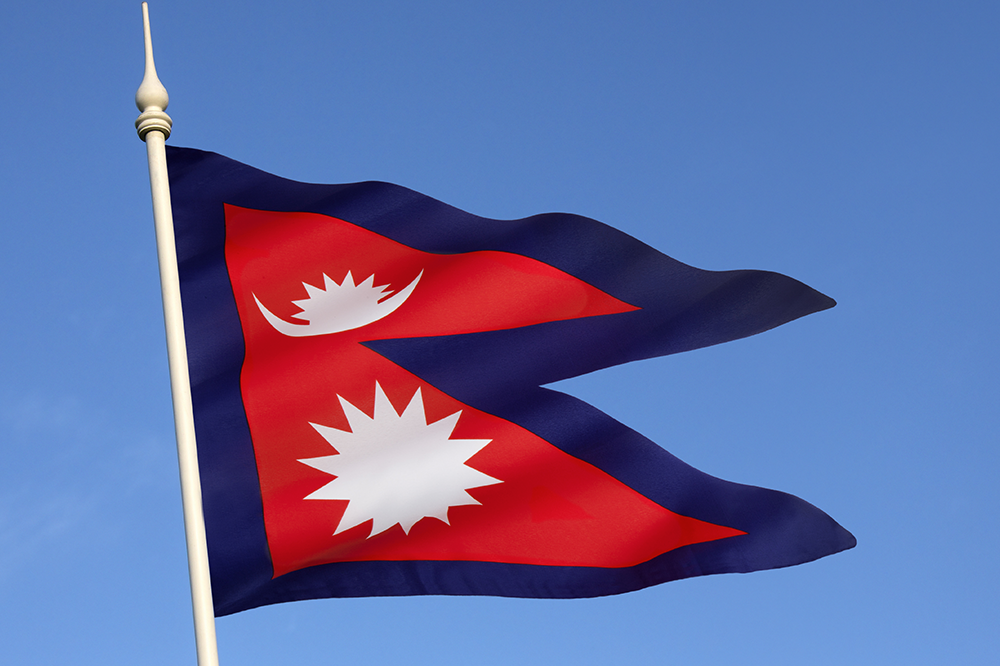
 The ICJ is concerned that the Government of Nepal has in recent months taken measures promoting impunity for those those responsible for gross human rights violations.
The ICJ says than the Nepalese government should rather have acted to address impunity, accountability and redress instead of ensuring that those responsible for gross human rights violations and serious crimes under international law will escape justice.
Ahead of the 22nd session of the Human Rights Council (25 February to 22 March 2013), the ICJ submitted a written statement and delivered an oral statement to the UN in response to the report of the High Commissioner for Human Rights on democracy and the rule of law.
Pointing to recent measures by the Government of Nepal, the ICJ has called for the Council to urge the Government to:
- Promptly establish a Truth and Reconciliation Commission and a Commission of Inquiry on Disappearance, as agreed in the 2006 Comprehensive Peace Agreement, and in accordance with international standards;
- Implement the recommendations in the October 2012 report of the Office of the High Commissioner for Human Rights;
- Conduct prompt, independent and thorough investigations into alleged cases of past human rights violations; and
- Establish and implement vetting guidelines concerning persons holding public office.
Nepal-HRC22-Item3-Democracy&ROL-Legal Submission-2013 (download written statement in PDF)
Nepal-HRC22-Item3-Democracy&ROL-OralStatement-NonLegalSubmission-2013 (download oral statement in PDF)

Feb 6, 2013
 The ICJ is concerned by laws and legislative proposals in a variety of countries that severely threaten the work of lesbian, gay, bisexual and transgender (LGBT) persons and human rights defenders.
Ahead of the 22nd session of the Human Rights Council (25 February to 22 March 2013), the ICJ today submitted a written statement to the UN encouraging the Human Rights Council’s Special Rapporteur on the situation of human rights defenders to follow up on these laws and legislative proposals.
Pointing to unlawful restrictions on the freedoms of association and assembly, and the freedom of expression, in several countries, the ICJ encouraged the Special Rapporteur to:
- Call on governments to protect these rights for everyone and to ensure that any restrictions comply with the requirements of legality, of necessity and proportionality and of non-discrimination on all grounds; and
- In the case of laws or legislative proposals that fail to comply with these requirements, take appropriate action.
HRC22-Item3-HRDs-WrittenStatement-legal submission-2013 (download statement)
Feb 5, 2013 | News
The 10th ratification of the Optional Protocol to the International Covenant to Economic, Social and Cultural Rights (OP-ICESCR) is an historical boost for the international protection of these rights, the ICJ said today.
“With the deposit today at the UN of the 10th instrument of ratification by Uruguay, we are very close to the long awaited entry into force of this new treaty”, said Sandra Ratjen, ICJ Senior Legal Adviser on Economic, Social and Cultural Rights (ESCR).
The OP-ICESCR will enter into force in three months from today and will provide for remedies at the international level to victims of violations of economic, social and cultural rights.
The Protocol establishes mechanisms that enable the UN Committee on Economic, Social and Cultural Rights to examine complaints and initiate inquiries in cases of violations of these rights in the State parties whenever the victims could not obtain justice at the national level.
“We warmly welcome the 10th ratification of the Optional Protocol and we congratulate Uruguay on this decisive step for the protection of economic, social and cultural rights nationally and internationally”, said Wilder Tayler, ICJ’s Secretary General. “This is an important moment for the ICJ. We have a long-standing commitment and work in favour of the recognition of ESCR as legal and justiciable rights, on the same footing as other human rights.”
The ICJ urges States parties to the ICESCR to join the first ten States who became party to the Optional Protocol – Ecuador, Mongolia, Spain, El Salvador, Argentina, Bolivia, Bosnia and Herzegovina, Slovakia, Portugal and Uruguay.
The ICJ stresses that only when a significant number of States will have become party to the Protocol, the mechanisms it offers will be effectively accessible to a great number of victims of violations of ESCR.
Contact:
Sandra Ratjen, ICJ Senior Legal Adviser on Economic, Social and Cultural Rights, t: +41 22 979 38 35 ; e-mail: sandra.ratjen(at)icj.org
NOTE:
The ICJ is a member of the International NGO Coalition for the OP to the ICESCR. Together with the other members of the Coalition, the ICJ is involved in the Campaign in favour of the ratification of the OP-ICESCR.
Feb 4, 2013 | E-bulletin on counter-terrorism & human rights, News
Read the 69th issue of ICJ’s monthly newsletter on proposed and actual changes in counter-terrorism laws, policies and practices and their impact on human rights at the national, regional and international levels. The E-Bulletin on Counter-Terrorism and Human...
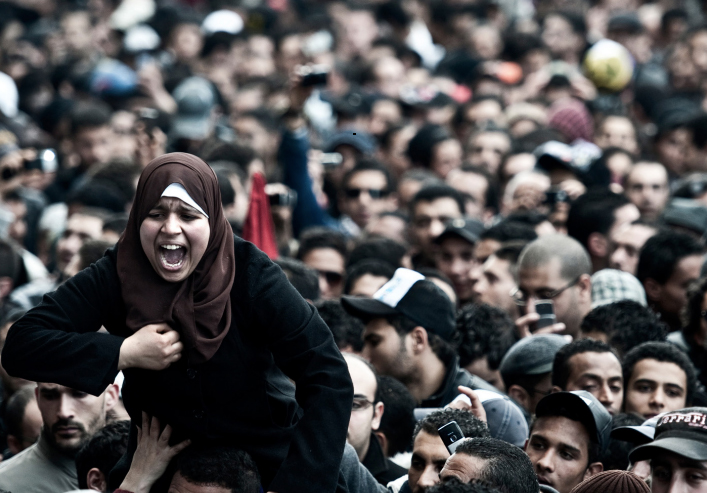
Feb 1, 2013 | Communiqués de presse, Nouvelles, Publications, Rapports
Dans un nouveau rapport, la CIJ appelle les autorités, en particulier l’Assemblée nationale constituante, à élaborer et adopter une constitution qui tienne compte de l’emsemble des points de vue du peuple tunisien et adhère aux droits et normes internationales.
Publié aujourd’hui, le rapport intitulé Renforcer l’Etat de droit et garantir les droits de l’Homme dans la Constitution – Un rapport sur le processus de réforme constitutionnelle en Tunisie.
Il analyse le processus de réforme constitutionnelle en Tunisie et propose des recommandations pour des réformes juridiques et institutionnelles visant à assurer une Constitution qui reflète le droit et les normes internationales.
Contact
Said Benarbia, Conseiller juridique à la CIJ pour le programme sur le Moyen Orient et l’Afrique du nord, m: 216 21 765 152, e-mail: said.benarbia(a)icj.org
Tunisie-Rapport Constitution-publications-2013-FRA (Rapport complet en PDF)
Credit photo: © Copyright Remi OCHLIK/IP3