May 20, 2021
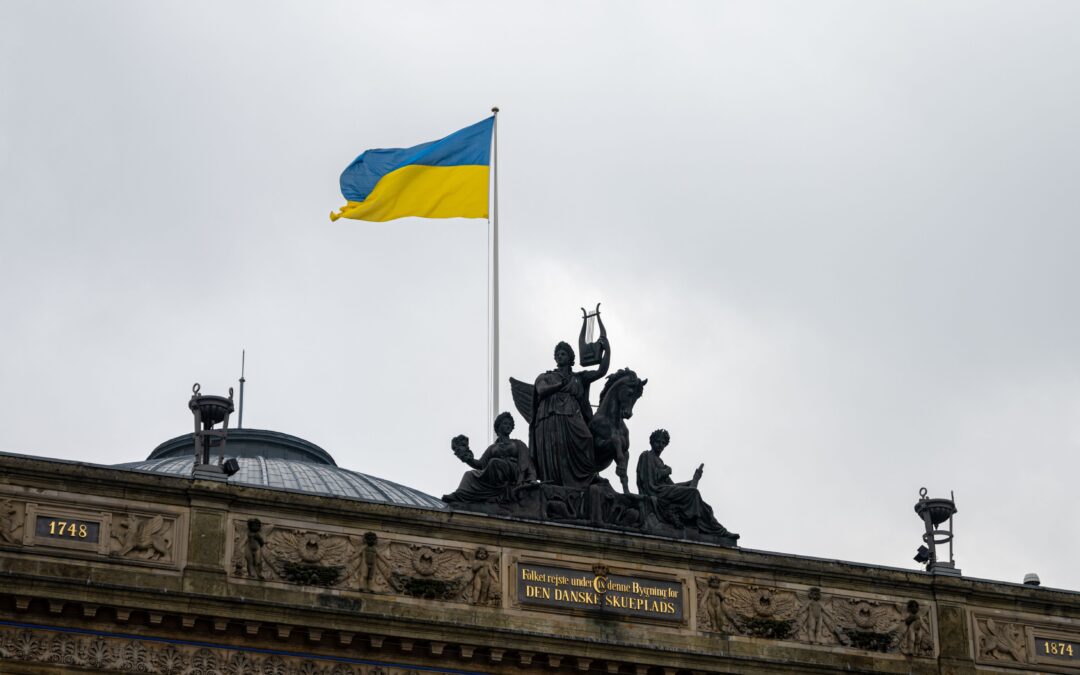
The ICJ has published a briefing paper on decrees of the President of Ukraine on removal of judges of the Constitutional Court. These decrees are assessed in terms of their compliance with international law and standards and the national law of Ukraine.
Based on an analysis of international law and standards on the independence of the judiciary as well as national law, the ICJ concluded that the decrees of the President of Ukraine in respect of the judges of the Constitutional Court of Ukraine (CCU) fail to comply with international law and standards on the independence of the judiciary as well as Ukraine’s own national legal framework.
In particular, a series of measures including the legislative initiative of the President to dismiss the CCU judges, presidential decrees to withdraw appointment of the CCU judges, followed by a criminal investigation against the CCU president, appear to be linked to a CCU judgment with which the government disagreed. If this is the case, it would amount to retaliation against the CCU and individual judges of the CCU as a result of the legitimate exercise of their judicial powers within their competence. This constitutes a violation of the rule of law and the independence of the judiciary.
More precisely, an attempt to dismiss judges of the CCU, by revoking the decrees appointing them seven years after their adoption in a due manner, is not provided for by the law of Ukraine and as such constitutes an extra procedural means to dismiss a judge of the CCU. Dismissal of individual judges by Presidential decree outside the existing procedure strips judges of guarantees of security of tenure, contrary to international law and standards on the independence of the judiciary.
The ICJ stressed that the well-established principles of separation of powers and the independence of the judiciary require that there must be no interference by the executive in the exercise of the judicial functions by the judiciary. This includes disguised means of dismissals of judges duly appointed in accordance with the established procedure.
The ICJ recommended that the State authorities of Ukraine take all legal actions to respect and ensure judicial independence in Ukraine, in particular, by providing effective remedies and reparation to the judges of the CCU concerned in line with the principle restitutio in integrum as recognised in international law, including by revoking their removal and restoring them to their terms of office.
Read full briefing paper here: Ukraine Const Court-ICJ_legal brief_final_eng
May 19, 2021 | News
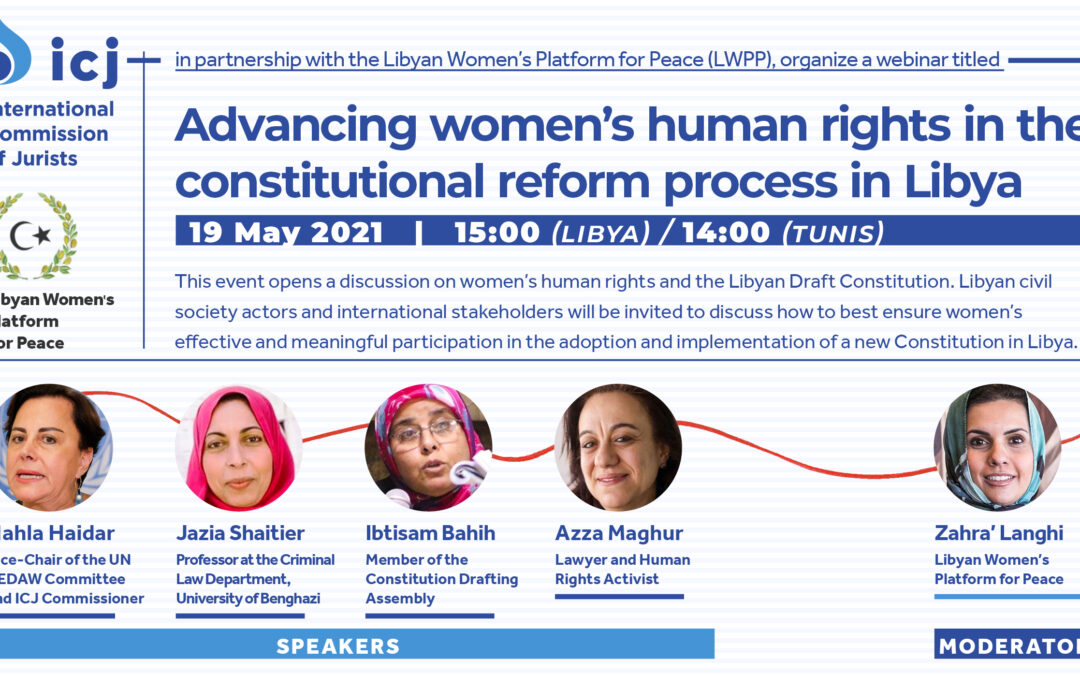
The International Commission of Jurists (ICJ) and the Libyan Women’s Platform for Peace (LWPP) on 19 May 2021 convened a webinar on ‘Advancing women’s human rights in the constitutional reform process in Libya’.
The webinar was moderated by Zahra’ Langhi, co-founder and director of LWPP, with speakers: Jaziah Shaitier, Professor at the Criminal Law Department, University of Benghazi; Ibtisam Bahih, member of the Constitution Drafting Assembly; Nahla Haidar, Vice-Chair of the UN Committee on the Elimination of Discrimination against Women and an ICJ Commissioner from Lebanon; and Azza Maghur, a Libyan lawyer.
In her opening remarks, Zahra’ Langhi stressed that advancing women’s rights in in the constitutional reform process should not be limited to the protections of women’s rights in the draft Constitution, which were any way inadequate, but also the effective the participation of women in the entire constitutional-making process
Jaziah Shaitier focused her remarks on the limitations the Constitution:
“I had hoped that the constitutional process that followed the Revolution would state clearly that any person born to a Libyan father or a Libyan mother would be Libyan.”
“Libya needs gender-inclusive constitutional provisions, and implementing laws that would protect women against all forms of violence”, Shaitier said.
Langhi pointed out that Libyan women who are married to non-Libyans cannot even access essential COVID-19 vaccines.
Nahla Haidar spoke of the importance of states to comply with their obligations under the Convention on the Elimination of All Forms of Discrimination against Women (CEDAW), a treaty to which Libya is a party:
“Sharia’s place within the Constitution should be made clear, otherwise there would be no need for a Constitution at all.”
Haidar also stressed the need to address problematic provisions in the Libyan Draft Constitution, including draft discriminatory provisions and provisions perpetuating stereotypes about the role of women and men in society and in the family. “Women may also choose not to start a family at all, and that should not have any bearing on the enjoyment of their rights.”
Azza Maghur highlighted the inadequate representation of women in the Libyan constitutional process:
“Libyans dreamed of a Constitution that is theirs, one that guarantees rights and liberties. The representation of women was not adequate.”
A member of the Constitution Drafting Assembly herself, Dr Ibtissam Bahih, highlighted how the process had failed Libyan women, and how the need for reform was as urgent as ever.
You can watch the full webinar here.
Contact:
Said Benarbia, Director, ICJ Middle East and North Africa Programme, t: +41-22-979-3817; e: said.benarbia(a)icj.org
Asser Khattab, Research and Communications Officer, ICJ Middle East and North Africa Programme, e: asser.khattab(a)icj.org
May 17, 2021 | News
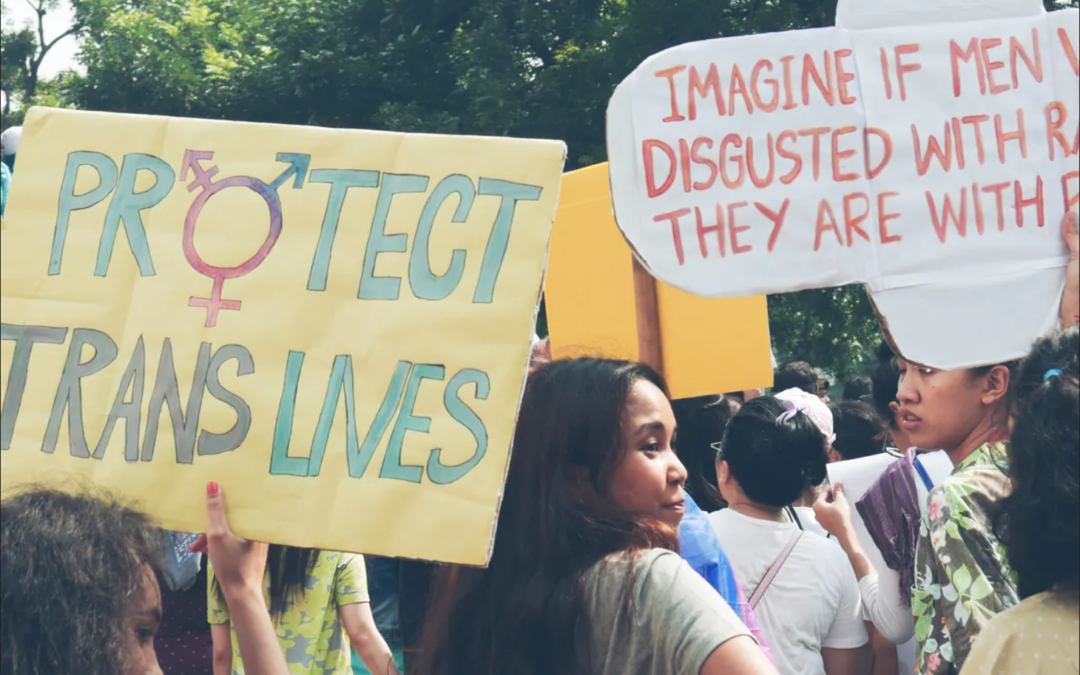
LGBTI people in Indonesia, particularly trans women, face significant discrimination in access to Covid-19 vaccines as the country rolls out its vaccination programme in the face of a surge in the pandemic, the ICJ said today.
Indonesia is planning to start vaccinating the general population in July and an electronic identity card (e-KTP) is required to be vaccinated. However, most trans women do not have, or cannot obtain, an e-KTP and are thus unable to access the COVID-19 vaccines.
“As we mark the International Day against Homophobia, Transphobia and Biphobia on 17 May, Indonesian authorities must ensure that LGBTI communities, trans women in particular, are not excluded from access to vaccines,” said Ruth Panjaitan, ICJ Legal Adviser for Indonesia.
To get an ID card, trans women need to present a Family Card, a document issued to the head of the family. However, many, trans women or waria have been kicked out of or fled their family homes without formal documents as a result of domestic violence. Between 50-60% of transwomen senior citizens reportedly do not have e-KTP, which makes it difficult for them to access government’s healthcare service, including COVID-19 vaccination.
“Most waria in Indonesia don’t even have an ID card let alone an e-KTP. The current system compounds the discrimination against trans women with the heightened risk of illness due to Covid-19. Indonesian authorities must urgently reform the e-KTP system to facilitate the legal status of people based on their own self-identified gender identity,” Ruth Panjaitan said.
Trans women who want to process their e-KTP in accordance with their gender identity have to first obtain an affirmation of their gender from a court, as the e-KTP does not recognize transgender. There is currently no definite and clear regulation for the legal gender change under Indonesia’s law or Supreme Court regulations, so the determination will depend on individual judges in each court’s jurisdiction. LGBTI activists have noted that in practice many judges apply arbitrary religious-based criteria to reject the petition to change gender. In most cases, the court that takes on the application still requires a doctor’s medical certificate that the petitioner has conducted gender reassignment surgery or other hormonal treatment as well other onerous document requirements, such as a psychiatric evaluation and witness information.
“These intrusive, arbitrary, prolonged and burdensome procedures make it even more difficult for trans women in Indonesia to get legal recognition of their gender identity, and lack of recognition of gender identity before the law blocks their access to health care,” Ruth Panjaitan said.
The Indonesian authorities have recently started their effort to reach out to transgender people in order for them to be registered in accordance with Law No.24 year 2013 and Law No.23 year 2006 regarding Civil Administration, which mentions that all Indonesian citizens have to be registered and that they have to have both ID and Family Card, so that they can get a good public service. However, the current system still falls short under international law to protect transgender people.
“Excluding and marginalizing trans women in the middle of a pandemic aggravates the longstanding discrimination they have faced from the Indonesian government, and it is also counterproductive to an effort to vaccinate as many people as possible to stop the spread of the disease,” Ruth Panjaitan said.
Additional information
Transgender people in Indonesia have a right to nondiscriminatory access to vaccines and overall rights to health, which is protected under Article 12 of the International Covenant on Economic, Social, and Cultural Rights (ICESCR) to which Indonesia is party. The UN Committee on Economic, Social and Cultural Rights has affirmed that all healthcare goods, facilities, and services must be available, accessible, acceptable and of adequate quality, especially to the most vulnerable or marginalized sections of the population, in law and in fact, without discrimination of any of the prohibited grounds.
Under international human rights law and standards, a person’s declaration of their preferred gender identity for the purpose of obtaining gender recognition should not require validation by a medical expert, judge or any other third party. Requiring someone seeking legal recognition of their self-identified gender to undergo treatment is a breach of their right to protection against attacks on their dignity and physical and mental integrity, guaranteed under the ICESCR and the International Covenant on Civil and Political Rights, to which Indonesia is a party.
As affirmed by the Yogyakarta Principles, which address the human rights of LGBTI persons, gender identity is a private matter, concerning someone’s deeply felt individual conviction, which should not be subject to arbitrary third-party scrutiny. Legal gender recognition processes protecting the rights of transgender people must be conducted without medical requirements and it must be quick, transparent, and accessible, and effectively uphold the rights of transgender people, including their right to self-determination.
As of 10 May 2021, Indonesia has reported more than 5,000 new infections on average each day and 1,718,575 cumulative confirmed COVID-19 cases. The figure brought the country to the fourth position of countries with highest cases in Asia. The inoculation programme kicked off in mid-January for those deemed to be high priority, such as health workers, the police and military, and other public workers. The proportion of Indonesia’s total population that has received at least one dose of a vaccine as at 4 May 2021 was 4.64 per cent.
Contact
Ruth Panjaitan, Legal Adviser for Indonesia, e: ruthstephani.panjaitan(a)icj.org
Download
Press Release in Bahasa Indonesia.

May 15, 2021
An opinion piece by Mandira Sharma, ICJ Senior Legal Adviser, and Karuna Parajuli, ICJ National Legal Adviser, based in Nepal.
In mid-February this year, there were less than 100 new Covid-19 infection cases per day in Nepal. We now average around 9,000 cases per day. While the major political parties continue to flex their muscles for power, Covid-19 patients throughout the country scramble for hospital beds, healthcare workers and oxygen cylinders. Although the virus does not discriminate on the basis of class, the elite and the powerful have superior access to quality healthcare than the poor and the marginalised.
According to the Ministry of Health (MOH), there are only 1,171 intensive care unit beds and 483 ventilators in government hospitals throughout the country. These are not enough to prevent serious illnesses and deaths, considering the ever-increasing number of patients requiring hospitalisation. Covid-19 designated public hospitals are already overwhelmed by patients, and private hospitals seem to be taking undue advantage of the crisis. The price lists for hospitalisation publicised by some private hospitals recently indicate the degree of profiteering they indulge in even as they remain out of bounds for a significant number of patients.
The pandemic has impacted a host of human rights, the right to health being the most prominent one. Under both national and international laws, Nepal is obligated to respect, protect and fulfil the right to health through measures that are non-discriminatory including based on social and economic status. This legal obligation requires the government to take effective measures to ensure the prevention, treatment and control of Covid-19. This also includes the duty to regulate the conduct of the private healthcare sector, including hospitals, pharmaceutical companies and laboratories.
Considering the nature of this pandemic, extraordinary measures need to be put in place to gather resources held by both public and private healthcare actors. These obligations must be pursued not only through individual laws, policies and practices of the state but also through collective international cooperation.
The government must take immediate policy measures through coordinated interventions, also involving the private sector to ensure people’s right to health. It must also reassess the existing legal and policy framework, reinvigorate a coordinating body, and develop an integrated plan. Public health professionals and management experts with the necessary power and resources should be included in decision-making to respond to the pandemic. Although the government had formed a Covid-19 Crisis Management Center (CCMC) last year, the Cabinet later started to take most of the decisions on its own, forcing the CCMC to exist only on paper.
The Health Ministry and local authorities must work in tandem to make health services accessible to everyone by increasing hospital beds, oxygen supply, medicines and other necessary equipment. Government authorities, including the Health Ministry, should, following the Supreme Court’s orders, ensure free and widespread access to Covid-19 testing to prevent further infections.
Efforts to fix the public health system should include a longer-term plan and progressive allocation of resources to increase the number of healthcare facilities with the necessary infrastructure and improve the quality of services. A need for an integrated legal framework was already highlighted during the first wave of the pandemic. The Supreme Court in August 2020 ordered the government to adopt specific integrated legislation providing a framework for different government organs to function effectively to prevent and respond to the pandemic.
However, in defiance of the order, the government has instead opted to coordinate its Covid-19 response through the ineffectual and antiquated Infectious Disease Act of 1964, which takes no account of contemporary human rights laws or Nepal’s recently devolved federal structure. The Act, therefore, does not provide guidance as to how different levels of the government (federal, provincial, and local) are obligated to ensure the right to health and in particular the prevention, treatment and control of pandemics as required under the international law. It also fails to provide a framework to hold health service providers, both public and private, accountable for infringing on people’s right to health.
Although the Public Health Service Act (2018) has many gaps, it was enacted to ensure access to health services by making them ‘regular, effective, qualitative and easily available’. Section 4 of the Act requires every health institution, whether public or private, to provide emergency health services and to make necessary arrangements for the treatment of patients with infectious diseases. In interpreting Section 3(4) C of this Act, the Supreme Court has indicated that health services for infectious diseases such as Covid-19 fall under the category of basic health services and should therefore be provided for free. The use of a rights-based approach should be the point of departure, guiding all efforts the government takes in addressing the pandemic.
No one should die while failing to get access to health services, which in some situations may amount to a violation of the right to life triggering criminal responsibility on the part of the state officials involved. International law also requires international cooperation, with countries helping each other in implementing the obligations related to the right to health. Nepal should ask for increased international cooperation and action at the international level, like the TRIPS patent waiver and other resources.
In the longer run, the pandemic should be heeded as a wake-up call to revamp the public healthcare system in Nepal. Moreover, reforms are needed to shield healthcare facilities from political interference. As the increasing nexus between political actors and private companies hampers a quality healthcare system and proper checks and balances, an effective mechanism needs to be put in place not only to investigate any allegation of corruption in public health institutions but also to look at issues related to conflict of interest.
Finally, an integrated law must be adopted to regulate and facilitate the work of public and private health sectors both, and provide a framework for appropriate monitoring mechanisms to ensure a free and accessible primary healthcare system without economic, social or any other form of discrimination.
First published in The Kathmandu Post here.
May 14, 2021 | Advocacy, News, Publications
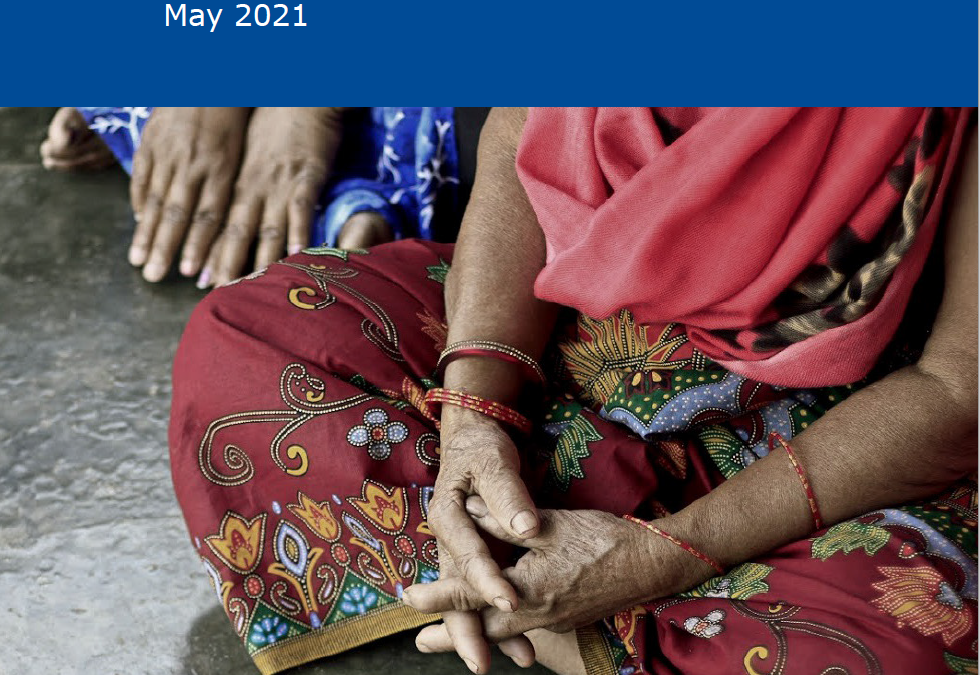
The ICJ launched a new briefing paper Nepal: Transitional Justice Mechanisms with Gender Perspective in a webinar held on 12 May 2021.
The discussion included the need to give practical effect to Nepal’s obligation under international law to ensure the right to an effective remedy to the victims, including women victims of sexual and gender-based violence during the country’s internal armed conflict (1996 – 2006). Participants focused in particular on the need to ensure that gender issues are incorporated in the transitional justice mechanism.
The Honourable Kalyan Shrestha, former Chief Justice of the Supreme Court of Nepal and ICJ Commissioner, stressed the importance of the role of the Supreme Court of Nepal in establishing landmark jurisprudence on transitional justice.
Justice Shrestha explained how despite the fact that the country had established a progressive Constitution and amended legislation to provide for equality, non-discrimination and access to justice, women victims and survivors of a decade long armed conflict continued to face real barriers to justice. These including short periods of statute of limitations preventing the filing rape and sexual violations cases and lack of support mechanisms for women, which compounded existing economic pressure and social obstacles.
Bandana Rana, Member of the UN Committee on the Elimination of Discrimination against Women (CEDAW), addressed the situation of sexual and gender – based violence against women in Nepal during the armed conflict. She said that Nepal was bound by clear international legal obligations, including under the CEDAW and other treaties. Yet the Nepali government has not taken effective measures to ensure access to justice and the right to an effective remedy to the victims of SGBV during the conflict.
Laxmi Pokharel, ICJ Legal Adviser, summarized the ICJ’s briefing paper on “Nepal: Transitional Justice Mechanisms with Gender Perspective”. The Paper’s major recommendations, to the Government of Nepal, are:
- Amend the Truth and Reconciliation Act (TRC) in line with the Supreme Court’s order and Nepal’s international obligations;
- Ensure participatory, consultative processes while amending the TRC Act;
- Ensure the participation of women at all levels of recruitment, including in the formation of the recommendation committee, in the appointment of Commissioners of both the TRC and the Commission on Investigation of Disappeared Persons (COID) and at all levels of staffing with a view to ultimately achieving gender parity;
- Provide gender-sensitive trainings to the Commissioners and staff of the Commissions in order to enhance their capacity to address gender issues in their operation;
- Take all necessary steps to amend the Criminal Code to remove the statutory limitation for filing incidents of rape and other sexual violence, including in relation to acts committed during the armed conflict, in order to ensure justice for all victims;
- Ensure that amnesties and mediation are not used to replace criminal responsibility for gross violations of human rights, including rape and other sexual violence.
- Incorporate a gender-responsive approach in all aspects of the Commissions’ work, including in the interpretation and application of the mandate of the Commissions, prosecution of perpetrators and reparation to the victims and survivors;
- Incorporate an approach in the Commissions’ work that does not restrict women’s experiences during the armed conflict only to bodily harm suffered, but also takes account of structural gender biases and its consequences during the period of a conflict;
- Design and implement gender-friendly procedures for investigation, including statement taking, victim and witness protection and other activities of the Commissions;
- Design and implement specific reparation policies to address the unique needs of women victims;
- Ensure that the gendered aspects of the armed conflict, including its causes and consequences are incorporated in the final report of the Commissions;
- Take effective measures to ensure the widest possible dissemination of the final report of the Commissions in order to ensure that the wider population is made aware of the truth, most especially in relation to women.
The webinar was jointly organized by ICJ in collaboration with the United Nation’s Office of the High Commissioner for Human Rights (OHCHR) and UN Women. This event was organized under the ‘Enhancing Access to Justice for Women in Asia and the Pacific’ project funded by the Swedish International Development Cooperation Agency (SIDA). Due to the COVID – 19 pandemic the webinar was conducted virtually and live broadcasted on Facebook. It was conducted in English language and simultaneous translation in Nepali language was also available.
Contact
Laxmi Pokharel, ICJ Legal Adviser – Nepal, email: laxmi.pokharel(a)icj.org
Download
Briefing paper on “Nepal: Transitional Justice Mechanisms with Gender Perspective” (full report in PDF)