Mar 22, 2021 | Advocacy, Non-legal submissions
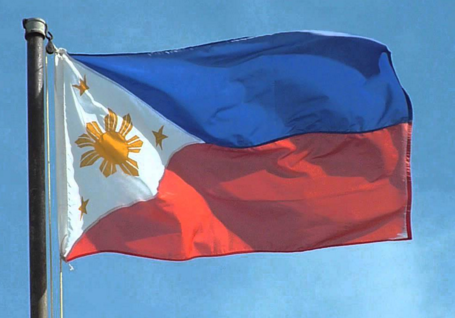
The ICJ joined today seven other organisation in a statement before the UN Human Rights Council expressing concern at the systematic human rights violation and the persistent impunity in the Philippines and calling for more accountability.
The joint statement delivered by FORUM ASIA reads as follows:
“Madam President,
Nearly six months since its adoption, Human Rights Council resolution 45/33 offering technical assistance to the Philippines has proven to be utterly insufficient to address the systematic human rights violations and persistent impunity documented in the High Commissioner’s report. The Philippine Government’s policies and actions since the Resolution’s adoption have been completely at odds with the commitments outlined in it.
Extrajudicial killings in the so-called ‘war on drugs’ have continued. To date, the Government has made no tangible progress towards accountability against those most responsible for such killings. In December 2020, the Office of the Prosecutor of the ICC found that there is “reasonable basis to believe that the crimes against humanity” of murder, torture, the infliction of serious physical injury and mental harm, and other inhumane acts were committed between at least 1 July 2016 and 16 March 2019.
Human rights defenders pursuing legitimate work, especially those who advocate for international accountability, including lawyers, continue to be attacked and accused of belonging to terrorist groups. Rights defenders continue to be arrested and jailed. The draconian Anti-terrorism Act, passed last year, exacerbates risks to defenders. The killing of nine human rights defenders and activists on 7 March, two days after President Duterte ordered the police and military to “finish off” and “kill” those purported to be “communist rebels”, illustrates clearly the persistent killings and attacks faced by activists and defenders. It is very clear that no amount of technical assistance or capacity building will end the killings as the President and top government officials continue to incite murder and violence as official policy.
In this context, it is imperative that the Council set up an international accountability mechanism to end the cycle of violence and impunity in the Philippines.
Thank you.”
The statement was endorsed by:
- Amnesty International
- Asian Forum for Human Rights and Development (FORUM-ASIA)
- CIVICUS: World Alliance for Citizen Participation
- Human Rigths Watch
- International Commission of Jurists (ICJ)
- International Federation for Human Rights (FIDH)
- Philippines Alliance of Human Rights Advocates (PAHRA)
- World Organisation Against Torture (OMCT)
Contact:
Massimo Frigo, ICJ UN Representative, e: massimo.frigo(a)icj.org, t: +41797499949
Mar 22, 2021 | Advocacy, Non-legal submissions
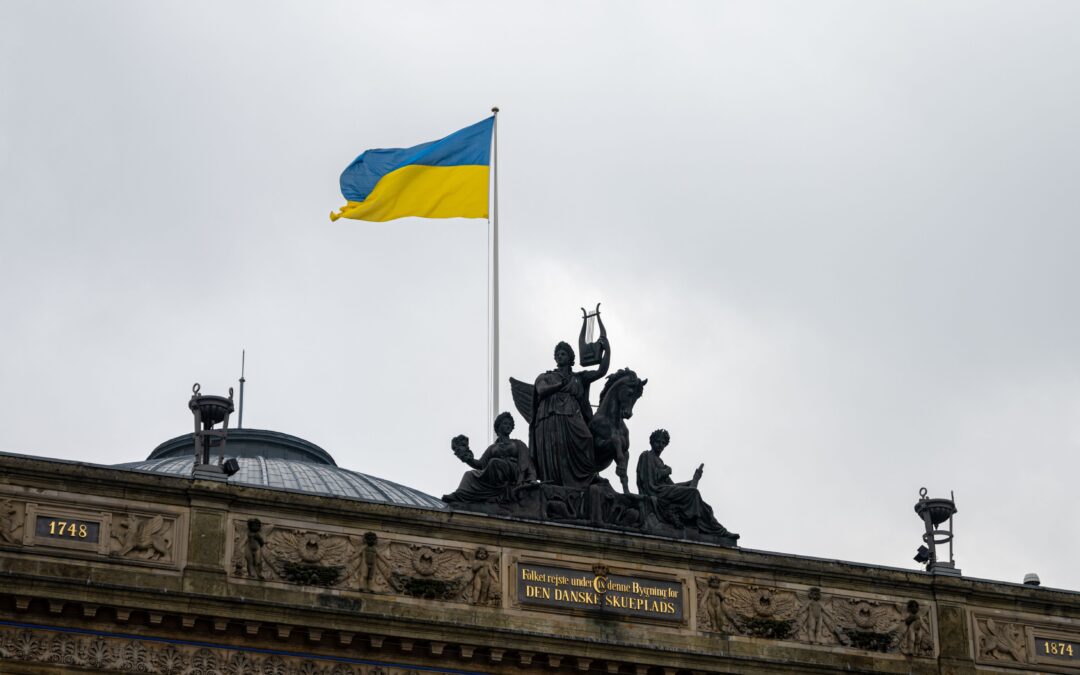
Today, before the UN Human Rights Council, the ICJ called on Ukrainian authorities to ensure the security of lawyers and the independence of the judiciary, essential elements to make effective any human rights technical assistance and capacity building.
The statement reads as follows:
“Madame President,
In Ukraine, a number of lawyers, including those who defend human rights, in and outside of courts, including to face threats, harassment, and other attacks on their security.
Lawyers continue to be associated with their clients and may face detrimental consequences for representing them.
For example, in November 2020, lawyer Nikolay Osipchuk was physically attacked by the local Prosecutor and several other people in the court room of a district court. A pattern of such attacks was identified by the ICJ in a report issued last year.
The ICJ is further concerned at recent the attempts of interference by the Government with the independence of the judiciary in Ukraine.
The ICJ welcomes the withdrawal of the presidential draft law by which all judges of the Constitutional Court would have been dismissed. However, it is concerning that, following a criminal case initiated against him, the President of the Constitutional Court was suspended by a decision of the President of Ukraine. This decision, on dubious legal grounds, undermines the independence of the judiciary.
The ICJ urges that Ukraine:
- Ensure prompt, thorough, impartial and independent investigations of all attacks on lawyers, leading where appropriate, to bringing those responsible to justice;
- refrain from any acts which interfere with the independence of the judiciary and annul the suspension of the President of the Constitutional Court.
I thank you.”
Contact:
Massimo Frigo, ICJ UN Representative, e: massimo.frigo(a)icj.org, t: +41797499949
Mar 19, 2021 | News
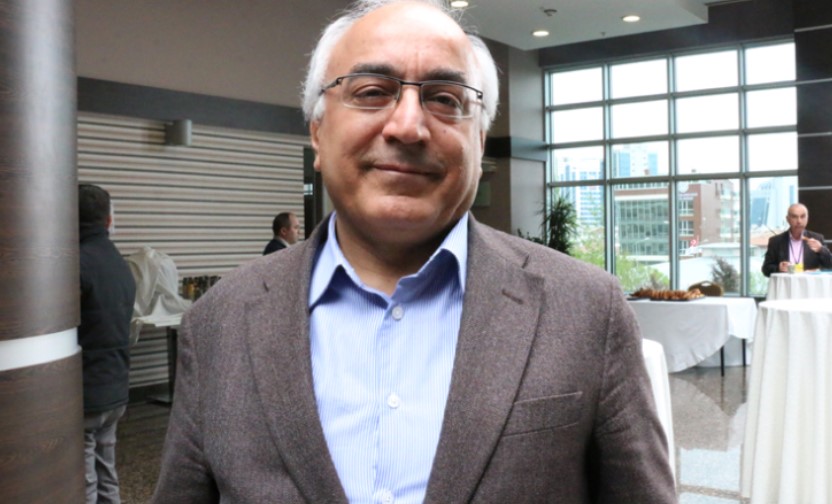
The ICJ called today on the Turkish authorities to immediately release human rights defender and lawyer Öztürk Türkdoğan, who was arrested this morning after an unlawful search of his home. The charges against him, if any, are unkown and he is currently being held without access to his lawyer.
Öztürk Türkdoğan is the chair of the Human Rights Association and a lawyer and member of the Ankara Bar Association.
“The arrest and search of Öztürk Türkdoğan’s continues a systematic pattern of misuse of the criminal law to harass and persecute human rights defenders and lawyers in Turkey in recent years,” said Roisin Pillay, ICJ’s Europe and Central Asia Programme Director. “Öztürk Türkdoğan must be released immediately. If he remains in detention then he must be ensured immediate and confidential access to a lawyer, and be informed of the nature of any charges against him and brought promptly before a court.”
The arrest occurred during a search of Öztürk Türkdoğan’s home without the presence of a lawyer, which is in direct contravention of Turkish criminal procedural law.
While no information has been made available on the charges against Öztürk Türkdoğan, he is currently being detained without access to a lawyer for 24 hours, which indicates that the charges are likely related to terrorism or to offences against the State. These offences, contrary to obligations under international human rights law, are vaguely and broadly defined and have been long used and abused by prosecutors in Turkey to suppress human rights defenders, lawyers and political opponents.
Under international human rights law, anyone arrested has a right to prompt and confidential access to a lawyer, and to information on the charges against them. Arrests and searches of homes must not be arbitrary and must be carried out in compliance with international standards and national laws and procedures.
“Hundreds of lawyers, judges and prosecutors have been improperly arrested, harassed and detained in the past few years by Turkish authorities ” said Roisin Pillay. “Using the criminal justice system in this way is contrary to the most fundamental principles of the rule of law.”
Background
Systematic violations of human rights in investigation and prosecution of counter-terrorism offences in Turkey have also been documented by the UN Special Rapporteur on the promotion and protection of human rights while countering terrorism, the UN Special Rapporteur on the situation of human rights defenders, the UN Special Rapporteur on the independence of judges and lawyers, theWorking Group on Arbitrary Detention, the Special Rapporteur on the rights to freedom of peaceful assembly and of association and the Special Rapporteur on the promotion and protection of the right to freedom of opinion and expression, and the Commissioner for Human Rights of the Council of Europe.
The ICJ has extensively documented these violations:
Mar 19, 2021 | Advocacy, News
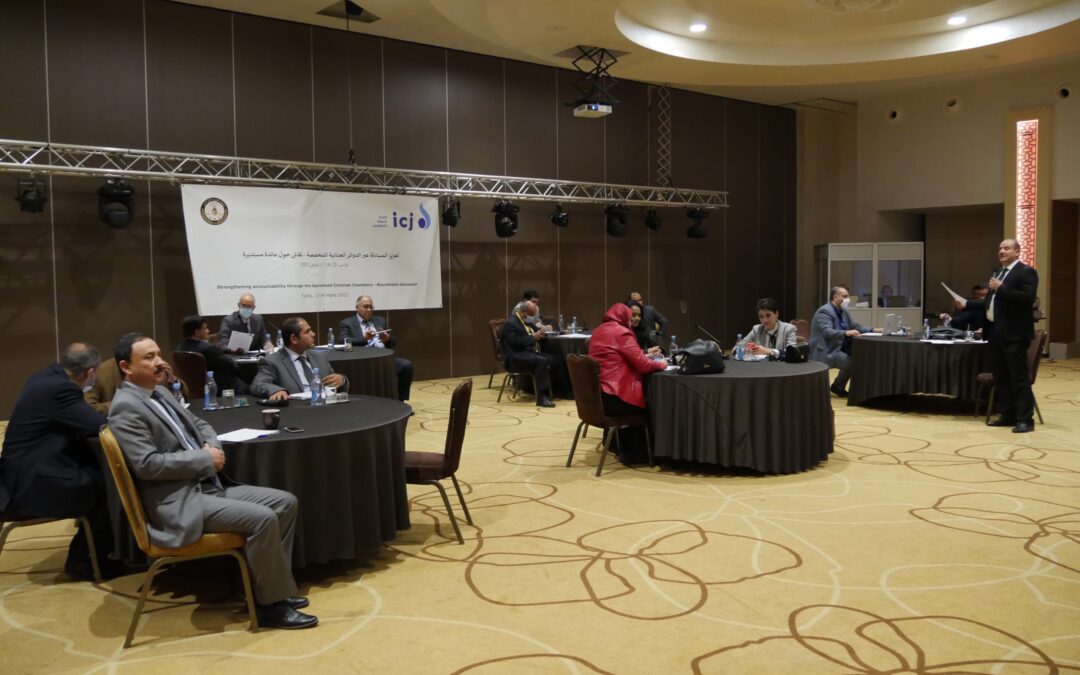
On 13 and 14 March 2021, the ICJ and the Association of Tunisian Magistrates (AMT) organized a roundtable discussion in Tunis to assist Specialized Criminal Chambers (SCC) judges and prosecutors to advance accountability and justice in line with international law and standards.
Participants discussed in-depth the ongoing challenges to the fair and effective prosecution and adjudication of gross human rights violations before the SCC. They also examined joint approaches to address these challenges with a view to enhancing the fairness and effectiveness of the SCC proceedings and achieving accountability in turn.
At the roundtable, Said Benarbia, ICJ’s MENA ProgrammeDirector, underlined that SCC trials should enable victims to obtain redress and reparation, while ensuring the defendants’ right to a fair trial in compliance with Tunisia’s obligations under international law. Anas Hmedi, the President of the AMT, highlighted the key role that the SCC play in relation to the discovery of the truth, accountability and guarantees of non-recurrence of gross human rights violations in Tunisia.
Martine Comte, ICJ France Commissioner,stressed the importance of finding joint approaches and reinforcing coordination among the SCC to address the various challenges that that they are currently facing. Kalthoum Kennou, ICJ Tunisia Commissioner, called for the development ofjoint approaches to ensure victims’ participation at SCC trials and enhance support for the transitional justice process.
In light of the roundtable discussion, participants identified joint solutions and agreed to develop a set of recommendations targeting the High Judicial Council and its role in supporting the SCC and resolving the practical obstacles that might impede their work.
The roundtable is part of the ICJ’s efforts to enhance the SCC’s capacity to adjudicate the cases referred to them by the Truth and Dignity Commission (IVD) in a manner consistent with international law and standards.
Contact
Valentina Cadelo, Legal Adviser, ICJ Middle East and North Africa Programme, e: valentina.cadelo(a)icj.org
Asser Khattab, Research and Communications’ Officer, ICJ Middle East and North Africa Programme, e: asser.khattab(a)icj.org
Mar 18, 2021 | News
The ICJ today condemned Sri Lanka’s new ‘de-radicalization’ regulations, which allow for the arbitrary administrative detention of people for up to two years without trial. The regulations could disproportionately target minority religious and ethnic communities.
Sri Lankan President Gotabaya Rajapaksa promulgated Prevention of Terrorism (De-radicalization from holding violent extremist religious ideology) Regulations No. 01 of 2021, which was publicized by way of gazette notification on 12 March, 2021. The “regulations”, which were dictated by the executive without the engagement of Parliament, would send individuals suspected of using words or signs to cause acts of “religious, racial or communal violence, disharmony or feelings of ill will” between communities to be “rehabilitated” at “reintegration centres” for up to two years without trial.
“These regulations, which have been dictated by executive fiat, allow for effective imprisonment of people without trial and so are in blatant violation of Sri Lanka’s international legal obligations and Sri Lanka’s own constitutional guarantees under Article 13 of the Sri Lankan Constitution.”
– Ian Seiderman, ICJ’s Legal and Policy Director
Article 9 of the International Covenant on Civil and Political Rights (ICCPR), to which Sri Lanka is a party, provides for a number of procedural guarantees for any person deprived of their liberty, many of which are absent in the Regulation. Administrative detention of the kind contemplated under the Regulations, is not permitted, as affirmed repeatedly by the UN Human Rights Committee.
Even prior to the promulgation of the new regulations under Sri Lanka’s Prevention of Terrorism Act No. 48 of 1979 (PTA), Sri Lankan authorities had already been invoking the PTA and the International Covenant on Civil and Political Rights Act, No. 56 of 2007 (enacted to incorporate certain provisions of the ICCPR into domestic law) effectively to persecute people from minority communities. Yet little or no action has been taken by the authorities against those inciting hatred or violence against minorities.
“The new regulations are likely to be used as a bargaining tool where the option is given to a detainee to choose between a year or two spent in “rehabilitation” or detention and trial for an indeterminate period of time, instead of a fair trial on legitimate charges.”
– Ian Seiderman, ICJ’s Legal and Policy Director
Contact
Osama Motiwala, Communications Officer – osama.motiwala@icj.org
Background
Section 3(1) of the ICCPR Act which prohibits advocacy of hatred that constitutes incitement to discrimination, violence or hostility has hitherto been misused to target members of minority communities. In April 2020, Ramzy Razeek, a retired government employee, was arrested for a Facebook post calling for an ideological ‘jihad’ against the policy of mandatory cremation of people who had died as a result of Covid-19. He was detained under the ICCPR Act for more than five months and finally released on bail due to medical reasons in September 2020.
In May 2020, Ahnaf Jazeem, a young Muslim poet, was arrested under the PTA in connection with a collection of poems he had published in the Tamil language, which were apparently misinterpreted by Sinhalese authorities to be read as containing extreme messages. Just last week, a few days after the promulgation of the new regulations, Ahnaf’s lawyers expressed alarm that both Ahnaf and his father were being pressured to make admissions that he had engaged in teaching ‘extremism’. The ICJ had previously raised concerns about the arbitrary arrest and prolonged detention of Human Rights lawyer Hejaaz Hizbullah. After being detained under the PTA for 10 months without being given reason for his arrest, he is now being tried for speech-related offences under the PTA and ICCPR Act.
The ICJ has consistently called for the repeal of the Prevention of Terrorism Act, which has been used to arbitrarily detain suspects for months and often years without charge or trial, facilitating torture and other abuse. The ICJ reiterates its call for the repeal and replacement of this vague and overbroad anti-terror law and regulations brought under it, in line with Sri Lanka’s international obligations.
The new PTA regulations require those who surrender or are arrested on suspicion of using words or signs to cause acts of violence, disharmony or ill will between communities to be handed over to the nearest Police Station within 24 hours after which a report is to be submitted by the Police to the Defence Minister (the position is currently held by President Gotabaya Rajapaksa) to consider whether the suspect should be detained further. The regulations would also apply to those who had surrendered or been taken into custody under the PTA, the Prevention of Terrorism (Proscription of Extremist Organizations) Regulations No. 1 of 2019 and the Emergency (Miscellaneous Provisions and Powers) Regulation, No. 1 of 2019.
The Attorney General is given the power to decide if a suspect should be tried for a specific offence or be send to a rehabilitation centre as an alternative. If the decision is to rehabilitate, the suspect would be produced before a Magistrate with the written consent of the Attorney General. The Magistrate may thereafter order that the suspect be referred to a rehabilitation centre for a period not exceeding one year. Such period can be extended by a period of six months at a time up to one more year by the Minister upon the recommendation of the Commissioner-General for Rehabilitation. The regulations further state that the Commissioner–General should provide the detainee with psycho-social assistance and vocational and other training during the rehabilitation period to ensure reintegration into society. The regulations also provide that such detainee may with the permission of the officer in charge of the Centre be entitled to meet their parents, relations or guardian once every two weeks.