Aug 19, 2020 | News
Today the ICJ called on the public authorities to refrain from comments or actions that could undermine the integrity of the judicial process and the independence of the judiciary.
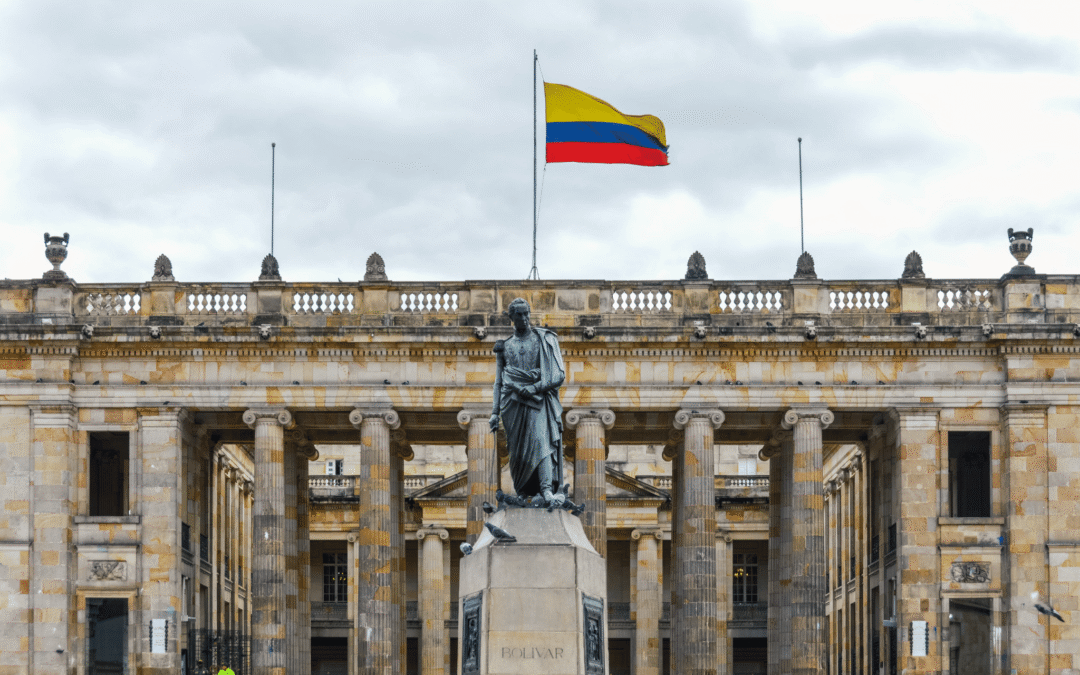
On August 4, the Instruction Special Chamber of the Criminal Chamber of the Supreme Court of Justice ordered the pretrial detention, substituted for house arrest, of the former President Álvaro Uribe Velez, relating to allegations of bribery of witnesses and procedural fraud.
In recent days, a number of politicians have made highly inappropriate and inflammatory statements, including some suggesting that judges are making their decisions based on ideological or political biases rather than based on the Constitution and the law.
Colombian president Ivan Duque said in remarks broadcast on television on the 4 of August: “it hurts as a Colombian that many of those who have lacerated the country with barbarism defend themselves at liberty or are even guaranteed to never go to prison, and that an exemplary public servant who has held the highest dignity of the State is not allowed to defend himself in freedom with the presumption of innocence. I am and will always be a believer in the innocence and in the honor of him who, with his example, have earned a place in the history of Colombia.” (unofficial translation).
The ICJ stresses that it is inappropriate for a head-of-State or other executive official to intervene in this manner in a case that is under active judicial proceedings. The UN Basic Principles on the Independence of the Judiciary make clear that “it is the duty of all governmental and other institutions to respect and observe the independence of the judiciary” and this includes refraining from any “improper influences, inducements, pressures, threats or interferences, direct or indirect.”
In reaction to Senator Uribe’s arrest, the political party “Centro Democrático”, of which both President Duque and former President Uribe are members, released a press statement saying that they were planning to propose a National Constituent Assembly with the purpose of “depoliticizing justice”. Also, former President Uribe mentioned on 16 of August that he hoped his political party would initiate a reform of the justice system through a “referendum” to end the “politicization” of the Court.
The ICJ considers that any actions concerning reforms of the justice sector must be based on the standards and best practices that reinforce the independence of the judiciary and the prompt, timely and fair administration of justice, and not on a political reaction based on a single active case.
Lastly, United States Vice President Mike Pence has also made inappropriate remarks related to the Colombian justice system, tweeting on August 14 that he joined the voices that called Colombian authorities to let Alvaro Uribe “defend himself as a free man”.
Contact
Carolina Villadiego Burbano, ICJ Latin America legal and policy adviser, e: carolina.villadiego(a)icj.org
Aug 17, 2020 | Incidencia
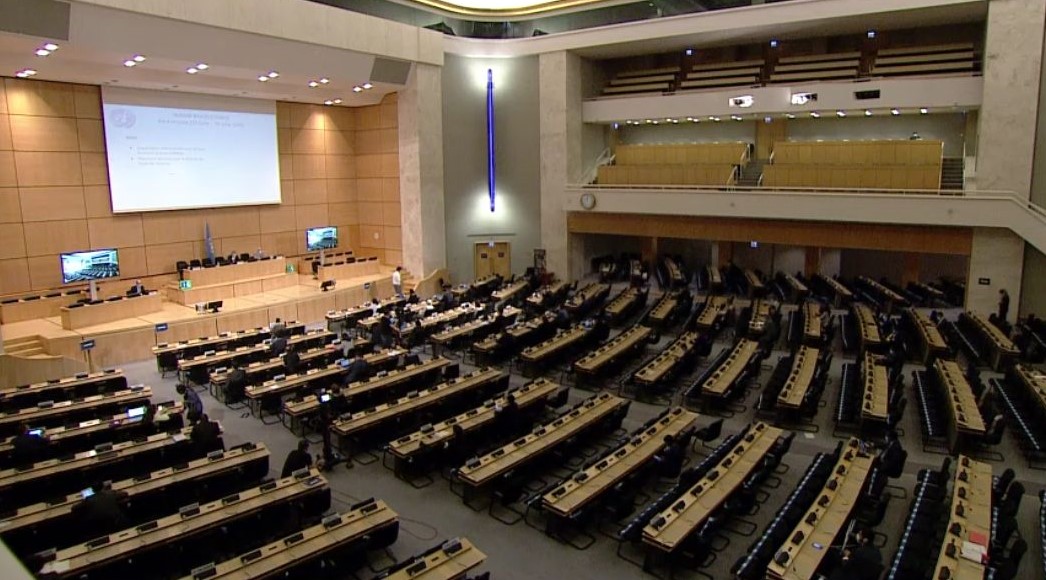
La CIJ y 83 organizaciones de derechos humanos le piden al Consejo de Derechos Humanos de las Naciones Unidas renovar y fortalecer el mandato de la Misión Internacional Independiente de Investigación de los Hechos sobre Venezuela en el próximo periodo de sesiones. También, le piden asegurar recursos adecuados para que la Misión continué su importante trabajo.
La falta de independencia judicial en el país, recientemente analizada por la Alta Comisionada de Derechos Humanos y documentada por la CIJ durante varios años, representa un obstáculo para que las víctimas de graves violaciones de derechos humanos accedan a recursos y reparaciones efectivas. Además, ha habido casi total impunidad para los responsables de dichas violaciones. Así, la falta de una efectiva rendición de cuentas hace que el trabajo de la Misión Internacional sea indispensable.
El año pasado, en su periodo de sesiones No. 42, el Consejo de Derechos Humanos de las Naciones Unidas estableció la Misión Internacional Independiente de Investigación de los Hechos para Venezuela, con el mandato de investigar ejecuciones extrajudiciales, desapariciones forzadas, detenciones arbitrarias y torturas u otras formas de trato cruel inhumano o degradante desde 2014.
El Consejo expresó “gran preocupación por la alarmante situación de los derechos humanos en la República Bolivariana de Venezuela, en la que se repiten sistemáticamente violaciones que afectan de forma directa e indirecta a todos los derechos humanos (…) en el contexto de la actual crisis política, económica, social y humanitaria.”
El Primer informe de la Misión Internacional se presentará en la próxima sesión del Consejo, programada para el 14 de septiembre al 6 de octubre de 2020.
El comunicado conjunto suscrito por 85 organizaciones dice que el informe “marcará un importante primer paso en la senda de la rendición de cuentas en Venezuela mediante la documentación de la participación de aquellas personas de las que se sospecha que son penalmente responsables. Es fundamental que el Consejo de Derechos Humanos responda de manera significativa a las conclusiones y recomendaciones del informe”.
Por otro lado, la CIJ observa que la pandemia de la COVID-19 ha generado mayor tensión sobre la situación de derechos humanos en Venezuela. Así, la Oficina de Naciones Unidas para Coordinación de Asuntos Humanitarios (OCHA por sus siglas en inglés) informó en Julio de 2020 que “[u]na evaluación de las condiciones de agua, saneamiento e higiene en 17 hospitales realizada por la OPS/OMS en 2019 reporta que el 88,3% de los hospitales evaluados tienen un riesgo alto que las condiciones higiénico-sanitarias contribuyan al agravamiento del estado de salud de sus usuarios; el resto tienen un riesgo medio.”
El comunicado conjunto se encuentra disponible en español aquí.
Aug 17, 2020 | Advocacy, News
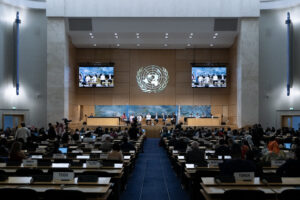
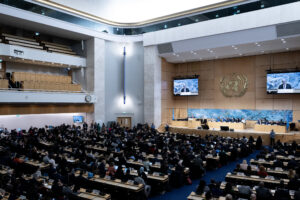
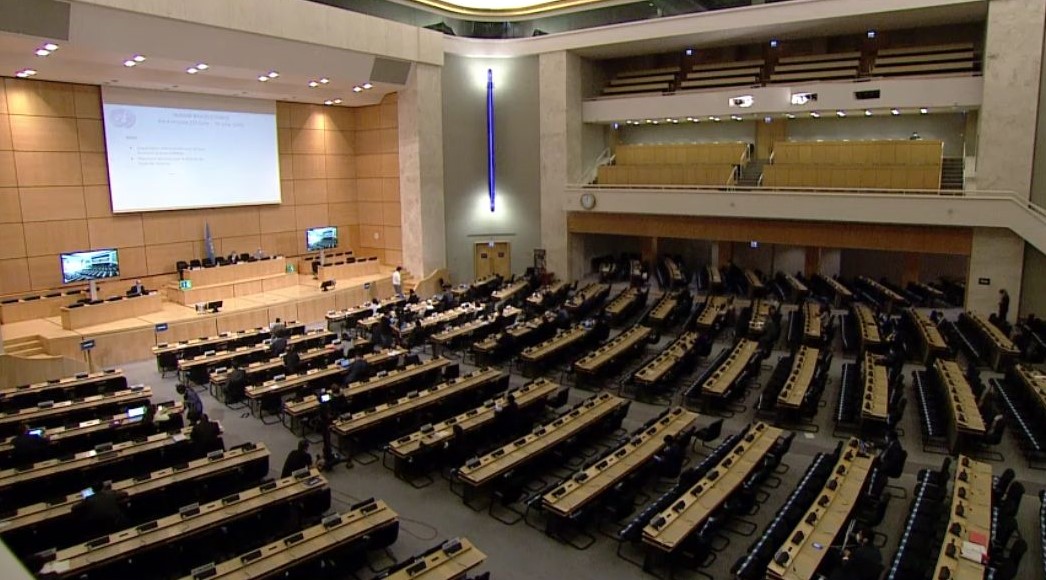
Today, the ICJ joined 83 other human rights organizations to call the United Nations Human Rights Council to renew and strengthen the mandate of the Independent International Fact-Finding Mission (FFM) on Venezuela in its upcoming session in September, and to ensure it has adequate resources to continue its critical work.
The ICJ considers that the lack of judicial independence in the country, recently addressed by the High Commissioner and documented by ICJ during several years, presents a major obstacle to victims seeking to access effective remedies and reparation for gross human rights violations in the country. There has also been near complete impunity for those responsible for such violations. The lack of effective accountability makes the work of the FFM indispensable
Last year at its 42nd session, UN Human Rights Council established the Independent International Fact-Finding Mission with a mandate to investigate extrajudicial executions, enforced disappearances, arbitrary detentions and torture and other cruel, inhuman or degrading treatment since 2014.
The Council expressed “grave concern at the alarming situation of human rights in the Bolivarian Republic of Venezuela, which includes patterns of violations directly and indirectly affecting all human rights (…) in the context of the ongoing political, economic, social and humanitarian crisis.”
The FFM’s first report is expected to be presented at the Council’s next session scheduled for 14 September to 6 October.
The NGO joint statement stressed that the report “will mark an important first step on the path to accountability in Venezuela through the documentation of the participation of those suspected of criminal responsibility. It is critical that the Human Rights Council respond meaningfully to the findings and recommendations in the report”.
The ICJ notes that the COVID-19 pandemic has engendered further stresses on the human rights situation. The United Nations Office for the Coordination of Humanitarian Affairs (OCHA) reported in July 2020 that an “assessment of water, hygiene and sanitation (WASH) conditions in 17 hospitals conducted by PAHO/WHO in 2019 found that 88.3 per cent of the assessed hospitals present a high risk that hygiene and sanitary conditions pose a health risk to patients and staff; the rest face a medium risk.”
The joint statement is available here.
Aug 14, 2020 | Новости
Сегодня МКЮ опубликовала, в переводе на русский язык, сборник дел, рассмотренных Комитетом ООН по правам человека (КПЧ) в связи с жалобами на пытки и иные виды жестокого обращения.
В сборнике представлены соображения КПЧ по всем индивидуальным сообщениям по статьям 7 и 10 МПГПП, рассмотренным по существу в отношении Республики Таджикистан с 1999 по 2019 год.
Сборник представляет собой справочное пособие для адвокатов, судей, представителей гражданского общества и других заинтересованных сторон, работающих над защитой от пыток и жестокого обращения в Таджикистане. Представленные дела показывают, как Комитет ООН по правам человека применяет принципы своей практики в отношении пыток и других видов жестокого обращения в конкретном правовом и фактическом контексте Таджикистана. Авторитетное толкование МПГПП со стороны Комитета может помочь при рассмотрении этих вопросов в национальных судах, а также в ходе законодательной реформы и при разработке государственной политики по вопросам борьбы с пытками.
Кроме того, благодаря подборке и анализу фактических обстоятельств индивидуальных обращений из Таджикистана, сборник также служит выявлению основных системных проблем, которые представляют сложность для таджикских правоохранительных органов и национальной системы правосудия. Сборник открывается введением, в котором освещаются основные проблемы, выявленные Комитетом почти за 20 лет рассмотрения дел из Таджикистана. В решениях Комитета можно проследить несколько закономерностей относительно фактического функционирования системы уголовного правосудия Таджикистана. Взятые в совокупности, данные решения представляют собой важный источник фактологических данных, при помощи которых можно установить, где система правосудия на практике не в состоянии защитить права человека, гарантированные МПГПП, а часто – и законодательством и процедурами Таджикистана.
Хотя свобода от пыток и других жестоких, бесчеловечных или унижающих достоинство видов обращения и наказания по статье 7 является основной темой публикации, она логически включает ссылки и на другие статьи МПГПП, включая статью 2(3) (право на эффективное средство правовой защиты от нарушения прав, закрепленных в Пакте), статью 6 (право на жизнь), статью 10 (условия содержания под стражей), статью 9 (право на свободу) и статью 14 (право на справедливое судебное разбирательство). Эти права анализируются только в том случае, если заявители ссылаются на них по делам, связанным с жалобами на нарушение прав, предусмотренных статьями 7 или 10 МПГПП.
Настоящий сборник дел публикуется в рамках Глобальной инициативы МКЮ по восстановлению прав и подотчетности, с тем чтобы сделать доступными дела Комитета по правам человека, связанные с пытками и другими видами жестокого обращения, широкому кругу работников системы правосудия и взаимодействующих с ней лиц. Он будет полезен как независимым практикам, таким как адвокаты, правозащитники и организации гражданского общества, так и судебным органам, а также Министерству юстиции, Министерству здравоохранения и Министерству внутренних дел, к компетенции которых могут относиться некоторые из рассматриваемых вопросов. Публикация может представлять не меньший интерес для МПО, работающих в Таджикистане или заинтересованных в такой работе.
Aug 13, 2020 | Advocacy, News
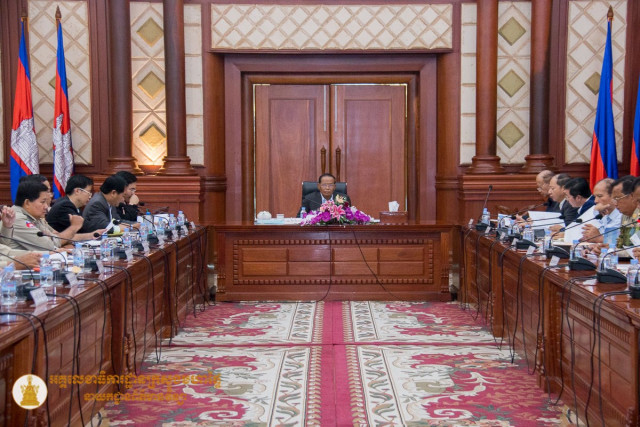
Today, the ICJ and 64 civil society organizations jointly called on the Royal Government of Cambodia (“RGC”) to discard the draft Law on Public Order (“draft law”) which, if adopted, would breach Cambodia’s international legal obligations.
The draft law aims to regulate public spaces and public behavior within those spaces, covering aesthetics, sanitation, cleanliness, noise, and social values, all under the broad aim of maintaining “public order”. It sets out a number of specific activities that are prohibited, lists a range of penalties that may be imposed for violations, and grants unfettered enforcement powers to authorities across all levels of government, with the proclaimed objective of creating “a more civilized society”.
The organizations expressed concern that the draft law contains multiple overbroad and arbitrary provisions which violate numerous human rights protections enshrined in the Constitution of the Kingdom of Cambodia and human rights treaties to which Cambodia is party, including the International Covenant on Civil and Political Rights and the International Covenant on Economic, Social and Cultural Rights.
Amidst an ongoing crackdown on fundamental freedoms in Cambodia, a number of existing laws already grant overbroad and unfettered powers to the RGC and are regularly deployed abusively to undermine human rights. Adoption of this draft Law on Public Order would serve to facilitate a further deterioration of the human rights situation in Cambodia.
The joint statement is available in English here.
The joint statement is available in Khmer here.
Contact
Kingsley Abbott, Senior Legal Adviser, ICJ Global Accountability Initiative e: kingsley.abbott(a)icj.org
See also
ICJ, ‘ICJ and 31 organizations jointly urge Governments to call for respect of human rights in Cambodia’, 22 July 2020
ICJ, ‘Cambodia: State of Emergency bill violates the rule of law’, 8 April 2020
ICJ, ‘Misuse of law will do long-term damage to Cambodia’, 26 July 2018
ICJ report, ‘Achieving Justice for Gross Human Rights Violations in Cambodia: Baseline Study’, October 2017