Jun 26, 2020 | Cases, News
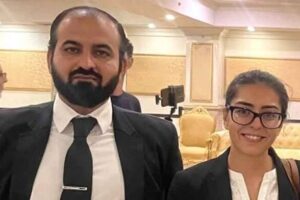
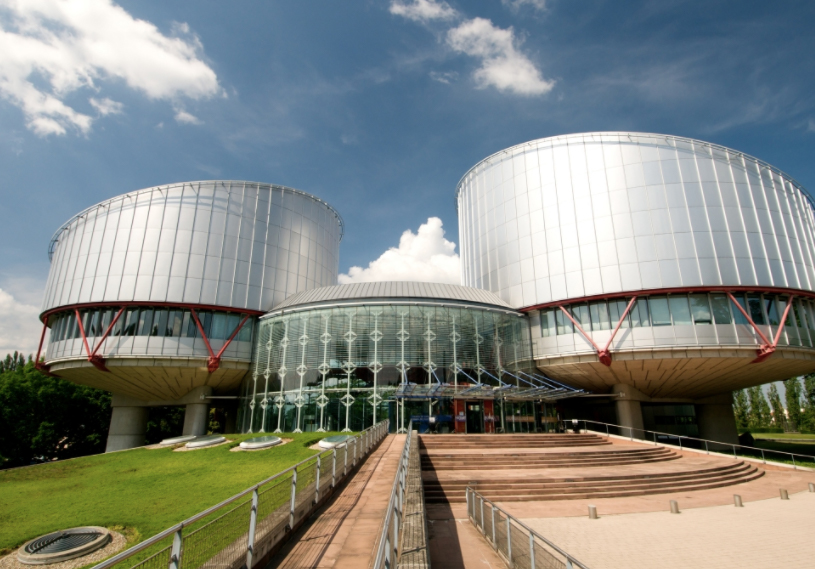
The ICJ today welcomed the judgment by the Court in the case of Bagirov v. Azerbaijan. It found that the suspension from legal practice and subsequent disbarment of Khalid Bagirov violated his rights to freedom of expression and to respect for private life under Articles 10 and 8 of the European Convention on Human Rights (ECHR).
Khalid Bagirov’s suspension from the practice of law was based on his public criticism of ill-treatment by the police, following the wide media coverage of the death of an individual in police custody. Later he represented the victim as a lawyer in the proceedings.
His subsequent disbarment arose from his remarks about a judge made in the courtroom when representing his client in another high-profile case.
The ICJ intervened in this case as a third party, providing an evaluation of the State’s obligation to protect the right to freedom of expression of lawyers in light of international standards on independence of the lawyers and the consequences of disciplinary proceedings for lawyers’ rights under Articles 8 and 10 ECHR.
The ICJ calls on the Azerbaijani authorities to fully and promptly implement the judgment, including by taking steps to restore Khalid Bagirov as a member of the Azerbaijan Bar Association.
“Khalid Bagirov must now be reinstated as a lawyer and be allowed to resume his legal practice in Azerbaijan,” said Massimo Frigo, ICJ Senior Legal Adviser.
“But in addition, this judgment shows that measures need to be taken to address the systemic problem of unjustified disbarments of lawyers who seek to defend human rights in Azerbaijan. Reforms are needed to ensure that the disciplinary process is independent and fair and that penalties are proportionate.”
In its judgment of 25 June 2020, the Court held under Article 10 of the Convention that the reasons given by the domestic courts in support of Khalid Bagirov’s disbarment were not relevant and sufficient, and that the sanction imposed on him was disproportionate to the legitimate aim pursued, having highlighted that “the disbarment cannot but be regarded as a harsh sanction, capable of having a chilling effect on the performance by lawyers of their duties as defence counsel”.
In relation to Article 8 ECHR, the Court further noted that “…in a series of cases it has noted a pattern of arbitrary arrest, detention or other measures taken in respect of government critics, civil society activists and human rights defenders … Against this background, the Court underlines that, notwithstanding the duties, in particular, with respect to their conduct, with which all lawyers must comply, the alleged need in a democratic society for a sanction of disbarment of a lawyer in circumstances such as this would need to be supported by particularly weighty reasons” which had not been established in this case.
In respect of the suspension of the lawyer, the Government contended that the interference with Mr Bagirov’s rights to private life and freedom of expression had been prescribed by law and pursued the legitimate aims of preventing the disclosure of information received in confidence or maintaining the authority and impartiality of the judiciary.
The Court found that, he was not the victim’s lawyer when he made the impugned statements about the police, furthermore, the Court mentioned that it did not find any provision of domestic law preventing a lawyer from calling for peaceful protests against police brutality for the purpose of preventing violence.
The Court further found that while Mr Bagirov’s remarks, about a judge’s lack of capacity, were capable of being offensive, the sanction imposed on him did not struck a fair balance between the need to protect the authority of the judiciary and the need to protect his rights to private life and freedom of expression.
In this connection, the Court stated that inter alia, Mr Bagirov had confined himself to making a statement in a courtroom as a lawyer, in the context of his objections to the shortcomings of the proceedings.
Background
In addition to its intervention in Bhagirov v Azerbaijan, the ICJ has also intervened as a third party in other cases of lawyers from Azerbaijan (Hajibeyli and Aliyev v. Azerbaijan, nos. 6477/08 and 10414/08, § 54, 19 April 2018).
In 2019, the ICJ published recommendations to the Azerbaijan Bar Association on the role and independence of Lawyers,
In 2016, the ICJ published a mission report Defenceless Defenders: Systemic Problems in the Legal Profession of Azerbaijan
Jun 26, 2020
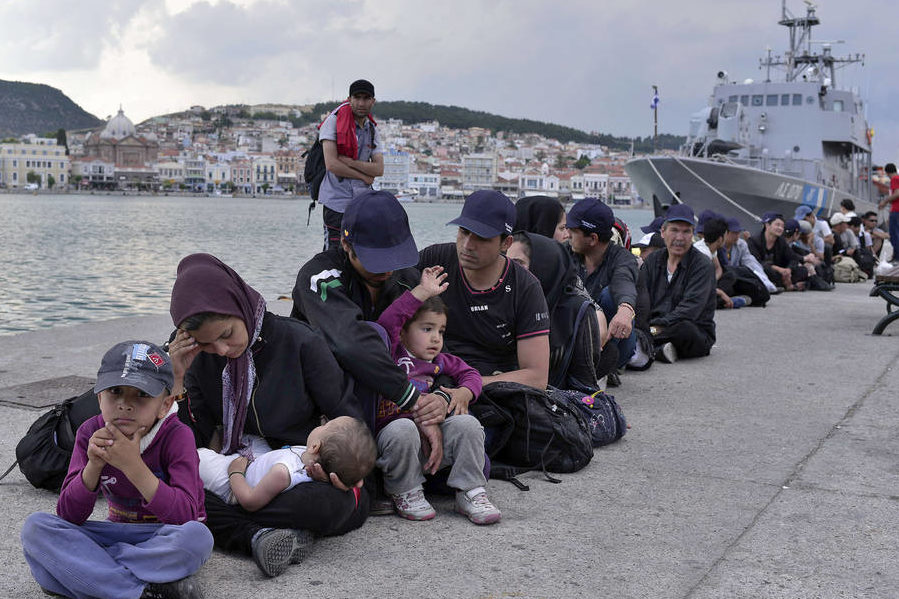
The ICJ publishes today a legal briefing on the impact of COVID-19 related measures on human rights of migrants and refugees in the EU.
Since January 2020, the Coronavirus pandemic has been spreading in Europe. As a result, all EU Member States have taken measures with the stated intention of containing the spread of the virus. These included restrictions on public gatherings, requirements to stay at home except for limited essential activities, and orders to close businesses and cultural and educational institutions. The most severe of these restrictions were in place between March and May 2020, which is the period covered by the paper.
In this period, some EU Member States closed their borders; stopped the registration and lodging of asylum applications; or freedom of movement in and out of reception centers was restricted. Many of these measures affected, often disproportionately, the rights of migrants and refugees.
The briefing paper considers some of these measures, their impact on the human rights of migrants and refugees, and their compliance with international human rights law. It touches in particular upon the following issues: (1) The impact of the closure of the EU external borders and suspension of new and on-going asylum applications; (2) Closure of internal borders and impact of COVID-19 measures on Dublin transfers and the right to family life; (3) Impact of COVID-19 measures on residence permits, right to work and access to health care; (4) Reception and living conditions and (5) Immigration detention.
You will find the briefing here.
The Legal briefing is published in the framework of the FAIR PLUS project funded by the European Union’s Justice Programme (2014-2020). The content of this publication represents the views of the author only and is his/her sole responsibility. The European Commission does not accept any responsibility for use that may be made of the information it contains.
Jun 26, 2020 | News
On the occasion of the International Day in Support of Victims of Torture, the ICJ, Advocacy Forum (AF) and Terai Human Rights Defenders Alliance (THRD Alliance) voiced concerns about the near total failure by authorities to investigate and prosecute acts of torture in Nepal.
Nearly two years after provisions in the new Penal Code that criminalized torture came into effect, not a single torture prosecution appears to have been brought. There have also been very few instances in which victims have received an effective remedy and reparation for their ill-treatment. Nepal has failed to meet its obligations in this regard under article 2(3) of the International Covenant of Civil and Political Rights and article 14 of the Convention Against Torture.
“Nepal has an obligation under international law to hold perpetrators accountable for acts of torture and cruel, inhuman or degrading treatment. This includes obligations as a party to the Convention Against Torture and the international Covenant on Civil and Political Rights,” said Frederick Rawski, ICJ Asia-Pacific Director. “It is disturbing to see that two years after the rightfully celebrated Penal Code provisions criminalizing torture have come into effect, the government has yet to successfully prosecute any acts of torture, which by all accounts continue to occur on a frequent basis.”
The Advocacy Forum and THRD Alliance both published reports today that document instances of torture and other ill-treatment against detainees over the past year. Some 20 percent of the more than 1000 detainees interviewed reported some form of unlawful ill-treatment during confinement.
“Although in some locations there appears to be some improvement in the treatment of detainees, torture and ill-treatment remains far too prevalent,” said Om Prakash Sen Thakuri, Advocacy Forum Executive Director. “Police still continue to rely on “confessions”, typically obtained by ill-treatment or coercion during interrogation, as opposed to conducting proper investigations. Our police institutions need serious reform to ensure that investigative practices conform to international law and standards.”
In a separate report analyzing the obstacles faced by victims in seeking justice for torture and ill-treatment, the THRD Alliance documented the complex challenges faced by torture survivors seeking accountability in the formal justice system. These obstacles included a frequently refusal by police to file a First Information Report on allegations of ill-treatment, statutes of limitation preventing cases from being prosecuted, and a lack of independence of police investigations in the rare cases when they do move forward.
“Despite repeated public commitments by justice sector and human rights institutions, such as the National Human Rights Commission and the Office of the Attorney General, torture survivors still struggle to have their voices heard or have their cases addressed,” said Mohan Karna, Executive Director of the THRD Alliance. “We urge the authorities at both the federal and provincial levels to take action to address the concerns of victims and to institute policies – such as establishing robust detention monitoring and internal accountability mechanisms – that will deter future acts of torture and ill-treatment.”
On the occasion of the International Day in Support of Victims of Torture, the three organizations urged the Government of Nepal to:
- Carry out prompt, thorough, impartial and effective investigations into all allegations of torture and ill-treatment, and to bring prosecutions where warranted under the criminal provisions of the Penal Code.
- Institute structural reform within the police including the establishment of a separate and independent mechanism to investigate allegations of torture and ill-treatment involving police personnel.
- Ensure public availability statistics on the investigation, prosecution and other action taken in response to allegations of torture and ill-treatment.
- Amend the Penal Code and other relevant provisions of law to eliminate the statute of limitations in torture cases, and to ensure that the definition of torture is in line with international law.
- Establish an independent preventative mechanism for monitoring of detention centers.
- Become party to the Optional Protocol of the Convention on Torture
Background
International Day in Support of Victims of Torture is marked worldwide on 26 June every year. Under the International Covenant on Civil and Political Rights (ICCPR) and Convention against Torture and Other Cruel, Inhuman or Degrading Treatment or Punishment (CAT), to which by Nepal is a party, the authorities to investigate, prosecute, punish and provide effective remedies and reparation for the crimes of torture and other acts of ill-treatment.
The Penal Code criminalizing torture came into force in August 2018. While it was welcome as positive step, the provisions fall short of international standards in a number of respects, including failure to recognize the continuous nature of the crime of enforced disappearance or its status as a crime against humanity; an unacceptably brief six-month limitation period to file complaints; and penalties incommensurate with the gravity of the crimes.
Download
Nepali (PDF)
English (PDF)
Contact
Frederick Rawski, ICJ Asia-Pacific Director, e: frederick.rawski@icj.org, t: +66 644781121
Om Prakash Shen Thakuri, AF, Executive Director, e: opsenthakuri@gmail.com, t: +977 9841275732
Mohan Karna, THRD Alliance, Executive Director, e: karnamohan90@gmail.com, t: +977 9841449139
Jun 24, 2020
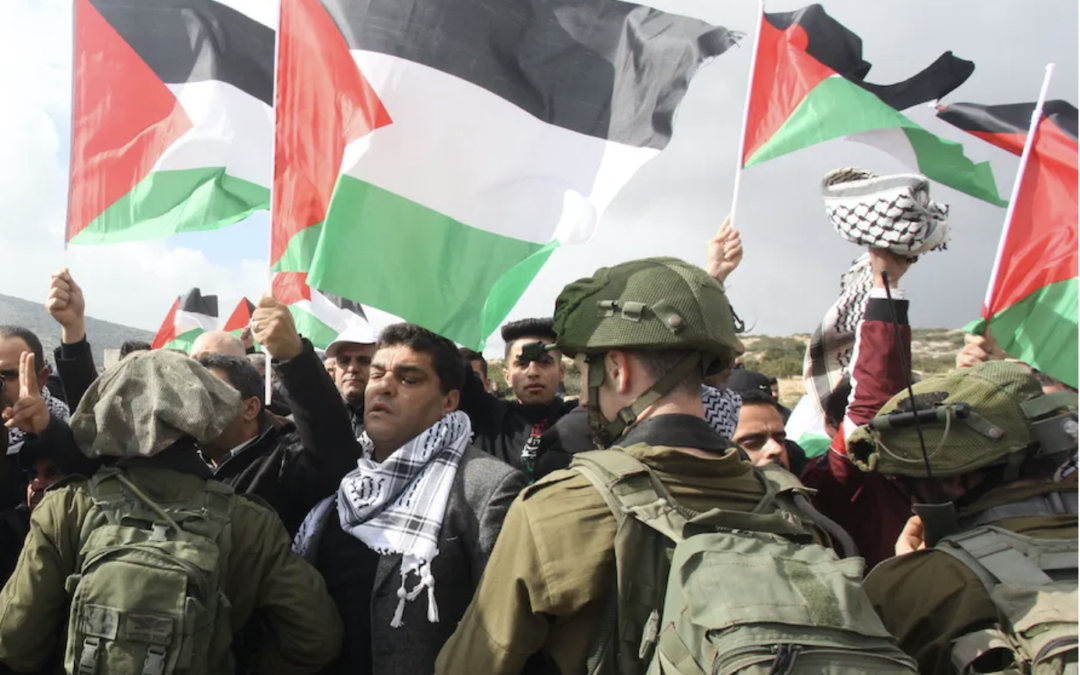
Today, the ICJ published a briefing paper examining Israel’s failure to implement and comply with certain obligations under the International Covenant on Civil and Political Rights (ICCPR).
The briefing examines a number of human rights violations as they arise in the context of:
- Emergency regulations adopted by the Israeli Government during the COVID-19 pandemic;
- The establishment and expansion of settlements in, and the annexation of portions of, the Occupied Palestinian Territory;
- Excessive use of force in the context of Israel’s response to the “Great March of Return” in Gaza; and
- The accountability gaps within the Israeli military justice system.
In the paper, the ICJ recommends the Israeli authorities to undertake steps in order to improve compliance with the ICCPR, including to:
- Ensure that emergency regulations and any related derogating measures adopted with the stated intention of tackling the COVID-19 pandemic are fully consistent with article 4 of the ICCPR;
- Dismantle all the settlements and related infrastructure, including the “Separation Wall”, in the West Bank and East Jerusalem, and withdraw all settlers;
- End any conduct aiming at annexing parts or all of the West Bank, and refrain from taking legislative steps to that end;
- Ensure that the domestic rules of engagement governing the use of potentially lethal force are designed in accordance with article 6 of the ICCPR to guarantee the right to life and bodily integrity, and that Israeli security forces comply with them in practice;
- Transfer the institutional competence to investigate and prosecute alleged crimes under international law committed by members of the Israel Defence Forces from the Military Advocate-General to a civilian authority;
- Reform the laws and institutions governing the initiation of an investigation, and prescribe the opening of an investigation into all incidents involving the use of firearms by the Israel Defence Forces in the OPT, particularly when resulting in a potentially unlawful death or serious injury.
Download
Israel-ICCPR compliance-Advocacy-Analysis Brief-2020-ENG (full briefing paper, in PDF)
Jun 23, 2020 | News
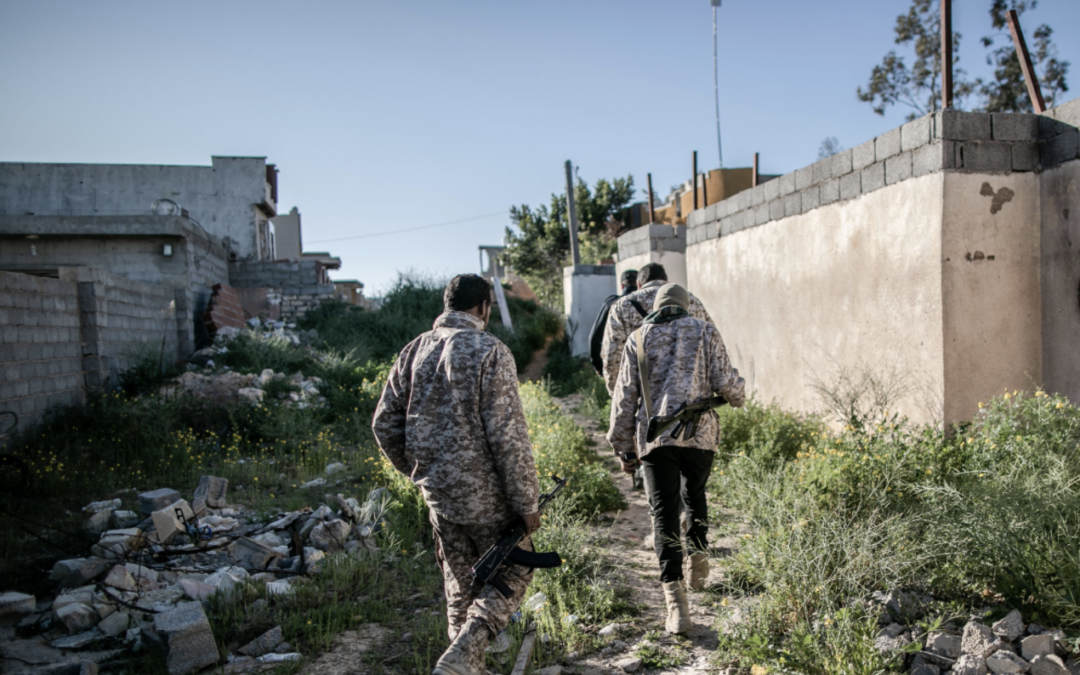
The ICJ welcomes the establishment of a Fact-Finding Mission (FFM) for Libya by the UN Human Rights Council (HRC) at its 43rd session yesterday.
The resolution, titled “Technical assistance and capacity-building to improve human rights in Libya,” mandates the FFM to investigate and preserve evidence of violations of international human rights law and international humanitarian law committed by all parties in Libya since the beginning of 2016, with a view to ensuring that perpetrators be held to account.
“This is a long overdue step in the pursuit of accountability in Libya,” said Said Benarbia, the ICJ’s MENA Programme Director.
“While parties to the conflict have escalated hostilities in recent years and Libyans have been increasingly subject to egregious violations of their rights, States have continued to prioritize politics over justice. The establishment of the FFM is a sign that international actors finally recognize accountability is necessary to end the scourge of violence in the country.”
The FFM is required to submit its written report to the HRC at the 46th session in February-March 2021, giving the FFM only nine months to carry out its work despite the ongoing imposition of COVID-19 measures that will impact its operations.
Given the FFM’s short operational period, the UN High Commissioner for Human Rights will have to move rapidly to appoint FFM experts and staff, allocate adequate resources and dispatch the mission. Staff appointed to the FFM should include experts in the investigation of sexual and gender-based violence crimes and the collection of evidence to a criminal standard.
“It’s imperative that the High Commissioner move quickly to dispatch this mission if it is to have any prospect of examining the full range of violations and abuses being committed across Libya,” said Kate Vigneswaran, the ICJ’s MENA Programme Senior Legal Adviser.
“The OHCHR should ensure the FFM has the full complement of skills and expertise to most effectively investigate crimes being committed in Libya, particularly the widespread sexual violence being perpetrated on women, girls, men and boys.”
The Government of National Accord, the Libyan Arab Armed Forces and all other parties to the conflict should fully cooperate with the FFM, including by granting access to the territories and population over which they have control, where possible in the context of COVID-19.
Other States, in particular those supporting Libyan actors in the ongoing conflict, should also provide full cooperation.
“The cooperation of both national and international actors is necessary for the FFM to engage with victims and preserve evidence, key components of its mandate,” Kate Vigneswaran added.
“While other international investigative mechanisms have shown it’s possible to carry out effective investigations without access to the affected territory, if Libyan actors are truly committed to the populations they assert they serve, they should be facilitating access to all forms of justice, whether national or international.”
The FFM will complement the work of the International Criminal Court in Libya, which has outstanding arrest warrants against Saif Al-Islam Gaddafi, Al-Tuhamy Mohamed Khaled and Mahmoud Mustafa Busayf Al-Werfalli.
The evidence preserved by the FFM may be used by the ICC, as well as States exercising universal jurisdiction, in their investigations and prosecutions.
Contact
Said Benarbia, Director of the ICJ Middle East and North Africa Programme, t: +41 22 979 3817; e: said.benarbia(a)icj.org
Kate Vigneswaran, ICJ Senior Legal Adviser, t: +31 62 489 4664, e: kate.vigneswaran(a)icj.org, twitter: @KateVigneswaran
Background
Violations and abuses of international law, including unlawful killings and attacks on civilian objects, have continued unabated in the last few months. Most recently, on 11 June 2020, the UN Support Mission to Libya reported the discovery of at least eight mass graves, mainly in Tarhuna, in which the bodies of women and children were found. Reports further indicate that the Libyan Arab Armed Forces (LAAF), and their foreign allies, have laid anti-personnel landmines and other booby-traps in buildings as they withdrew from Tripoli, leading to causalities including among civilians returning to their homes after long periods of displacement. Reports of incidents involving “retributive crimes”, including the parading of corpses and looting of perceived opponents’ houses and public property, by GNA-affiliated armed groups have also surfaced.
The ICJ has repeatedly called on States to support the establishment of an international investigative mechanism for Libya, including in the interactive dialogue on the oral update by the High Commissioner for Human Rights on the Situation in Libya.
The draft of the resolution adopted yesterday was numbered A/HRC/43/L.40. The official adopted version will be published by the UN in the coming weeks.