Apr 17, 2020 | Articles, Nouvelles
Un article de Martine Comte, Commissaire française de la CIJ.
En France, dans le cadre de la lutte contre l’épidémie de Covid-19, la loi n° 2020-290 du 23 mars 2020 a introduit de nouvelles dispositions en matière pénale et a habilité le gouvernement à adapter notamment, par ordonnance, compte tenu des circonstances, diverses règles de procédure pénale.
Ce texte a notamment prévu « d’adapter les règles relatives au déroulement et à la durée des détentions provisoires pour permettre l’allongement des délais au cours de l’instruction et en matière d’audiencement, pour une durée proportionnée à celle de droit commun (…) et la prolongation de ces mesures au vu des seules réquisitions écrites du parquet et des observations écrites du prévenu et de son avocat ».
Dans ce cadre, l’article 16 de l’ordonnance n° 2020-303 du 25 mars 2020 a prorogé de plein droit les délais maximums de détention provisoire d ‘une durée de 2, 3 ou 6 mois selon la peine encourue.
Ce texte, combiné aux dispositions de la loi d’habilitation, a donné lieu à deux interprétations divergentes :
– La première, contenue dans la circulaire du ministère de la Justice en date du 26 mars 2020, complétée par une réponse faite à la conférence des premiers présidents de cours d’appel, considère que la notion de délais maximum n’est pas « entendue comme s’appliquant à la durée totale cumulée de détention, mais à la durée du titre de détention en cours ».
Prenons l’exemple d’une instruction en matière criminelle, qui autorise en temps normal la détention provisoire pour une durée de 1 an, renouvelable à deux reprises pour une durée de 6 mois, soit une durée maximale de 2 ans. Dans ce cas, chaque prorogation ne peut être ordonnée que par un juge après débat contradictoire avec avocat.
Ainsi, les prolongations de la détention initiale ordonnée en février 2020 donneraient lieu à débat contradictoire devant un juge en février 2021, puis en août 2021 pour se terminer au plus tard en février 2022 (soit 2 débats contradictoires).
Dans cet exemple, si l’on applique la prolongation de détention prévue par la loi du 25 mars 2020 de 6 mois, une personne placée en détention provisoire au mois de février 2020 serait privée de débat contradictoire devant un juge jusqu’en août 2021, au lieu de février 2021, et aurait droit à un débat contradictoire sur la prolongation en février 2022, la durée maximale de détention prenant fin en août 2022 (soit 2 débats de prolongation).
– La seconde, partagée par différentes associations et syndicats, considère que l’allongement prévu ne s’applique qu’à l’issue des délais maximums de détention, c’est à dire à la fin de la durée totale maximale (ou durée plafond) de cette détention et que la loi d’habilitation ne peut avoir pour effet de priver le détenu de son droit à un débat contradictoire à chaque prolongation.
Si l’on prend le même exemple, avec application de la loi du 25 mars 2020, une personne placée en détention provisoire au mois de février 2020 verrait sa situation examinée dès février 2021, puis en août 2021. Le délai plafond de la détention provisoire étant de 2 ans, il appartiendrait dès lors au juge compétent, en février 2022, s’il en était besoin, de statuer sur la prolongation exceptionnelle de 6 mois, soit jusqu’à août 2022 (soit 3 débats).
C’est dans ce cadre que le Conseil d’Etat a été saisi et a, par décision du 3 avril 2020, rejeté les recours formés pour obtenir la suspension des dispositions des articles 16, 17 et 18 de l’ordonnance du 25 mars 2020 et /ou de l’exécution de la circulaire susvisée, et a implicitement entériné la position du Ministère de la Justice.
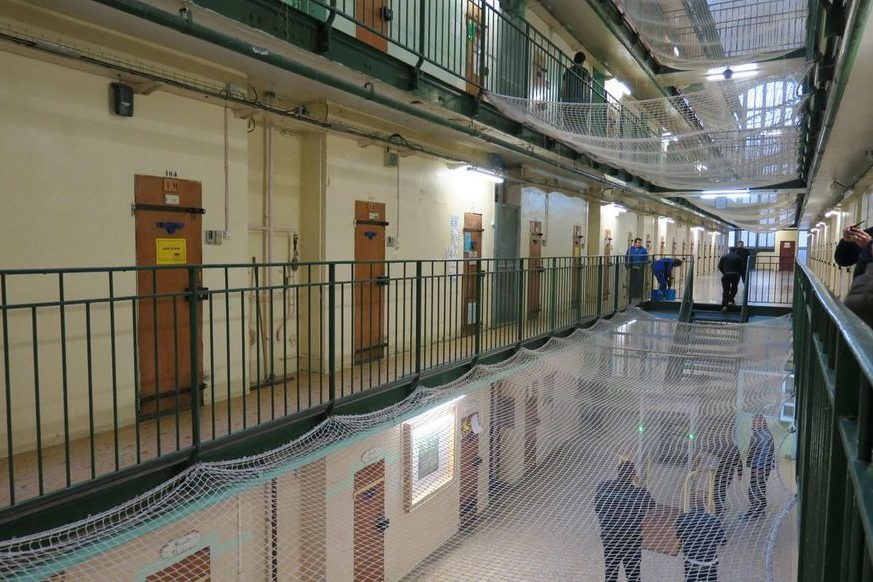
Les conséquences de cette décision posent le problème du nécessaire équilibre entre les droits fondamentaux de la personne détenue et les difficultés des juridictions confrontées à la crise sanitaire.
En effet, la prorogation systématique du titre de détention en cours prive les détenus de la possibilité, prévue par le code de procédure pénale, de voir leur situation examinée par un juge à la fin de la durée de ce titre de détention dans le cadre d’un débat contradictoire, avec l’assistance d’un avocat.
Le fait que les détenus ou le ministère public puissent saisir le juge d’une demande de mise en liberté ne peut être de nature à remédier à cette modification substantielle des droits des personnes en détention provisoire, dans la mesure où on ne peut remplacer par une demande, toujours aléatoire et conditionnée par de multiples éléments, un droit fondamental à bénéficier d’un examen de la prolongation de détention dans le cadre d’un débat contradictoire devant un juge.
Par ailleurs, la possibilité d’utiliser l’écrit, ou la visioconférence, développée dans le cadre des mesures de lutte contre l’épidémie, permettent de garantir la sécurité de tous, détenus comme magistrats ou avocats.
Il convient également d’insister sur le fait que les investigations menées dans le cadre de l’instruction sont extrêmement perturbées, eu égard aux difficultés engendrées par le confinement, ce qui renforce la nécessité d’un examen contradictoire de la situation des détenus, aux échéances « normales » au regard notamment des conditions de détention et de propagation du virus.
Enfin, le dispositif, tel qu’il résulte de la loi du 25 mars 2020 et de la circulaire d’interprétation n’est, me semble-t-il, pas conforme aux articles 5 et 6 de la convention européenne des droits de l’homme, et à l’article 9 et 14 de la Pacte International relatif aux droits civils et politiques, dans la mesure où il restreint considérablement le contrôle effectif de cette privation de liberté par un juge indépendant, dans le cadre d’un débat contradictoire et avec l’assistance d’un avocat.
Il revient maintenant à la cour de cassation, et, peut-être à la CEDH, de trancher ce débat, au risque que le Covid-19, s’il porte une atteinte dramatique à la vie, à la santé et aux conditions de vie, actuelles et futures, des personnes, n’ait aussi pour conséquence une atteinte disproportionnée aux droits et libertés fondamentales.
Apr 17, 2020 | News
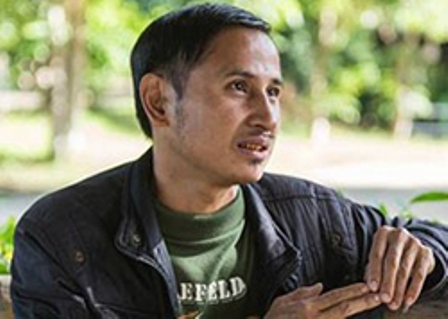
On the sixth anniversary of the apparent enforced disappearance of Karen activist, Pholachi “Billy” Rakchongcharoen, the ICJ repeated its calls for Thailand to bring those responsible to justice and apply appropriate penalties that take into account the extreme seriousness of the crime.
On 23 December 2019, after the Thai Ministry of Justice’s Department of Special Investigation (DSI) in September had located bone fragments which they identified as likely belonging to Billy, eight charges, including premeditated murder and concealing the body, were brought against four officials of Kaeng Krachan National Park, with whom Billy was last seen. However, in January 2020, public prosecutors suddenly dropped seven murder-related charges against the four accused on the basis that there was insufficient evidence to take the cases to trial.
“It is disturbing that after six years the prosecutors could not move forward with the prosecution because the authorities failed to gather evidence to identify the perpetrator for Billy’s murder despite the discovery of bone fragments,” said Frederick Rawski, Asia Regional Director of the ICJ. “Thai authorities should, pursuant to its international legal obligations, continue to gather other direct and circumstantial evidence to prosecute and punish perpetrator with appropriate penalties.”
The four suspects are now facing only a minor charge for failing to exercise their official functions because they released Billy instead of handing him over to the police after they took him into custody in April 2014 for collecting wild honey in the park.
“Thailand needs to implement legislation criminalizing enforced disappearance without delay so that prosecutors have the appropriate tools to prosecute those responsible, and are not forced to bring charges for crimes of lesser gravity,” he added.
Download the statement with detailed background information in English and Thai.
Contact
Frederick Rawski, ICJ Asia-Pacific Director, t: +66 64 478 1121; e: frederick.rawski(a)icj.org
Further reading
Thailand: discovery of “Billy’s” remains should reinvigorate efforts to identify perpetrator(s)
Thailand: continuing delay in the enactment of the draft law on torture and enforced disappearance undermines access to justice and accountability
Apr 16, 2020 | News
The ICJ today called on the Indian Government to take effective measures to mitigate the disproportionate impact of the lockdown on internal migrant workers and guarantee the right to a minimum adequate standard of living to all, in line with India’s international obligations and Indian law.
The call comes just as India announced its second lockdown period starting April 15, 2020, extending the prior 21-day lockdown period, 2020, to 40 days. On March 29, 2020, the Government had also issued a circular prohibiting movement of migrant workers and an order stating that migrant workers be given food and shelter. It banned evictions of all migrant workers for a month.
“While the measures taken by the Government so far are important, they have proved inadequate. The Government’s efforts need to be targeted towards internal migrant workers and respond to the multiple layers of discrimination and risks they face,” said Maitreyi Gupta, ICJ India International Legal Advisor.
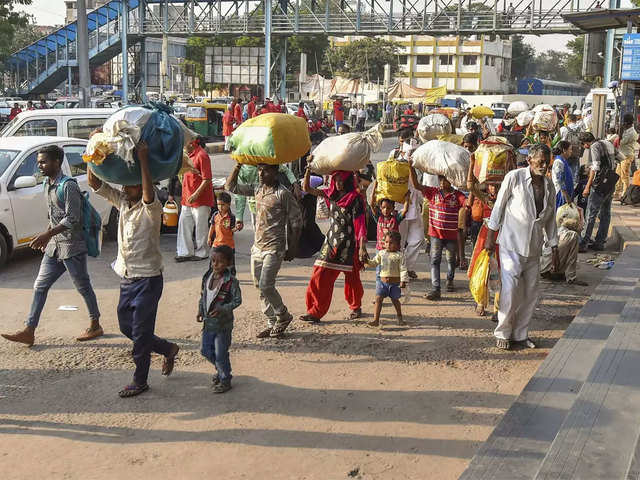
The announcement of the second lockdown has led to thousands of migrant workers in Mumbai and Surat protesting this decision and demanding the right to return home. It came soon after more than 500,000 migrant workers and their families attempted to travel distances of hundreds of kilometers on foot to return to their homes after the first lockdown period was announced on March 24, 2020. This massive internal displacement has led to the deaths of 22 internal migrant workers and their family members, including seven children.
The ICJ called on the Indian authorities to ensure that any restrictions on freedom of movement of migrant workers, protected under international law, is strictly necessary and proportionate and does not result in other human rights violations.
The ICJ is particularly concerned by civil society and media reports indicating that some internal migrants have not eaten for several days and are at the brink of starvation, while others have started rationing their meals to one meal a day.
“The situation of internal migrant workers in India is wholly unacceptable. If their urgent needs are not addressed in a way that respects their human rights, it will only serve to compound the current crisis,” said Frederick Rawski, ICJ Asia-Pacific Director. “We call on the Indian Government to take all necessary measures to bring an end to this deplorable situation.”
The UN High Commissioner for Human Rights Michelle Bachelet on April 2, 2020 also expressed concern at the “plight of India’s internal migrants” and said “more needs to be done as the human tragedy continues to unfold before our eyes”.”
The UN Committee on Economic, Social and Cultural Rights has already called on States to implement “targeted programmes to protect the jobs, wages and benefits of all workers,” and take measures to ensure the “extraordinary mobilization of resources to deal with the COVID-19 pandemic”.
The ICJ urged India to take to all necessary measures to fulfill its obligations to protect the right to adequate standard of living of all internal migrant workers and other vulnerable populations. This includes ensuring access to quality health systems and facilities; minimum essential food; adequate shelter; sanitation and potable water; and timely information.
To download the statement with background information, click here.
Contact
Maitreyi Gupta, ICJ India Legal Adviser, t: +91 77 560 28369 e: maitreyi.gupta(a)icj.org
Frederick Rawski, ICJ Asia-Pacific Director, t: +66 64 478 1121; e: frederick.rawski(a)icj.org
Apr 14, 2020 | Адвокаси, Краткий анализ
В то время как судебные органы по всему миру стремительно ограничивают и сокращают свою деятельности перед лицом пандемии COVID-19, МКЮ публикует соответствующие рекомендации с точки зрения прав человека и верховенства права.
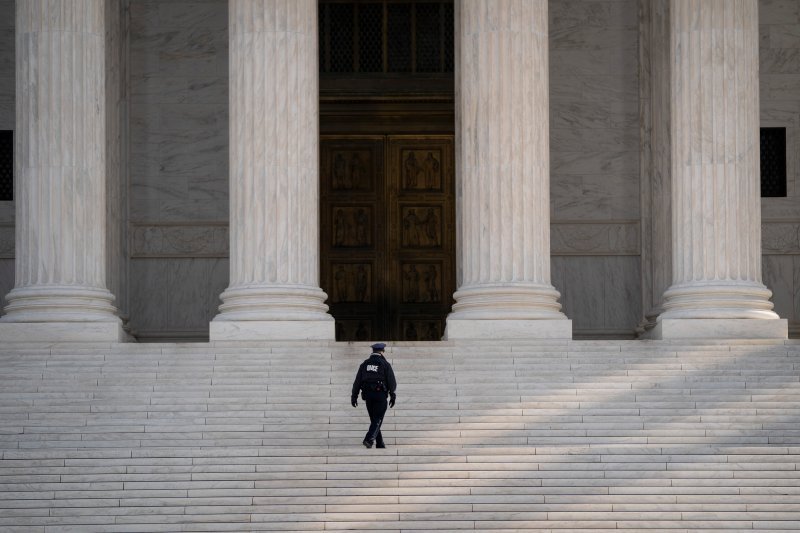
В информационной записке излагается особая и основополагающая роль судов в международном праве в области прав человека, в том числе, в чрезвычайных ситуациях, перед тем как будут рассмотрены такие ключевые вопросы, как приостановление «несрочных» дел, изменения в порядке слушаний, включая использование видео-конференц-связи и устранение последствий практики откладывания дел.
В заключение документ кратко излагает соображения о том, что судьи вынуждены принимать более высокую степень терпимости к риску, чем те, та, что может быть применима в случае некоторых других профессий или государственных учреждения, что обусловлено основополагающей ролью судебной власти в обеспечении прав человека и верховенства права.
Universal-ICJ courts covid-Advocacy-Analysis brief-2020-RUS (PDF)