Sep 8, 2020
The Commission of Inquiry on Enforced Disappearances (COIED) has wholly failed to address entrenched impunity, leaving victims and their loved without any redress, the ICJ said in a briefing paper released today.
Pakistan’s Federal Government constituted the COIED in March 2011, with a mandate to, among other things, “trace the whereabouts of allegedly enforced disappeared persons” and “fix responsibility on individuals or organizations responsible.” While the Commission has “traced” the whereabouts of “missing persons” in a number of cases, there has been no apparent effort made to fix responsibility for this heinous crime.
“This Commission has failed in holding even a single perpetrator of enforced disappearance responsible in its nine years,” said Ian Seiderman, ICJ’s Legal and Policy Director.
“A Commission that does not address impunity, nor facilitate justice for victims and their families, can certainly not be considered effective.”
Hundreds, if not thousands, of people continue to be “missing” in Pakistan following their apparent arrest or abduction by or with complicity of the state. The UN Working Group on Enforced Disappearance has described a “culture of entrenched impunity” regarding the practice.
Despite the COIED’s failure in meeting its given objectives, its mandate was extended multiple times without any consultation with victims’ groups as to whether or under what conditions its operations should be continued. Its present mandate is set to expire on 14 September 2020.
This briefing paper provides an assessment of the performance of the COIED since its formation. It also evaluates the legal framework under which the Commission operates in light of international law and standards.
Some of the concerns about the Commission highlighted in the paper include:
- Lack of structural and functional independence
- No transparent criteria or process for the selection of commissioners
- Questions about the impartiality of the Commission’s Chairperson
- Flawed definition of enforced disappearance
- Limited scope of inquiry
- Inadequate victim and witness protection
- Failure to hold perpetrators accountable
- No public report on its work
Enforced disappearances are crimes under international law. All States have an obligation to promptly, thoroughly, impartially and effectively investigate allegations of enforced disappearance to bring those responsible to justice.
“The Government has used the Commission to deflect criticism and claim it is serious about addressing enforced disappearances,” added Seiderman.
“In reality, however, the COIED has led to a compromised inquiry process where investigations do not lead to accountability, nor do they result in proper and adequate reparation for victims.”
In light of the above, the ICJ has called on the Government not to extend the tenure of the existing COIED. Rather, the Government should hold real and meaningful consultations with all concerned stakeholders – including victims’ groups and human rights organizations – on the need for a new statutory commission that meets international standards.
The ICJ has also made a number of recommendations to the Government of Pakistan to provide for accountability for enforced disappearances; prevent them from occurring in the future; and provide reparations for victims and their families.
Contact
Ian Seiderman: ICJ’s Legal and Policy Director, e: ian.seiderman(a)icj.org
Reema Omer: ICJ’s Senior Legal Advisor, South Asia e: reema.omer(a)icj.org, +447889565691
Additional information
The WGEID has received 1144 cases of allegations of enforced disappearances from Pakistan between 1980 and 2019, of which some 731 remained unclarified as of May 2019.
The COIED has received 6752 cases since March 2011. Out of the these, 4642 cases have been “disposed of” for various reasons, and 2110 cases are still pending.
Download
Pakistan-Commission of Inquiry-Advocacy-Analysis Brief-2020-ENG (PDF)
Sep 3, 2020
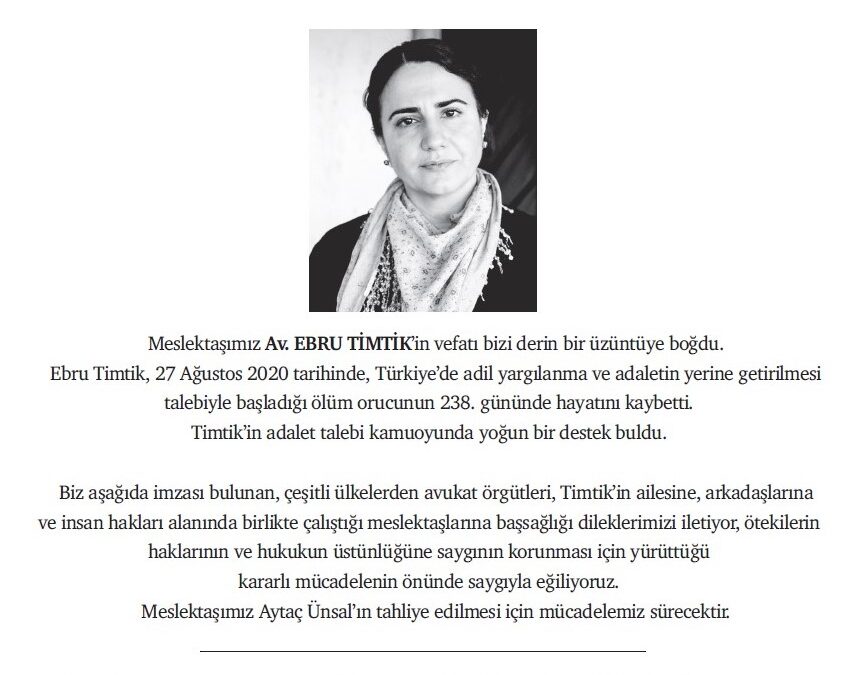
The ICJ has joined other lawyers and human defenders around the world in expressing deep sadness for the loss of human rights lawyer, Ebru Timkik, in an obituary posted in several Turkish newspapers.
The death of Ebru Timkik marks a further low in Turkey’s human rights record and occurred amidst a pervasive crackdown by the Government on the rule of law and human rights in the country and on lawyers, judges and prosecutors defending them.
On 2 September, nine special procedures of the UN Human Rights Council called for effective investigations into her death that was “entirely preventable” and urged Turkey “to release other human rights defenders.”
The text of the obituary in English states:
“Deeply saddened we are by the loss of our colleague lawyer EBRU TIMTIK. She passed away on 27 August 2020 after a hunger strike of 238 days, which she started to strengthen her demand for fair trials and the administration of justice in Turkey. Her demands for justice were supported by many.
We, the undersigned, lawyers organizations from all over the world would like to pay our condolences to her family, friends and colleagues with whom she worked on human rights issues and pay tribute to her determined work to protect the rights of others and promote respect for the rule of law. Our fight to secure the release of her colleague Aytaç Ünsal continues.”
Jul 9, 2020
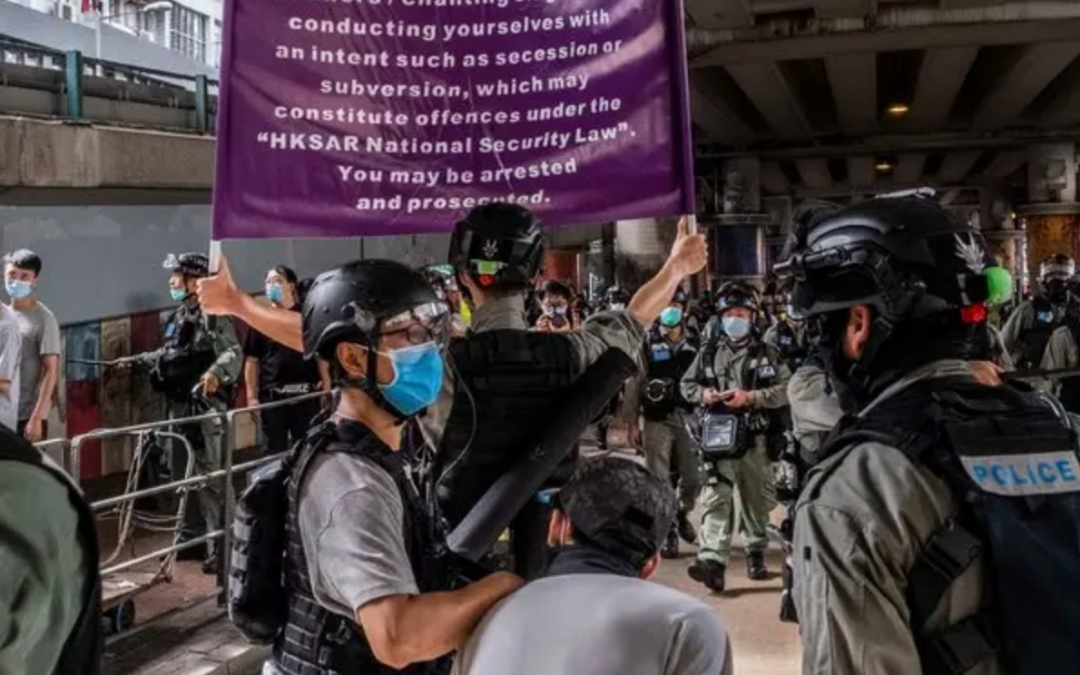
Today, the ICJ called on Chinese legislators to repeal the new National Security Law for Hong Kong Special Administrative Region (SAR) and in the interim for the authorities to suspend the implementation of provisions that are incompatible with the rule of law and the State’s international legal obligations.
In an 11-point Q and A format briefing paper, the ICJ assesses a number of procedural and substantive concerns with the Law and its enactment, including its implication for the exercise of freedom of expression and other human rights, as well as the independence of the judiciary in Hong Kong SAR.
The Law was passed by the Standing Committee of the Thirteenth National People’s Congress (NPC) on 30 June 2020.
“The law’s creation of new security bodies with expansive powers, subject to little or no accountability or oversight, is a recipe for disaster. Given the recent history of police abuse in Hong Kong, we know that these provisions will be used to target human rights defenders and other activists, particularly those involved in the democracy protests,” said Frederick Rawski, ICJ Asia-Pacific Director.
“Arrests have already taken place in the few days since the law has come into effect. Without a right of appeal to an independent judicial body, and a near total lack of transparency, the threat of prosecutions under the law’s criminal provisions poses an existential threat to the rule of law.”
The briefing paper highlights the numerous ways in which it falls short of international law and standards, and raises concerns about its impacts on the protection of human rights and the rule of law in Hong Kong.
The ICJ stressed that the Law falls afoul of the UN Basic Principles on the Independence of the Judiciary and the Beijing Statement of Principles on the Independence of the Judiciary in the LAWASIA Region 1997. In addition, enforcement of the law would undermine the right to a fair trial by a competent, independent and impartial tribunal, guaranteed under Article 14 of the ICCPR. It is also inconsistent with the 1985 Sino-British Joint Declaration which stated that “the Hong Kong Special Administrative Region will be vested with executive, legislative and independent judicial power, including that of final adjudication.”
The ICJ is particularly concerned about the creation of a new national security body and a new police division with overly broad investigative and surveillance powers, but weak accountability mechanisms.
The briefing paper on the Law of the People’s Republic of China on Safeguarding National Security in the Hong Kong Special Administrative Region asks and answers the following questions:
Q 1. What is the historical context of Hong Kong’s special administrative status?
Q 2. What is the background to the national security legislation in the HKSAR?
Q 3. What are China’s human rights obligations in relation to the national security legislation?
Q 4. How is the new National Security Law structured?
Q 5. What are the key concerns regarding the procedural deficiencies in the law?
Q 6. What are the crimes and penalties under the new law and what are the key concerns?
Q 7. Is the right to a fair trial by an independent judiciary safeguarded in the law?
Q 8. What is the mandate of newly established security agencies?
Q 9. How does the law threaten to undermine freedom of expression in the HKSAR and abroad?
Q 10. What kind of powers do the police have under the new law?
Q 11. What does the International Commission of Jurists recommend?
Contact
Frederick Rawski, ICJ Asia and Pacific Regional Director, e: frederick.rawski(a)icj.org
Boram Jang, ICJ Legal Adviser, Asia & the Pacific Programme, e: boram.jang(a)icj.org
Download
Hong-Kong-National-Security-Law-Briefing-Paper-ENG-2020 (PDF)
See also
Jun 26, 2020
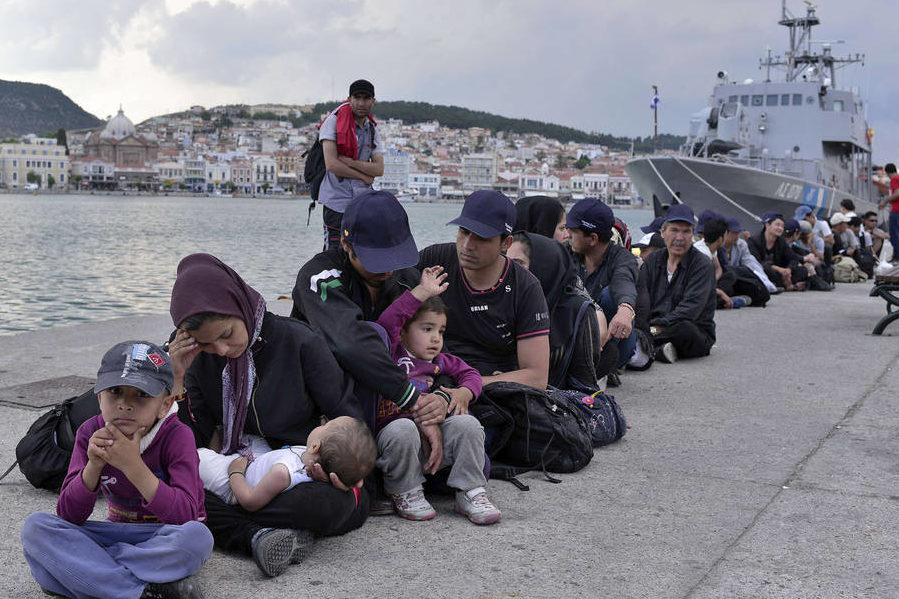
The ICJ publishes today a legal briefing on the impact of COVID-19 related measures on human rights of migrants and refugees in the EU.
Since January 2020, the Coronavirus pandemic has been spreading in Europe. As a result, all EU Member States have taken measures with the stated intention of containing the spread of the virus. These included restrictions on public gatherings, requirements to stay at home except for limited essential activities, and orders to close businesses and cultural and educational institutions. The most severe of these restrictions were in place between March and May 2020, which is the period covered by the paper.
In this period, some EU Member States closed their borders; stopped the registration and lodging of asylum applications; or freedom of movement in and out of reception centers was restricted. Many of these measures affected, often disproportionately, the rights of migrants and refugees.
The briefing paper considers some of these measures, their impact on the human rights of migrants and refugees, and their compliance with international human rights law. It touches in particular upon the following issues: (1) The impact of the closure of the EU external borders and suspension of new and on-going asylum applications; (2) Closure of internal borders and impact of COVID-19 measures on Dublin transfers and the right to family life; (3) Impact of COVID-19 measures on residence permits, right to work and access to health care; (4) Reception and living conditions and (5) Immigration detention.
You will find the briefing here.
The Legal briefing is published in the framework of the FAIR PLUS project funded by the European Union’s Justice Programme (2014-2020). The content of this publication represents the views of the author only and is his/her sole responsibility. The European Commission does not accept any responsibility for use that may be made of the information it contains.
Jun 24, 2020
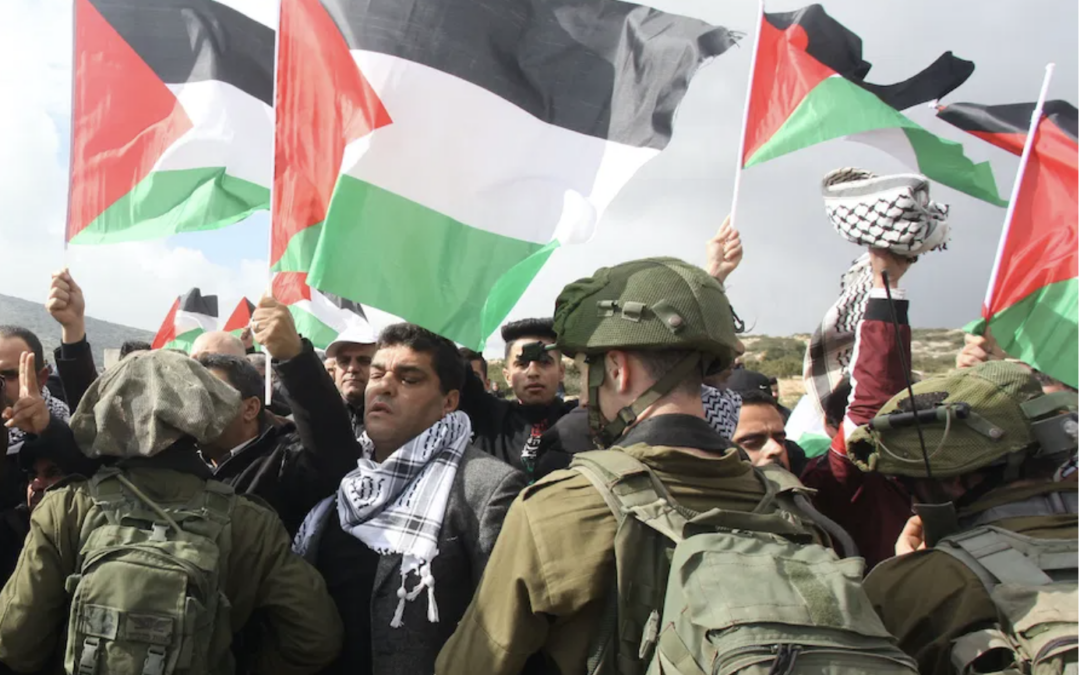
Today, the ICJ published a briefing paper examining Israel’s failure to implement and comply with certain obligations under the International Covenant on Civil and Political Rights (ICCPR).
The briefing examines a number of human rights violations as they arise in the context of:
- Emergency regulations adopted by the Israeli Government during the COVID-19 pandemic;
- The establishment and expansion of settlements in, and the annexation of portions of, the Occupied Palestinian Territory;
- Excessive use of force in the context of Israel’s response to the “Great March of Return” in Gaza; and
- The accountability gaps within the Israeli military justice system.
In the paper, the ICJ recommends the Israeli authorities to undertake steps in order to improve compliance with the ICCPR, including to:
- Ensure that emergency regulations and any related derogating measures adopted with the stated intention of tackling the COVID-19 pandemic are fully consistent with article 4 of the ICCPR;
- Dismantle all the settlements and related infrastructure, including the “Separation Wall”, in the West Bank and East Jerusalem, and withdraw all settlers;
- End any conduct aiming at annexing parts or all of the West Bank, and refrain from taking legislative steps to that end;
- Ensure that the domestic rules of engagement governing the use of potentially lethal force are designed in accordance with article 6 of the ICCPR to guarantee the right to life and bodily integrity, and that Israeli security forces comply with them in practice;
- Transfer the institutional competence to investigate and prosecute alleged crimes under international law committed by members of the Israel Defence Forces from the Military Advocate-General to a civilian authority;
- Reform the laws and institutions governing the initiation of an investigation, and prescribe the opening of an investigation into all incidents involving the use of firearms by the Israel Defence Forces in the OPT, particularly when resulting in a potentially unlawful death or serious injury.
Download
Israel-ICCPR compliance-Advocacy-Analysis Brief-2020-ENG (full briefing paper, in PDF)