Jan 15, 2021 | Comunicados de prensa, Noticias
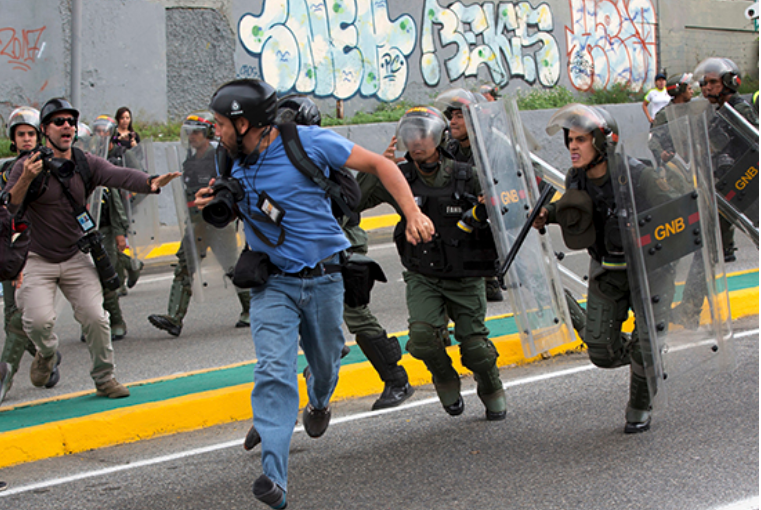
Las recientes campañas de estigmatización, hostigamientos y operativos contra medios de comunicación en Venezuela constituyen una arremetida contra la libertad de expresión e información y atentan contra la importante contribución que estos medios realizan para darle visibilidad a las violaciones de derechos humanos cometidas por las autoridades venezolanas.
Estos ataques se producen después de otros incidentes de hostigamiento a otras organizaciones y pueden ser parte de una campaña más amplia contra la sociedad civil en Venezuela, en la que las autoridades atentan contra la labor de defensa de derechos humanos que realizan estos grupos.
El medio de comunicación Efecto Cocuyo, la cadena de radios comunitarias Fe y Alegría, así como el Sindicato Nacional de Trabajadores de la Prensa, VPI TV y el diario Panorama, entre otros medios de comunicación, se convirtieron en el blanco de campañas estigmatizantes y operativos de fiscalización por parte de las autoridades que responden a Nicolás Maduro. Según la organización venezolana de derechos humanos Provea, durante los primeros ocho meses del estado de alarma declarado por la pandemia han sido detenidos 66 periodistas y trabajadores de medios de comunicación en Venezuela.
Desde el 6 de enero de 2021, medios de comunicación independientes como Efecto Cucuyo y El Pitazo fueron señalados primero por medios privados con una línea editorial afín al gobierno y luego por las autoridades, incluido el propio Maduro, de servir para “injerencia” extranjera por recibir cooperación internacional. Al mismo tiempo, el canal digital de noticias VPI TV fue sometido a una ardua fiscalización y a la incautación de sus equipos en su sede en Caracas, lo que provocó el cierre “momentáneo” de sus operaciones.
El 8 de enero, el diario Panorama dio a conocer en sus redes sociales que había sido clausurado por cinco días por el Servicio Nacional Integrado de Administración Aduanera y Tributaria (SENIAT), bajo el argumento de “incumplimiento a deberes formales de leyes tributarias”. La clausura fue acatada por el medio de comunicación.
Otros medios han sido objeto de ataques por parte de personas desconocidas durante el mismo período. Ejemplo de ello fue el reporte del periódico digital Tal Cual el 8 de enero, qué informó de un ataque digital de tres horas en su contra, durante las cuales hubo dificultades para acceder a su página web.
El gobierno de Nicolás Maduro frecuentemente usa señalamientos y otras formas de hostigamiento para amedrentar e intentar silenciar a quienes lo critican, expresan ideas contrarias a sus políticas, o denuncian violaciones de derechos humanos, e incluso contra actores humanitarios, atentando contra el derecho a la libertad de expresión.
Estos patrones de hostigamiento se pueden traducir en ataques graves contra la integridad, libertad y garantías judiciales de defensores de derechos humanos y periodistas. Según la Alta Comisionada para los Derechos Humanos Michelle Bachelet, en Venezuela “los periodistas y los defensores de los derechos humanos que critican al Gobierno siguen siendo objeto de intimidación y difamación pública” y existen “restricciones a la libertad de expresión” que incluyen la “aplicación de la legislación en contra del odio, ataques en contra de defensores de derechos humanos y detenciones de periodistas”.
Las violaciones a los derechos humanos ocurren de forma sistemática y generalizada en Venezuela, y la Misión de Determinación de los Hechos de las Naciones Unidas encontró “motivos razonables para creer que en Venezuela se cometieron crímenes de lesa humanidad” entre 2014 y 2020.
Las autoridades tienen la responsabilidad de prevenir estos hostigamientos y ataques, y abstenerse de alentarlos o realizarlos. La ocurrencia y recurrencia de este tipo de actuaciones, como la persecución en contra de defensores y periodistas, su detención ilegal o arbitraria, así como la eventual criminalización de la cooperación internacional que promueve la promoción y defensa de derechos humanos, incluida la libertad de expresión, podrían conducir a que se cometan otras graves violaciones de derechos humanos, incluyendo eventuales crímenes de derecho internacional.
Las organizaciones firmantes condenamos estos hechos y exigimos firmemente a las autoridades bajo el mando de Nicolás Maduro que pongan fin a los hostigamientos y ataques contra los medios de comunicación, periodistas y defensores de derechos humanos; igualmente solicitamos que garanticen no solo su labor informativa y el ejercicio de la libertad de expresión, sino también su contribución a visibilizar los abusos y las violaciones a derechos humanos que se cometen en Venezuela.
Organizaciones firmantes:
Amnistía Internacional
Comisión Internacional de Juristas
Conectas
Human Rights Watch
Oficina en Washington para Asuntos Latinoamericanos (WOLA)
Jan 15, 2021 | News
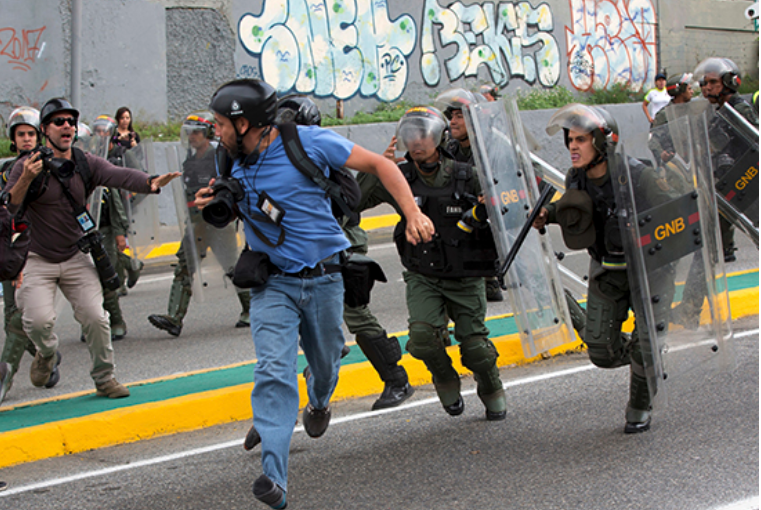
The recent campaigns of stigmatization, harassment, and repression against the media in Venezuela constitute a clear attack against the freedoms of expression and of access to information and infringe upon journalists’ important contributions to expose human rights violations committed by the authorities.
These attacks follow incidents of harassment of other organizations and may be part of a broader campaign against civil society in Venezuela, through which the authorities undermine the work that these groups carry out in defense of human rights.
The media outlet Efecto Cocuyo, community radio channel Fe y Alegría, as well as the National Press Workers Union, VPI TV, and news journal Panorama, among other media outlets, have become the target of stigmatization campaigns and legal scrutiny by the authorities that respond to Nicolás Maduro.
According to Venezuelan human rights organization PROVEA, during the first 8 months of the state of emergency declared in response to the pandemic, 66 journalists and media staff have been detained in Venezuela.
Since January 6, 2021, independent media organizations such as Efecto Cocuyo and El Pitazo have been accused, first by pro-government media and later by Venezuelan authorities—including Maduro himself—of advancing foreign “interference” efforts in exchange for international cooperation.
At the same time, digital news channel VPI TV was subject to an arduous audit and the seizure of its equipment from its office in Caracas, which provoked the “temporary” closing of its operations.
On January 8, daily newspaper Panorama announced on social media that its operations had been closed for five days by the National Integrated Service for the Administration of Customs Duties and Taxes (SENIAT), on the grounds of “incompliance with formal duties and tax obligations.” The media organization complied with this order to close.
Other media groups have faced attacks by unknown actors during this same period. One example is the digital newspaper Tal Cual, which on January 8 reported that it had been the target of a 3 hour-long digital attack, during which staff experienced difficulties accessing their own web page.
The government of Nicolás Maduro frequently uses public accusations and other forms of harassment to intimidate and attempt to silence those who criticize the government, express ideas contrary to its policies, or denounce human rights violations—including against humanitarian actors—all of which undermines the right to freedom of expression.
These patterns of harassment amount to serious attacks against the integrity, freedom, and judicial guarantees of human rights defenders and journalists.
According to High Commissioner for Human Rights Michelle Bachelet, in Venezuela “journalists and human rights defenders critical of the government continue to face intimidation and public defamation,” and there are clear “restrictions on the freedom of expression,” including the “application of legislation against targeted groups, attacks against human rights defenders and the detention of journalists.”
Human rights violations occur in a systematic and generalized manner in Venezuela, and the United Nations Fact-Finding Mission found “reasonable grounds to believe” that crimes against humanity were committed in Venezuela between 2014 and 2020.
The Venezuelan authorities have a responsibility to prevent such harassment and attacks, and to abstain from encouraging or committing them.
The occurrence and recurrence of these types of actions, including the persecution of human rights defenders and journalists, the violation of their freedom of expression or illegal or arbitrary detention, or the eventual criminalization of international support for human rights defenders, may amount to serious human rights violations or crimes under international law.
The below organizations condemn these incidents and firmly demand that authorities under the command of Nicolás Maduro put an end to the harassment and attacks against media outlets, journalists, and human rights defenders.
We also request that the authorities guarantee respect for the informative work of these groups and their freedom of expression, as well as their contributions to expose human rights abuses and violations committed in Venezuela.
Signing organizations:
Amnesty International
Conectas
International Commission of Jurists
Human Rights Watch
Washington Office on Latin America (WOLA)
Jan 14, 2021 | News
The ICJ today deplored the comprehensive failure of the Sri Lankan authorities to ensure accountability for conflict-era crimes, marked by the dropping of charges and release of all five accused in the Joseph Pararajasingham murder trial.
Parliamentarian Joseph Pararajasingham was killed by unidentified gunmen on 25 December 2005 while he attended Christmas mass at the Batticaloa St. Mary’s Cathedral, in the Eastern Province of Sri Lanka. Eight other people, including his wife, were injured during the firing.
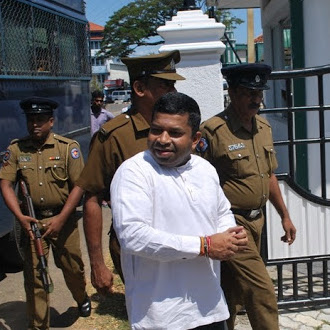
Yesterday, the Batticaloa High Court acquitted and ordered the released of all five accused, including former-LTTE cadre and now-Member of Parliament, Sivanesathurai Chandrakanthan alias ‘Pillaiyaan’, in the trial of Pararajasingham, a former Tamil National Alliance Parliamentarian. The judgment was delivered after the Attorney General’s Department (AG) informed the Court that it would not proceed with the prosecution. The AG provided no reason publicly for this decision.
“The shelving of this case five years after it began, is a blow to the victims of this serious human rights atrocity.” said Ian Seiderman, ICJ’s Legal and Policy Director.
“This constitutes yet another marker of Sri Lanka’s consistent failure to hold accountable perpetrators of serious conflict-era crimes,” he added.
In November 2020, the AG had informed the Batticaloa High Court that he intended to proceed with the case, notwithstanding the Court of Appeal deemed inadmissible important evidence of the prosecution’s case.
The UN Office of the High Commissioner on Human Rights Investigation on Sri Lanka (2015) had already concluded that “there are reasonable grounds to believe that the Karuna Group (of which Chandrakanthan was a member) killed Joseph Pararajasingham, and that it was aided and abetted by security and army personnel.”
The acquittal in Pararajasingham’s murder case follows that of another Tamil Parliamentarian Nadarajah Raviraj, where an all-Sinhalese jury acquitted five persons including three Navy intelligence officers in December 2016, a decade after his murder.
The UN High Commissioner for Human Rights identified both these cases, in which no progress had been made, emblematic of Sri Lanka’s dismal record on accountability.
The ICJ called on the Attorney General’s Department to reopen fresh investigations into the murder of the deceased legislator so as to ensure justice and justice for the victims of this atrocity.
The ICJ notes that the Attorney General maintains the dual role of public prosecutor and as attorney for the State, positions which are prone to come into tension. The former UN Special Rapporteur on the Independence of Judges and Lawyers, Monica Pinto, following her mission to Sri Lanka in 2016 observed that “there is a general perception that, first and foremost, the [Attorney General’s] department defends the interests of the government and not the public’s interest.”
Background
Sivanesathurai Chandrakanthan who broke away from the Liberation Tigers of Tamil Eelam (LTTE) in 2004, functioned as a paramilitary, in support of the then-Rajapaksa Government. He is presently the leader of Tamil Makkal Viduthalai Pulikal (TMVP), a political party aligned to the Government and was voted into Parliament at the 2020 General Elections.
Investigation into the killing only began in 2015, after a new government was formed following elections which saw the defeat of Rajapaksa. Chandrakanthan was taken into remand custody on 11 October 2015 when he arrived at the Criminal Investigation Department to record a statement in relation to the assassination of the late Tamil politician. The Attorney General indicted that Chandrakanthan (who was 3rd accused) in the High Court of Batticaloa for offences committed under the Penal Code and the Prevention of Terrorism Act. He was granted bail for the first time in November 2020 after the primary evidence against the accused was deemed inadmissible by the Court of Appeal. The case was fixed for January 11 only after the AG informed courts he intended proceeding with the case notwithstanding the Appeal Court ruling.
Contact
Osama Motiwala, ICJ Communications Officer, Asia & Pacific programme, e: osama.motiwala(a)icj.org
Dec 21, 2020 | News
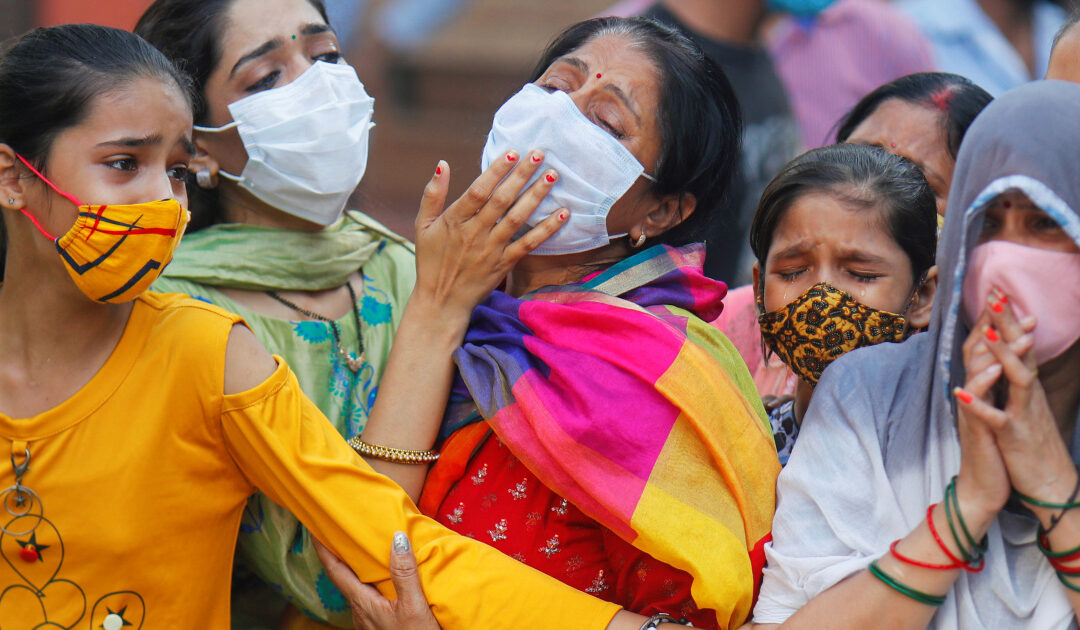
We are all about to celebrate the festive season. For a large number of people, there will be little to celebrate. Rule of Law & Human Rights violations are taking place, daily, unaccounted for and affecting their lives.
Here are some example:
- Failure to access healthcare of all people in India, Libya and South Africa;
- Enacting effective bans on abortion in some states in the USA;
- Failure to adequately tackle skyrocketing domestic violence around the globe during lockdown;
- Rights of refugees, stateless persons and destitute migrants being trampled on worldwide;
- LGBT minorities refused access to shelters;
- Ban on sexual education in Poland;
- Hungary’s prohibition of legal gender recognition;
- Curtailing of due process and fair trial rights;
- … and more
For almost a year, the ICJ has been on the front lines to document, advocate and provide efficient legal tools for civil society and the legal community to stop these abuses.
Please click on Donate, as little as 5 US$, to support ICJ fight against these repeated attacks on the most basic of Human Rights.
Dec 21, 2020 | News
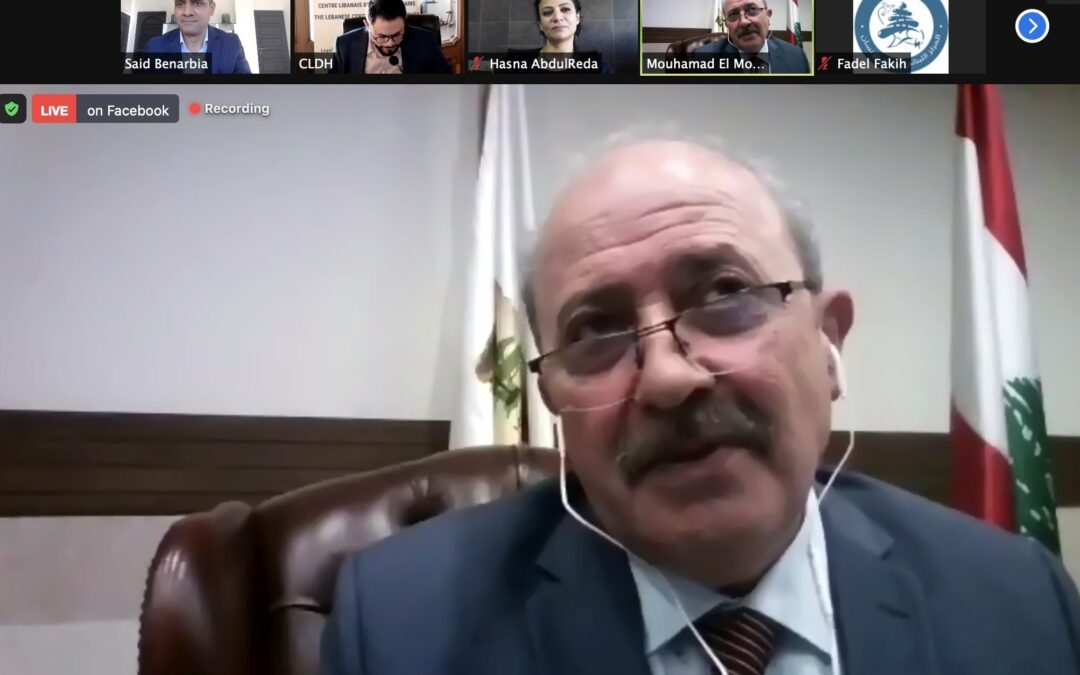
Today, the Lebanese Center for Human Rights (CLDH) and the ICJ held a joint webinar on migrants and refugees in Lebanon. The organizations addressed the situation of migrant workers and refugees including their legal and social status and the violations to which they are exposed.
The ICJ and CLDH called on the Lebanese authorities to adopt and enforce just, fair and effective legal and policy frameworks to address the entry and stay of refugees and migrants in Lebanon, and ensure the protection of their human rights in full compliance with Lebanon’s obligations under international law, particularly their non-refoulement obligations.
The ICJ launched its recent report Unrecognized and Unprotected: The Treatment of Refugees and Migrants in Lebanon, which undertakes an assessment of the Lebanese legal framework governing the treatment of migrants and refugees in the country, including their entry and stay.
The report concludes that the legal and policy gaps, together with the executive’s excessive and unchecked powers in shaping and implementing migration-related policies, have led to serious violations to refugees’ and migrants’ human rights in Lebanon.
The ICJ presented the findings and key recommendations of its report, which included urging the Lebanese government to ensure that no individual is transferred to a country where he or she faces a real risk of persecution or other forms of serious harm, such as torture or other cruel, inhuman or degrading treatment or punishment.
Procedural obstacles preventing migrant workers and refugees from accessing justice, such as lacking residency papers, were examined by CLDH.
The webinar, facilitated by CLDH’s Executive Director Fadel Fakih, commenced with opening remarks from Said Benarbia, Director of the ICJ’s Middle East and North Africa Programme, and Wadih Al-Asmar, President of CLDH. Attendees included civil society, lawyers, and members of the Lebanese Bar association.
Underscoring that Lebanon is obligated to protect the rights of refugees and asylum seekers despite not being a State party to the 1951 Refugee Convention, as these rights are guaranteed by other international conventions ratified by Lebanon including the International Covenant on Civil and Political Rights (ICCPR) and the UN Convention against Torture and other Cruel, Inhuman and Degrading Treatment or Punishment (UNCAT), Al-Asmar called on the Lebanese State to abandon its repressive security approach towards refugee populations, and to abolish the exploitative Kafala sponsorship system.
Benarbia addressed how normative gaps, together with restrictive provisions of the 1962 Law of Entry and Exit, including those criminalizing “irregular entry,” undermine the right of refugees to an individual examination of their asylum claim, their right to liberty and security of person, and their right to an effective legal remedy for human rights violations.
He pointed out that laws and policies impacting on migrants and refugees should be adopted and implemented by legally constituted civilian authorities, subject to legislative oversight and judicial review.
CLDH members Hasna Abdul Reda and Rabih Keyrouz focused on the obstacles that continue to impede migrant workers and refugees from accessing justice in Lebanon. CLDH Programme Manager, Josiane Noun, presented CLDH’s Legal Aid Programme and support services that the organization has made available to migrant workers and refugees.
Kouakou Adjo Delphine, representing the Alliance of Migrant Domestic Workers in Lebanon, discussed the challenges domestic migrants face in accessing justice for human rights violations.
The conference concluded with an open discussion between panelists and participants where possible solutions to enhance the protection afforded to migrant workers and refugees in Lebanon were discussed.