Jun 13, 2017 | News
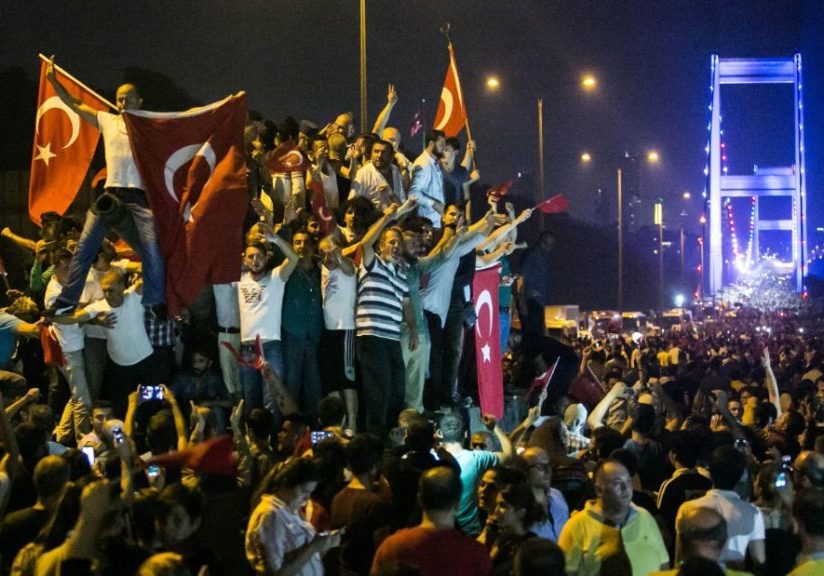
The ICJ welcomed today the Special Rapporteur’s report on Turkey and his preliminary findings on his visit to the country last November.
The ICJ welcomes and concurs with the finding that the “situation of the judiciary is undermining freedom of opinion and expression”.
Mass dismissals of judges have had a devastating effect on the judiciary’s independence, already weakened by the current state of emergency. Furthermore, we are concerned at the claim by the President that the state of emergency will remain in place until Turkey reaches “peace and prosperity”. Whatever other questions there may be about their validity, maintaining emergency derogations to human rights law instruments for such an open-ended period would clearly not be in line with international law.
The ICJ is also concerned at the constitutional amendments approved on the 16th of April by a referendum. Among other things, the amendments have given powers to the President and the Parliament to appoint all the members of the High Council of Judges and Prosecutors, the body tasked with protecting the independence of these professions.
The judiciary has had in the past an important role in implementing legislation that has severely limited the freedom of journalists to carry out their job.
The independence of the judiciary has now been eroded to its core in Turkey. Without it, there is no effective remedy in the country to protect freedom of opinion and expression.
Further reading: ICJ’s briefing paper Turkey: the Judicial System in Peril
Jun 8, 2017 | Events, News
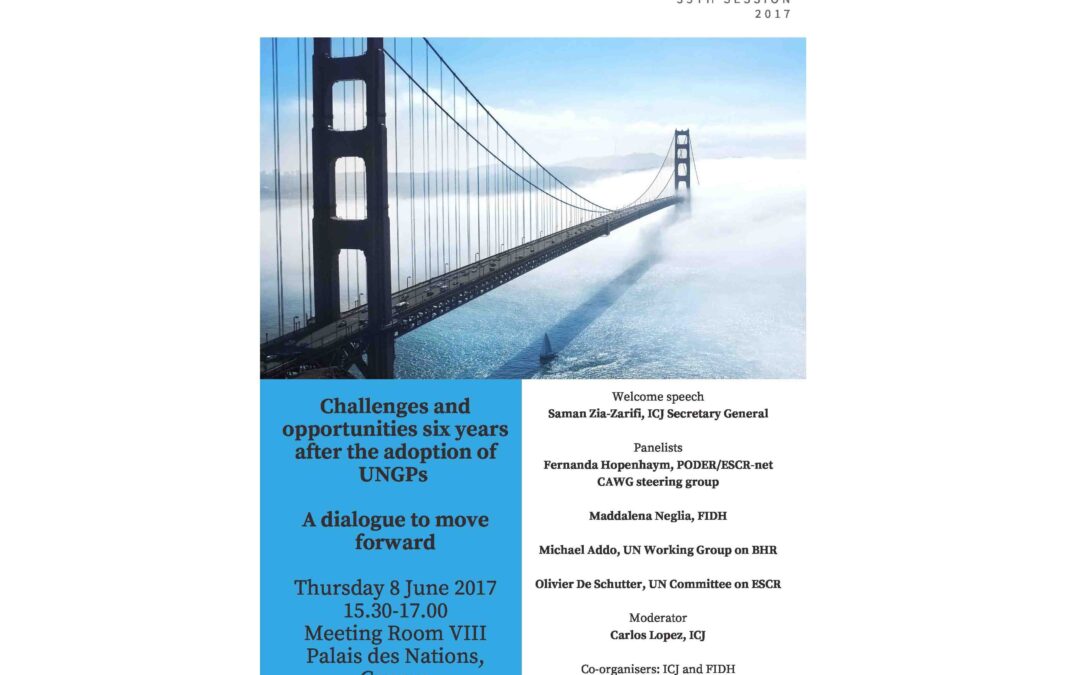
Today, the ICJ and FIDH are organizing a side event to to the 35th Regular session of the Human Rights Council on business and human rights.
Business responsibility to respect human rights
Challenges and opportunities six years after the adoption of UNGPs
A dialogue to move forward
Thursday 8 June 2017, 15.30-17.00
Meeting Room VIII
Palais des Nations, Geneva
After the adoption of the UNGP in 2011, standards on business responsibility to respect human rights and business human rights due diligence have gained prominence in the global debate on business accountability.
Many companies claim to comply with the UNGP by performing a human rights due diligence including across their global supply chain.
Several initiatives have emerged at regional and national level to promote companies’ due diligence processes, including the EU Directive on non-financial reporting, the UK Modern Slavery Act, the French law on company devoir de vigilance.
Despite the progress, serious human rights abuses still occur in both developing and developed countries.
The ability of companies to identify, monitor and prevent negative human rights impacts in their operations and relationships is still weak and the access to effective remedy remains difficult if not impossible.
This is an opportune moment to take stock of the progresses made to date and the challenges ahead in order to create a level playing field that will effectively promote the respect of human rights in business global operations.
Welcome speech
Saman Zia-Zarifi, ICJ Secretary General
Moderator
Carlos Lopez, ICJ
Panelists
Fernanda Hopenhaym, PODER/ESCR-net CAWG steering group
Maddalena Neglia, FIDH
Michael Addo, UN Working Group on BHR
Olivier De Schutter, UN Committee on ESCR/University of Louvain
Jun 7, 2017 | Events, News
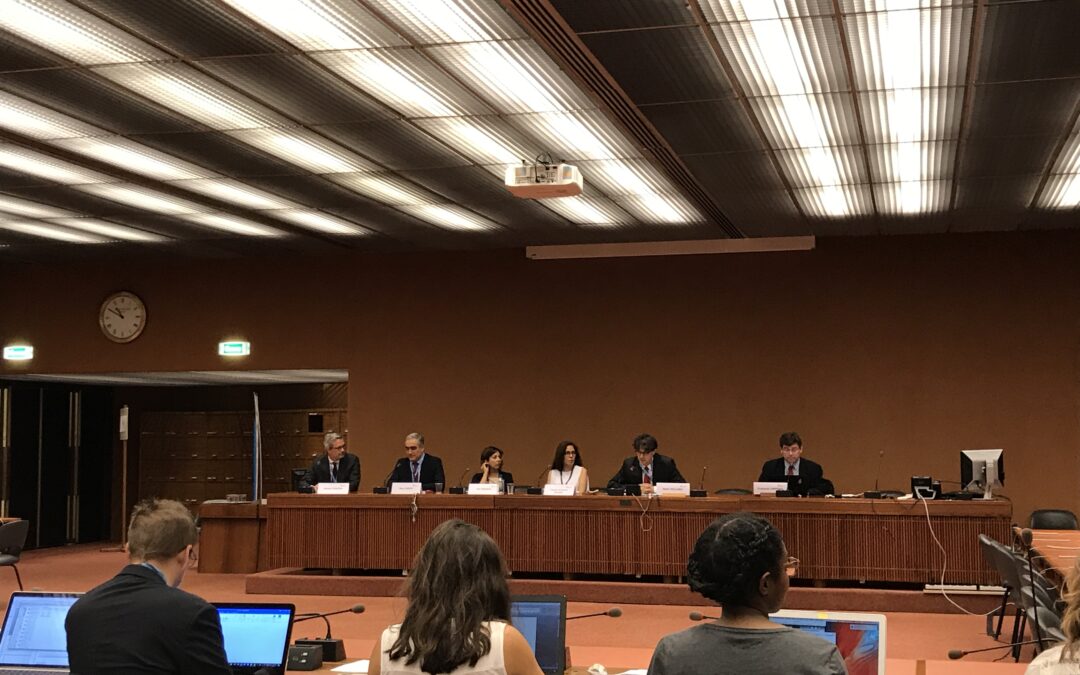
The ICJ organised a panel discussion on 8 June 2017, on the role of judges and lawyers in relation to refugees and migrants, at a side event to the 35th session of the UN Human Rights Council in Geneva.
The Panel was held on the occasion of the publication of ICJ Principles and Commentary on the topic, developed in consultation with judges, lawyers and other expert practitioners from around the world.
The event took place on Thursday, 8 June 2017, from 10:30 to 11:30, in Room XXI of the Palais des Nations, Geneva.
Welcome remarks were delivered by:
- Saman Zia-Zarifi, Secretary General of the ICJ.
- Olivier Coutau, Délégué à la Genève internationale, Republic and Canton of Geneva
Panelists included:
- François Crépeau, UN Special Rapporteur on the human rights of migrants.
- Carole Simone Dahan, Senior Legal Advisor on Judicial Engagement, UNHCR.
- Pia Oberoi, Advisor on Migration and Human Rights, OHCHR.
The discussion was moderated by Matt Pollard, ICJ Senior Legal Adviser.
At the event, each of the panelists emphasised the importance of access to independence courts and lawyers for securing the rights of refugees and migrants, and highlighted the importance and utlity of the ICJ Principles in this regard.
More background on the ICJ Principles and Commentary is available by clicking here.
For more information, email un(a)icj.org
A flyer for the event may be downloaded in PDF format here: Refugees-Migrants-ICJ-Event-HRC35-June2017
The consultations, development and publication of the ICJ Principles were made possible with the financial support of the Republic and Canton of Geneva, for which the ICJ is grateful.
Jun 5, 2017 | News
La CIJ espresa su más honda preocupación por los desalojos forzosos de las comunidasdes de Laguna Larga y la Mestiza, del Departamento de El Petén.
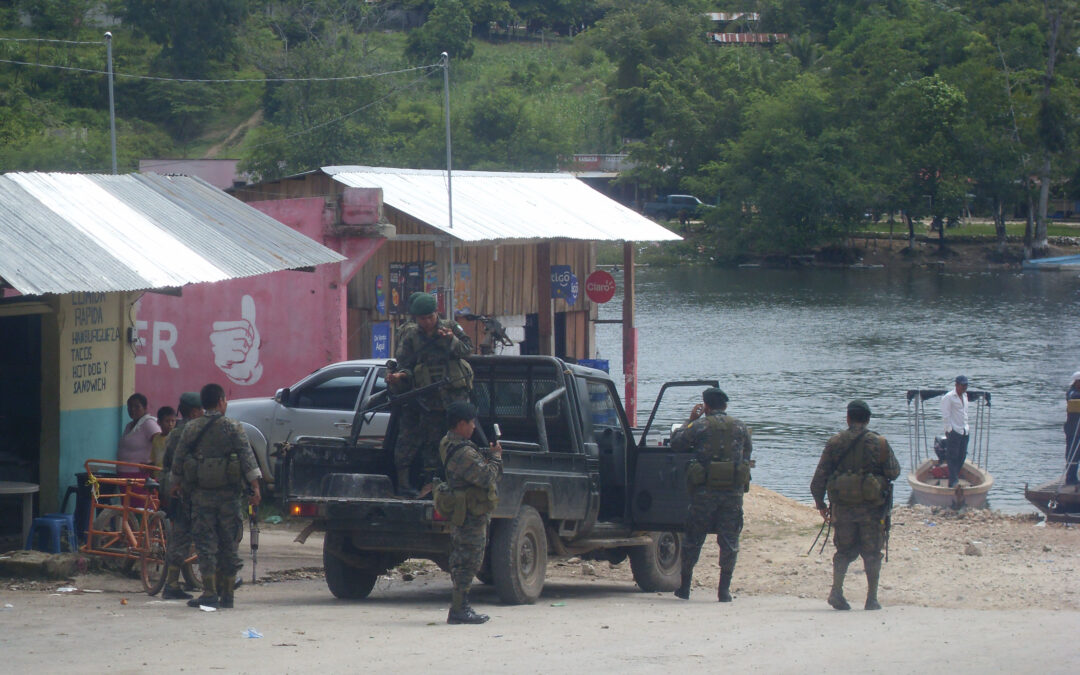
El pasado viernes 2 de junio, el Gobierno de Guatemala llevó a cabo un operativo militar en el Departamento de El Petén de desalojo forzoso de la comunidad Laguna Larga, situada en Laguna del Tigre en el municipio de San Andres, y tiene programado llevar a cabo otro de la comunidad La Mestiza, del mismo municipio, para el 14 de junio.
Como consecuencia de este operativo militar, la comunidad de Laguna Larga – alrededor de 600 o 700 personas, incluidos niños, mujeres y ancianos- decidió desplazarse en condiciones deplorables hacia territorio mexicano, en búsqueda de refugio y protección.
El sábado 3 de junio los miembros de la comunidad de Laguna Larga cruzaron la frontera y se encuentran actualmente en el municipio de La Candelaria, Campeche, México, en condiciones sumamente adversas. Varios niños y niñas muestran signos de enfermedades respiratorias.
Preocupa particularmente a la CIJ la situación física y mental de un niño que fuera perseguido por las fuerzas militares, durante el operativo de desalojo.
En repetidas ocasiones, la CIJ ha expresado que las comunidades que viven en los municipios de San Andrés y La Libertad en el departamento de El Petén, siguen enfrentando la exclusión sistemática por parte de las instituciones del Estado, así como violaciones graves a los derechos humanos, en particular violaciones a los derechos económicos, sociales y culturales.
Por el hecho de vivir en una zona protegida de conformidad con la Ley de Áreas Protegidas, el Estado guatemalteco considera a estas poblaciones como “ilegales” y las acusa de cometer el delito de “usurpación” de áreas protegidas, prohibiendo el ingreso de materiales de construcción, herramientas o cualquier bien que pueda garantizar o significar la más mínima “permanencia” en dichas comunidades o en la zona.
Recientemente fue detenido arbitrariamente el señor Jovel Tovar, acusado del delito de usurpación de áreas protegidas, quien se encuentra detenido en la cárcel de San Benito, en el Departamento de El Petén.
Paradójicamente, el Estado guatemalteco permite y facilita la explotación petrolera en dicha zona, de la compañía PERENCO, a pesar de que los derrames petroleros y otras actividades relacionadas con esa actividad, producen un serio deterioro a las reservas de agua dulce, las cuales son las más importantes de Mesoamérica.
La CIJ considera que esta política afecta seriamente los derechos de la población asentada en la zona.
En repetidas ocasiones, la CIJ ha podido observar que el Ejército de Guatemala, conjuntamente con la Comisión Nacional de Áreas Protegidas (CONAP), implementa operativos por medio de los cuales se lleva a cabo un acoso permanente a las comunidades que viven en las zonas protegidas.
La presencia del Ejército de Guatemala en la zona y la existencia de diferentes “retenes” militares son parte de la estrategia de acoso permanente a las poblaciones asentadas en la región, las cuales llegaron allí en el marco de un programa estatal en los años setenta, antes de la declaración de zona protegida.
Según la Constitución Política de la República de Guatemala, el Estado se organiza para proteger a la persona y no para perseguirla.
El acoso permanente a las comunidades, así como las políticas de Estado contra las personas que viven en las zonas protegidas, estableciendo “cercos de presión psicológica, material y militar”, constituye una política de Estado que contradice la Constitución Política de Guatemala, así como convenios y tratados en materia de derechos humanos – especialmente el Pacto Internacional de Derechos Económicos, Sociales y Culturales (PIDESC) de las Naciones Unidas-, que imponen la obligación al Estado de garantizar los derechos económicos, sociales y culturales y que toda persona disfrute del más alto nivel posible de salud física y mental.
Ramón Cadena, Director de la CIJ para Centro América expresó: “Esta política del Estado de Guatemala de desalojar a las comunidades de cualquier región del país en forma violenta, contraviene el Derecho Internacional de los Derechos Humanos y los estándares internacionales y el Estado de Guatemala debe ser declarado responsable y reparar los daños y perjuicios causados.”
Para mayor información:
Ramón Cadena, director CIJ C.A. al correo ramon.cadena(a)icj.org o a los telefonos +502 23601919; +502 23610538.
Leer más aqui:
Guatemala-Desalojo Peten-News-2017-SPA (en PDF)
Jun 5, 2017 | Noticias
La CIJ espresa su más honda preocupación por los desalojos forzosos de las comunidasdes de Laguna Larga y la Mestiza, del Departamento de El Petén.
El pasado viernes 2 de junio, el Gobierno de Guatemala llevó a cabo un operativo militar en el Departamento de El Petén de desalojo forzoso de la comunidad Laguna Larga, situada en Laguna del Tigre en el municipio de San Andres, y tiene programado llevar a cabo otro de la comunidad La Mestiza, del mismo municipio, para el 14 de junio.
Como consecuencia de este operativo militar, la comunidad de Laguna Larga – alrededor de 600 o 700 personas, incluidos niños, mujeres y ancianos- decidió desplazarse en condiciones deplorables hacia territorio mexicano, en búsqueda de refugio y protección.
El sábado 3 de junio los miembros de la comunidad de Laguna Larga cruzaron la frontera y se encuentran actualmente en el municipio de La Candelaria, Campeche, México, en condiciones sumamente adversas. Varios niños y niñas muestran signos de enfermedades respiratorias.
Preocupa particularmente a la CIJ la situación física y mental de un niño que fuera perseguido por las fuerzas militares, durante el operativo de desalojo.
En repetidas ocasiones, la CIJ ha expresado que las comunidades que viven en los municipios de San Andrés y La Libertad en el departamento de El Petén, siguen enfrentando la exclusión sistemática por parte de las instituciones del Estado, así como violaciones graves a los derechos humanos, en particular violaciones a los derechos económicos, sociales y culturales.
Por el hecho de vivir en una zona protegida de conformidad con la Ley de Áreas Protegidas, el Estado guatemalteco considera a estas poblaciones como “ilegales” y las acusa de cometer el delito de “usurpación” de áreas protegidas, prohibiendo el ingreso de materiales de construcción, herramientas o cualquier bien que pueda garantizar o significar la más mínima “permanencia” en dichas comunidades o en la zona.
Recientemente fue detenido arbitrariamente el señor Jovel Tovar, acusado del delito de usurpación de áreas protegidas, quien se encuentra detenido en la cárcel de San Benito, en el Departamento de El Petén.
Paradójicamente, el Estado guatemalteco permite y facilita la explotación petrolera en dicha zona, de la compañía PERENCO, a pesar de que los derrames petroleros y otras actividades relacionadas con esa actividad, producen un serio deterioro a las reservas de agua dulce, las cuales son las más importantes de Mesoamérica.
La CIJ considera que esta política afecta seriamente los derechos de la población asentada en la zona.
En repetidas ocasiones, la CIJ ha podido observar que el Ejército de Guatemala, conjuntamente con la Comisión Nacional de Áreas Protegidas (CONAP), implementa operativos por medio de los cuales se lleva a cabo un acoso permanente a las comunidades que viven en las zonas protegidas.
La presencia del Ejército de Guatemala en la zona y la existencia de diferentes “retenes” militares son parte de la estrategia de acoso permanente a las poblaciones asentadas en la región, las cuales llegaron allí en el marco de un programa estatal en los años setenta, antes de la declaración de zona protegida.
Según la Constitución Política de la República de Guatemala, el Estado se organiza para proteger a la persona y no para perseguirla.
El acoso permanente a las comunidades, así como las políticas de Estado contra las personas que viven en las zonas protegidas, estableciendo “cercos de presión psicológica, material y militar”, constituye una política de Estado que contradice la Constitución Política de Guatemala, así como convenios y tratados en materia de derechos humanos – especialmente el Pacto Internacional de Derechos Económicos, Sociales y Culturales (PIDESC) de las Naciones Unidas-, que imponen la obligación al Estado de garantizar los derechos económicos, sociales y culturales y que toda persona disfrute del más alto nivel posible de salud física y mental.
Ramón Cadena, Director de la CIJ para Centro América expresó: “Esta política del Estado de Guatemala de desalojar a las comunidades de cualquier región del país en forma violenta, contraviene el Derecho Internacional de los Derechos Humanos y los estándares internacionales y el Estado de Guatemala debe ser declarado responsable y reparar los daños y perjuicios causados.”
Para mayor información:
Ramón Cadena, director CIJ C.A. al correo ramon.cadena(a)icj.org o a los telefonos +502 23601919; +502 23610538.
Leer más aqui:
Guatemala-Desalojo Peten-News-2017-SPA (en PDF)