Dec 14, 2012 | Multimedia items, Photo galleries
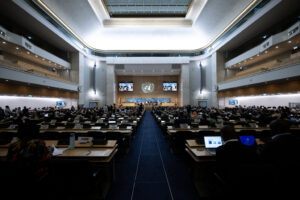
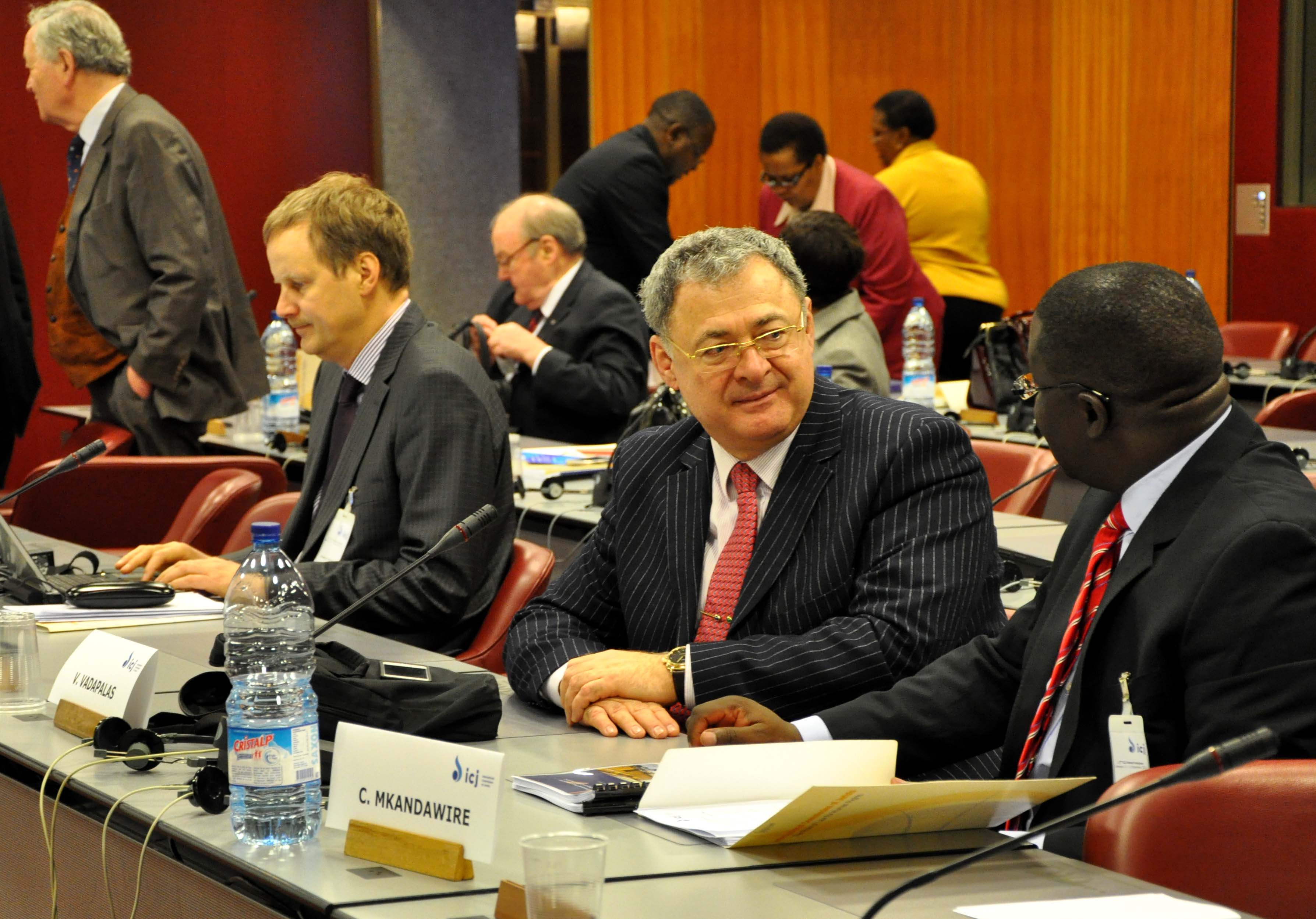
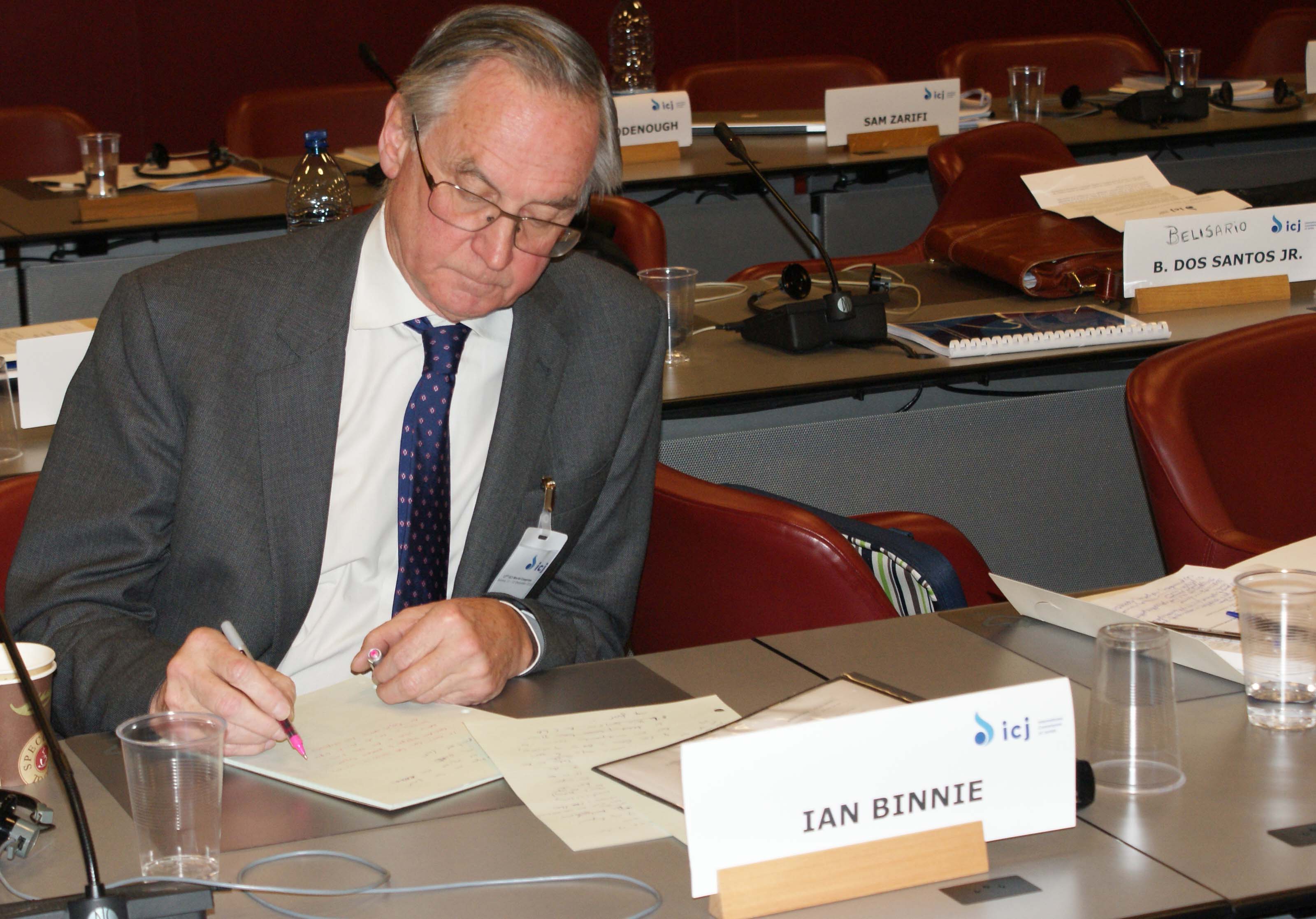
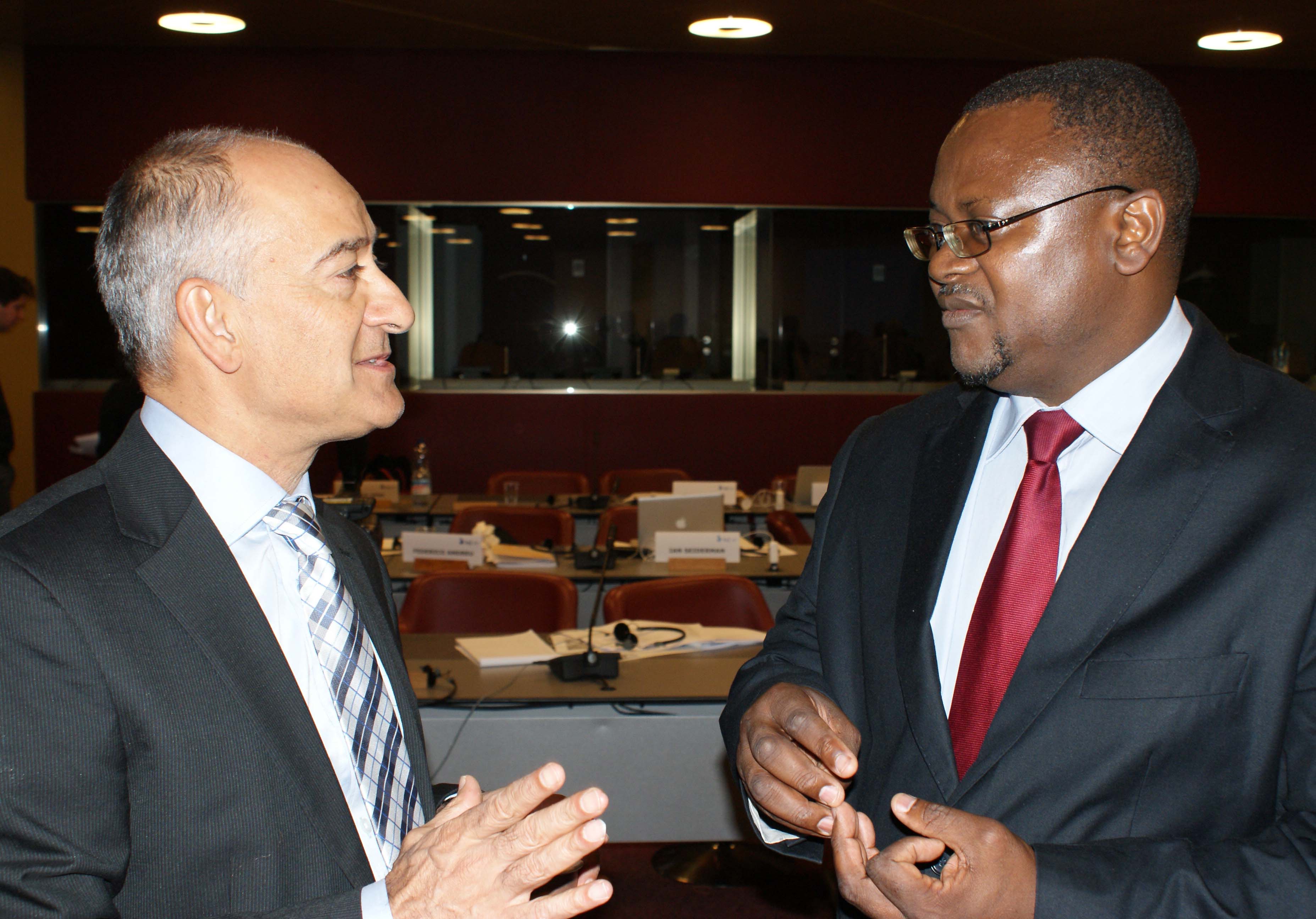
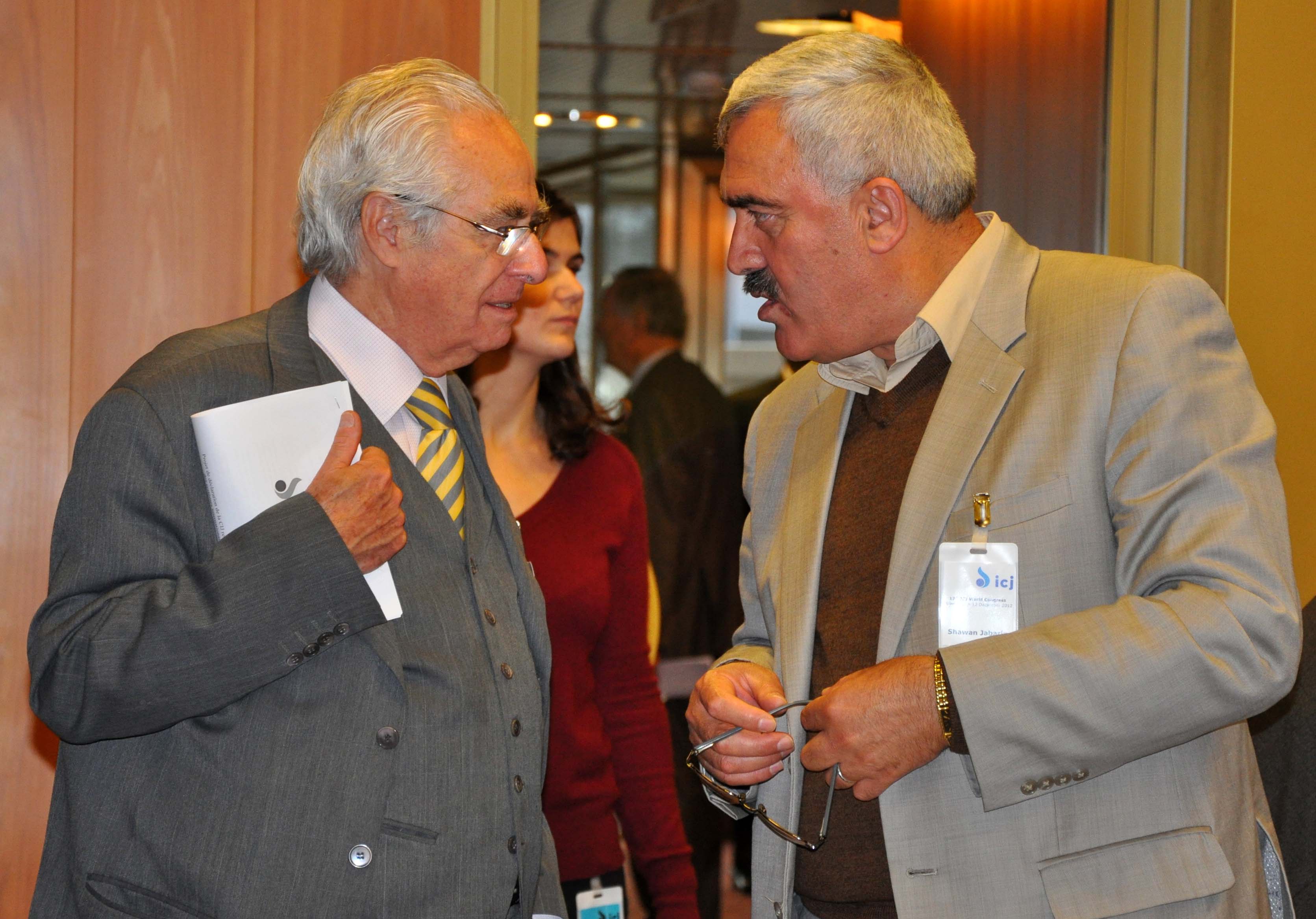
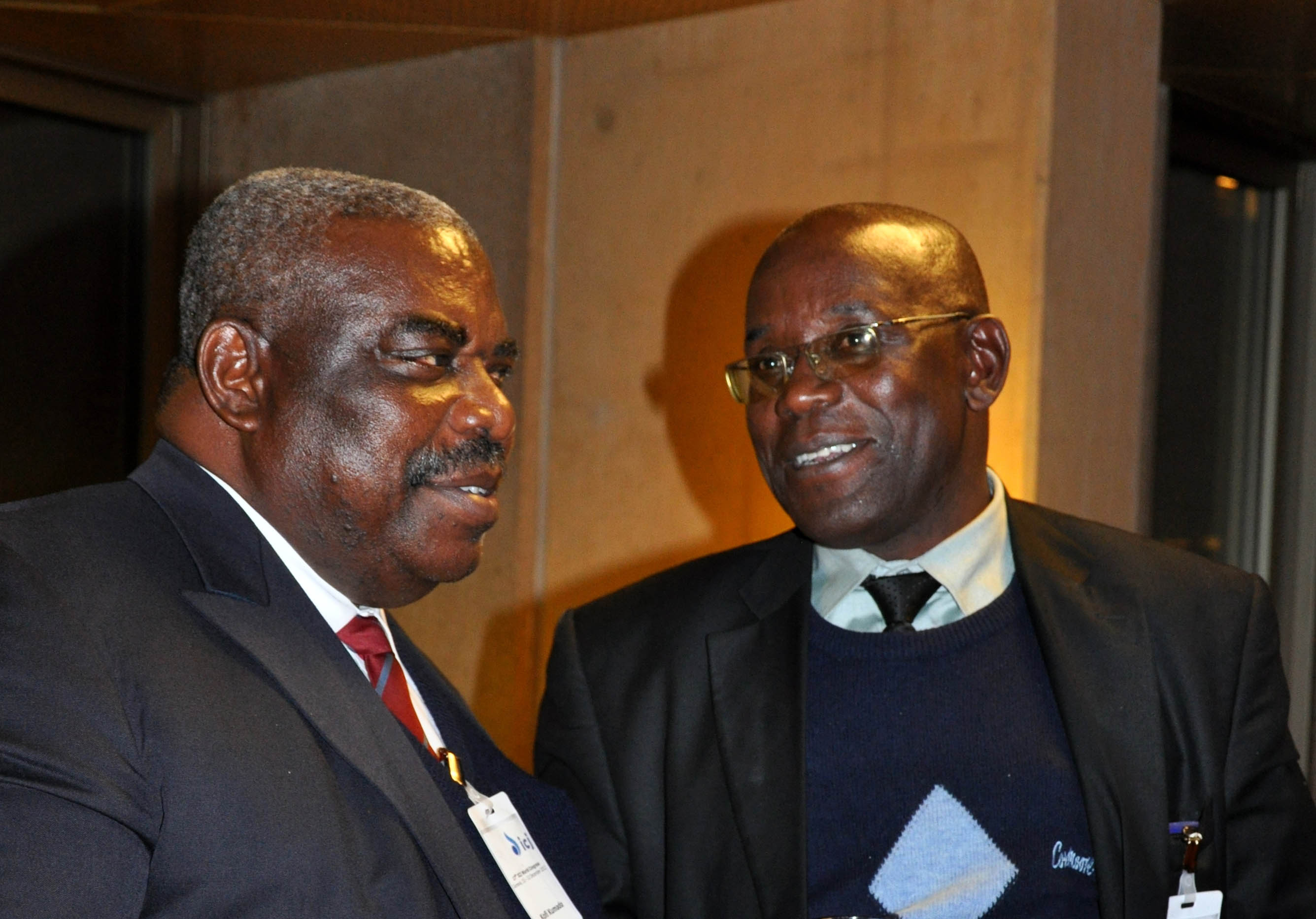
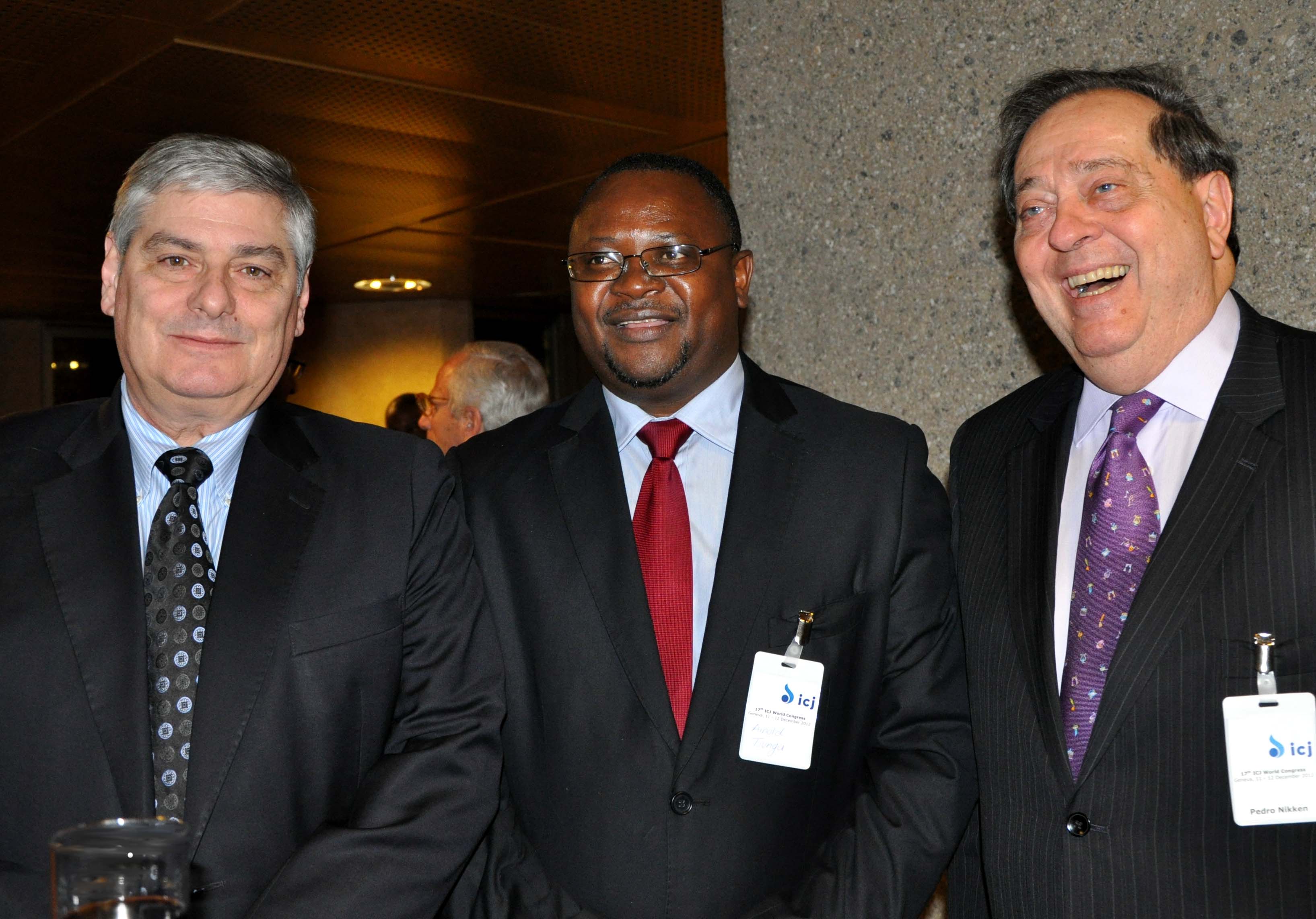
 In pictures: the 17th World Congress of the ICJ opened today in Geneva, bringing together approximately 120 leading judges, lawyers and human rights defenders from five continent.
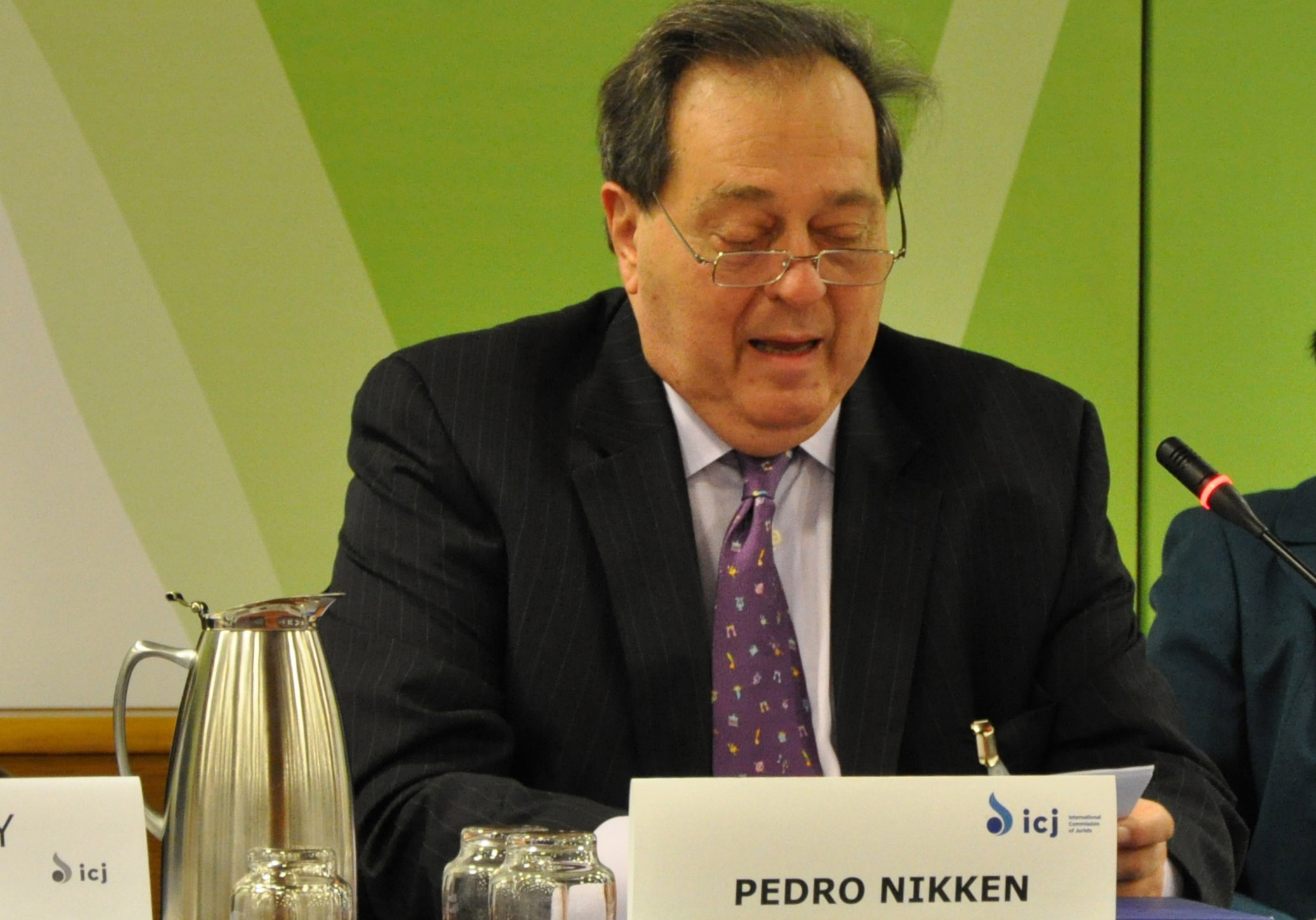
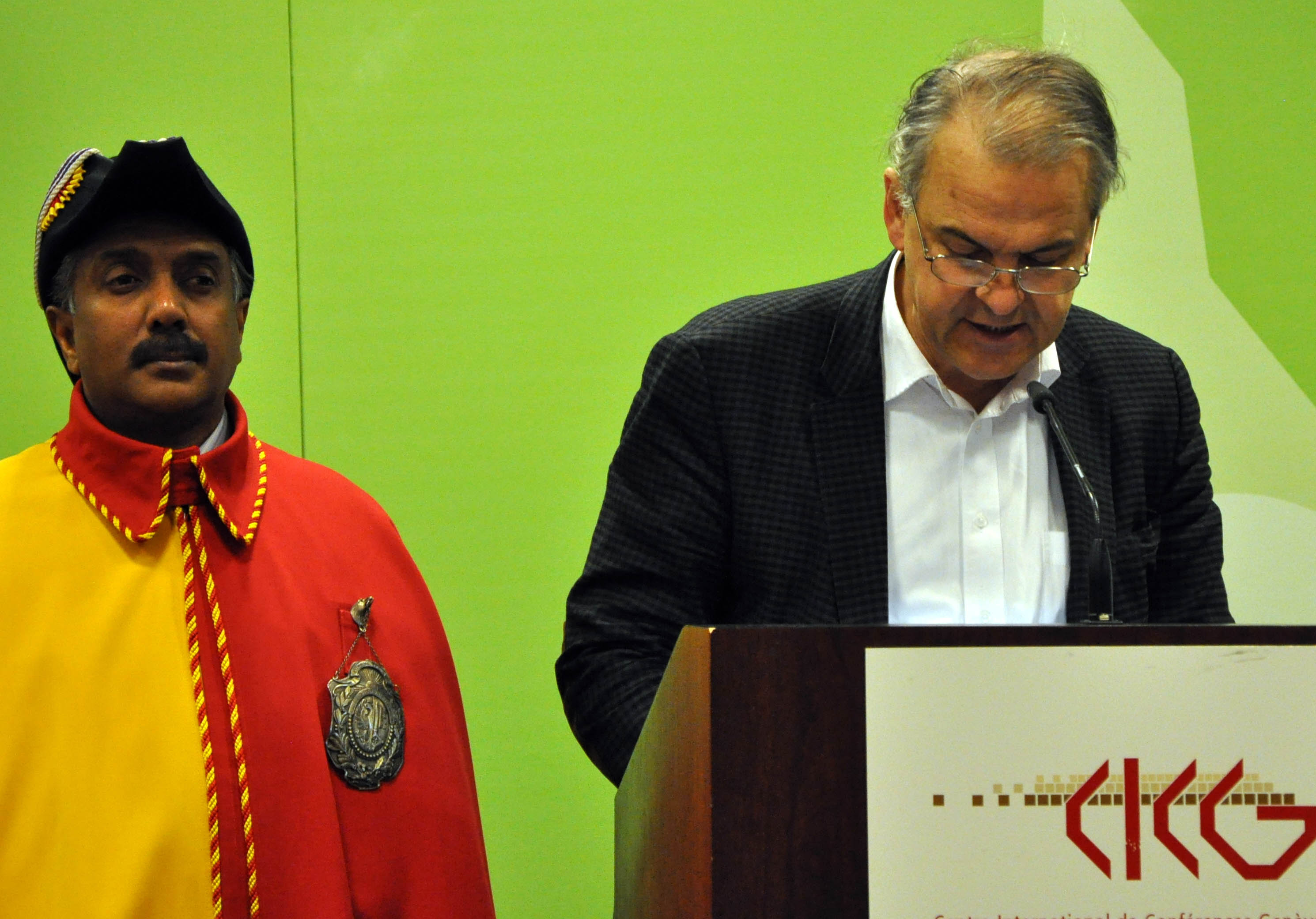
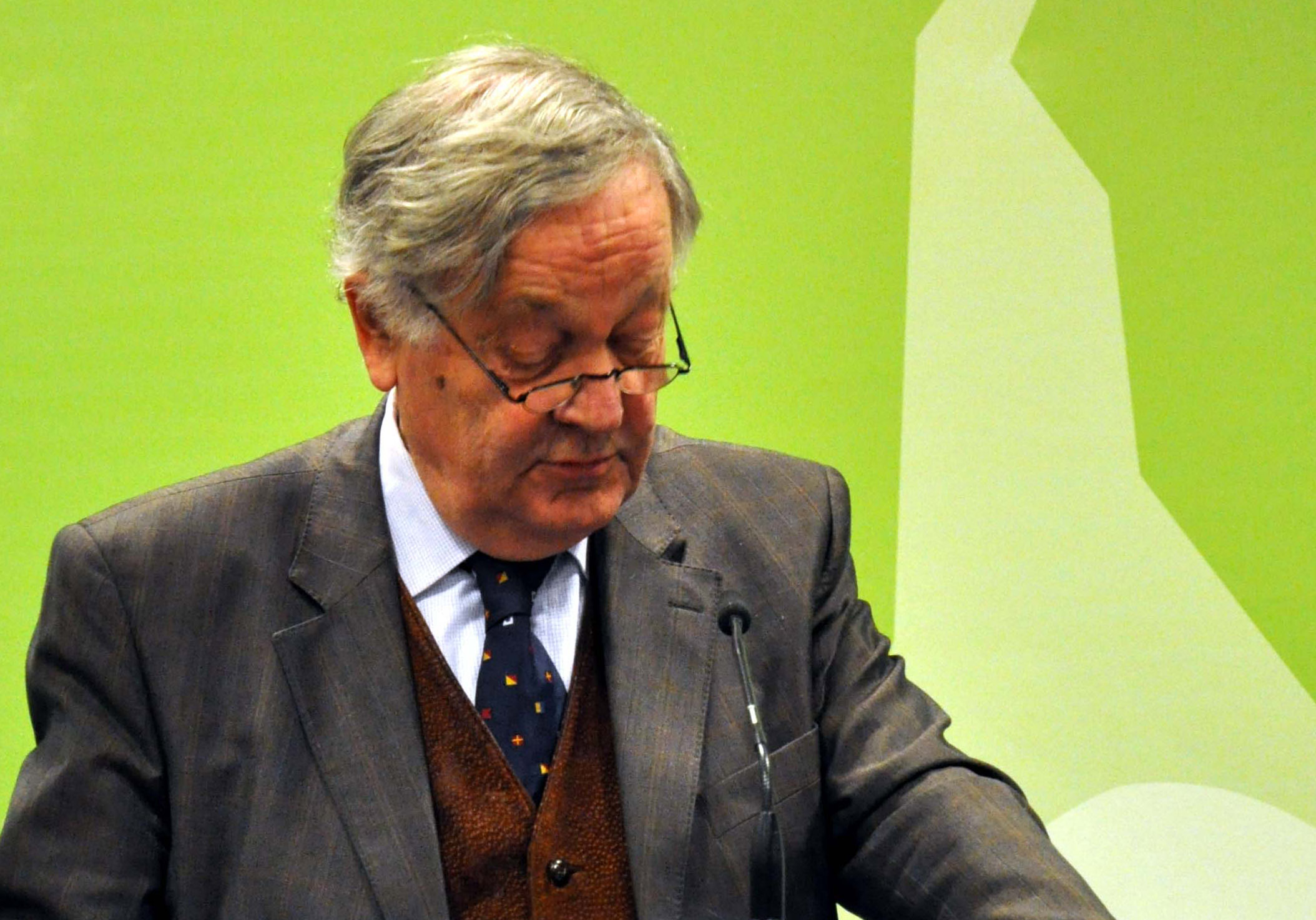
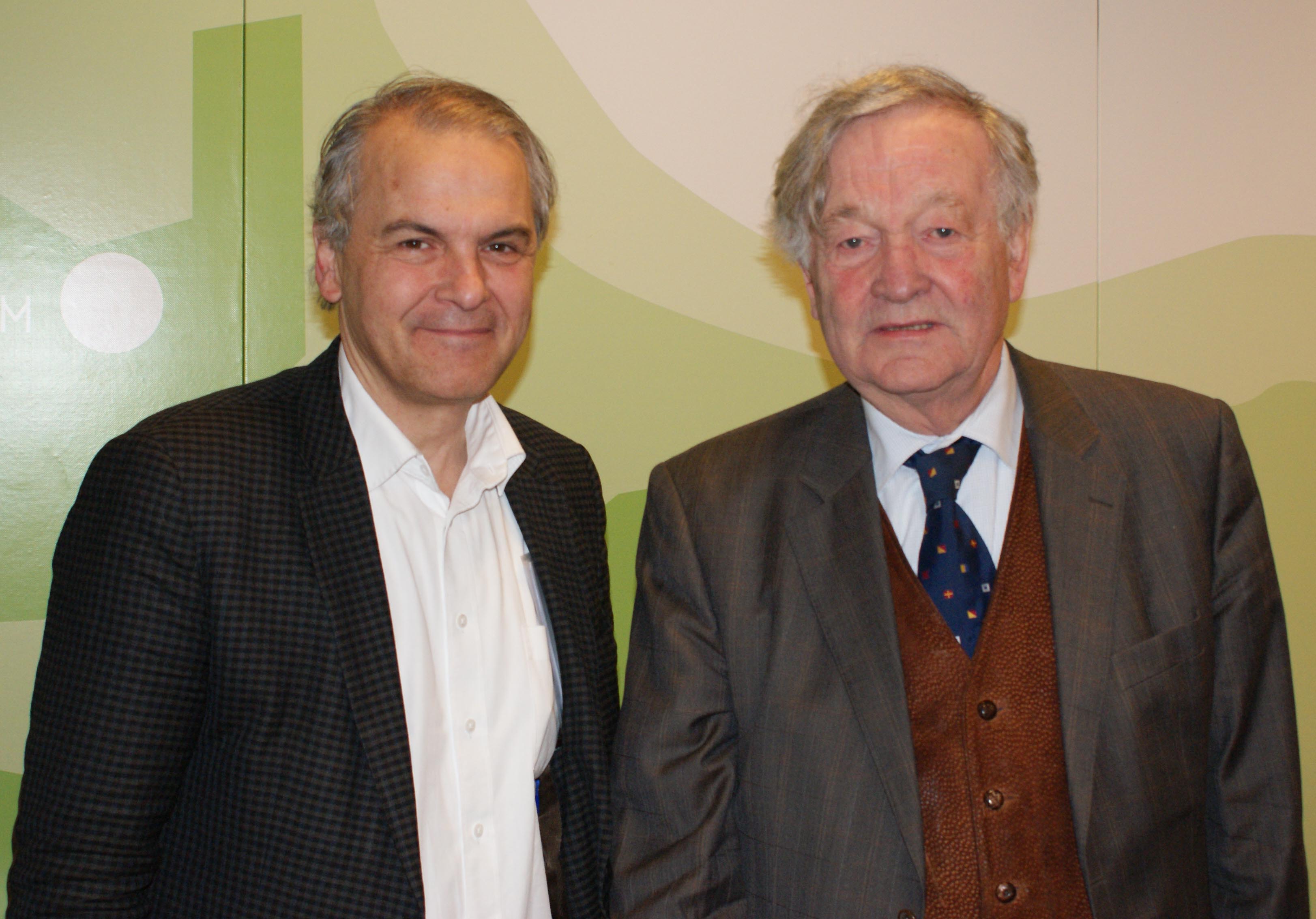
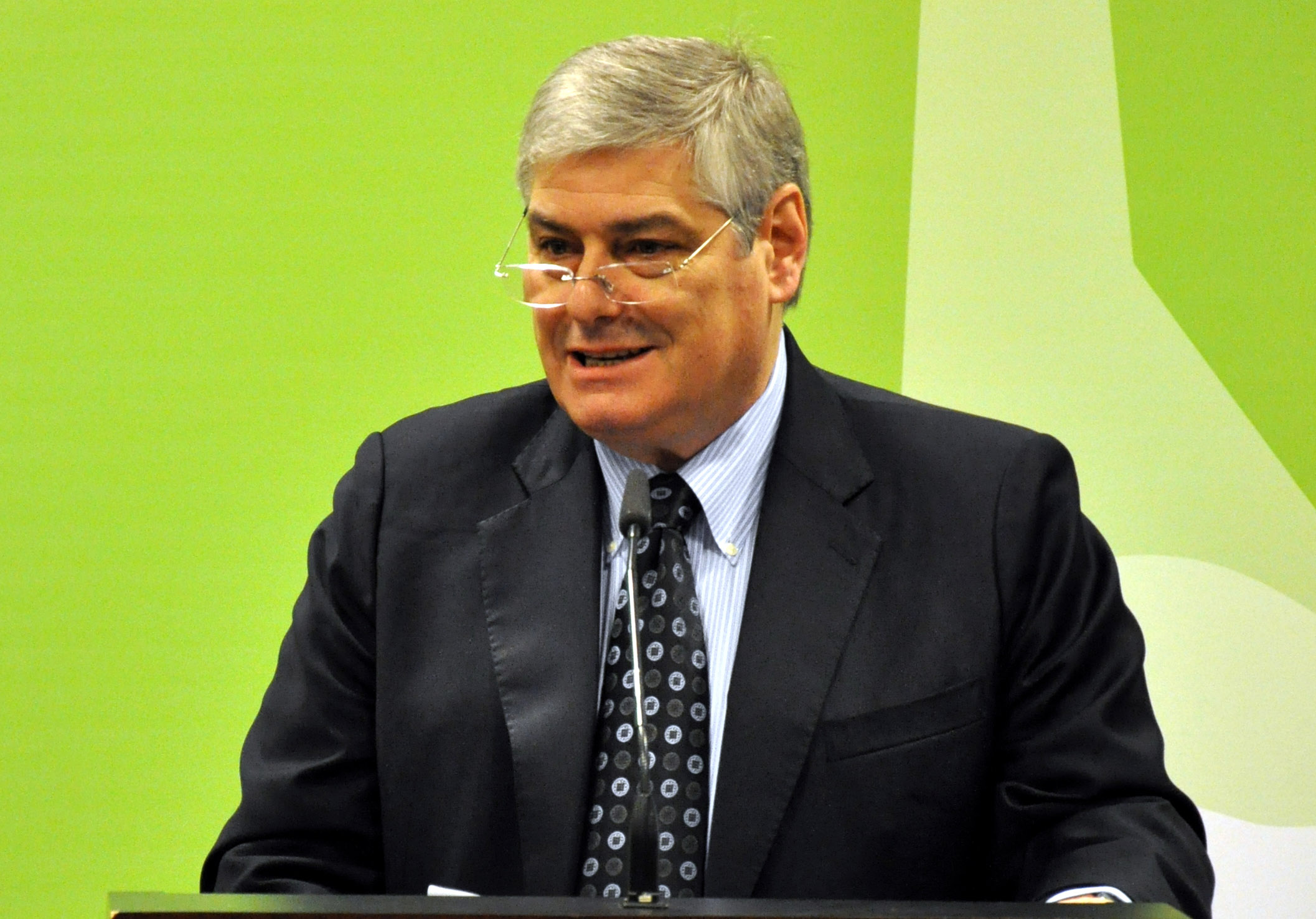
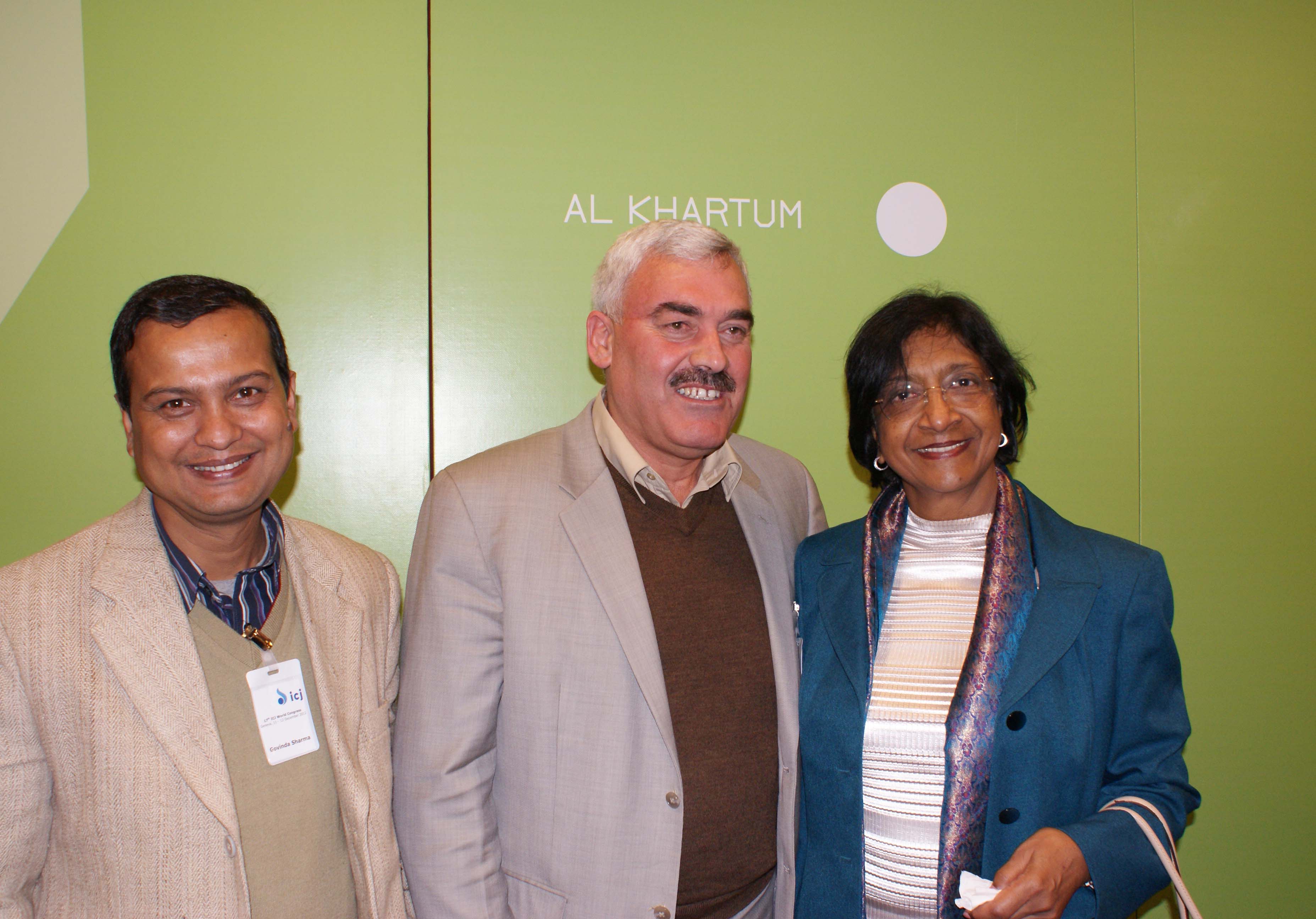
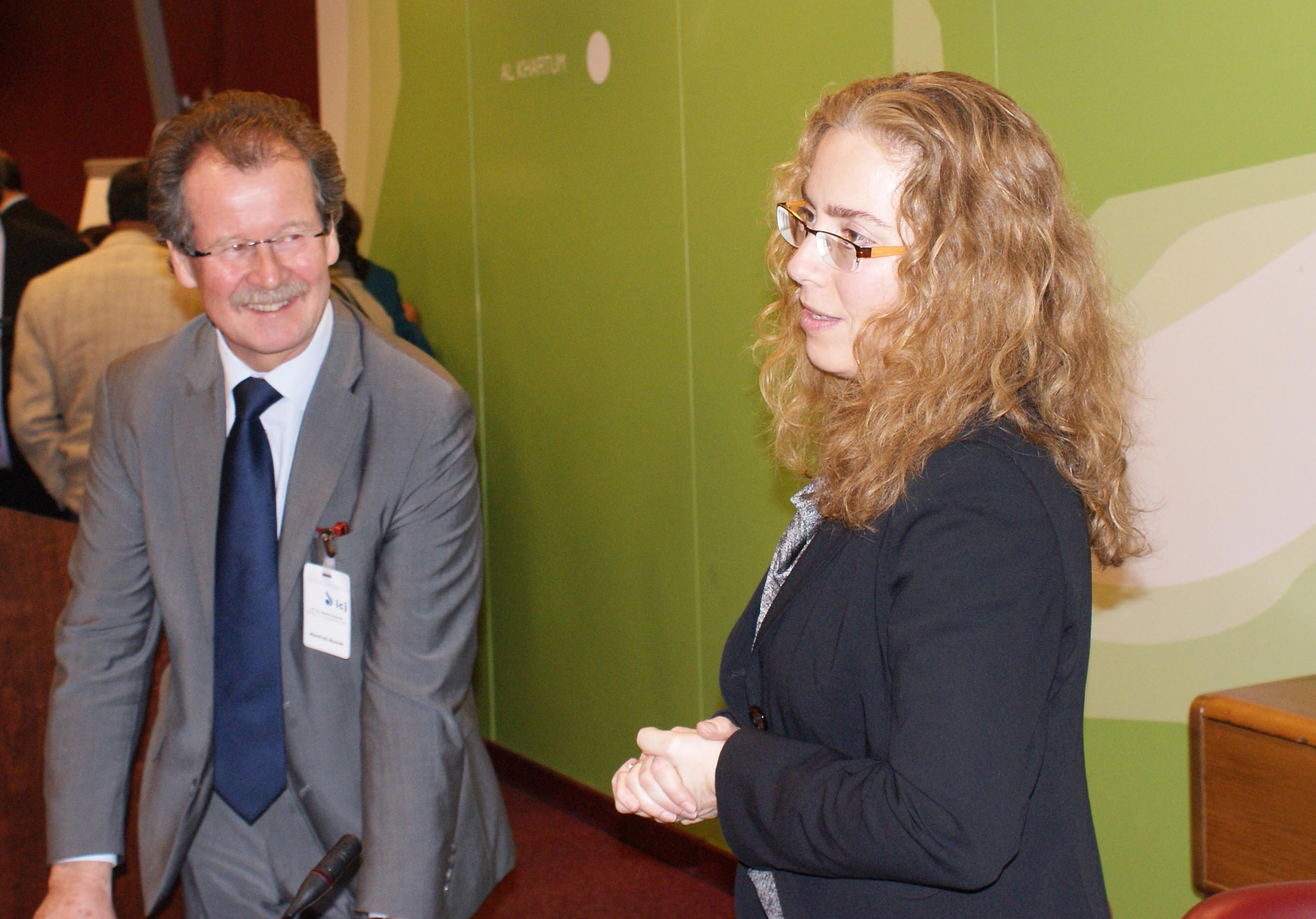
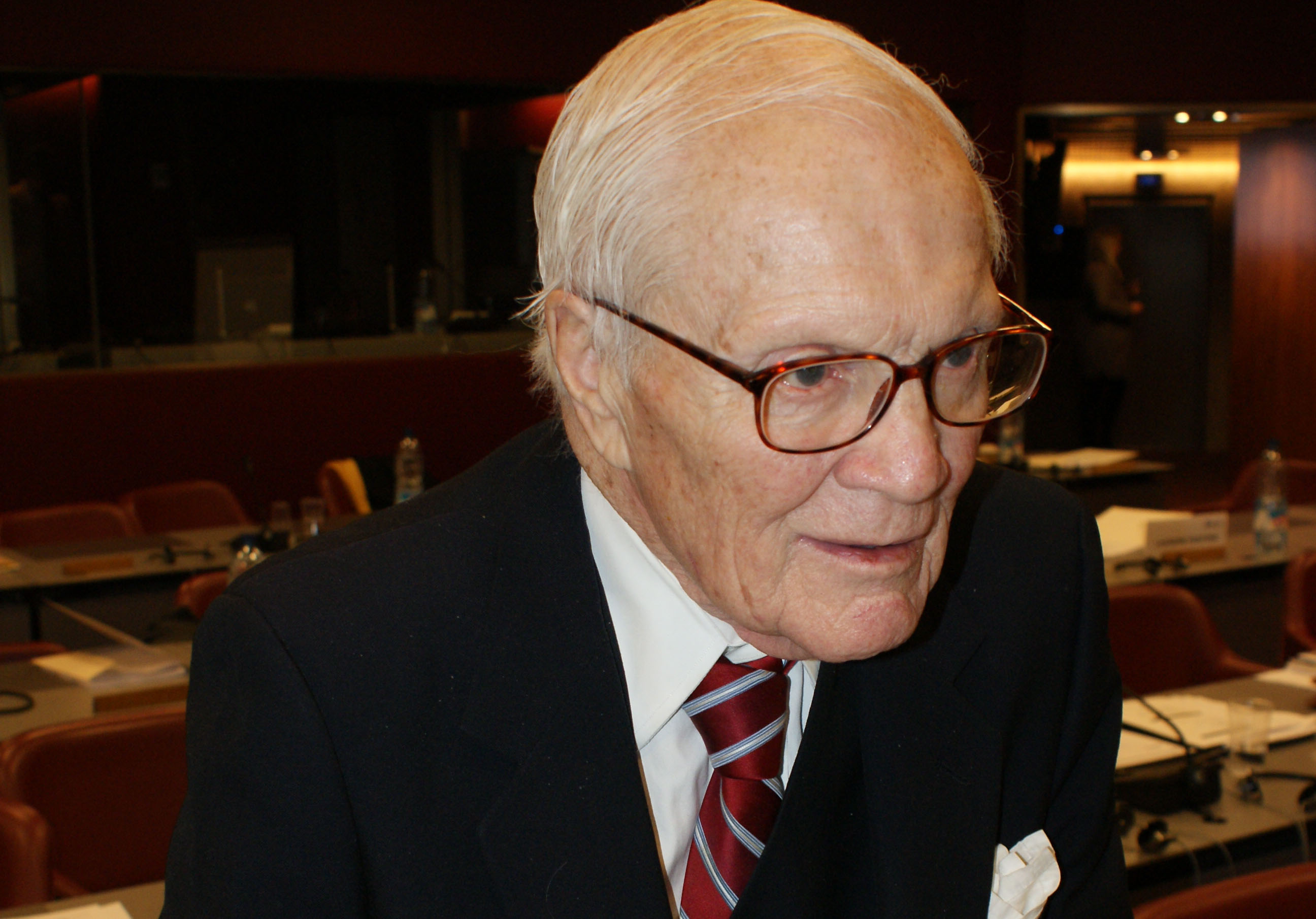
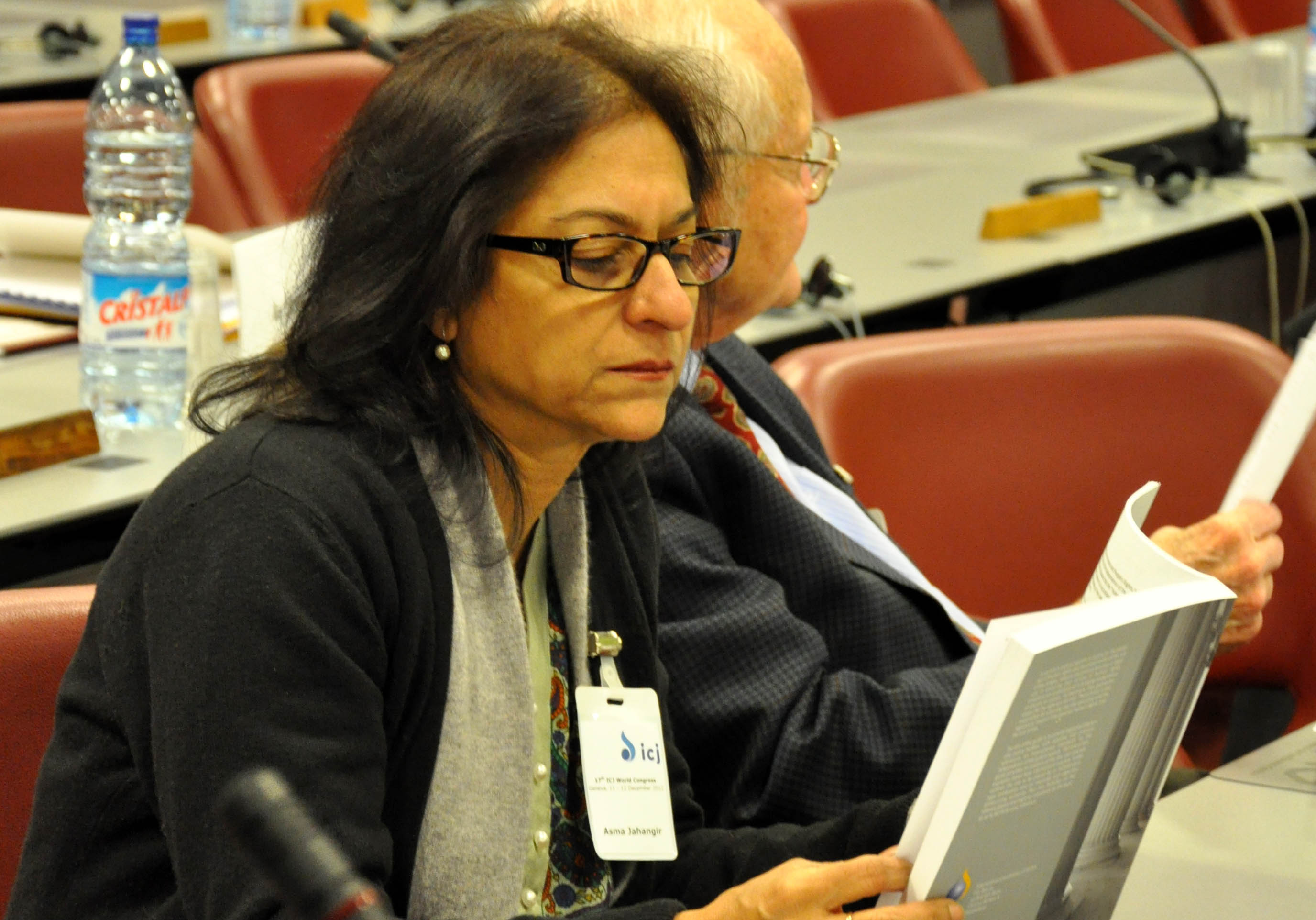
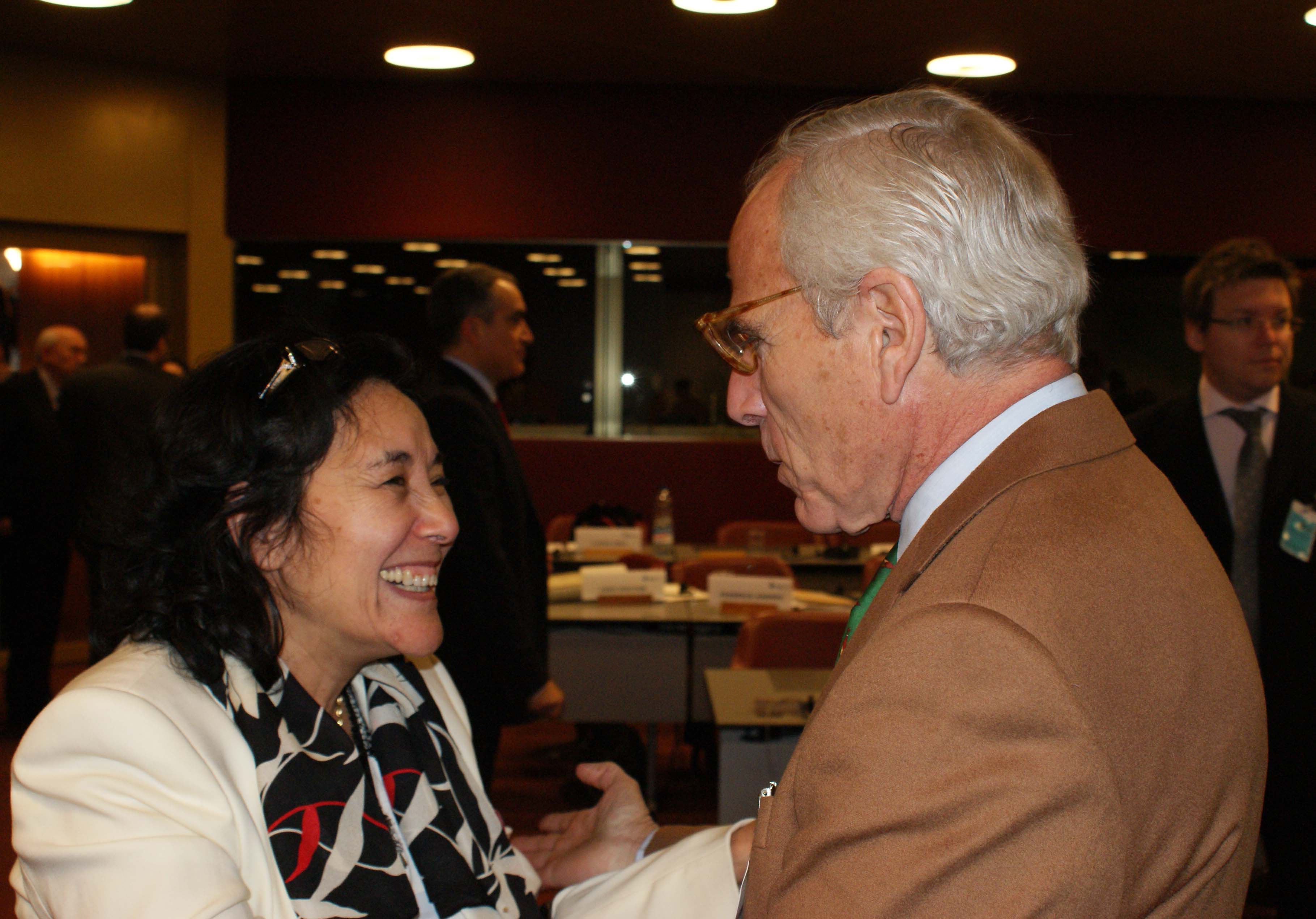




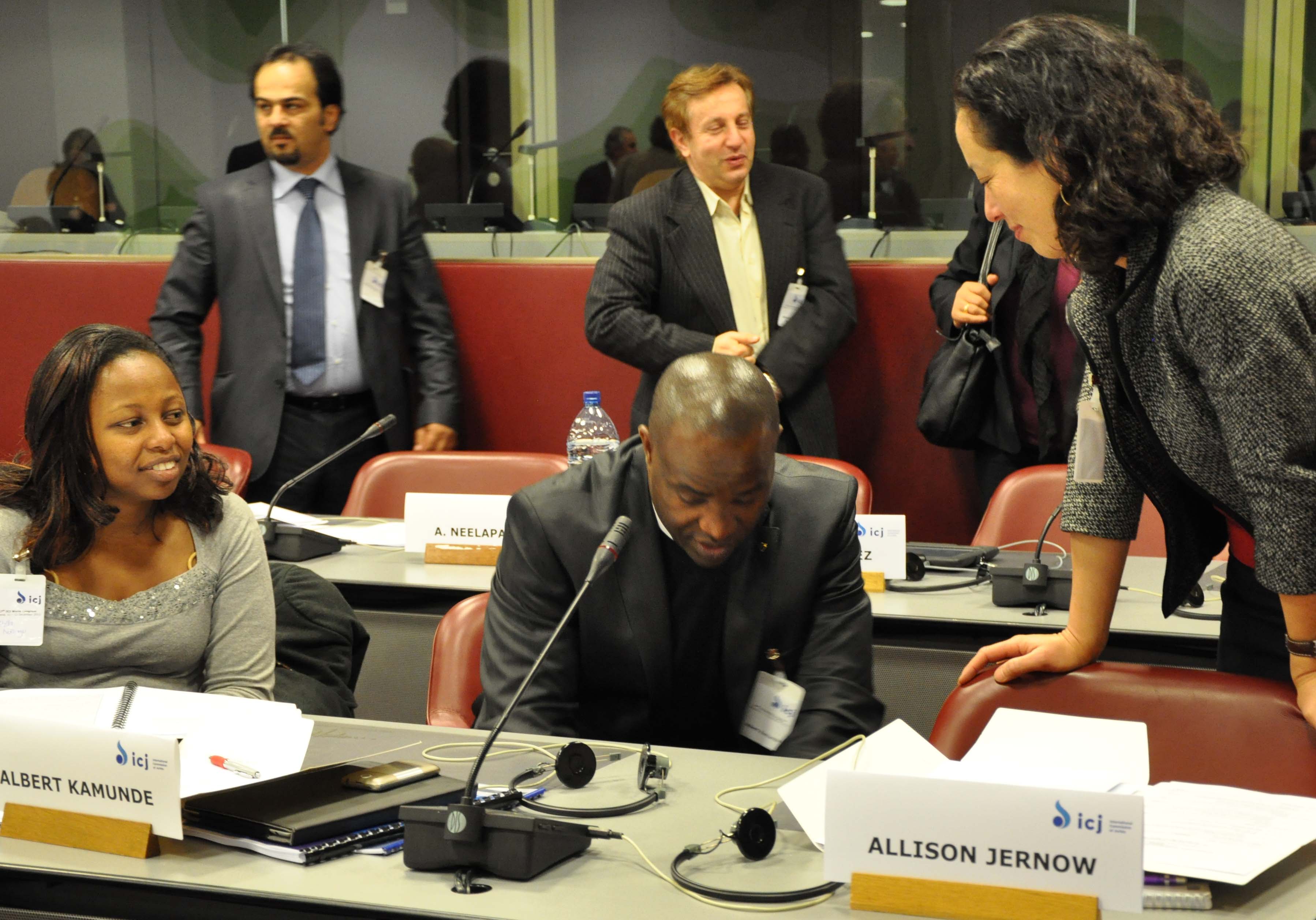
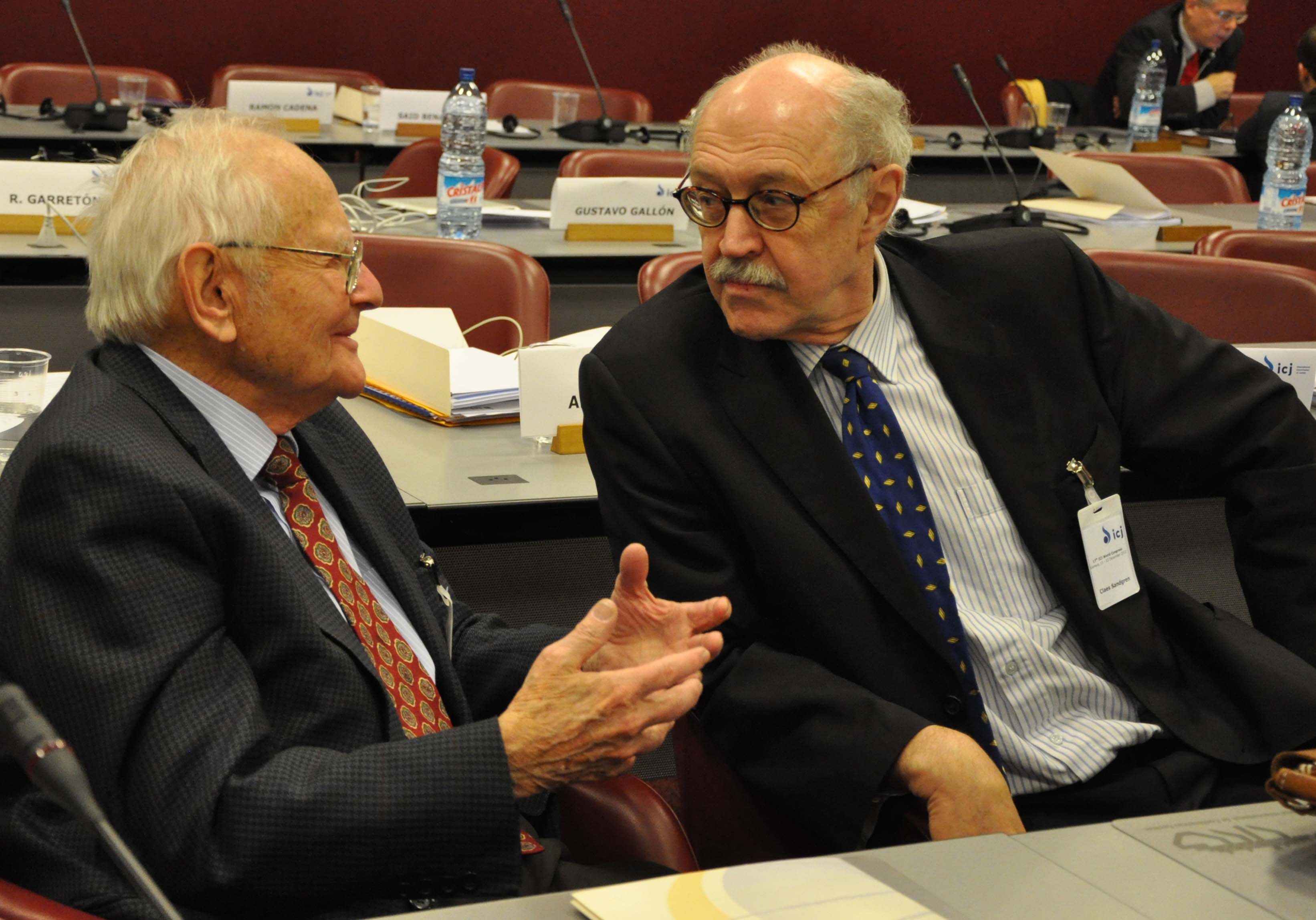

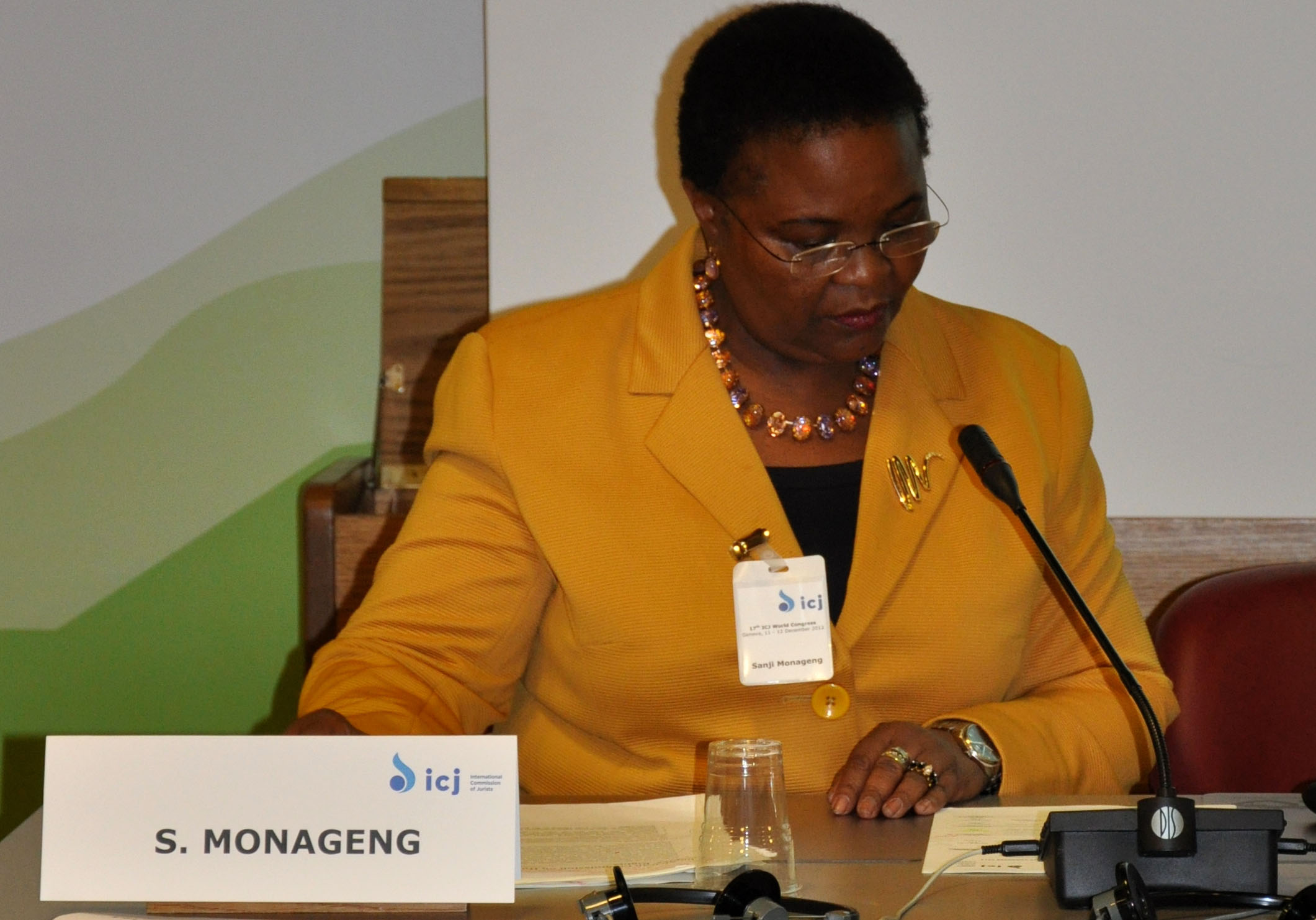
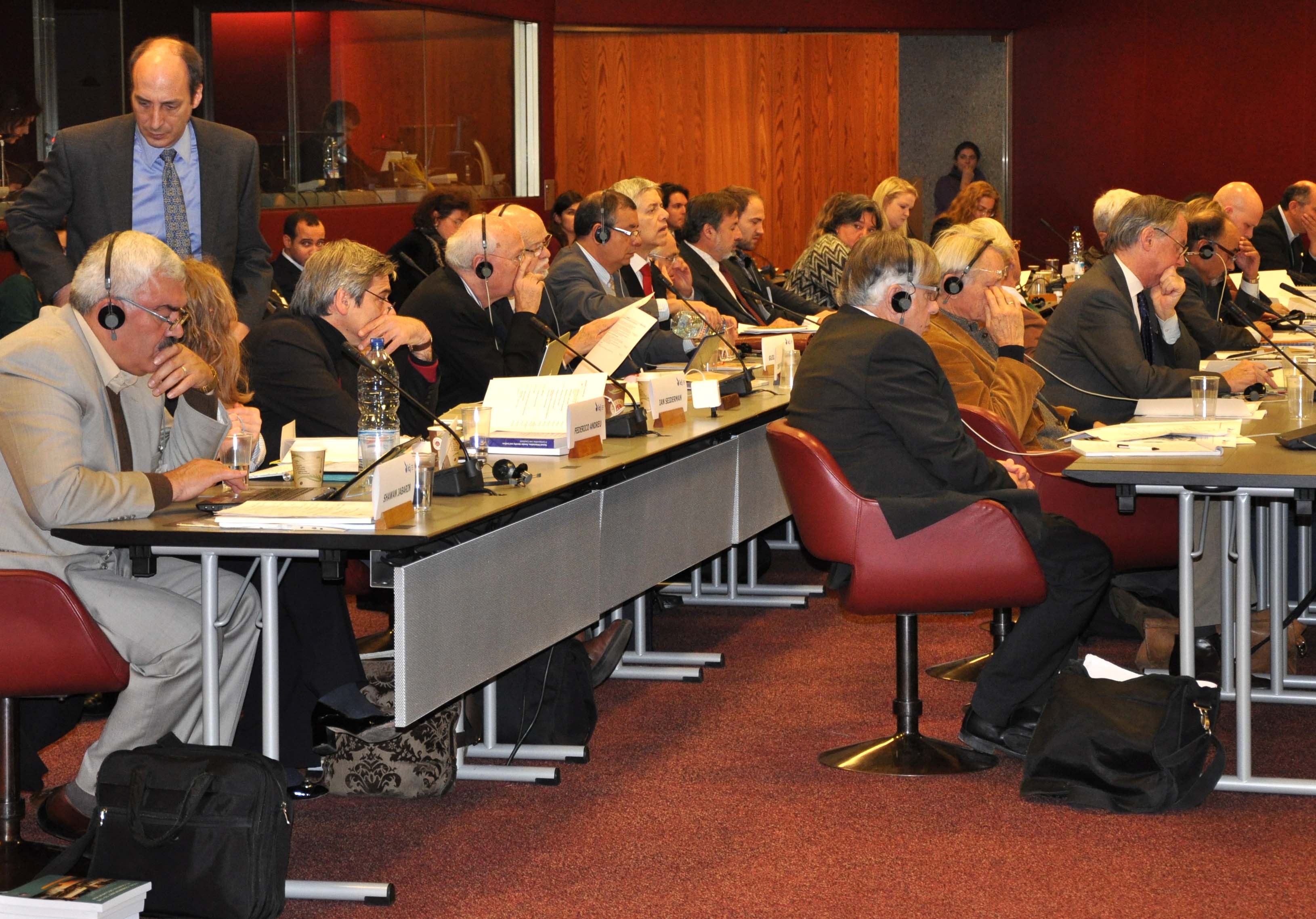
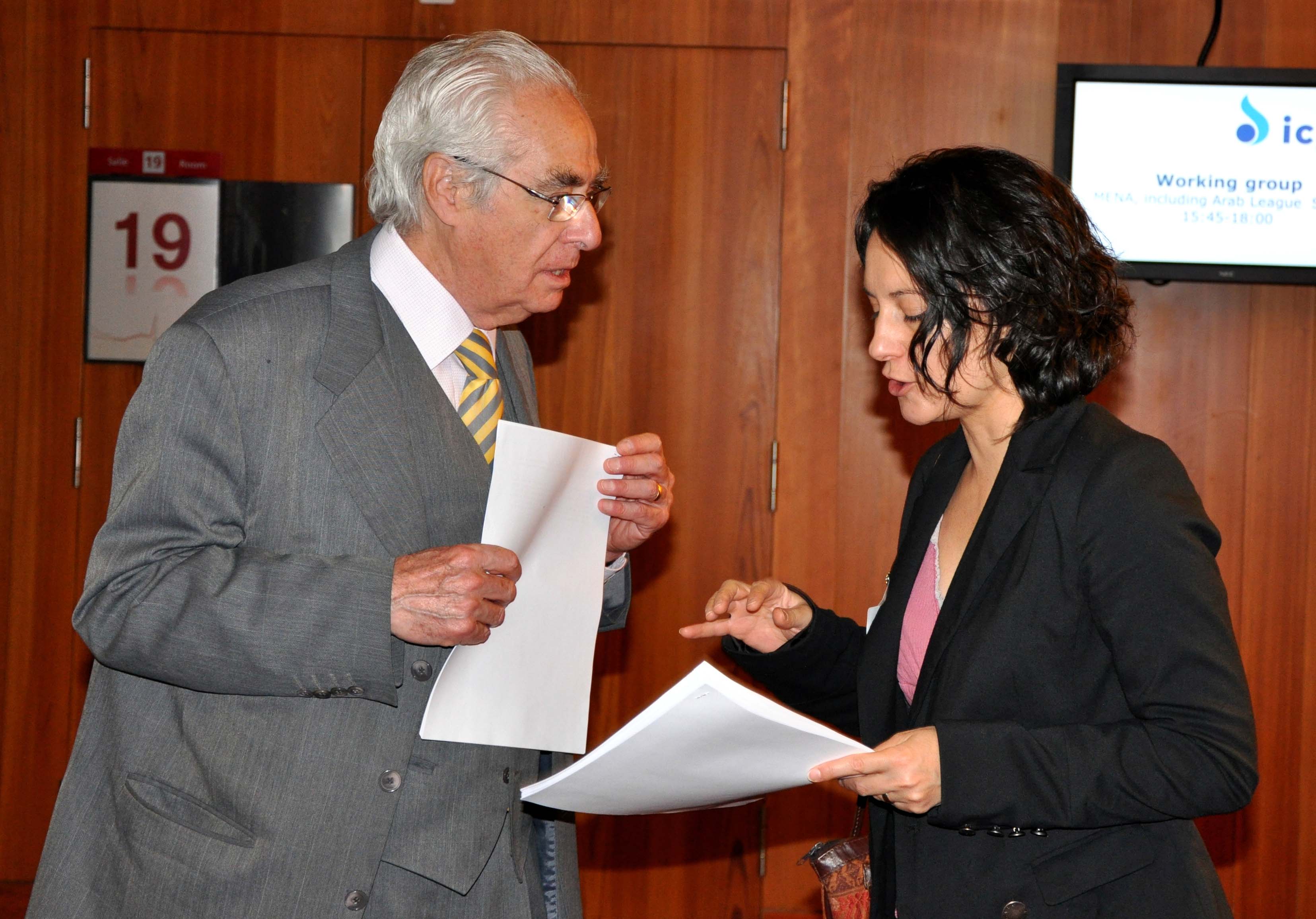
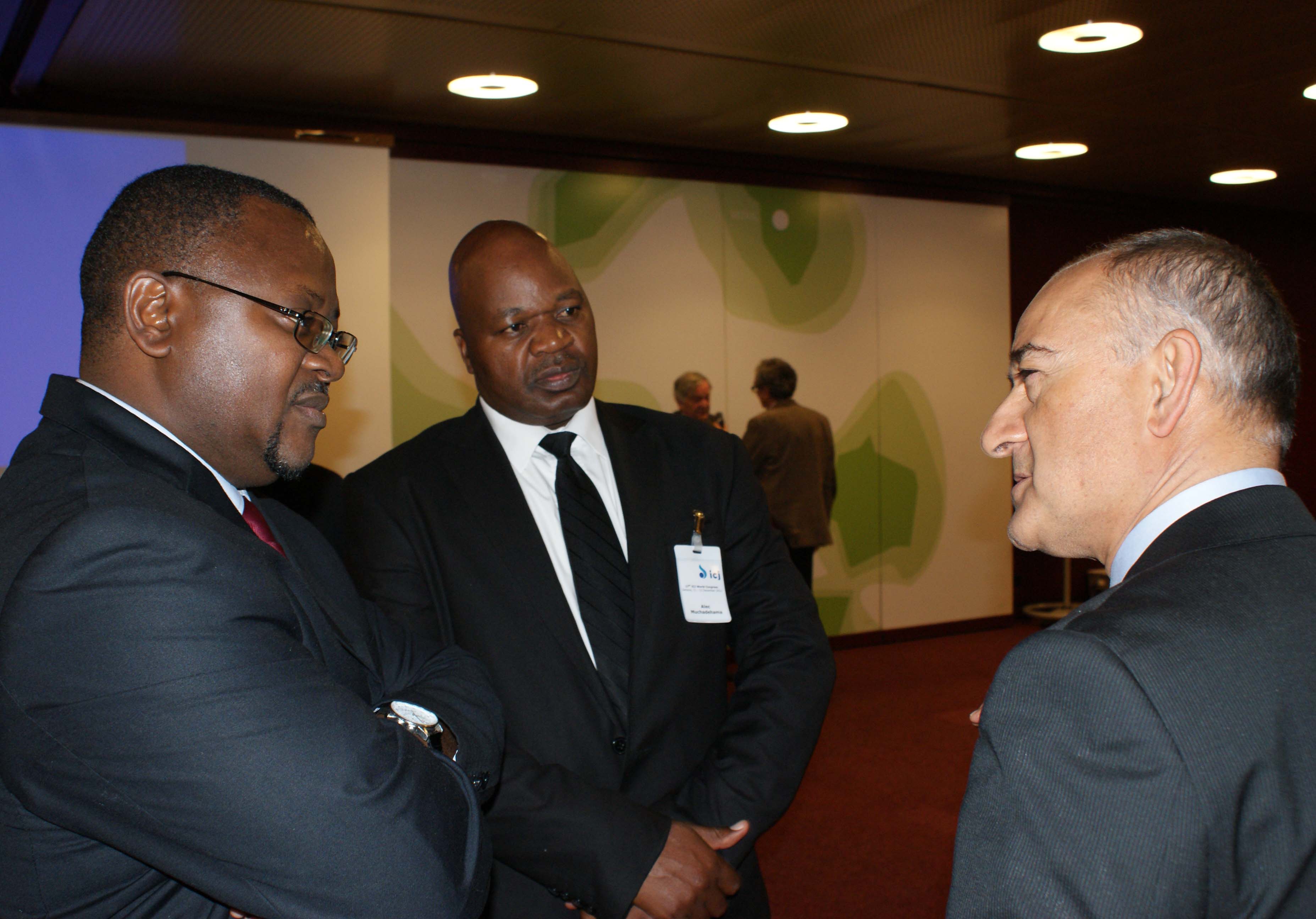

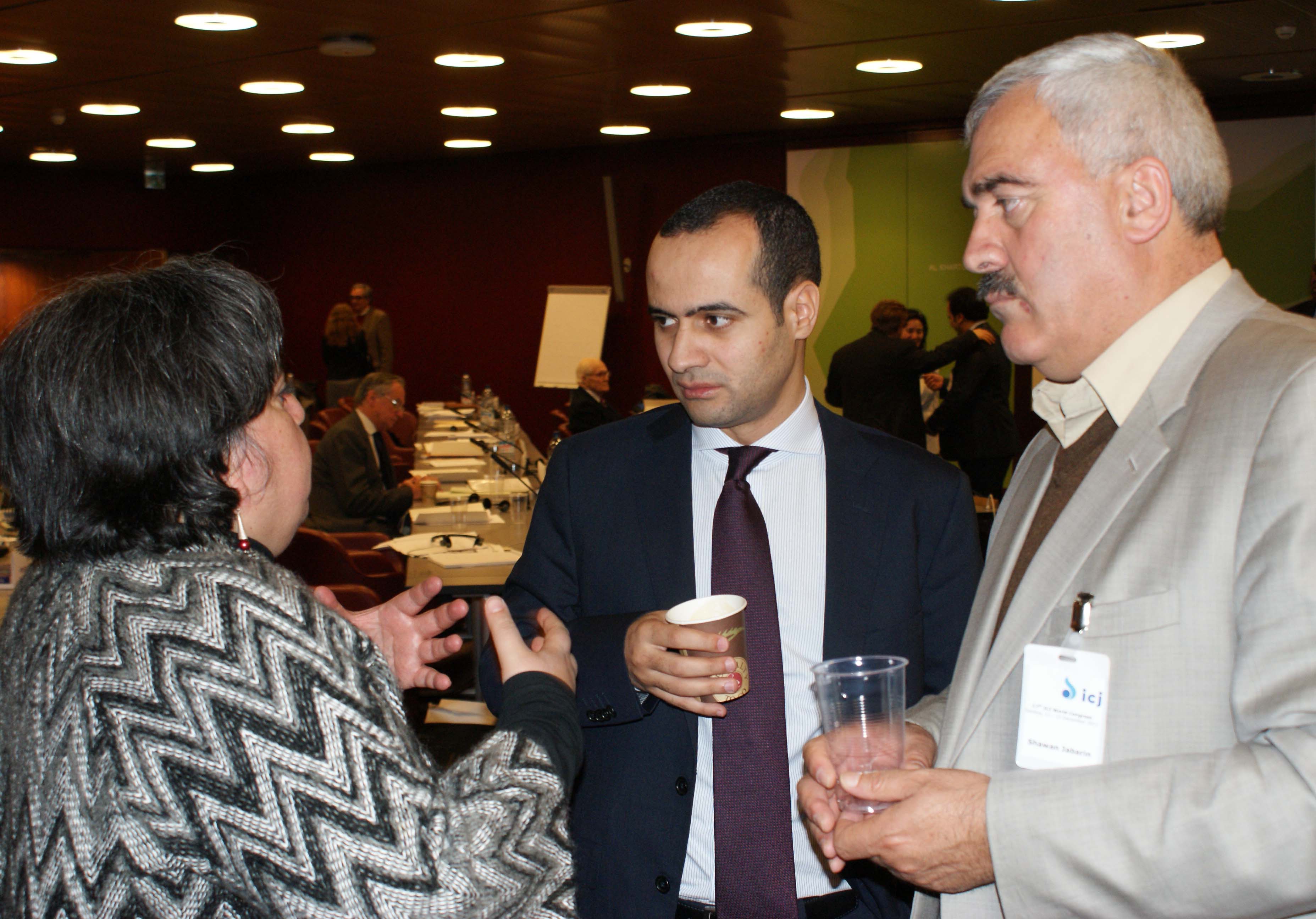
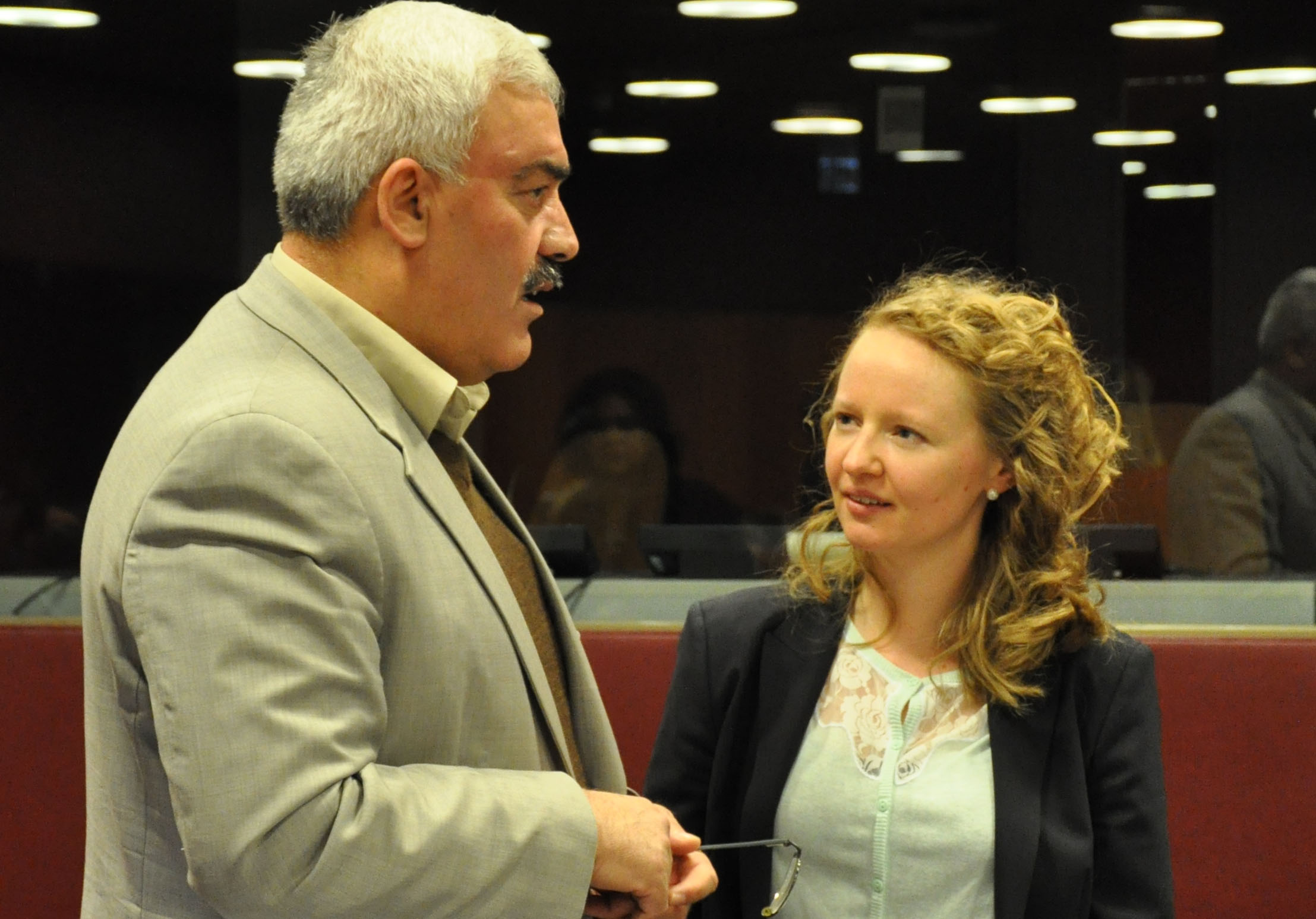
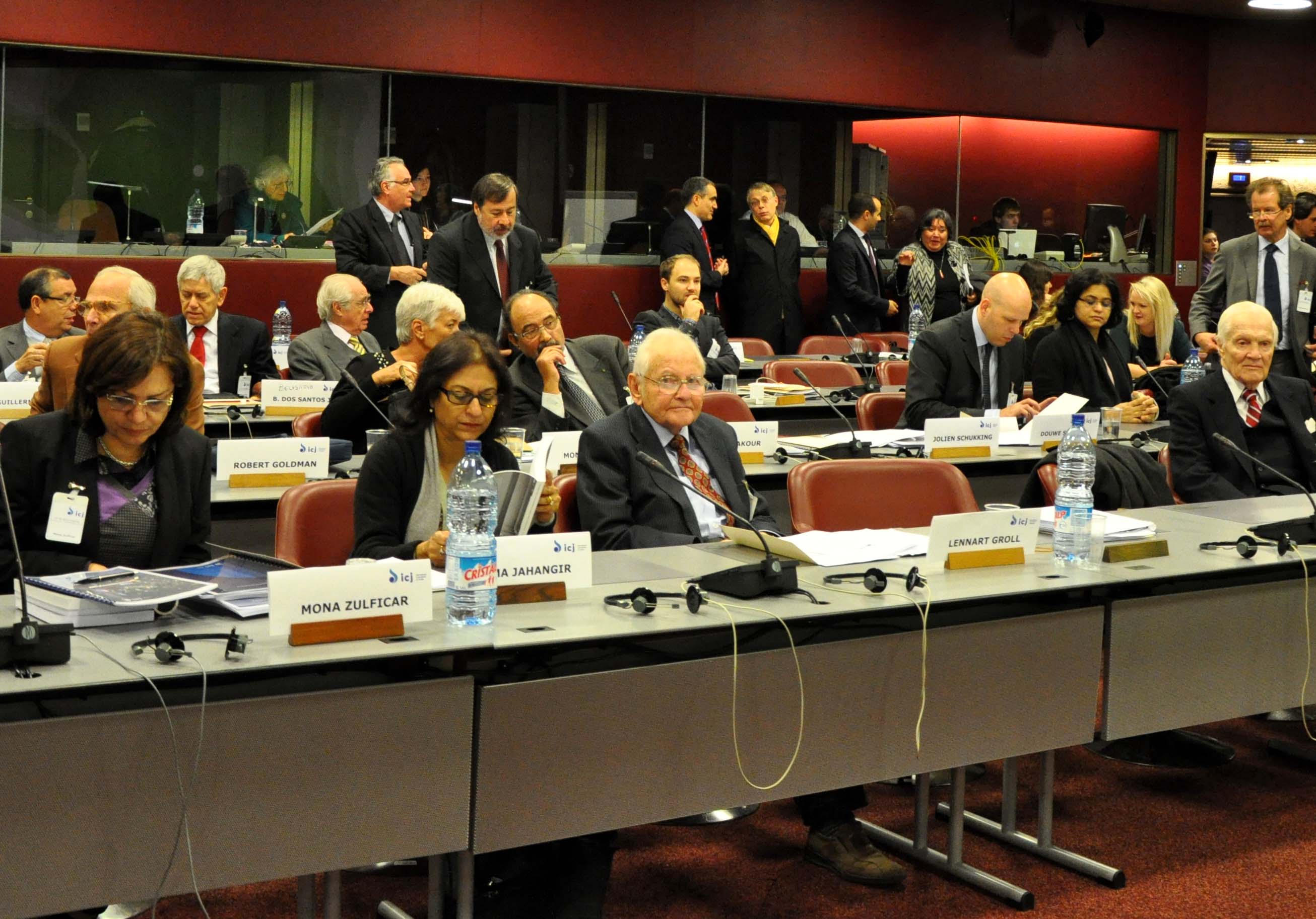


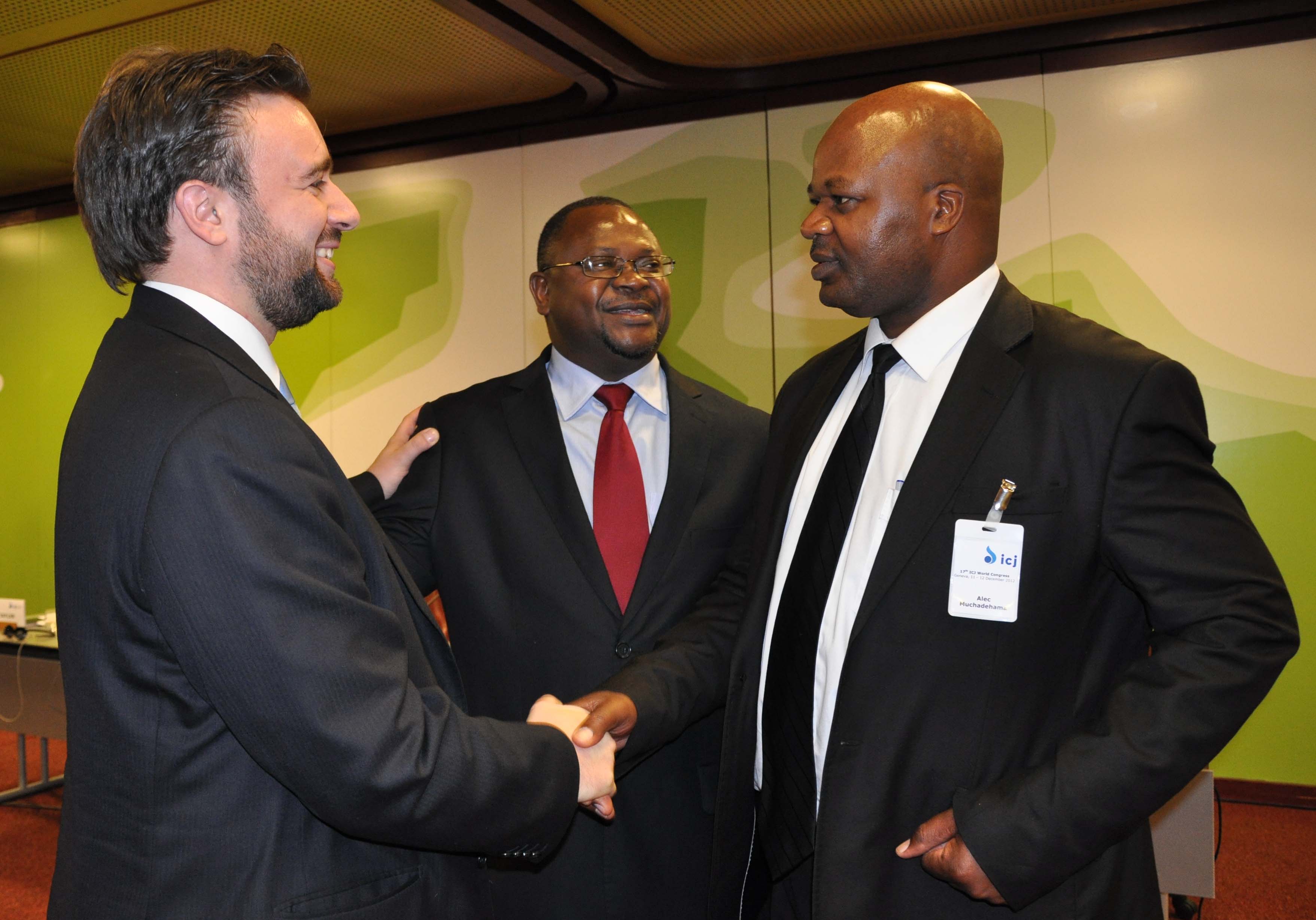
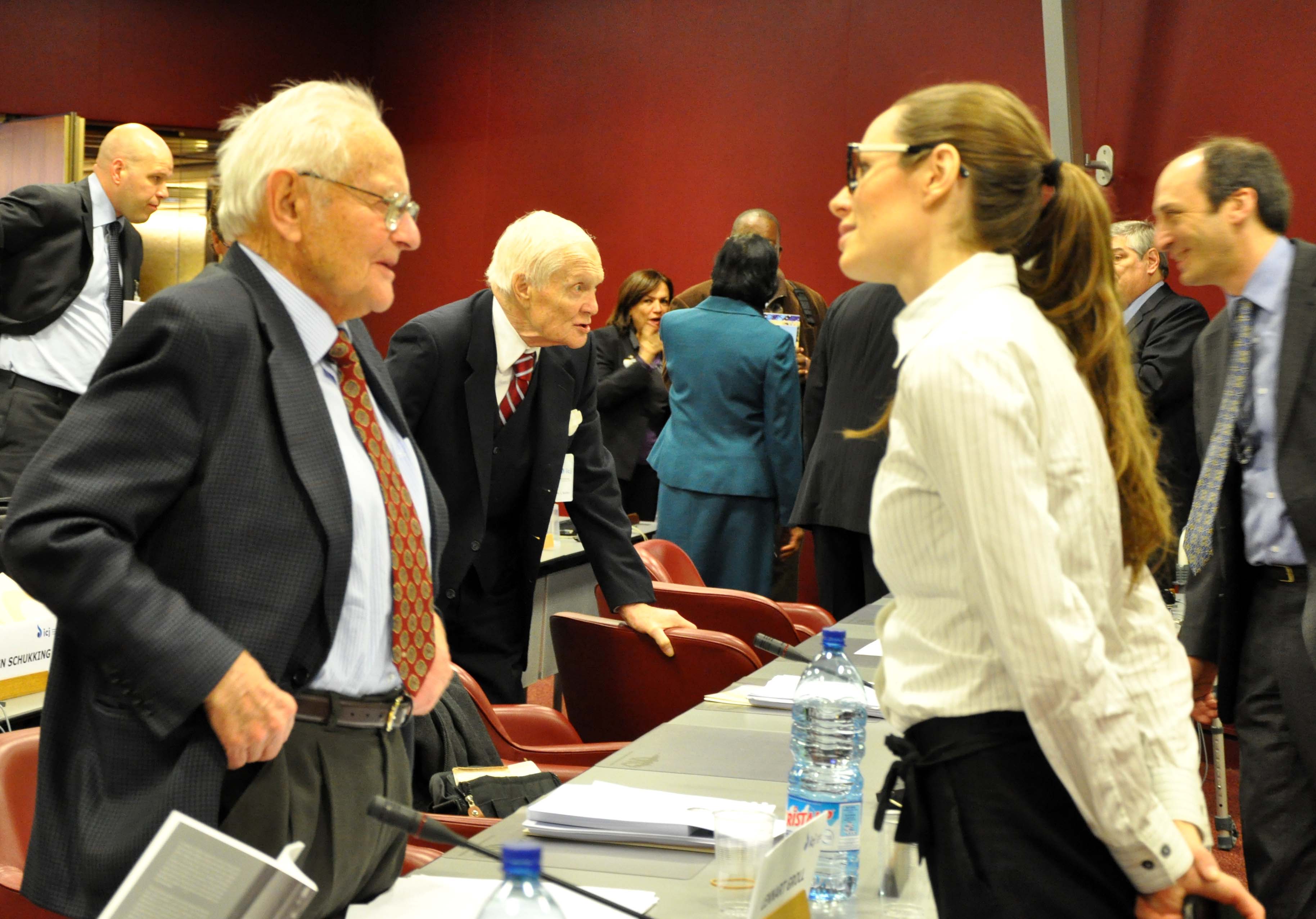

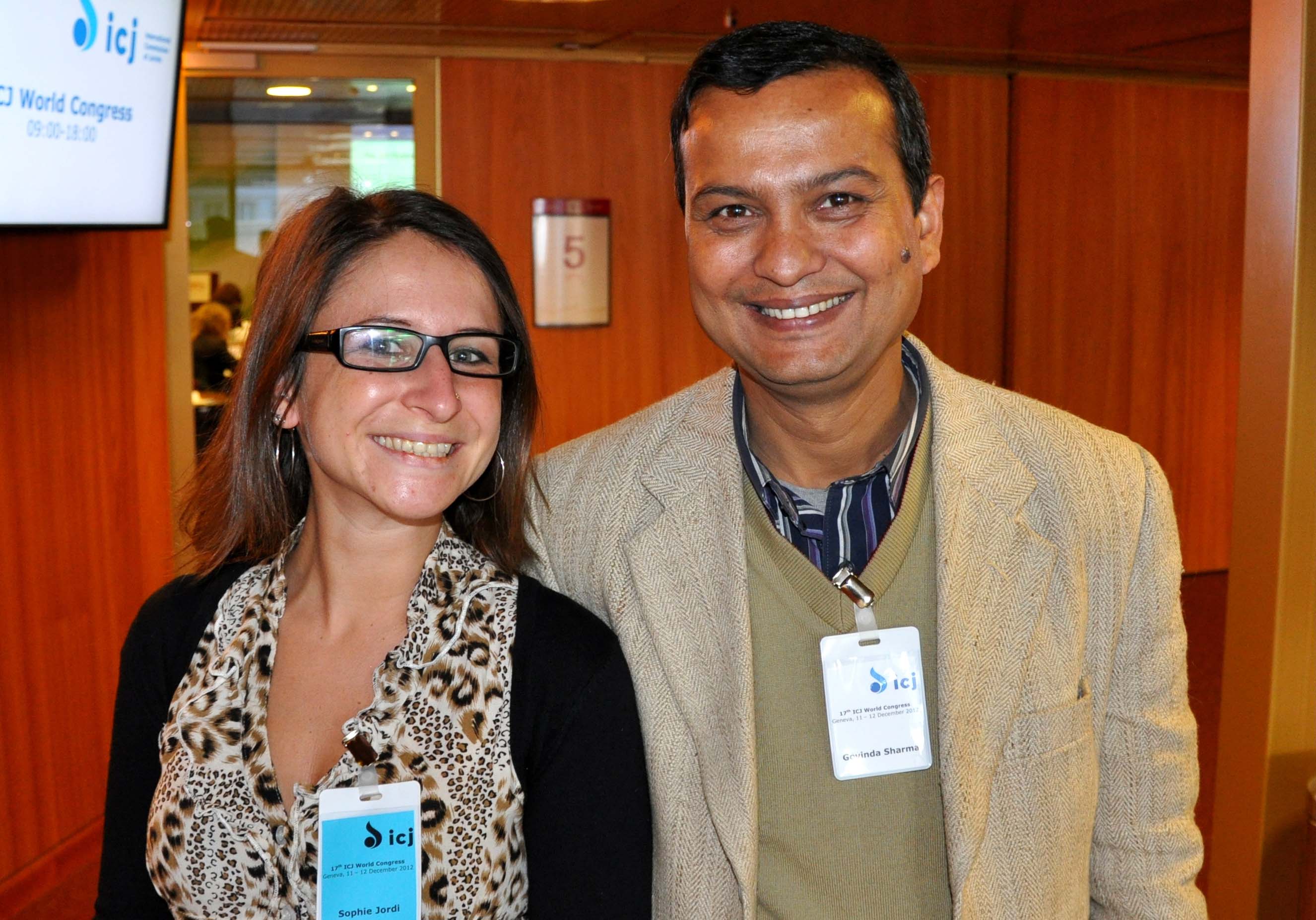
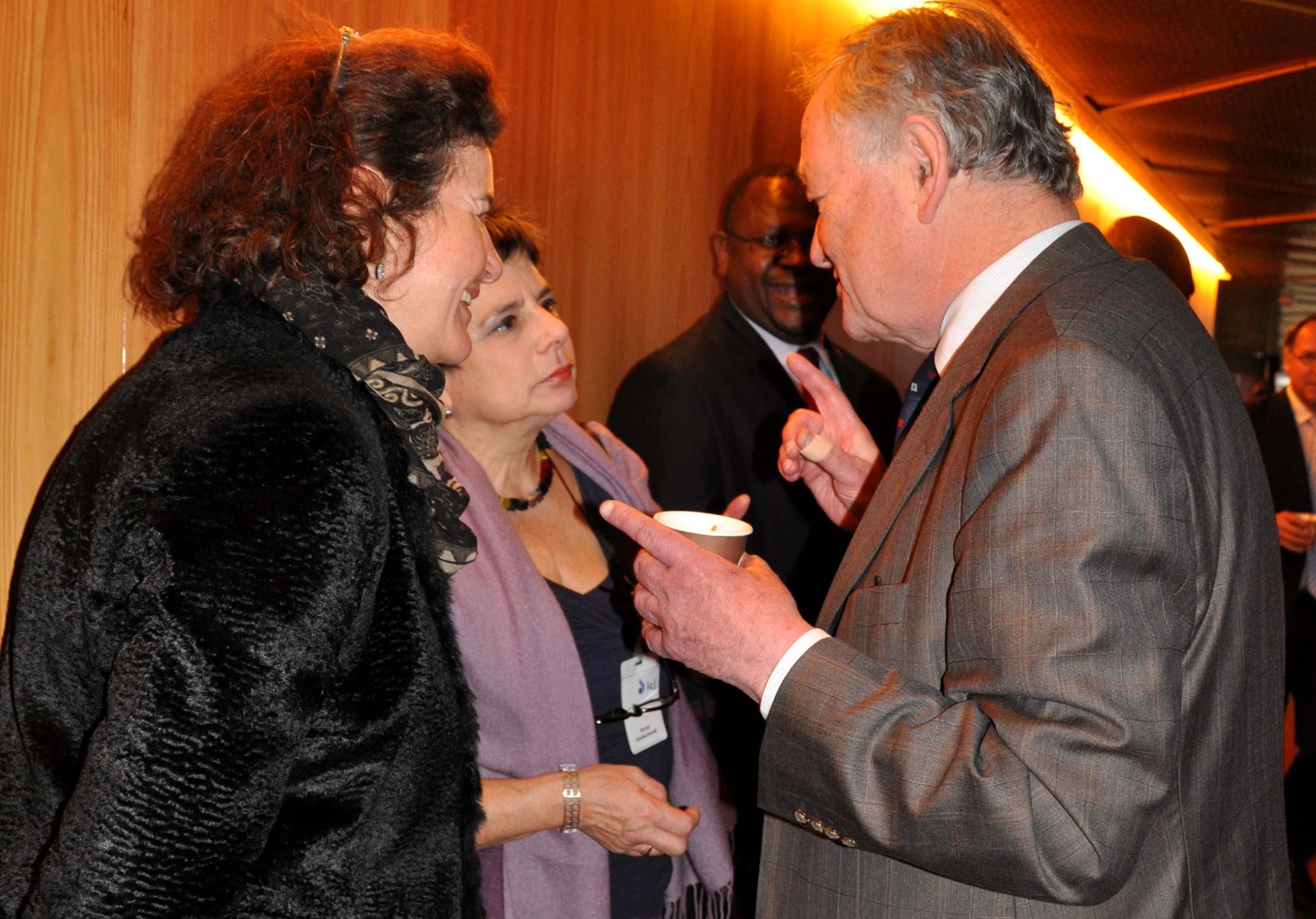



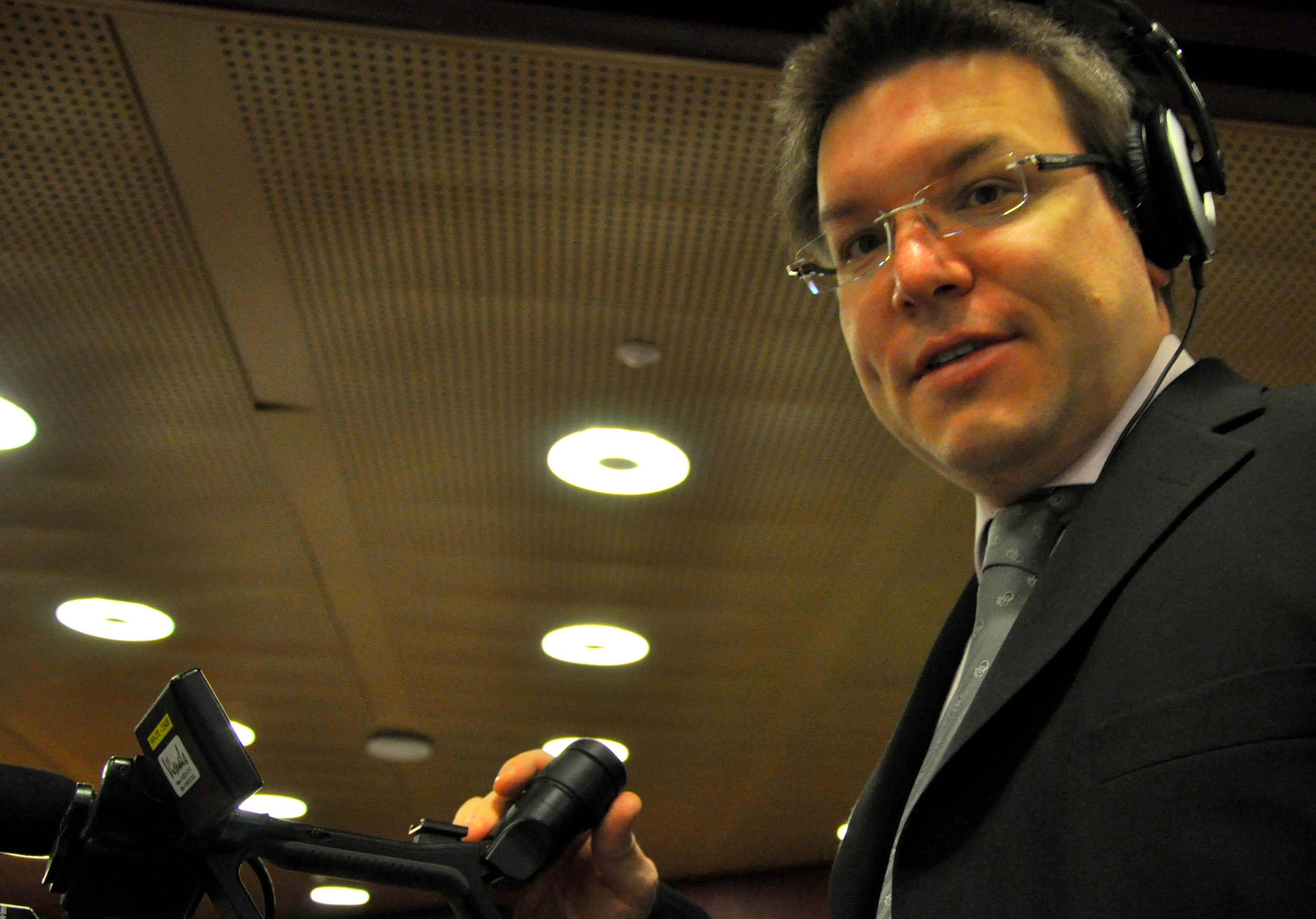
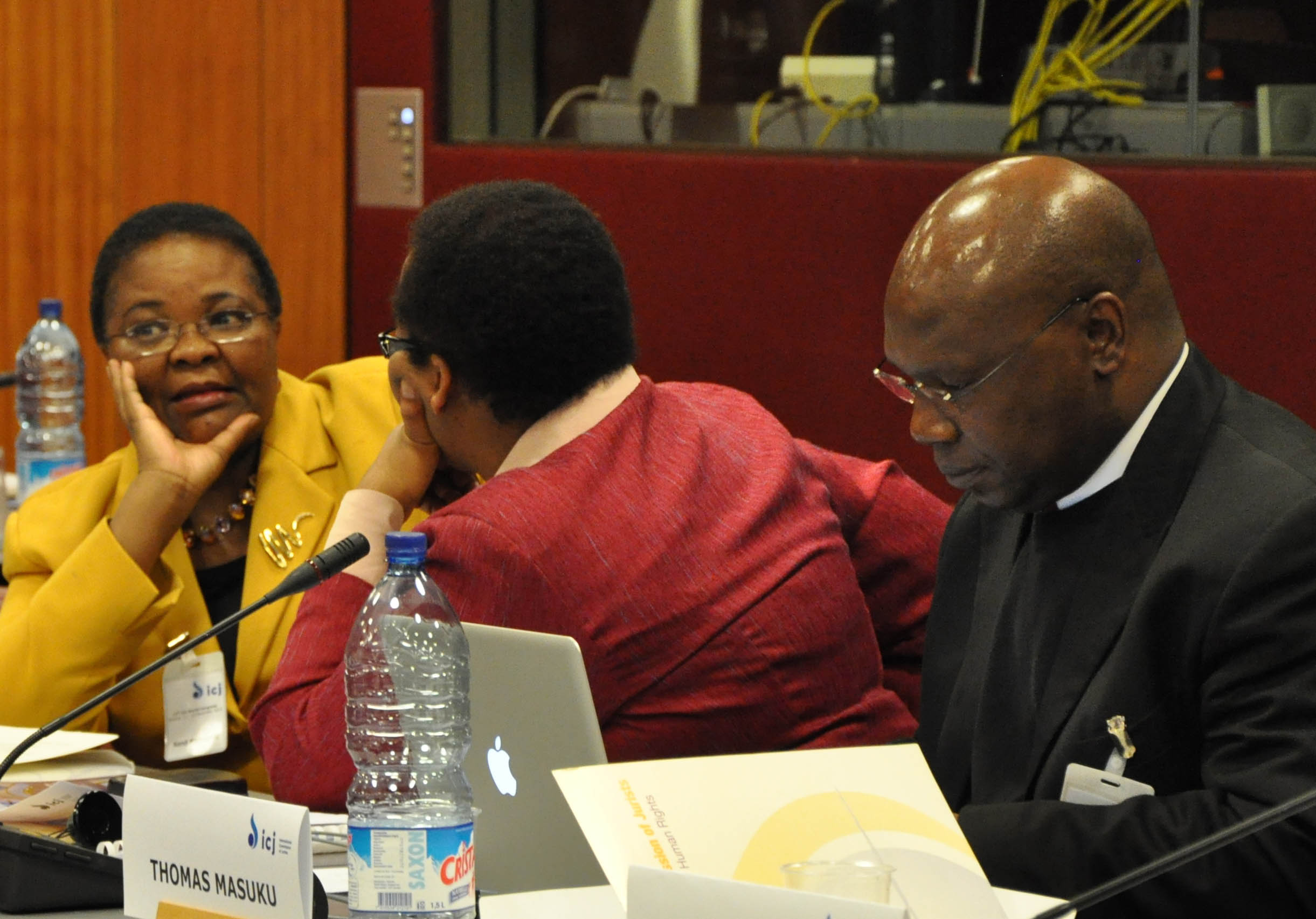
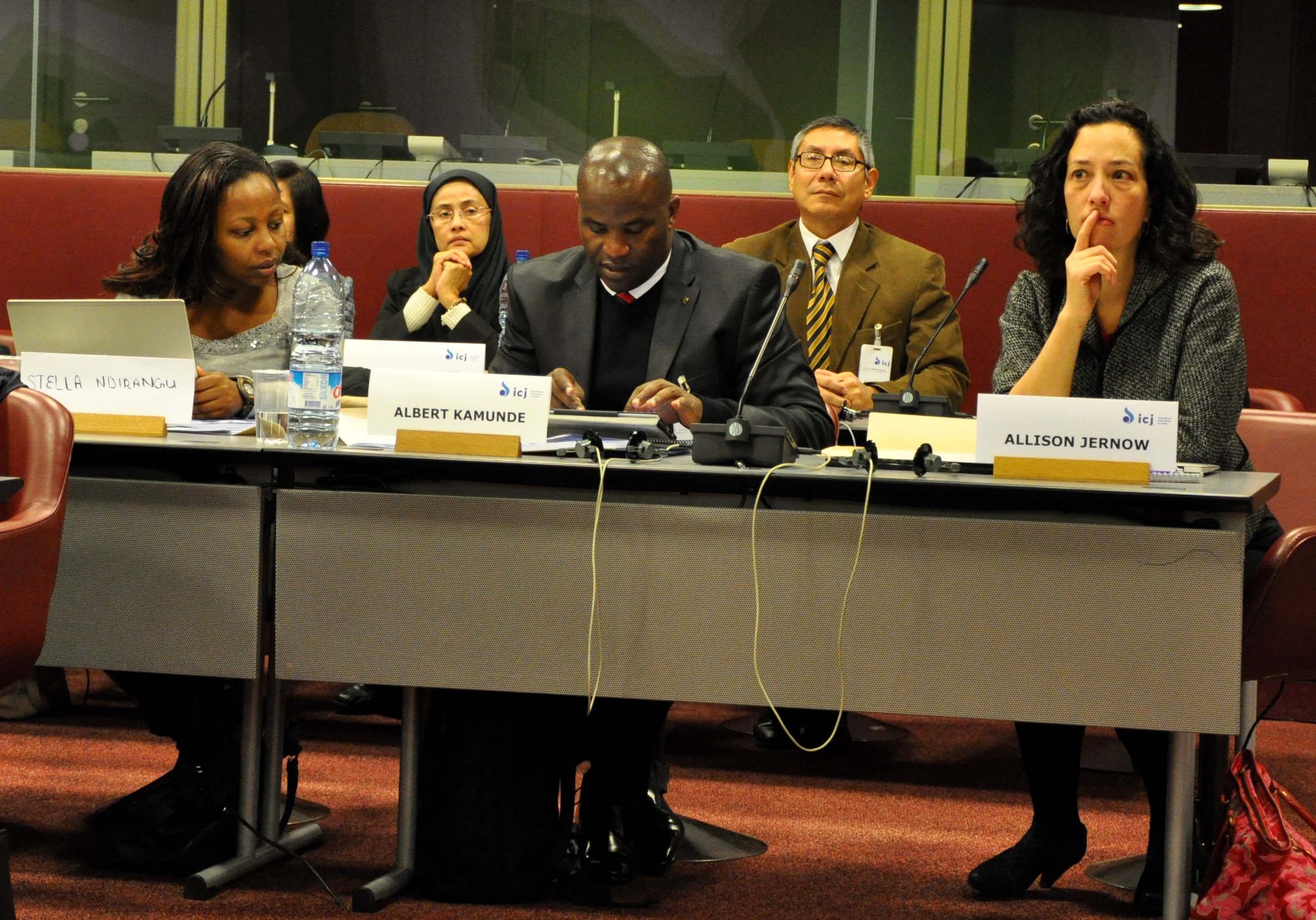
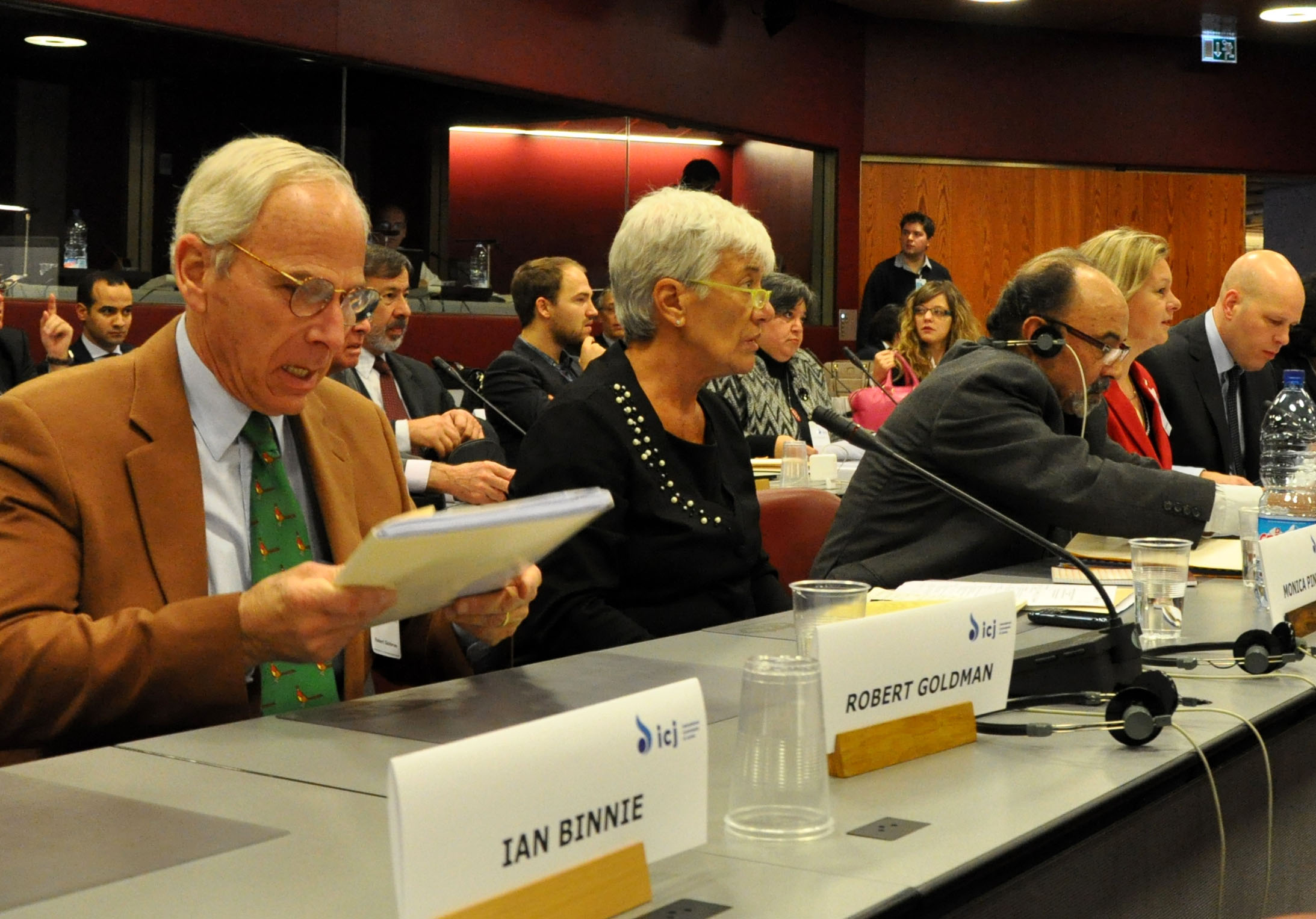
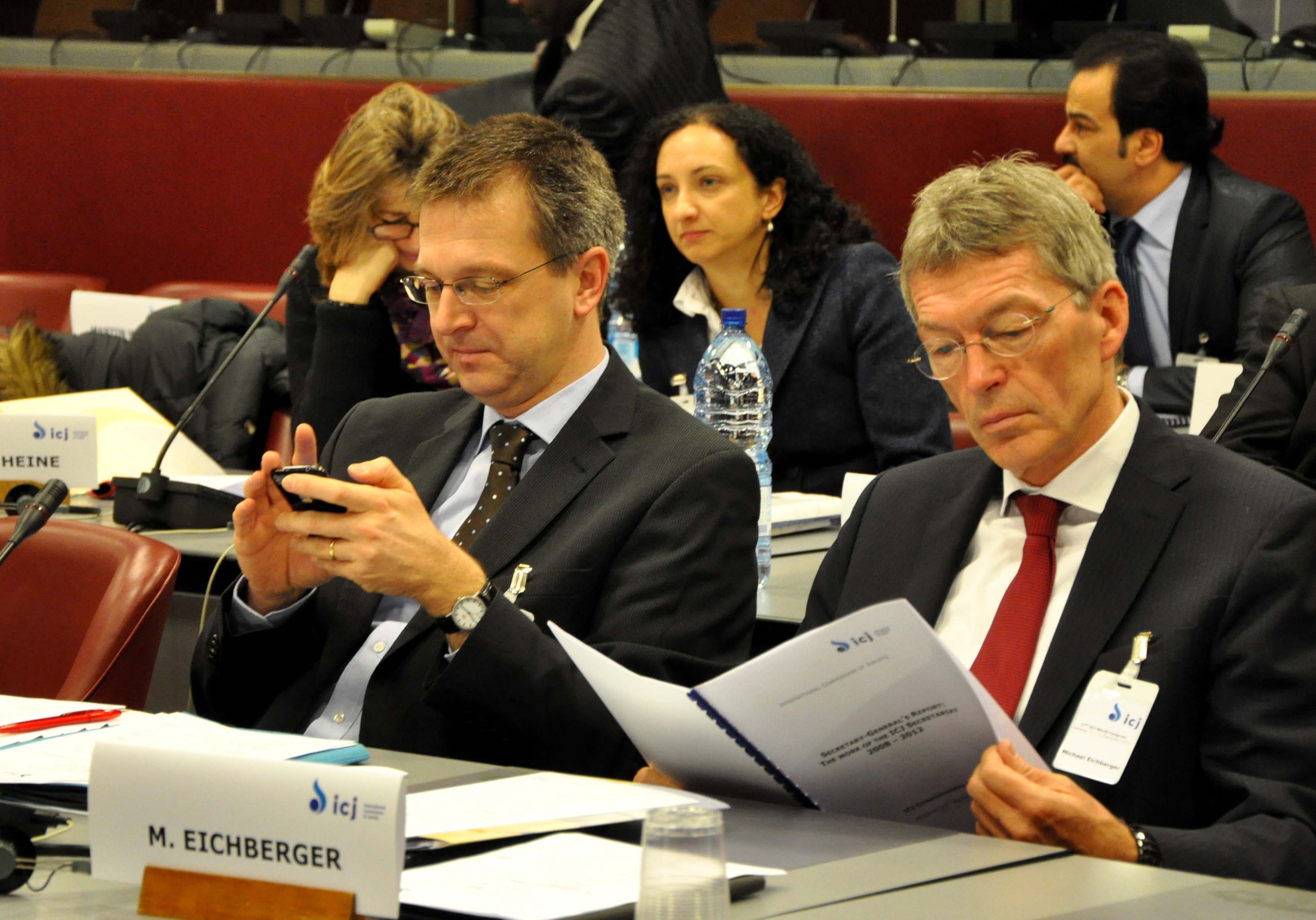

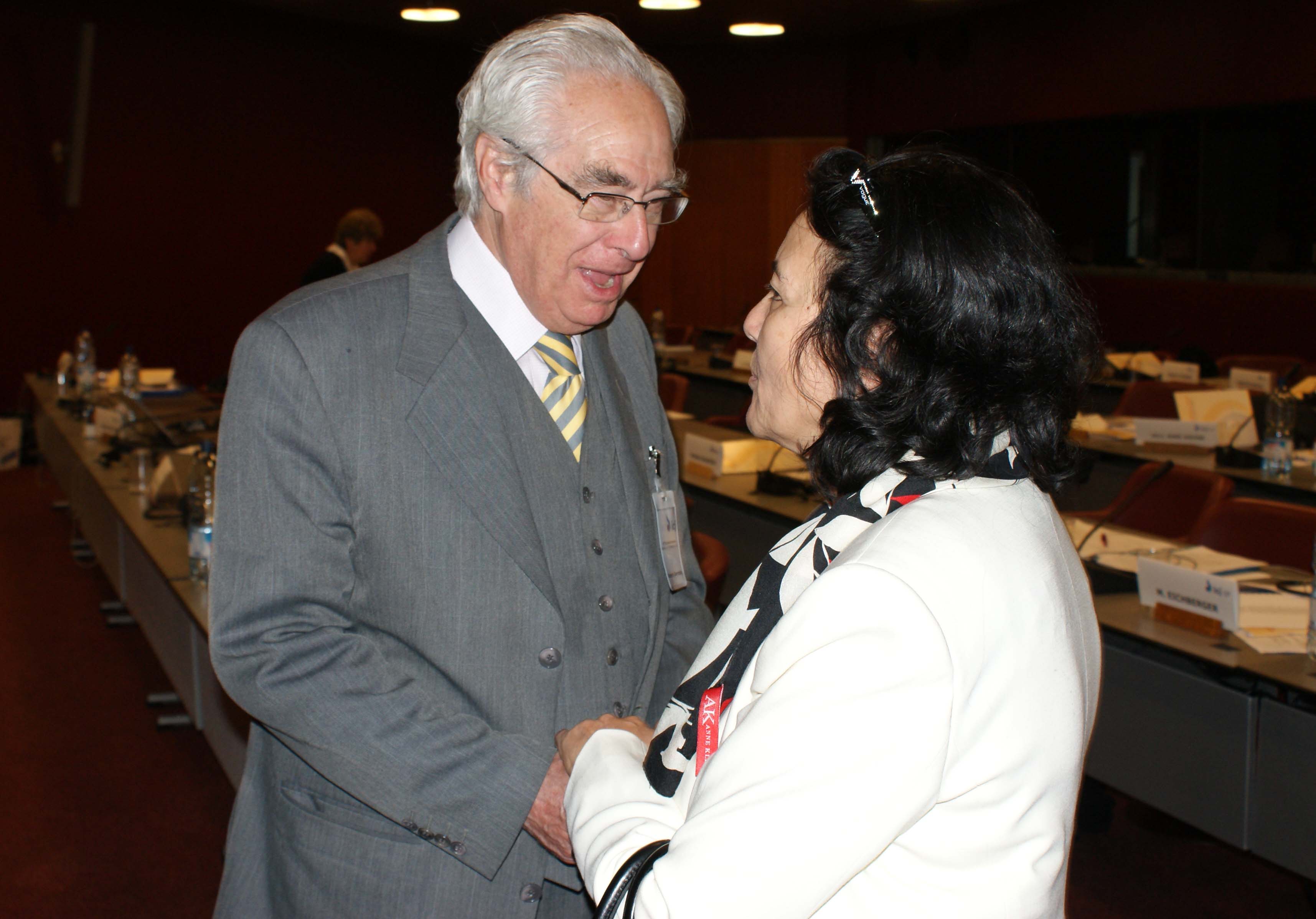




Photos by Sophie Jordi and Olivier van Bogaert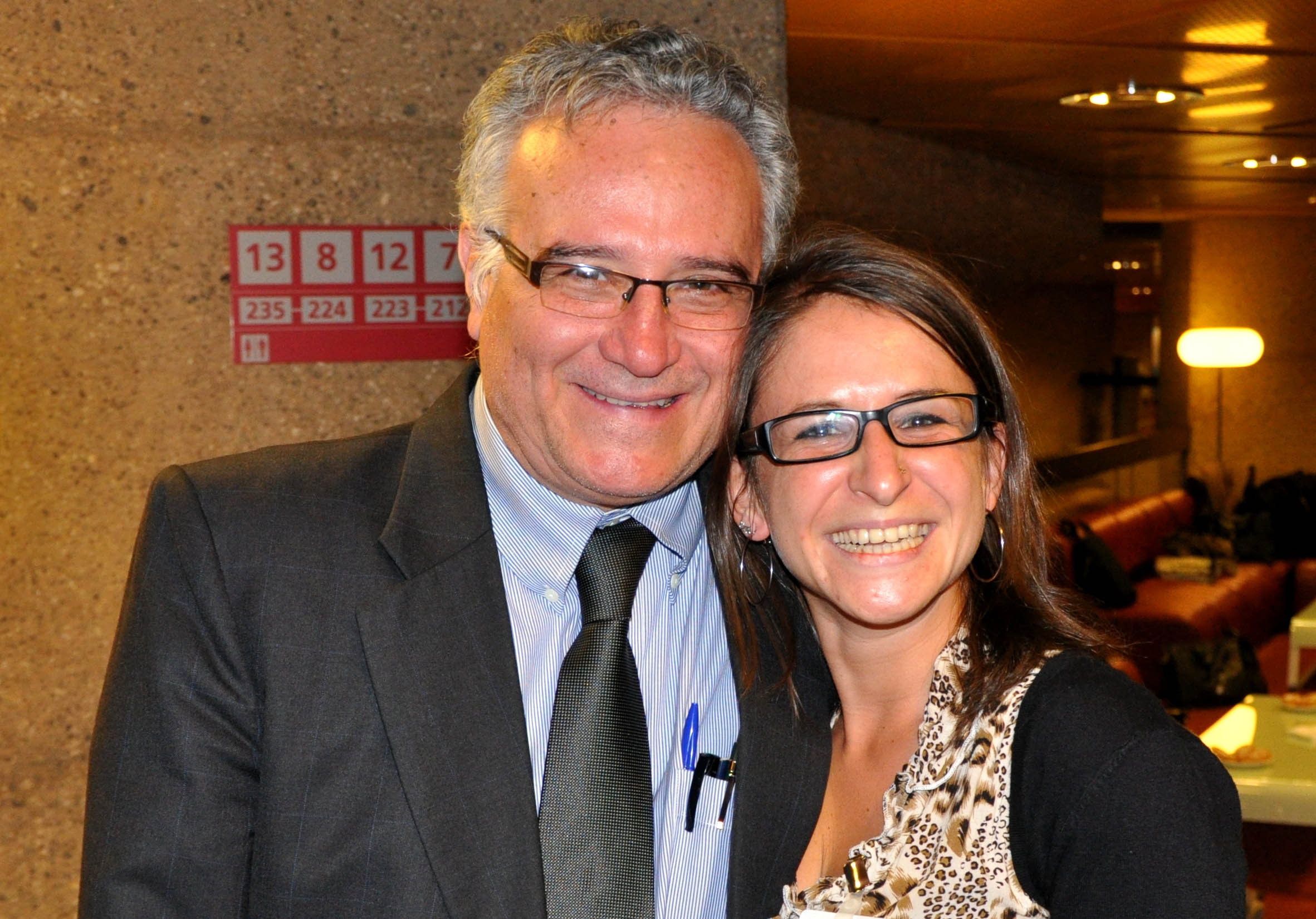


Dec 13, 2012 | News
 Today’s ruling on the CIA’s detention and rendition of Khaled El-Masri is a historic moment because for the first time it holds a European state accountable for its involvement in the secret US-led programmes.
It is also a milestone in the fight against impunity, Amnesty International and the International Commission of Jurists (ICJ) said.
The European Court of Human Rights held unanimously that the former Yugoslav Republic of Macedonia (Macedonia) was responsible for the German national Khaled El-Masri’s unlawful detention, enforced disappearance, torture and other ill-treatment, and for his transfer out of Macedonia to locations where he suffered further serious violations of his human rights.
Further, that Macedonia did not satisfy its obligation to carry out an effective investigation.
“This judgment confirms the role Macedonia played in the Central Intelligence Agency (CIA) rendition and secret detention programmes, and is an important step towards accountability for European complicity in rendition and torture,” said Julia Hall, Amnesty International’s expert on counter-terrorism and human rights.
“Macedonia is not alone. Many other European governments colluded with the USA to abduct, transfer, ‘disappear’ and torture people in the course of rendition operations. This judgment represents progress, but much more needs to be done to ensure accountability across Europe.”
“This ruling is historic. It recognises that the CIA rendition and secret detention system involved torture and enforced disappearances. It emphasises that both the victims and the public have the right to know the truth about these serious violations. It affirms without doubt that Europe cannot be an area of impunity but it must be a place of redress and accountability where international human rights law obligations are not bypassed but fulfilled,” said Wilder Tayler, Secretary General of the ICJ.
“Other European governments – such as Poland, Lithuania, and Romania, against which cases are also pending with the Court – should note today’s European Court judgment and take measures to ensure that the truth is told, thorough, effective, independent and impartial investigations are carried out and those responsible are held accountable.”
The Court’s ruling also serves to highlight the absence of accountability and remedy in the USA, noting that the claim filed against the CIA by Khaled El-Masri was dismissed by the US courts after the US administration invoked the “state secrets privilege”.
On 31 December 2003, the Macedonian authorities arrested El-Masri, who is of Lebanese descent, after he entered Macedonia from Serbia.
They held him incommunicado, subjecting him to enforced disappearance, repeated interrogations and to ill-treatment, until 23 January 2004 when they handed him over to Central Intelligence Agency (CIA) agents.
As part of the covert, US-led rendition and secret detention programme, the CIA transferred El-Masri to a secret detention facility in Afghanistan.
There he was held unlawfully in secret, not charged with any crime and his detention was not subject to judicial review. He did not have access to a lawyer. His whereabouts were not acknowledged and he was held incommunicado.
As a result he was subjected to enforced disappearance for over four months. While in Afghanistan, he was subjected to torture and other ill-treatment.
On 28 May 2004, El-Masri was put on a plane and flown to Albania where he was released.
Contact:
Róisín Pillay, Director, ICJ Europe Programme, t +41 22 979 38 30; e-mail: roisin.pillay(at)icj.org
For the ICJ/AI third party intervention, click here
Europe-Joint public statement El Masri-2012

Dec 13, 2012 | Comunicados de prensa, Noticias
La CIJ condena los actos de los países de Centroamérica que afectan seriamente la independencia judicial. El ultimo acto de esta naturaleza ocurrió en Honduras.
La CIJ ante los últimos acontecimientos que afectan seriamente la independencia de los differentes poderes judiciales en países de la región centroamericana, expresa:
- Durante el año 2012, la CIJ ha constatado que los diferentes gobiernos y autoridades de los países de Centroamérica han realizado actos que afectan seriamente la independencia judicial. En Honduras, el miércoles 12 de diciembre, la Asamblea Legislativa procedió a destituir a cuatro magistrados de la Sala Constitucional de la Corte Suprema de Justicia, sin tener facultades o atribuciones para un acto de esta naturaleza. Esta destitución nos sitúa frente a un escenario similar al del Golpe de Estado de junio de 2009;
- En El Salvador, se han dado hechos similares; durante todo el año 2012, la Asamblea Legislativa y otros grupos del poder político, han pretendido desarticular la Sala Constitucional de la Corte Suprema de dicho país, debido al contenido de sus sentencias; en Costa Rica hace unas semanas, también la Asamblea Legislativa se negó a ratificar en su cargo a un magistrado de la Sala Constitucional de la Corte Suprema de Justicia, alegando que los fallos de dicha sala creaban una “situación de ingobernabilidad” y que ese acto era un “llamado de atención para el resto de los magistrados”, siendo la primera vez que el Organismo Legislativo se negó a ratificar en su cargo un nuevo mandato de un magistrado del alto Tribunal;
- En Guatemala, tanto el Presidente de la Cámara Penal de la Corte Suprema de Justicia como la Fiscal General, vienen siendo objeto de ataques a su independencia por parte de abogados defensores de las personas acusadas, por la función positiva que han cumplido en la lucha contra la impunidad en casos de graves violaciones a los derechos humanos cometidas durante el conflicto armado;
La CIJ considera que todos estos hechos constituyen injerencias y ataques a la independencia del Poder Judicial; tratándose de magistrados de diferentes Cortes Supremas y de una Fiscal General, estos actos evidencian por sí mismos, la precariedad de la garantía de independencia judicial en dichos países. A esta situación, hay que agregar que varios de los países mencionados, carecen de sistemas de carrera judicial y de mecanismos de protección adecuados para garantizar a los funcionarios el ejercicio independiente de la función jurisdiccional; además, en ellos existen fenómenos de impunidad generalizados y de cuerpos ilegales, aparatos clandestinos de seguridad y crimen organizado.
Frente a estos hechos, la CIJ recomienda:
- Que las autoridades estatales concernidas con los hechos arriba mencionados, se abstengan de interferir en el ámbito de la independencia de los poderes judiciales, ya que de lo contrario, estarían incumpliendo sus obligaciones internacionales sobre respeto a la independencia de poderes, establecidas en la Convención Americana sobre Derechos Humanos y en el Pacto Internacional de Derechos Civiles y Políticos;
- Que se tomen las medidas necesarias para asegurar la independencia de jueces, magistrados y fiscales como corresponde en un Estado de Derecho;
- Que los estados relacionados establezcan mecanismos de protección para jueces, magistrados, fiscales y demás operadores de justicia, a fin de salvaguardar su integridad y garantizar el ejercicio de la función jurisdiccional independiente;
- Que los estados concernidos impulsen procesos de creación o fortalecimiento de carreras judiciales de conformidad con los estándares internacionales;
- Que se fortalezcan los poderes judiciales y otras entidades del sector justicia, a fin de lograr la efectiva protección de los derechos humanos incluida la lucha contra la impunidad.
La CIJ continuará cumpliendo con su mandato de promover y garantizar la independencia de jueces, abogados y fiscales; en ese sentido, le dará seguimiento a estas situaciones y continuará observando y proponiendo soluciones a esta problemática.
Para mayor información :
Ramón Cadena Rámila, Director de la Comisión Internacional de Juristas para Centro América, t + 502 30441818

Dec 13, 2012 | News
Following recent attacks against the independence of the judiciary in several Central American countries, the ICJ issued today a strong position statement (in Spanish).
La CIJ ante los últimos acontecimientos que afectan seriamente la independencia de los differentes poderes judiciales en países de la región centroamericana, expresa:
- Durante el año 2012, la CIJ ha constatado que los diferentes gobiernos y autoridades de los países de Centroamérica han realizado actos que afectan seriamente la independencia judicial. En Honduras, el miércoles 12 de diciembre, la Asamblea Legislativa procedió a destituir a cuatro magistrados de la Sala Constitucional de la Corte Suprema de Justicia, sin tener facultades o atribuciones para un acto de esta naturaleza. Esta destitución nos sitúa frente a un escenario similar al del Golpe de Estado de junio de 2009;
- En El Salvador, se han dado hechos similares; durante todo el año 2012, la Asamblea Legislativa y otros grupos del poder político, han pretendido desarticular la Sala Constitucional de la Corte Suprema de dicho país, debido al contenido de sus sentencias; en Costa Rica hace unas semanas, también la Asamblea Legislativa se negó a ratificar en su cargo a un magistrado de la Sala Constitucional de la Corte Suprema de Justicia, alegando que los fallos de dicha sala creaban una “situación de ingobernabilidad” y que ese acto era un “llamado de atención para el resto de los magistrados”, siendo la primera vez que el Organismo Legislativo se negó a ratificar en su cargo un nuevo mandato de un magistrado del alto Tribunal;
- En Guatemala, tanto el Presidente de la Cámara Penal de la Corte Suprema de Justicia como la Fiscal General, vienen siendo objeto de ataques a su independencia por parte de abogados defensores de las personas acusadas, por la función positiva que han cumplido en la lucha contra la impunidad en casos de graves violaciones a los derechos humanos cometidas durante el conflicto armado;
La CIJ considera que todos estos hechos constituyen injerencias y ataques a la independencia del Poder Judicial; tratándose de magistrados de diferentes Cortes Supremas y de una Fiscal General, estos actos evidencian por sí mismos, la precariedad de la garantía de independencia judicial en dichos países. A esta situación, hay que agregar que varios de los países mencionados, carecen de sistemas de carrera judicial y de mecanismos de protección adecuados para garantizar a los funcionarios el ejercicio independiente de la función jurisdiccional; además, en ellos existen fenómenos de impunidad generalizados y de cuerpos ilegales, aparatos clandestinos de seguridad y crimen organizado.
Frente a estos hechos, la CIJ recomienda:
- Que las autoridades estatales concernidas con los hechos arriba mencionados, se abstengan de interferir en el ámbito de la independencia de los poderes judiciales, ya que de lo contrario, estarían incumpliendo sus obligaciones internacionales sobre respeto a la independencia de poderes, establecidas en la Convención Americana sobre Derechos Humanos y en el Pacto Internacional de Derechos Civiles y Políticos;
- Que se tomen las medidas necesarias para asegurar la independencia de jueces, magistrados y fiscales como corresponde en un Estado de Derecho;
- Que los estados relacionados establezcan mecanismos de protección para jueces, magistrados, fiscales y demás operadores de justicia, a fin de salvaguardar su integridad y garantizar el ejercicio de la función jurisdiccional independiente;
- Que los estados concernidos impulsen procesos de creación o fortalecimiento de carreras judiciales de conformidad con los estándares internacionales;
- Que se fortalezcan los poderes judiciales y otras entidades del sector justicia, a fin de lograr la efectiva protección de los derechos humanos incluida la lucha contra la impunidad.
La CIJ continuará cumpliendo con su mandato de promover y garantizar la independencia de jueces, abogados y fiscales; en ese sentido, le dará seguimiento a estas situaciones y continuará observando y proponiendo soluciones a esta problemática.
Para mayor información :
Ramón Cadena Rámila, Director de la Comisión Internacional de Juristas para Centro América, t + 502 30441818

Dec 12, 2012 | Multimédia, Nouvelles
Le 17ème Congrès mondial de la CIJ s’est conclus aujourd’hui avec l’adoption d’une déclaration historique sur l’accès à la justice et le droit à un recours au sein des systèmes internationaux des droits de l’Homme.
Lors de son discours final à l’occasion de la cérémonie de clôture du Congrès, Sir Nigel Rodley, le nouveau président de la CIJ (sur la droite de la photo ci-dessus – accompagné de Pedro Nikken, président sortant de la CIJ) a dit:
“La CIJ a toujours été leader mondial des organisations d’avocats travaillant pour l’État de droit et les droits de l’Homme.
A l’âge respectable de 60 ans, la CIJ est à la hauteur de son prestige et de son autorité.
Menée par l’un des avocats les plus expérimentés au niveau mondial dans le domaine des droits humains, l’Uruguayen Wilder Tayler, la CIJ dispose maintenant à Genève, ville des droits de l’Homme, d’un secétariat renforcé, et de plusieurs bureaux actifs dans de nombreux pays et régions clés du monde entier.
Ainsi, la CIJ est bien armée pour apporter une contribution encore plus significative à la résolution des graves attaques contre l’indépendance des juges, avocats et procureurs.
Il n’y a pas de justice si le peuple n’y a pas accès. Le congrès de la CIJ, avec l’appuis de la vaste expertise des commissaires de la CIJ, des représentants des sections nationales ainsi que des invités, a adopté une déclaration historique. Celle-ci porte sur l’accès à la justice et au droit de recours dans les systèmes internationaux de droits de l’Homme.
L’accent a été mis sur la capacité des systèmes internationaux et régionaux de droits de l’Homme à mieux répondre aux besoins de ceux qui ne peuvent pas garantir la justice sur le plan domestique.
Il y avait une urgence toute particulière à garder à l’esprit les tentatives des gouvernements d’affaiblir la capacité des systèmes à leur demander de rendre des comptes.”
Nigel Rodley parle de la déclaration finale de la CIJ (vidéo en anglais):
ICJ 17th World Congress-Declaration-2012-FR (texte complet de la déclaration en pdf)
Crédit photo: David Rouge