Dec 13, 2017
Today, the ICJ and other human rights groups urged changes to a new law in Lao PDR that would enable violations of freedom of association and other human rights.
The groups sent an open letter to the Lao PDR Government calling for the repeal of or for significant amendments to be made to the Decree on Associations that came into force in Lao PDR in November 2017. A legal brief detailing analysis of the new law was attached to the open letter.
The letter emphasized that repeal or amendments to the new law needed to be part of fundamental reform of the framework of regulation of associations in Lao PDR, in line with international human rights law and standards.
The new law supersedes the 2009 Decree on Associations, which had already included imprecise and overly broad terms leading to arbitrary restrictions on the rights to freedom of association, freedom of opinion and expression and privacy.
“The 2009 law had already imposed restrictions on fundamental freedoms which were clearly in contravention of Lao PDR’s obligations under international human rights law,” said Frederick Rawski, the ICJ’s Regional Director for Asia and the Pacific. “The new law makes things worse.”
In the attached legal brief, the ICJ and other human rights groups analyzed provisions in the decree which arbitrarily restrict or deny fundamental rights by giving government authorities in Lao PDR sweeping powers to, among other things,
- unreasonably control and/or prohibit the formation of associations;
- arbitrarily inspect, monitor and curtail the activities and finances of associations;
- order the dissolution of associations on arbitrary grounds and without right of appeal;
- discipline associations and individual members on arbitrary grounds and
- criminalize unregistered associations and allow for prosecution of their members.
The letter concluded by urging the Lao PDR Government to respect its obligations under international human rights law by removing arbitrary, overbroad and discriminatory elements from its framework of regulation of associations.
Any regulation regime should make clear that individuals are free to form private unincorporated associations without needing to notify or register with the State.
The letter further urged that for associations wishing to acquire legal personality, the law should at most provide for automatic registration upon notification and fulfillment of simple administrative requirements, rather than a system requiring prior permission of State officials.
“The rights to form and participate in associations, to freely express one’s opinions and to lead a private life are fundamental freedoms, which the Lao PDR Government has a duty to protect, promote and fulfill,” said Rawski.
Background
The Decree on Associations, dated 11 August 2017, came into force on 15 November 2017. Pursuant to its article 81, the new law supersedes the Decree on Associations (No. 115 of 2009) dated 29 April 2009 (‘2009 Decree’).
The new law only applies to local non-profit associations (NPAs) and does not govern international non-governmental organizations (INGOs) in Lao PDR, which are instead regulated by the Decree on International Non-Governmental Organizations (INGO) (No. 013 of 2010).
As a party to the International Covenant on Civil and Political Rights (ICCPR), Lao PDR has a legal obligation to respect, protect and guarantee, among others, the rights to privacy (article 17), freedom of opinion and expression (article 19), and freedom of association (article 22), which includes the right to form and join associations, subject only to narrow restrictions.
The ICCPR also requires States to implement necessary legislative, administrative or other measures for effective promotion and protection of these freedoms.
Contact
Frederick Rawski, ICJ Regional Director for Asia and the Pacific (Bangkok), e: frederick.rawski(a)icj.org
Kingsley Abbott, ICJ Senior International Legal Adviser (Bangkok), e: kingsley.abbott(a)icj.org
Lao-Decree Associations-Advocacy-open letters-2017-ENG (open letter + briefing paper, in PDF)
Dec 9, 2017 | Artículos, Multimedia, Noticias
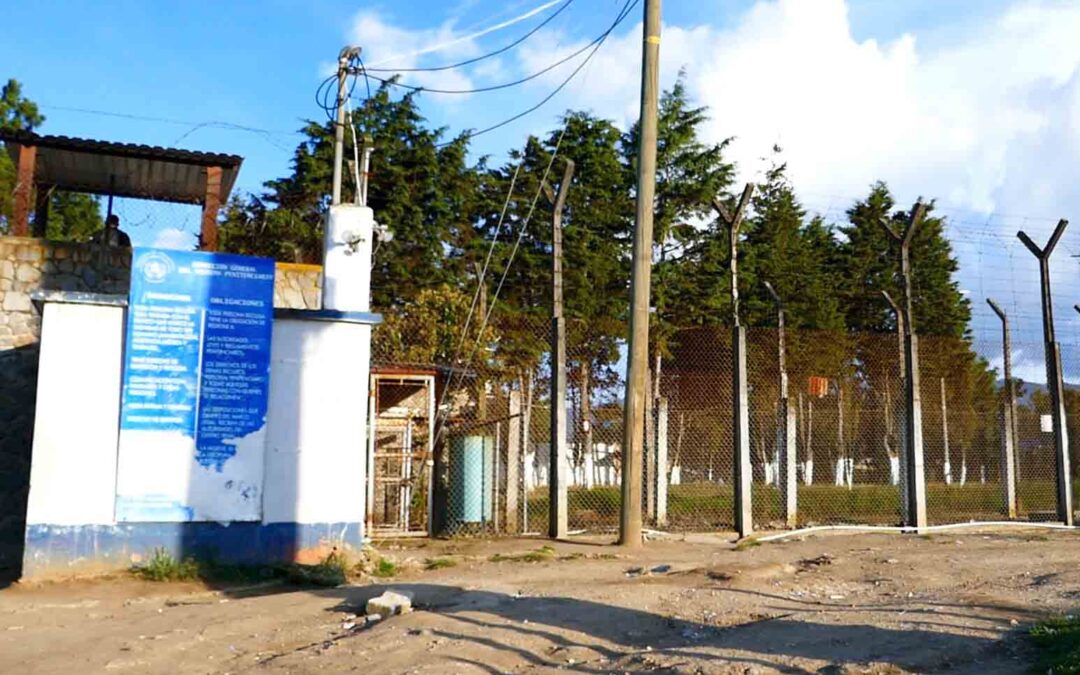
Los dirigentes de comunidades indígenas que buscan proteger sus tierras y recursos naturales contra los impactos negativos de operaciones industriales y proyectos de infraestructura, han sido acusados de actividades criminales y en algunos casos detenidos de manera arbitraria.
Esta respuesta tiene como objetivo silenciar las voces de protesta y las demandas legítimas de consentimiento libre, previo e informado relativas a obras de infraestructura y otros proyectos en las comunidades indígenas.
Este video incluye entrevistas con Ramón Cadena, director de la CIJ para Centroamérica, dos dirigentes indígenas, que fueron víctimas de detención arbitraria, así como una dirigente comunitaria, explicando el impacto de la detención en la familia y toda la comunidad.
La criminalización del trabajo en defensa de los derechos humanos es un fenómeno por el cual se acusan a las y los dirigentes comunitarios de diferentes actividades criminales a causa de su oposición a un modelo de desarrollo basado en las industrias extractivas o la privatización de servicios sociales esenciales.
Este modelo de desarrollo afecta a los recursos naturales (el agua, la tierra y el medio ambiente) en los territorios de los pueblos indígenas.
Se trata de un fenómeno global que es particularmente agudo en Guatemala.
La explotación de los recursos naturales, tales como la minería a cielo abierto y las operaciones de industrias extractivas en los territorios de los pueblos indígenas, es una razón principal que explica los ataques a las protestas sociales y las acciones de defensa de los derechos humanos.
Las diferentes comunidades afectadas buscan defender sus territorios y oponerse a las diferentes formas de explotación de los recursos naturales que se hallan en sus territorios o en áreas vecinas porque puede afectar el abastecimiento en agua, la tierra y el medio ambiente.
Varios dirigentes han sido asesinados a causa de su oposición a estos proyectos.
Algunos miembros de las familias de los asesinados han asumido a su vez la tarea de oponerse a estos proyectos, y también han sido acusados de actividades criminales.
También, en Guatemala existe un conflicto social intenso por la manera de abastecimiento de electricidad.
Como resultado de la privatización del servicio en 1996, el Estado de Guatemala ha consentido concesiones a compañías nacionales e internacionales para proveer servicios de electricidad.
Durante los años, muchas y muchos usuarios se han quejado de la mala calidad y el alto coste de los servicios de estas compañías privadas.
La Comisión Nacional de Electricidad ha fallado en su deber legal de “asegurar que los concesionarios y contratistas cumplan con sus obligaciones, y proteger los derechos de los usuarios,” lo que ha sido reclamado por muchos usuarios descontentos.
Las protestas sociales conciernen las tres fases diferentes de la producción de electricidad: la generación de electricidad que incluye la construcción de presas hidroeléctricas por compañías multinacionales que causan impactos sobre los territorios de los pueblos indígenas; redes de transmisión de electricidad; y los servicios de electricidad.
Debido a esta situación, muchos usuarios de electricidad han declarado que están en resistencia citando el Artículo 45 de la Constitución de Guatemala que dice: “Es legítimo que el pueblo resista para proteger y defender los derechos y las garantías establecidos en la Constitución.”
Las acciones realizadas bajo esta protección constitucional han causado muchos ataques a los derechos humanos de muchos dirigentes comunitarios, abogados y defensores de derechos humanos.
La CIJ apoya el acceso a la justicia para las personas víctimas de tales violaciones de sus derechos humanos.
La CIJ brinda su apoyo a los abogados que defienden a estas víctimas de la criminalización de protestas sociales; actúa como observador de procesos en casos emblemáticos; promueve dialogo entre las comunidades y las autoridades estatales pertinentes, así como los alcaldes locales; y en algunos casos, apoya sumisiones de casos ante la Corte Constitucional.
Dec 8, 2017 | News
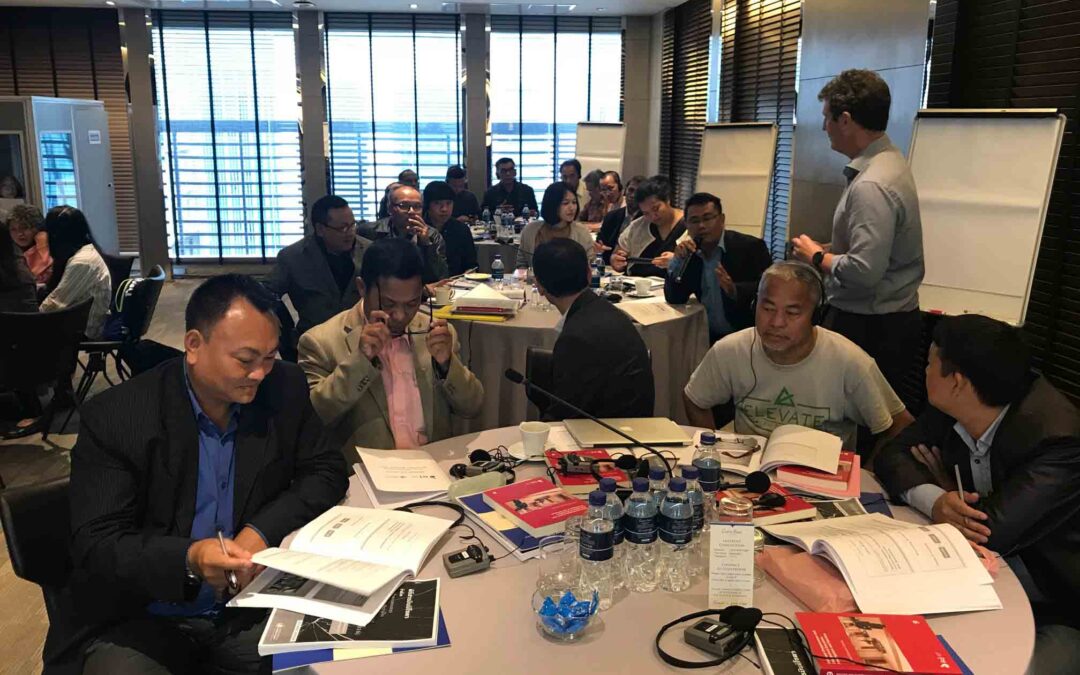
From 5 to 8 December 2017, the ICJ co-hosted two workshops – the first one for lawyers with the UN Office of the High Commissioner for Human Rights (OHCHR) and the second one for authorities in Thailand – on the investigation of potentially unlawful deaths and enforced disappearance.
The first workshop’s attendees included 17 lawyers and academics from Thailand and eight lawyers from India.
Participants in the second workshop included 26 participants from Thailand’s Ministry of Justice, Department of Special Investigation (DSI), Royal Thai Police, Office of the Attorney-General, Ministry of Defence, Ministry of Interior, Southern Border Province Administration Centre and the National Human Rights Commission of Thailand.
The first event commenced with opening remarks by OHCHR Human Rights Officer and Thailand team coordinator, Imesh Pokharel, and Frederick Rawski, the ICJ’s Regional Director for Asia and the Pacific.
Aem-on Siang-Yai, Director of the Office of Rights and Freedoms Protection from the Rights and Liberties Protection Department of Thailand’s Ministry of Justice made additional opening remarks in the second event.
In both workshops, Kingsley Abbott, Senior International Legal Adviser for Southeast Asia at the ICJ provided an introduction to the revised Minnesota Protocol on the Investigation of Potentially Unlawful Death (2016), which was launched in Thailand on 25 May 2017; ICJ Practitioners Guide No 9 – Enforced Disappearance and Extrajudicial Execution: Investigation and Sanction (2015, in English, Spanish and Thai); and the international legal framework governing investigations into unlawful deaths, noting that Thailand has legal obligations including under its Constitution and the International Covenant on Civil and Political Rights (ICCPR), to which it is a State Party, to respect, protect and fulfil the right to life.
These obligations entail a duty to ensure investigations into potentially unlawful deaths are independent, impartial, effective, thorough and transparent.
Sean Buckley of OSACO Group, former New Zealand Police Detective and now an independent, international, investigative specialist with more than 20 years of investigations experience including more than seven years with the United Nations (including at the Special Tribunal for Lebanon and the United Nations High Commissioner for Refugees), provided in both events a technical training on a range of topics relevant to investigations using the revised Minnesota Protocol as a guide.
Kingsley Abbott was a member of the Forensics and Legal Working Groups which assisted with the revision of the Minnesota Protocol, while Sean Buckley was a member of the Advisory Panel.
The workshops focused on investigation techniques of potentially unlawful deaths, including controlling the crime scene, preserving the security of evidence and ensuring the safety of all parties involved in investigations, including witnesses, investigators and family members of victims.
The workshops also covered witness identification and interview techniques, collection of DNA evidence, drafting of investigation reports and crime file management.
Sean Buckley shared with participants different means of international assistance available for investigations of potentially unlawful deaths.
The Workshop also covered the collection and potential use of telecommunications evidence.
Sean Buckley and Imesh Pokharel presented on the interview and protection of witnesses.
Thailand and India are both state parties to the ICCPR.
Contact
Kingsley Abbott, ICJ Senior International Legal Adviser for Southeast Asia, kingsley.abbott(a)icj.org
Dec 5, 2017 | Advocacy, Non-legal submissions
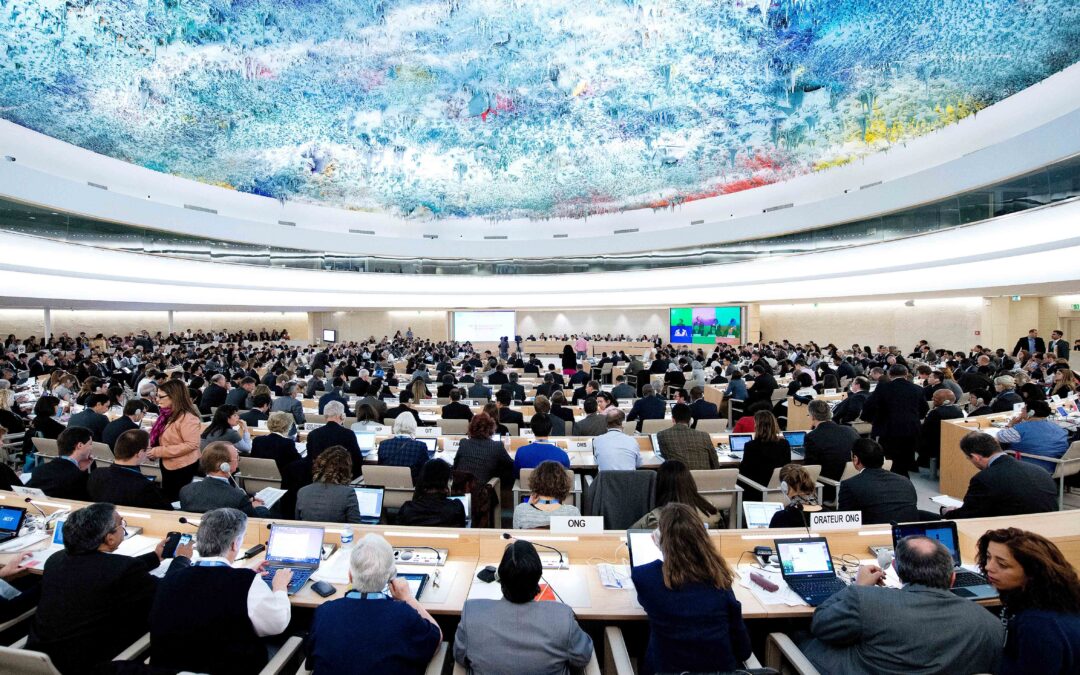
The ICJ today addressed an emergency Special Session of the UN Human Rights Council on Myanmar, outlining key requirements for the protection of the Rohingya minority, including safe and voluntary return of refugees.The Special Session is expected to adopt a resolution to address “The human rights situation of the minority Rohingya Muslim population and other minorities in the Rakhine State of Myanmar.”
The ICJ statement read as follows:
“It is encouraging that the Governments of Bangladesh and Myanmar have recognized the right of displaced Rohingya to return to their places of residence.
However, any provisions for return must comply with international law, including as regards non-refoulement. Effective guarantees that all displaced persons will be able to return to their place of prior residence in a safe, dignified, voluntary and sustainable manner, without discrimination, are essential.
Rohingya refugees must also be provided with alternatives to return, including the option of seeking international protection. Anything short of this would amount to their forcible return and thus violate the non-refoulement principle.
It is of the utmost urgency that the gross and systematic violations that have given rise to the forced displacement are immediately brought to an end and that measures are taken to prevent their recurrence, including by holding perpetrators responsible.
No-one may be forcibly returned to the current circumstances that prevail in Rakhine State, and voluntary returns will only ultimately take place if and when refugees are satisfied they are not returning to further violations in Myanmar.
Any provisions for restrictions on freedom of movement upon return are also of concern, particularly given past experience, with internment camps housing tens of thousands of Muslims displaced in 2012 still in place. Such restrictions elsewhere in Rakhine State contribute to violations of, among other things, the human rights to life, to health, to food, to education and to livelihoods.
To ensure that the rights of refugees are respected and protected, Bangladesh and Myanmar should immediately seek to ensure that UNHCR is involved, and its guidance followed, in any discussion of repatriation processes.
The Government of Myanmar must cooperate with the UN-mandated Fact Finding Mission to independently establish facts and provide a proper foundation for effective responses to human rights violations and humanitarian crises in Rakhine State, as well as in Shan and Kachin States, whose populations also face related patterns of human rights violations by military and security forces.”
The Council adopted a resolution at the end of the session, which reflects many of the concerns raised by the ICJ and others: A_HRC_S_27_L1
Nov 30, 2017 | News
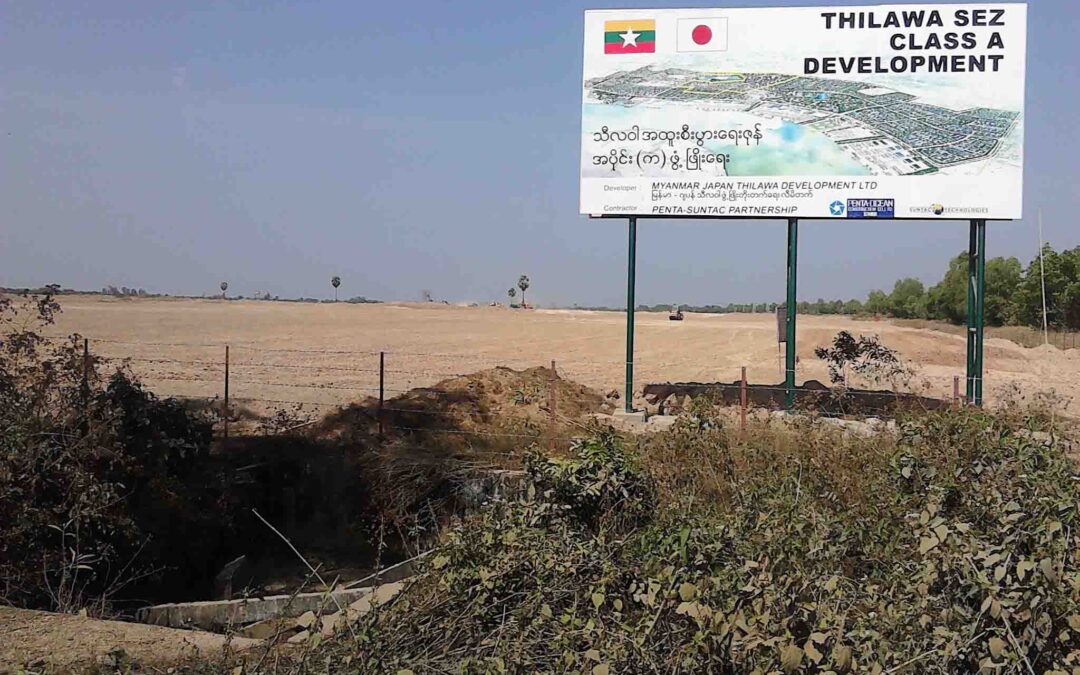
The ICJ addressed representatives of over 400 civil society organizations from all 14 states and regions of Myanmar at the MATA Forum held in the township of Pyin Oo Lwin, close to Mandalay.
Hosted from 28 to 30 November by the Myanmar Alliance for Transparency and Accountability (MATA), the Forum featured seminars and discussions on the ‘The Role of Civil Society Organizations related to Democracy, Federalism, Human Rights and Natural Resource Governance.’
MATA facilitated presentations and discussions by a range of actors on these topics – including by Sean Bain, an International Legal Adviser from the ICJ.
The ICJ’s presentation began with a reflection about key legal concepts, noting the differences between ‘rule by law’ and ‘rule of law’ as understood in the Myanmar context.
MATA members helped facilitate discussion on the application of law in Myanmar, and on key rule of law principles of democracy, human rights, accountability, transparency and justice.
Participants in the Forum were presented with an overview of Myanmar’s laws governing land and investment, assessed in relation to the State’s international legal obligations to respect and to protect human rights.
In particular, Myanmar ratified the International Covenant on Economic, Social and Cultural Rights in October 2017 and its obligations under this treaty will enter into force on 6 January 2018.
It was noted that many national laws – including a proposed new Land Acquisition Bill – fall short on fulfilling the State’s international human rights law obligations.
There was also discussion about how applying the principle of non-discrimination in law and practice is critical for Myanmar’s NLD-led government to meet its international obligations and fulfill its stated commitment to rule of law.
Historical examples were given of legal regimes in South Africa and Australia that legalized discriminatory practices of apartheid and the dehumanization of indigenous peoples. The law must no longer be used in Myanmar as a justification for discrimination.
The ICJ’s involvement in this Forum is part of ongoing engagement with civil society groups in Myanmar.