Jul 4, 2018 | Новости, Статьи
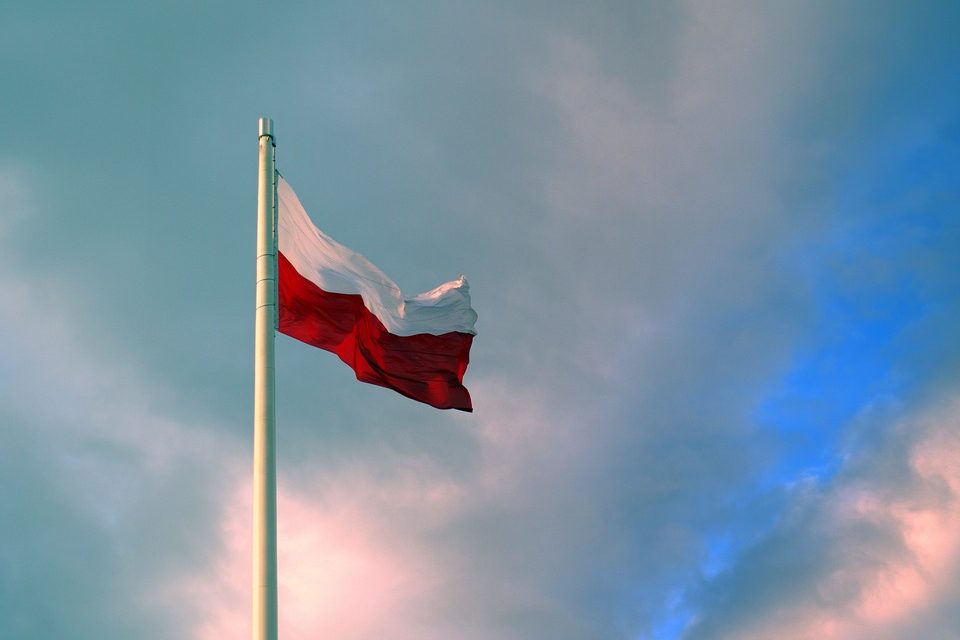
МКЮ сегодня осудила принудительный уход 27 из 72 судей Верховного суда Польши вопреки самым элементарным принципам независимости судебной власти.
«Принудительный выход на пенсию третьей части Верховного суда в соответствии с новым законом о судебной системе означает произвольное увольнение судей», – сказала Роушин Пиллэй, директор Программы МКЮ по Европе и СНГ, «Это грубое нарушение основного принципа независимости судебной власти, безопасности пребывания в должности судей».
Правительство утверждает, что закон и его меры по принудительному выходу на пенсию направлены на улучшение отправления правосудия. Однако, МКЮ считает их преднамеренной попыткой уничтожить независимость судебной власти и установить контроль исполнительной власти .
«Мы призываем польские власти следовать рекомендациям ЕС, отменить это драконовское законодательство и немедленно восстановить судей Верховного суда. Неспособность сделать это ударяет по самому основу независимости судебных органов», – сказала Роушин Пиллэй.
«Универсальные принципы независимости судебных органов, гарантирующие безопасность пребывания в должности, были разработаны давно, чтобы защитить от злоупотребление политическими полномочиями, которые продвигают эту принудительную меру выхода на пенсию, в соответствии с которой судьи будут служить в удовольствие правительства того дня», – добавила она.
МКЮ считает, что осуществление нового закона о Верховном суде и увольнение 27 судей Верховного суда прямо противоречит безопасности пребывания в должности судей и, следовательно, принципа независимости судебных органов, как это выражено в Основных принципах ООН по Независимости судебных органов, в стандартах Совета Европы, юриспруденции Европейского суда по правам человека и принципом верховенства права в договорах ЕС.
Poland-Attacks on judiciary-News-web stories-2018-ENG (полная история – с дополнительной справочной информацией – в формате PDF, на английском)
Jun 29, 2018 | Advocacy, Non-legal submissions
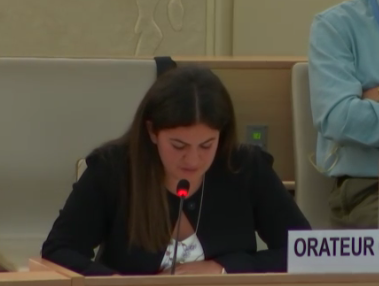
The ICJ today raised concerns for the independence of the judiciary in Serbia, in a statement to the United Nations.
The statement was delivered during the discussion of the outcome of the Universal Periodic Review (UPR) of Serbia, at the UN Human Rights Council in Geneva.
It read as follows:
“The International Commission of Jurists (ICJ) congratulates Serbia on the completion of its Third Cycle Universal Periodic Review.
The ICJ welcomes the acceptance by Serbia of all recommendations to strengthen the rule of law and judicial independence, including by limiting political influence over judicial appointments (Norway, 6.1; Sweden, 6.2; France, 6.3; Australia, 6.20; Germany, 6.22; Morocco, 6.23; Estonia, 6.24; Republic of Korea, 6.25; Singapore, 6.26; Canada, 6.27).
The ICJ regrets, however, that constitutional amendments currently under discussion in Serbia run counter to these recommendations.
The amendments would empower the National Assembly to determine appointments and dismissals of judges of the Constitutional Court, as well as for half of the members of the High Judicial Council, five members of the High Prosecutorial Council, the Supreme Public Prosecutor and public prosecutors.
The independence and autonomy of the Constitutional Court, High Judicial Council and State Prosecutorial Council, would be better secured by reducing or eliminating the role of political bodies such as the National Assembly, particularly as regards dismissals.
The ICJ stresses that the judiciary and the prosecution service must exercise their functions free from direct or indirect external influences, threats or interferences, including from the legislative and executive powers.
While welcoming reforms for life tenure of judges and deputy prosecutors, the ICJ urges Serbia to implement the accepted recommendations by precluding involvement of the National Assembly in the appointment and dismissal of judges, court presidents, public prosecutors, and deputy public prosecutors.”
Jun 22, 2018 | Events, News
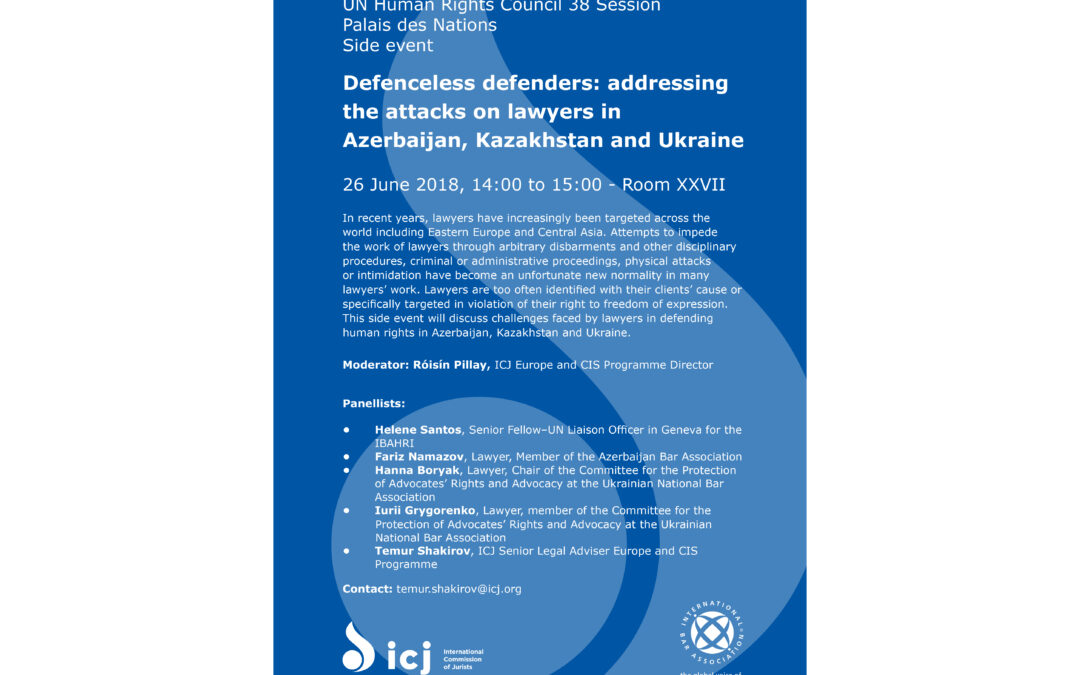
This side event at the Human Rights Council takes place on Tuesday, 26 June, 14:00-15:00, room XXVII of the Palais des Nations. It is organized by the ICJ and the International Bar Association’s Human Rights Institute (IBAHRI).
In recent years, lawyers have increasingly been targeted across the world including Eastern Europe and Central Asia. Attempts to impede the work of lawyers through arbitrary disbarments and other disciplinary procedures, criminal or administrative proceedings, physical attacks or intimidation have become an unfortunate new normality in many lawyers’ work.
Lawyers are too often identified with their clients’ cause or specifically targeted in violation of their right to freedom of expression. This side event will discuss challenges faced by lawyers in defending human rights in Azerbaijan, Kazakhstan and Ukraine.
Moderator: Róisín Pillay, ICJ Europe and CIS Programme Director
Speakers:
- Helene Santos, Senior Fellow–UN Liaison Officer in Geneva for the IBAHRI
- Fariz Namazov, Lawyer, Member of the Azerbaijan Bar Association
- Hanna Boryak, Lawyer, Chair of the Committee for the Protection of Advocates’ Rights and advocacy at the Ukrainian National Bar Association
- Iurii Grygorenko, Lawyer, member of the Committee for the Protection of Advocates’ Rights and Advocacy at the Ukrainian National Bar Association
- Temur Shakirov, ICJ Senior Legal Adviser Europe and CIS Programme
Jun 22, 2018 | Новости, Событие
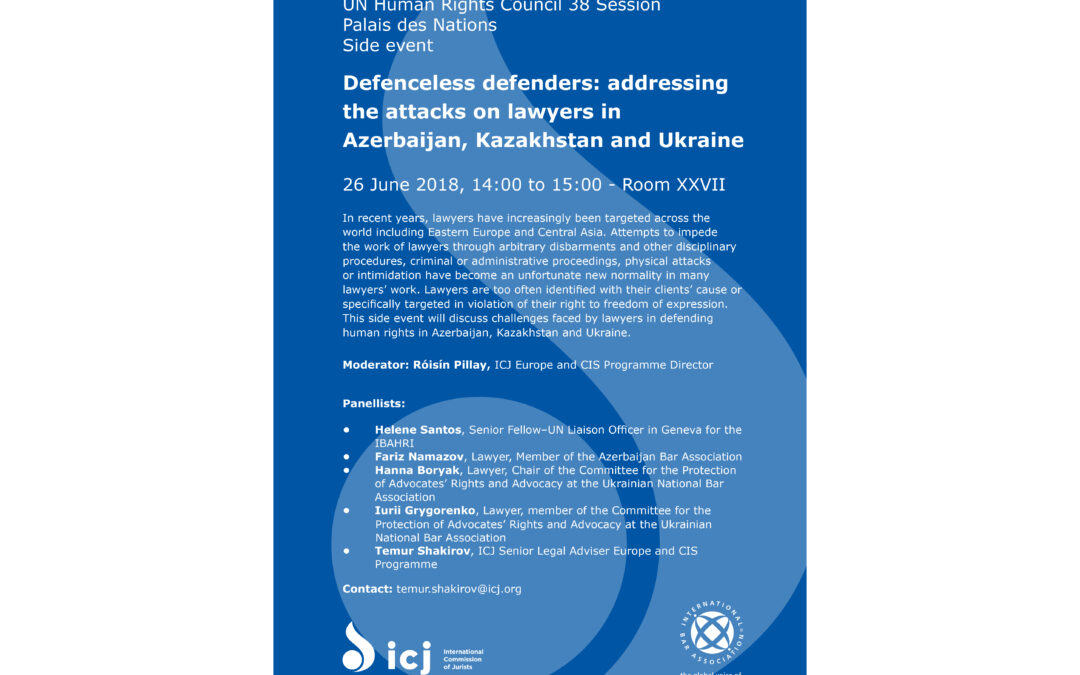
Это параллельное мероприятие в Совете по правам человека состоится во вторник, 26 июня, 14: 00-15: 00, в помещении XXVII Дворца Наций. Онo организованo МКЮ и Международным институтом по правам человека Международной ассоциации адвокатов (IBAHRI).
В последние годы юристы все чаще становятся объектами преследования во всем мире, включая Восточную Европу и Центральную Азию. Попытки препятствовать работе адвокатов посредством произвольных отстранений и других дисциплинарных процедур, уголовного или административного судопроизводства, физических нападений или запугивания стали тревожной норме во многих работах адвокатов.
Адвокаты слишком часто отождествляются со мотивом своих клиентов или лично подвергаютця лишением их права на свободу выражения. На этом параллельном мероприятии будут обсуждаться проблемы, с которыми сталкиваются юристы в защите прав человека в Азербайджане, Казахстане и Украине.
Председатель: Роушин Пиллэй, директор программы МКЮ Европы и СНГ
Учасники:
- Элен Сантос, старший сотрудник IBAHRI по связям с ООН в Женеве
- Фариз Намазов, юрист, член Ассоциации юристов Азербайджана
- Ханна Боряк, юрист, председатель Комитета по защите прав адвокатов и адвокации в Национальной ассоциации юристов Украины
- Юрий Григоренко, юрист, член Комитета по защите прав адвокатов и адвокатов при Национальной ассоциации юристов Украины
- Темур Шакиров, старшый юрисконсульт МКЮ Европы и СНГ
Листовка на английском (PDF):Geneva-Side-event-Attacks-on-lawyers-in-Azerbaijan-Kazakhstan-and-Ukraine-June-2018-ENG
Jun 21, 2018 | Events, News
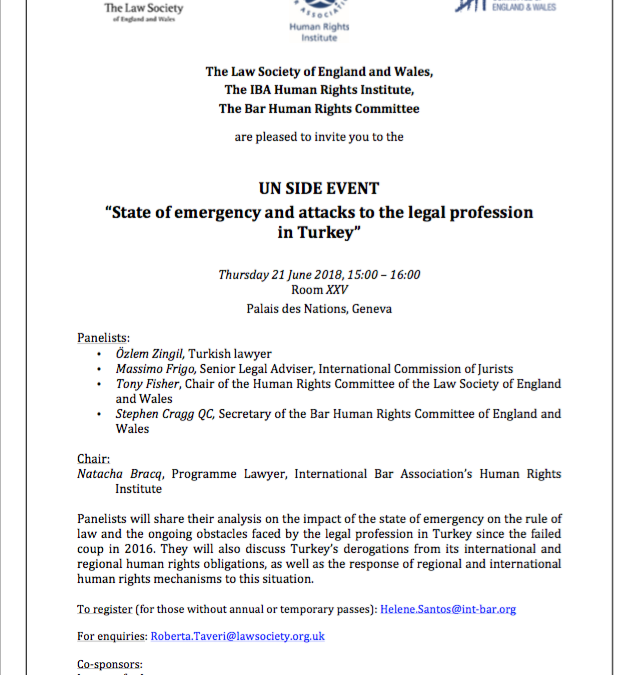
The ICJ will participate today in the side event “State of emergency and attacks on the legal profession in Turkey” organized by IBAHRI, the Law Society, and the Bar Human Rights Committee of England and Wales.
This side event at the Human Rights Council takes place on Thursday, 21 June, 15:00-16:00, room XXV of the Palais des Nations.
It is co-sponsored by Lawyers for Lawyers, Union Internationale des Avocats, Lawyers’ Rights Watch Canada.
In this side event, panelists will share their analysis on the impact of the state of emergency on the rule of law and the ongoing obstacles faced by the legal profession in Turkey since the failed coup in 2016.
They will also discuss Turkey’s derogations from its international and regional human rights obligations, as well as the response of regional and international human rights mechanisms to this situation.
Panelists:
- Özlem Zingil, Turkish lawyer;
- Massimo Frigo, International Commission of Jurists;
- Tony Fisher, Chair of the Human Rights Committee of the Law Society of England and Wales;
- Stephen Cragg QC, Secretary of the Bar Human Rights Committee of England and Wales;
- Natacha Bracq, Programme Lawyer, International Bar Association’s Human Rights Institute.
Geneva-SideEvent-StateofEmergencyLawyersTurkey-IBAHRI&others-June2018-ENG (download the flyer)