Apr 21, 2016 | Новости, Статьи
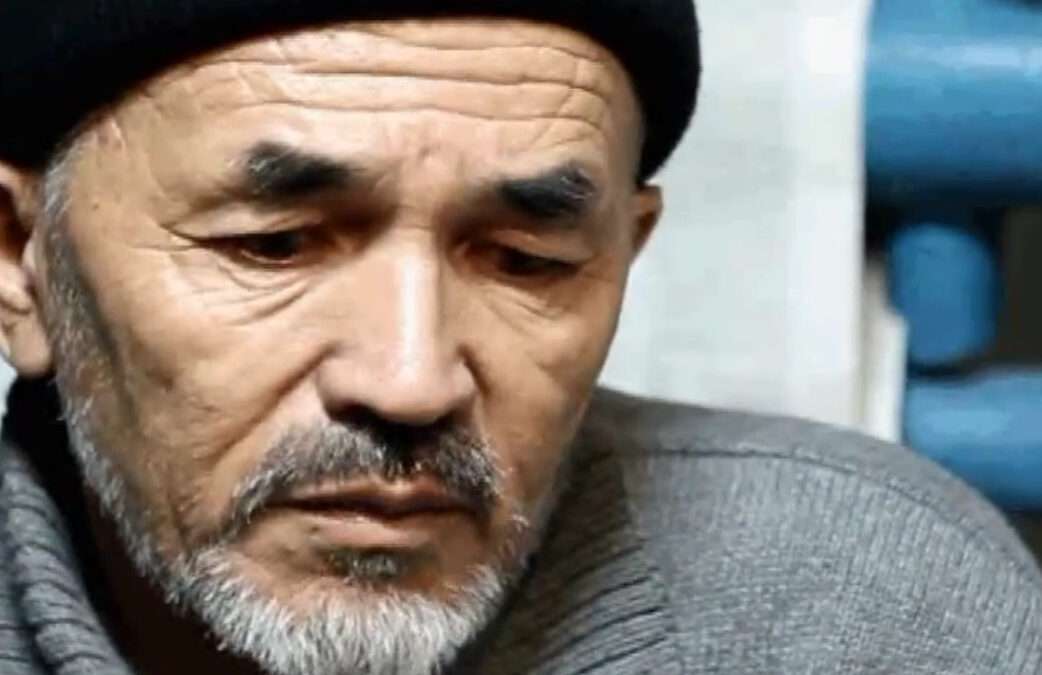
МКЮ приветствует решение Комитета по правам человека ООН, вынесенное сегодня по делу Азимжана Аскарова, кыргызского правозащитника, приговорённого к пожизненному лишению свободы.
Комитет констатировал несколько нарушений прав человека в отношении Аскарова в связи с его задержанием, заключением под стражей и судебным разбирательством по его делу, в том числе нарушения статьи 7 (свобода от пыток), статьи 9 (запрет произвольного содержания под стражей), статьи 10 (право на гуманное обращение во время заключения под стражей) и статьи 14 (право на справедливое судебное разбирательство) Международного пакта о гражданских и политических правах.
В декабре 2015 года Азимжан Аскаров, известный правозащитник, борющийся за соблюдение прав человека на юге Кыргызстана, был признан виновным в совершении ряда тяжких преступлений, включая убийство сотрудника милиции, которые предположительно имели место в ходе вооружённых этнических столкновений на юге страны в июне 2010 года.
МКЮ провела наблюдение за апелляционным заседанием по делу Аскарова, которое прошло в Верховном Суде 20 декабря 2011 года. По итогам миссии, а также на основании материалов дела, МКЮ опубликовала подробный Доклад о задержании, заключении под стражу и судебном разбирательстве по делу Азимжана Аскарова.
В докладе был сделан вывод о нарушении ряда прав человека в ходе задержания, заключения и судебного разбирательства по делу Аскарова.
Решение КПЧ ООН является важным шагом с точки зрения создания правовой базы для исправления допущенных нарушений.
МКЮ призывает компетентные органы власти Кыргызской Республики принять срочные меры по выполнению решения Комитета по правам человека.
Так, в соответствии с решением Комитета, власти Кыргызской Республики должны безотлагательно освободить Аскарова, отменить обвинительный приговор по его делу и выплатить надлежащую компенсацию.
Kyrgyzstan-Askarov-CCPR-Statement-2016-RUS (полная статья на русском, PDF)
Apr 19, 2016 | Адвокаси, Краткий анализ
Сегодня, МКЮ представила комментарии по проекту Постановления Пленума Верховного Суда Российской Федерации «О судебной практике применения законодательства, регулирующего вопросы дисциплинарной ответственности судей».
В настоящем документе рассматривается ряд связанных с дисциплинарной системой вопросов, которые МКЮ считает особенно важными в данном отношении.
Так, МКЮ считает, что в Проекте постановления следует:
- Более подробно определить понятие «дисциплинарный проступок»;
- Запретить привлечение судей к дисциплинарной ответственности за вынесение судейских решений; и
- Дополнительно разъяснить исключительный характер такой меры взыскания, как досрочное прекращение полномочий судьи.
В основу данных комментариев легли рекомендации, представленные в докладе МКЮ «Защита правосудия: Дисциплинарное производство в отношении судей в Российской Федерации», опубликованном в 2012 г. по итогам миссии в Российскую Федерацию.
В докладе был рекомендован ряд конкретных практических мер, направленных на дальнейшее продвижение реформы системы дисциплинарной ответственности судей в Российской Федерации.
Помимо прочего, в докладе делался вывод о том, что «необходимо всестороннее реформирование системы, с тем чтобы создать судебную власть, которая станет надёжным блюстителем верховенства права, будет соответствовать международным стандартам независимости судей и выступать в качестве гаранта права на справедливое судебное разбирательство».
Russia-Recommendaitons on Draft Resolution-Advocacy-Analysis Brief-2016-RUS (полный текст на русском, PDF)
Apr 19, 2016
Today, the ICJ has provided comments on the Draft Resolution of the Plenum of the Supreme Court of the Russian Federation “On judicial practice of application of legislation regulating the issue of disciplinary responsibility of judges”.
The comments focus on a number of issues in the disciplinary system that the ICJ considers to be of particular importance in this regard.
The ICJ recommended that the Draft Resolution should, in particular:
– Clarify further the definition of disciplinary misconduct;
– Prohibit disciplinary action for judicial decisions of judges; and
– Clarify further the very exceptional nature dismissals of judges.
These comments and recommendations draw on the ICJ’s report and recommendations Securing justice: the disciplinary system for judges in the Russian Federation published in 2012 following a mission to the Russian Federation.
The report made a series of recommendations for specific and practical measures designed to advance the process of reform of the judicial disciplinary system in the Russian Federation.
Among other things the report concluded that “comprehensive reforms of the [disciplinary] system [were] needed to establish a judiciary that is an effective guardian of the Rule of Law, complies with international standards on the judicial independence, and is a reliable guarantor of the right to a fair hearing”.
Russia-Recommendaitons on Draft Resolution-Advocacy-Analysis Brief-2016-ENG (full text, in PDF)
Russia-Recommendaitons on Draft Resolution-Advocacy-Analysis Brief-2016-RUS (full text, in PDF)

Apr 4, 2016
The ICJ, the European Council on Refugees and Exiles and Amnesty International present their joint briefing on the Proposal for a Regulation of the European Parliament and of the Council on the European Border and Coast Guard.
Europe-Cost Guards-Advocacy-Analysis Brief-2016-ENG (full paper in PDF)

Mar 29, 2016 | News
Today, the ICJ expressed serious concern at the apparent murder of lawyer Yury Grabovsky who was found dead on 25 March. The lawyer had been missing for two weeks and was reportedly found shot and buried near the Kiev-Odessa main route.
“The death of lawyer Yury Grabovsky must be investigated in a prompt, impartial and effective manner. Other lawyers who may be under threat should be urgently granted the necessary measures of protection”, said Temur Shakirov, ICJ Legal Adivser.
Yury Grabovsky was the managing partner of law firm “Garbovsky and Co”, as well as Deputy Chair of the High Qualification Disciplinary Commission.
He represented Aleksandr Aleksandrov, who along with Evgeniy Yerofeyev, was detained last May in the Lugansk Region in Eastern Ukraine and accused of terrorism and a number of other crimes.
The lawyer’s whereabouts had been unknown since 5 March after he had left for Odessa to stay at “Arkadiya” hotel.
He was apparently supposed to leave the hotel on 7 March but he never took his belongings from there.
On 9 March, a court hearing did not take place because the lawyer was missing.
Garbovsky’s colleagues reportedly doubted the authenticity of a post on his facebook account stated that he had left Ukraine.
On 10 March, the National Association of Lawyers of Ukraine informed the National Police that the lawyer had been missing.
The same day, the Odessa police opened a criminal case on “intentional murder”.
On 20 March, the Chief Military Prosecutor of Ukraine, Anatoly Matios, stated that a suspect in the organization of the disappearance of Grabovsky had been apprehended.
On Friday, 25 March, Prosecutor Matios said that Grabovsky “was killed in a violent way and finished off with a firearm” which according to the Prosecutor was a “specially planned operation.”
The lawyer’s body was found shot and buried 138 km south of Kiev after one of the suspects had reportedly disclosed the place of burial.
The lawyer is said to have had an explosive bracelet on his leg, apparently intended to prevent him from escaping. The names of the suspects have not been made public.
It is the second killing of a lawyer in Ukraine this month, and the fourth such killing since January 2015, including, lawyers Alexandr Gruzkov, Yury Ignatenko, Viktor Loiko, and now Yuri Grabovskiy.
Temur Shakirov stressed that “in order to fulfil their function lawyers must be able to act without fear and free from fear of reprisals of any kind”.
The UN Basic Principles on the Role of Lawyers affirm that“[w]here the security of lawyers is threatened as a result of discharging their functions, they shall be adequately safeguarded by the authorities.”
The ICJ calls on the Government of Ukraine to investigate the case and bring those responsible to justice, including both anyone who directly carried out the killing and anyone who ordered the crime.
Urgent measures to guarantee the security of lawyers should be taken, which should include effective security measures against attempts on their lives and lives of their family members.
Contact:
Róisín Pillay, Director, Europe Programme, roisin.pillay(a)icj.org
Temur Shakirov, Legal Adviser, Europe Programme, temur.shakirov(a)icj.org