Mar 11, 2016 | Advocacy
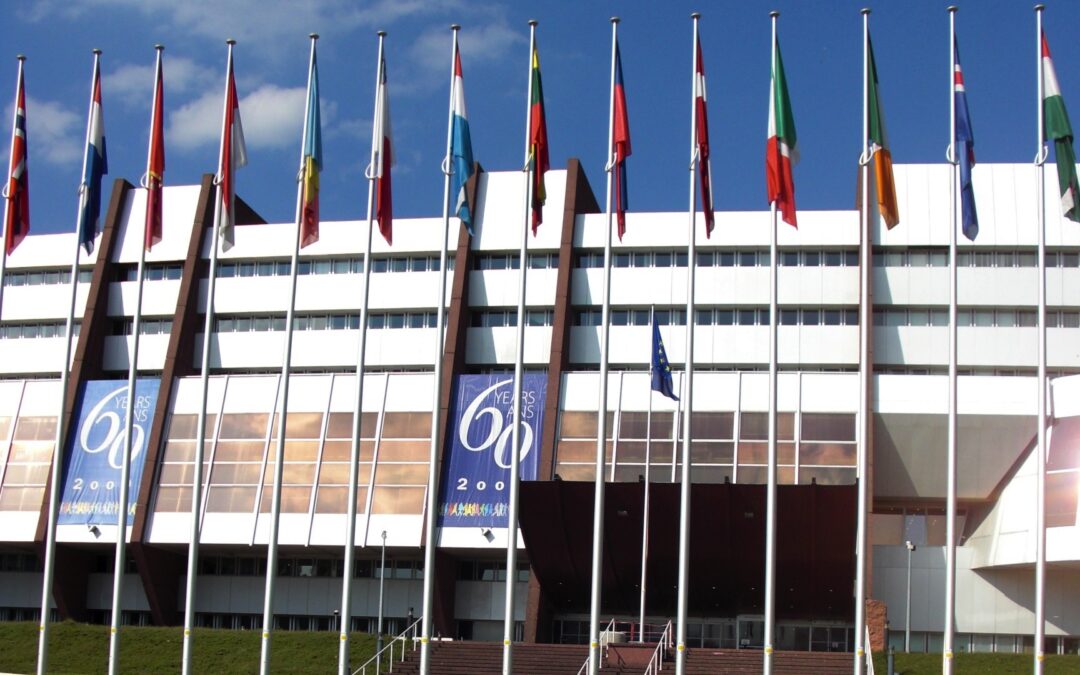
The ICJ, Amnesty, ECCJ and FIDH welcome the adoption of the Recommendation of the Committee of Ministers to member States on human rights and business (the Recommendation) on 3 March 2016.
This is the Council of Europe’s first inter-governmental instrument on business and human rights.
Adopted by the organization’s highest decision-making body, the agreement by all 47 Council of Europe member States is a significant achievement.
If adequately implemented, the Recommendation can contribute to an enhanced system of legal accountability of business enterprises involved in human rights abuses and access to effective remedy for those whose rights have been affected.
EU-coe_recommendation-Advocacy-2016-ENG (full text in PDF)
Mar 11, 2016 | Новости, Статьи
Сводная мобильная группа известна своей мужественной работой по открытию судебных дел от имени жертв пыток в Чечне. 9 марта они путешествовали вместе с журналистами, когда группа подверглась физическому нападению; их конфиденциальные записи были украдены, а их автомобили сожжены.
Их офисы в Ингушетии также подверглись нападению.
Это часть постоянных угроз и запугивания, направленных против Сводной мобильной группы.
Еще в декабре их офисы в Чечне были полностью сожжены.
Премия Мартина Энналса обеспечивает защиту через рекламу правозащитников, которые работают под личным риском для защиты прав других.
«К сожалению, кажется, что необходимость защиты в этом случае остается столь же актуальной, как и прежде. Мы настоятельно призываем ответственные органы выявить виновных и привлечь их к ответственности», – говорится в заявлении МКЮ.
Лауреат премии выбирается жюри из 10 глобальных правозащитных организаций, включая МКЮ.
Другие члены – Международная амнестия, Human Rights Watch, Human Rights First, МФПЧ – Международная федерация по правам человека, Всемирная организация против пыток (ВОПП), Front Line Defenders, ПАДР Германия, Международная служба по правам человека и HURIDOCS.
Для получения дополнительной информации вы также можете прочитать статьи на BBC, The Guardian, Russia Today и отчет о ПМЭ 2013.
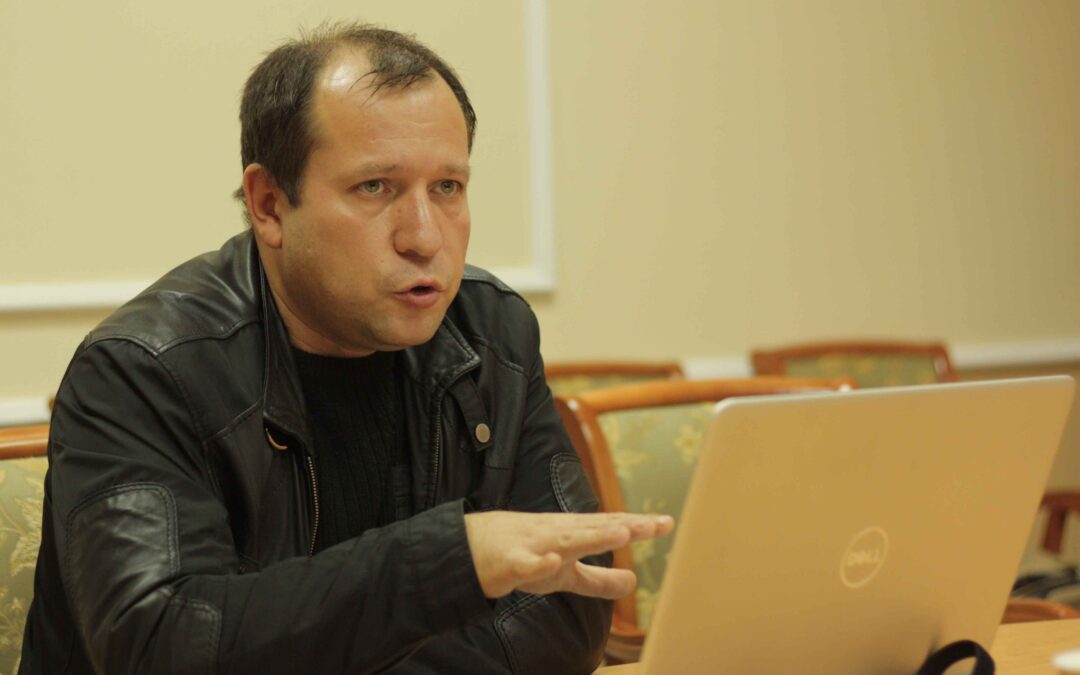
Фотография: Игорь Каляпин, основатель Сводной мобильной группы.
Mar 11, 2016 | News
The Joint Mobile Group is known for its courageous work in opening legal cases on behalf of victims of torture in Chechnya. On March 9th, they were travelling together with journalists and the group was physically attacked, their confidential notes stolen, and the vehicles they were in burned.
Their offices in Ingushetia were also attacked.
This is part of an ongoing pattern of threats and intimidation directed against the Joint Mobile Group.
As recently as December their offices in Chechnya were completely burned.
The Martin Ennals Award provides protection through publicity for Human Rights Defenders who are working at personal risk to protect the rights of others.
“Sadly it appears that the need for protection, in this case, remains as urgent as ever. We urge the responsible authorities to identify the perpetrators and bring them to justice,” the ICJ says.
The Award laureate is selected by a jury of 10 global human rights organizations, including the ICJ.
The other members are Amnesty International, Human Rights Watch, Human Rights First, FIDH – International Federation for Human Rights, World Organisation Against Torture (OMCT), Front Line Defenders, EWDE Germany, International Service for Human Rights and HURIDOCS.
For further information, you can also read articles on the BBC, The Guardian, Russia Today, and the report on the MEA 2013.
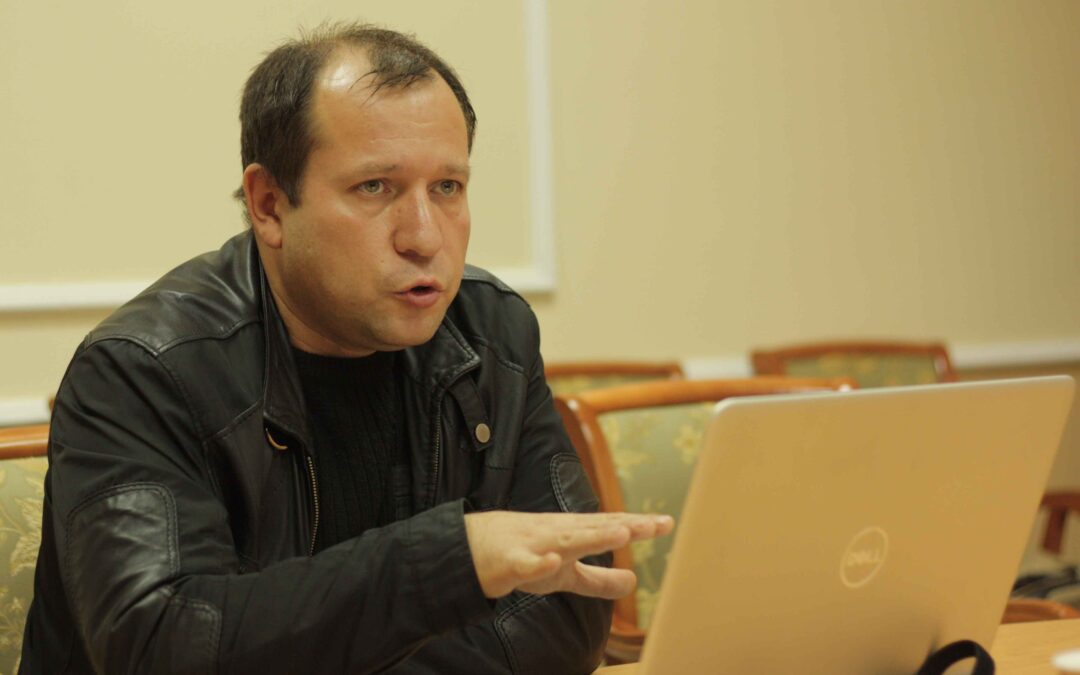
Picture: Igor Kalyapin, founder of the Joint Mobile Group.
Mar 1, 2016 | Advocacy, News, Non-legal submissions
The ICJ joined today other prominent human rights organizations in urging the European Union and its Member States to respect and protect human rights and the rule of law in countering terrorism.
In their joint statement, the thirteen human rights organizations stressed the implications of Eu counter-terrorism laws and policies for human rights and the rule of law with regard to the right to be free from torture and cruel, inhuman or degrading treatment or punishment, the principle of non-refoulement, the right to liberty and security of the person, the right to a fair trial, the principle of legality, the principle of non-discrimination, the rights to freedom of expression and peaceful assembly, the right to privacy, the rights of asylum-seekers and migrants, the freedoms of movement, of religion or belief and other dimensions.
The human rights organizations that signed up to this statement are, apart from the International Commission of Jurists, the European Network Against Racism (ENAR), Amnesty International, the International Federation of Human Rights (FIDH), the Open Society European Policy Institute, the World Organisation Against Torture (OMCT), Fair Trials, European Digital Rights (EDRi), the Forum of European Muslim Youth and Student Organisations (FEMYSO), the International Federation of Action by Christians for the Abolition of Torture (FIACAT), the International Rehabilitation Council for Torture Victims (IRCT), the Association for the Prevention of Torture (APT), and the European Association for the Defense of Human Rights (AEDH).
EU-counter-terrorism&humanrights-jointstatement-2016-ENG (download the joint statement)

Feb 24, 2016
The ICJ published today a briefing paper providing a first assessment of the process of transition of the judicial system in Northern Kosovo from the Serbian to the Kosovo legal system.
The briefing paper, which follows a visit of a delegation of the ICJ in Kosovo from 1 to 4 November 2015, preliminarily identifies key issues for access to justice and the protection of human rights through the justice system, which need to be addressed and monitored during the transition process.
The paper documents an ongoing process of transition of the judicial system in Kosovo.
It concludes that a key determinant of the success of this transition must be the effective protection of access to justice for all in Kosovo that must be provided by an independent, impartial and effective judicial system, assisted by independent, impartial and effective legal profession and prosecution service.
In its conclusion, the ICJ found that the Kosovo legal system does not yet meet the requirements of the Kosovo Constitution to respect international human rights law and standards and, in particular, the right of minorities, including under the Council of Europe’s Framework Convention. Its shortcomings include:
- the reported lack of security for Kosovo Serb and Kosovo Albanians to access courts in areas dominated by the other ethnicity, with a clear obstructive effect on access to justice;
- the dramatic incapacity of the Kosovo legal and education system to ensure generational continuity for the Serb community in the legal profession with future stark consequences for the ethnic composition and competence of the judiciary, prosecution service and legal profession;
- the lack of equality in practice between Albanian and Serbian languages in judicial proceedings and unreliable quality of the drafting and translation of its legislation; and
- the existence of a deep divide between the laws as written, which often recall or refer to international standards, and the implementation of the laws on the ground.
Finally, the ICJ stressed that the respect, protection and fulfillment of all conditions of access to justice of the non-Albanian minorities is therefore a key benchmark against which the success of this transition or “integration” must be assessed.
The ICJ mission team was composed of Ketil Lund (ICJ Commissioner and former Supreme Court Justice of Norway), Róisín Pillay (Director of the ICJ Europe Programme), and Massimo Frigo (Legal Adviser of the ICJ Europe Programme).
Kosovo-Integration of the justice system-Publications-Reports-Fact Finding mission reports-2016-ENG (full paper, in PDF)




